
Choosing the right diaper care product for your baby depends entirely on their current skin condition. Mustela offers a range of options, from daily preventive barrier creams to soothing repair formulas and gentle cleansing wipes. By assessing whether your baby’s skin is healthy, slightly irritated, or showing signs of a persistent rash, you can select the specific product category that supports their skin barrier. Always verify the product labels for age suitability and specific ingredients to ensure a safe, comfortable diapering routine.
Assess Your Baby's Current Diaper Area Condition
To choose the most effective diaper care product, you must first evaluate the state of your baby’s skin. A baby’s skin in the diaper zone is highly sensitive and subjected to constant moisture, friction, and warmth. Regularly inspecting this area during diaper changes allows you to adjust your care routine before minor irritation develops into a more significant issue.
In warm and humid climates like Singapore, the diaper area is particularly prone to heat and moisture buildup. This environment can accelerate skin irritation, making regular checks even more critical for local parents. High humidity can trap sweat and urine against the skin, weakening the natural barrier and increasing the likelihood of chafing.
Products mentioned in this guide
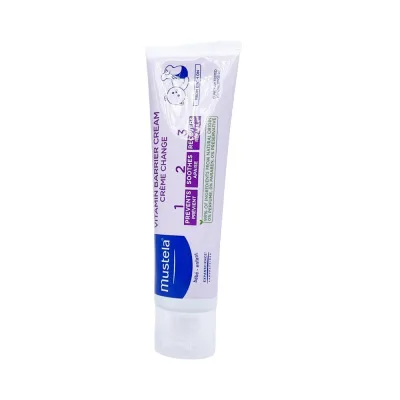
Prices are valid at publication and may change. Please refer to the product page for the latest price.
Healthy skin in the diaper area appears smooth, even-toned, and free of dry patches or redness. For babies with healthy skin, the primary goal of diaper care is daily maintenance and friction prevention. A simple protective layer is usually sufficient to isolate the skin from wetness and prevent chafing from diaper edges.
Early irritation signals often present as mild, localized redness, slight dryness, or rough patches. Your baby might show minor discomfort when wiped. At this stage, the skin barrier is slightly compromised, requiring soothing ingredients that calm the skin and support its natural recovery processes.
A visible diaper rash is characterized by bright red patches, raised bumps, peeling, or broken skin. The area may feel warm to the touch, and your baby may cry or fuss during diaper changes or baths. When the skin barrier is broken or highly inflamed, it requires targeted repair formulas or a professional medical evaluation rather than standard daily barrier creams.
Match Skin Conditions to Mustela Product Categories
Once you have identified your baby’s skin condition, you can match it to the appropriate category of Mustela diaper care products. Mustela designs its formulations to address specific stages of skin health, allowing caregivers to tailor their approach.

Daily barrier creams are formulated for healthy skin to prevent irritation before it starts. These ointments are typically thick and designed to create a physical shield that isolates the skin from moisture and friction. Applying a daily barrier cream during regular diaper changes helps maintain the skin’s natural moisture balance and protects against the harsh environment inside the diaper.
Soothing and repair creams are intended for times when early irritation or redness appears. These targeted formulations contain active ingredients that help calm inflammation, reduce discomfort, and support skin recovery. Unlike daily preventive barriers, repair creams focus on restoring a compromised skin barrier and should be applied directly to affected areas until the redness subsides.
Cleansing wipes and waters provide a gentle way to clean the diaper area during changes. When selecting these products, look for water-based wipes or no-rinse cleansing fluids that remove waste without stripping the skin of its natural oils. For highly sensitive or irritated skin, choosing a fragrance-free, gentle cleansing option is crucial to avoid further irritation during cleanup.
Cleansing waters offer a lightweight, no-rinse alternative to traditional wipes, which can be applied with a soft cotton pad. This option is often preferred by parents looking to minimize physical friction on highly sensitive newborn skin. It allows for a very gentle swipe that lifts away impurities without the need for rubbing.
Key Ingredients and Label Checks for Sensitive Skin
Before purchasing any diaper care product, it is essential to read the packaging carefully and verify the ingredients and safety claims. Understanding what goes onto your baby’s skin helps you make informed decisions and minimizes the risk of allergic reactions.
Look for common soothing botanical extracts and barrier agents on the ingredient list. Ingredients like zinc oxide are widely used in diaper creams for their excellent moisture-blocking properties. Natural plant extracts, such as avocado perseose or sunflower seed oil distillate, are often included in gentle formulations to support the skin barrier and provide deep hydration.
Always check the product packaging for specific safety labels. Claims such as “fragrance-free,” “alcohol-free,” and “hypoallergenic” indicate that the product has been formulated to minimize the risk of skin sensitization. Fragrances and alcohols can be highly irritating to a baby’s delicate skin, especially when the skin barrier is already compromised.
Verify the age suitability and safety designations printed on the box. Many diaper care products are labeled as “newborn safe” or “suitable from birth,” meaning they have undergone testing for use on very young infants. Always confirm any specific age, weight, or usage restrictions provided by the manufacturer to ensure the product is appropriate for your baby’s developmental stage.
Additionally, look for dermatologically tested seals or certifications from recognized pediatric organizations. These labels provide an extra layer of reassurance that the formulation has been evaluated under strict clinical supervision for infant skin safety. Checking for these independent verifications helps you choose products with greater confidence.
How to Build a Complete Mustela Diapering Routine
Integrating your chosen products into a consistent daily routine is key to maintaining healthy skin and managing irritation. A proper workflow ensures that each product performs effectively without causing unnecessary friction or discomfort.
The cleansing step is the foundation of any diapering routine. Use gentle wipes or a soft cloth moistened with no-rinse cleansing water to wipe away waste from front to back. Avoid over-rubbing or scrubbing the skin, as excessive friction can damage the delicate outer layer. Allow the skin to air-dry completely before moving to the next step, as trapping moisture beneath a cream can lead to irritation.
The protection step involves applying a daily barrier cream to healthy skin. Dispense a small amount of the cream and spread it evenly over the entire diaper area, paying close attention to the folds of the skin where friction is most common. Follow the manufacturer’s instructions regarding the thickness of the application, ensuring a consistent layer is present to block out moisture.
The repair step is necessary when redness or irritation becomes visible. Switch from your daily preventive barrier cream to a soothing repair formula. Apply the repair cream directly to the red or irritated areas during each diaper change. If the irritation does not improve after a few days of consistent application, adjust your routine and seek professional advice.
Incorporating brief periods of diaper-free time during the day can also significantly aid skin recovery. Allowing the skin to breathe naturally in a dry environment helps reduce moisture buildup and speeds up the healing process of irritated skin. Even a few minutes of air exposure during each change can make a noticeable difference.
When to Stop Using Over-the-Counter Creams and See a Doctor
While over-the-counter diaper care products are highly effective for daily maintenance and mild irritation, they have safety boundaries. Caregivers must be able to recognize when home care is no longer sufficient and professional medical intervention is required.
Watch for visual warning signs that indicate a more serious condition, such as a fungal or bacterial infection. If you notice bright red dots spreading beyond the diaper area, pus-filled blisters, peeling skin, or bleeding, these are signs that require prescription treatments. Standard diaper creams will not cure these infections and may sometimes worsen them.
As a general guideline, if your baby’s diaper rash does not show visible improvement within two to three days of consistent care, discontinue the use of over-the-counter creams. Prolonged use of self-treatment without improvement can delay proper diagnosis and care.
Always consult a pediatrician or dermatologist immediately if the rash is accompanied by a fever, if your baby seems unusually uncomfortable or in pain, or if the skin condition worsens rapidly. A qualified professional can accurately diagnose the underlying cause and prescribe targeted treatments, such as mild topical antifungals or antibiotics, to ensure your baby’s skin heals safely.
Avoid applying leftover prescription creams or adult ointments to your baby’s diaper area without explicit medical guidance. Infant skin absorbs topical substances much more readily than adult skin, making unauthorized treatments potentially harmful. Always stick to products specifically formulated and approved for infant use.
Frequently Asked Questions (FAQ)
Can I use Mustela diaper cream with cloth diapers?
Many traditional barrier creams contain ingredients like zinc oxide or petroleum that can coat the fibers of cloth diapers, reducing their absorbency over time and causing them to repel moisture. If you use cloth diapers, check the product label to see if the formulation is compatible with cloth fabrics. Alternatively, you can use a biodegradable diaper liner to protect the cloth diaper from cream buildup, or follow the manufacturer’s specific washing instructions to thoroughly remove oil-based residues.
Is it safe to use Mustela wipes on a newborn's face and body?
You must check the specific product packaging to determine if a wipe is formulated for multi-purpose use. While some wipes are designed strictly for the diaper area, others are labeled as safe for the face, hands, and body from birth. Wipes intended for the face and body are typically formulated to be exceptionally gentle on sensitive facial skin and eyes. Never use a product on your baby’s face unless the label explicitly states it is safe for full-body or facial use.
How much diaper cream should I apply during each change?
The amount of diaper cream you should apply depends on the product’s instructions and whether you are preventing or managing irritation. For daily prevention, a thin, even layer that covers the skin is usually sufficient to block moisture. If you are addressing active redness or irritation, a slightly thicker layer may be recommended to provide a more robust physical barrier. Always refer to the specific application guidelines printed on the product packaging for the best results.

Community discussion
Share your experience or ask a question. Comments are reviewed before publication.