
Selecting the right breast pump is one of the most significant decisions you will make during your breastfeeding journey. The ideal Mumcozy breast pump depends entirely on your daily routine, how frequently you plan to pump, and your specific comfort requirements. While exclusive pumpers often require the robust power of a traditional double electric system, busy mothers returning to the office or managing active households usually benefit more from hands-free wearable models or compact portable units.
By evaluating your lifestyle, milk expression goals, and the unique features of different models, you can find a device that fits seamlessly into your daily routine. This guide will help you navigate the brand’s diverse selection, compare key technical specifications, and make an informed choice that supports your long-term nursing goals.
Assessing Your Breastfeeding Lifestyle and Goals
Before browsing specific models, you must clarify how a breast pump will fit into your daily life. Your pumping frequency is the most critical starting point. Mothers who are exclusively pumping require a heavy-duty motor capable of multiple daily sessions without losing suction power over time. Conversely, if you are primarily direct breastfeeding and only need to build a modest freezer stash or relieve occasional engorgement, a simpler, less intensive model will likely meet your needs.
Products mentioned in this guide
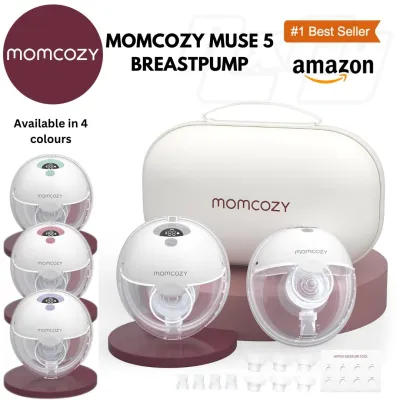
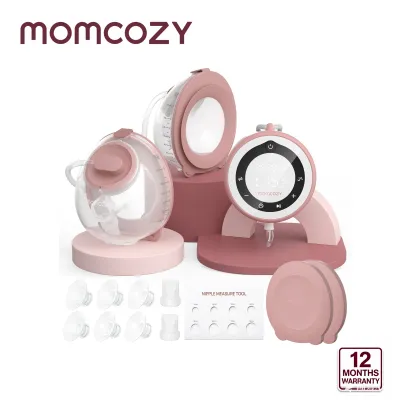
Prices are valid at publication and may change. Please refer to the product page for the latest price.
Your daily routine also dictates which form factor is most practical. If you are returning to a structured office environment, commuting, or frequently traveling, portability and discreet operation become your top priorities. Staying at home with other children might require a hands-free design that allows you to remain mobile, whereas a dedicated space at home allows for the stationary setup of a more powerful desktop unit.
Physical comfort and sensory factors should not be overlooked. Breast tissue sensitivity varies significantly between individuals, meaning some mothers require highly adjustable suction levels or specialized stimulation modes to trigger a let-down. Additionally, consider your personal tolerance for device weight and motor noise, especially if you plan to pump in public spaces, shared offices, or next to a sleeping baby.
Finally, establish a realistic budget that accounts for both the initial purchase and long-term usage. Remember to factor in the cost of consumable replacement parts, such as silicone valves, membranes, and various flange sizes. Investing in a model that aligns with your specific frequency goals from the start prevents the need for costly upgrades later in your breastfeeding journey.
Navigating the Main Mumcozy Breast Pump Categories
To narrow down your choices, it is helpful to understand the three primary design categories offered by the brand. Each category serves a distinct purpose, balancing mobility, power, and convenience differently.

Wearable Breast Pumps
Wearable breast pumps are designed to fit entirely inside a standard nursing bra, eliminating external tubes, wires, and dangling bottles. This hands-free configuration allows you to multitask, move around the house, or even work at a desk while actively expressing milk. The convenience of being able to pump discreetly under your clothing makes this category highly popular for busy lifestyles.
However, wearable models require careful consideration regarding physical fit and motor placement. Because the motor sits directly on the breast cup, these devices are naturally heavier than traditional flanges, requiring a supportive bra to keep them securely in place. To prevent discomfort, skin irritation, or milk leakage, you must verify the motor weight and ensure a precise flange fit before your first session. Always check the product manual for specific body positioning guidelines, as excessive bending or leaning can disrupt the seal and cause spills.
Portable and Compact Pumps
Portable and compact pumps serve as a middle ground between fully wearable models and heavy desktop units. These devices feature a small, lightweight motor unit that can be clipped to a waistband or slipped into a pocket, connected via thin tubing to lightweight collection cups or bottles. This setup offers excellent suction performance while keeping the weight on your breasts to a minimum.
These models are highly practical for commuting or traveling, as they easily fit into a diaper bag or purse. When evaluating portable units, check the product specifications for battery life, USB-C charging compatibility, and whether a dedicated travel case is included. Keep in mind that while the motor is portable, you will still typically need to be seated during use, as the external tubing and bottles prevent the total hands-free mobility offered by in-bra wearables.
Traditional Double Electric Pumps
Traditional double electric breast pumps are stationary desktop units designed for maximum efficiency, speed, and customization. Featuring robust motors, these pumps are engineered to withstand the heavy demands of exclusive pumping. They typically offer the widest range of suction levels and advanced programming to mimic a baby’s natural nursing patterns.
Because these units rely on larger motors, they are best suited for stationary use at home or at a dedicated desk. When choosing a traditional double electric model, verify the power source requirements on the manufacturer’s packaging. Some models require a direct connection to a wall outlet, while others feature a rechargeable base that allows for limited cordless movement around the home.
Critical Features to Compare Across Mumcozy Models
Once you have selected a category, comparing specific technical features on the manufacturer’s website or product packaging will help you make a final decision.
- Suction and Modes: Check the product specifications for the number of suction levels (measured in mmHg) and available operating modes. Look for devices that offer a combination of stimulation, expression, and mixed modes, allowing you to customize the rhythm to match your body's natural let-down reflex.
- Flange Sizing and Compatibility: A correct flange fit is essential for preventing nipple damage and ensuring optimal milk expression. Measure your nipple diameter at the base (excluding the areola) before purchasing, and cross-reference your measurements with the official sizing chart. Many models come with standard sizing but offer separate silicone inserts to accommodate smaller or larger diameters.
- Noise Levels: If you plan to pump in a quiet office, on public transit, or during middle-of-the-night sessions, check the manufacturer's decibel (dB) ratings. Look for models specifically rated below 50 dB to ensure your sessions remain discreet and do not disturb those around you.
- Cleaning and Assembly: Examine the design of the milk collection cups and valves. Fewer parts mean faster assembly and less cleaning time. Always consult the user manual for specific care instructions, verifying which components are dishwasher-safe and which require manual washing or specific sterilization temperatures to prevent warping.
Matching Pump Types to Common Breastfeeding Scenarios
Visualizing how you will use the pump in your daily life can clarify which model is the most practical choice.
Returning to the Office
For mothers transitioning back to a professional workspace, a quiet, wearable pump or a highly compact portable model is often the best fit. These devices allow you to pump discreetly at your desk or in a designated wellness room without the disruption of loud motor noises. Because office schedules are tight, prioritize models with simple, intuitive assemblies that can be quickly taken apart, washed, and dried in a shared office sink during short breaks.
Nighttime Pumping
Expressing milk in the middle of the night requires a device that minimizes sleep disruption for both you and your family. Look for a pump with an extremely quiet motor and a clear, backlit LED screen that allows you to adjust settings in the dark without turning on overhead lights. A simple assembly process is also highly beneficial here, as it reduces the risk of misaligning valves or spilling milk when you are tired.
Exclusive Pumping
If you are exclusively expressing milk for your infant, your pump will undergo heavy daily usage. In this scenario, prioritize a traditional double electric pump with a high-durability motor or a premium, high-capacity wearable system designed for frequent cycles. Look for models that offer advanced customization, such as independent left and right suction controls, to maximize comfort and milk yield over long-term use.
Travel and Commuting
For active lifestyles, long drives, or flights, look for battery-operated, compact models that do not require a constant connection to a wall outlet. Ensure the device features a reliable USB-C charging port so you can power up using a car adapter or a portable power bank. Additionally, choose models that feature secure, leak-proof bottle or cup designs to prevent spills while traveling on bumpy roads or walking through transit terminals.
Safety, Hygiene, and Purchasing Checks in Singapore
To ensure a safe and successful pumping experience, you must take specific precautions when purchasing and maintaining your device in Singapore.
Always purchase your breast pump and replacement parts from the official brand website, authorized e-commerce flagship stores, or reputable local baby boutiques. Buying from authorized channels ensures that you receive a genuine product, food-grade materials, and a valid local warranty. Avoid purchasing secondhand pumps, as closed-system pumps can still carry hygiene risks if not perfectly maintained, and open-system pumps can harbor mold or bacteria inside the motor housing.
Before using your pump, check the product packaging and user manual to verify material safety claims, ensuring all parts that come into contact with breast milk are completely BPA-free. Follow the manufacturer’s exact sterilization guidelines before the first use and after subsequent sessions. To protect the integrity of the silicone parts, avoid exposing them to temperatures or sterilization methods not explicitly approved in the user manual.
If your selected model relies on a wall charger rather than a standard USB cable, verify its electrical compatibility with Singapore’s electrical grid. Ensure the power adapter is rated for 230V and 50Hz, and features a certified Type G plug. If you must use an adapter, ensure it is safety-certified by local regulatory bodies to prevent electrical surges or damage to the pump’s battery.
Finally, prioritize your physical well-being. While adjusting your pump’s settings can resolve minor discomfort, a device should never cause pain, bruising, or tissue damage. If you experience persistent pain, localized swelling, blocked ducts, or an unexplained drop in milk supply, stop using the device immediately and consult a certified lactation consultant (IBCLC), doctor, or qualified healthcare professional for personalized guidance.
Frequently Asked Questions (FAQ)
How do I find the right flange size for my breast pump?
To find your correct flange size, use a ruler or a printable measuring tool to measure the diameter of your nipple at the base, excluding the surrounding areola. It is best to take this measurement before a pumping session when your nipples are at rest. Once you have the measurement in millimeters, add 2 mm to 3 mm to the total to find your recommended flange size. This extra margin allows your nipple to expand and move freely within the tunnel without rubbing against the sides. Keep in mind that your nipple size can change during your postpartum journey, so you should re-measure if you begin to experience friction, pain, or a sudden decrease in milk output.
Can I use a wearable breast pump while lying down?
Most wearable breast pumps are designed to be used while sitting upright, standing, or slightly reclining. Lying down completely flat is not recommended, as gravity can cause milk to backflow into the motor housing, potentially damaging the electrical components and voiding your warranty. Furthermore, lying flat can break the silicone seal against your breast, leading to significant milk leakage and a loss of suction efficiency. To ensure safe operation and prevent spills, always refer to your specific model’s user manual to verify the maximum approved tilt angle and recommended posture guidelines during a session.
How often should I replace the silicone parts of my breast pump?
Silicone components, including valves, diaphragms, and flange inserts, are wear-and-tear items that naturally degrade over time due to frequent stretching, washing, and heat sterilization. If you pump multiple times a day, you should inspect these parts every few weeks and plan to replace duckbill valves every 1 to 3 months, and diaphragms or silicone breast shields every 3 to 6 months. Signs that your parts need immediate replacement include visible stretching, tearing, warping, cloudiness, or a noticeable drop in the pump’s suction power. Always use official, manufacturer-approved replacement parts to maintain the safety, hygiene, and performance of your device.

Community discussion
Share your experience or ask a question. Comments are reviewed before publication.