
Choosing a breast pump is one of the most significant decisions you will make during your breastfeeding journey. The right pump supports your lactation goals, fits seamlessly into your daily routine, and ensures you can provide breast milk for your child even when separated. Medela has long been a prominent name in maternal health, offering a diverse lineup of pumps tailored to different lifestyles, schedules, and physical needs.
Your ideal selection depends on how frequently you plan to express milk, where you will be pumping, and your personal comfort preferences. For mothers returning to work in Singapore’s fast-paced corporate environments, a double electric or wearable model is often the most efficient choice. Conversely, those who direct-feed their babies and only need to express milk occasionally may find a simple manual pump perfectly adequate. By evaluating your specific circumstances against the features of each model, you can make an informed investment that supports a stress-free feeding experience.
Before purchasing or using any breast pump, always read the manufacturer’s instruction manual thoroughly to understand the safety warnings, electrical requirements, and assembly procedures. If you experience physical pain, skin irritation, or a sudden drop in milk supply, stop using the device and consult a certified lactation consultant or healthcare professional immediately.
Products mentioned in this guide
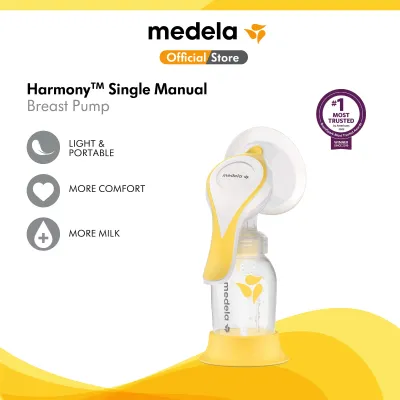
Prices are valid at publication and may change. Please refer to the product page for the latest price.
Understanding Your Breastfeeding and Pumping Needs
Identifying your primary pumping scenarios before browsing specific models prevents unnecessary spending and ensures your pump aligns with your daily life. Your pumping frequency is the most critical factor to consider. Mothers who are exclusively pumping require a heavy-duty, highly durable machine capable of stimulating and maintaining a full milk supply. Those preparing to return to office work after maternity leave need a portable, efficient system that can be quickly assembled and disassembled during short breaks. If your goal is simply to relieve occasional engorgement or build a modest backup supply in the freezer, a lightweight, low-frequency option is more appropriate.
Your daily environment and mobility requirements also dictate which pump design will serve you best. Singapore’s urban landscape means many mothers face active daily commutes via public transport or need to pump in shared office spaces. If you lack access to a private nursing room with a dedicated power outlet, a battery-operated, compact, or wearable pump becomes a necessity rather than a luxury. For mothers who primarily stay at home or have a dedicated, private space with reliable power access, a traditional tabletop double electric pump offers exceptional reliability and power.
Physical comfort and anatomical variations are equally important when selecting a pump. Breast tissue is highly sensitive, and the postpartum period can introduce temporary physical challenges such as sore nipples or engorgement. A pump that offers customizable suction levels and multiple expression phases helps you find a setting that mimics your baby’s natural suckling without causing discomfort. Additionally, you must decide whether single or double pumping fits your schedule; double pumping not only cuts your expression time in half but has also been shown to stimulate higher prolactin levels, aiding in overall milk production.
Key Features to Evaluate in a Medela Breast Pump
When comparing different models within the Medela ecosystem, focusing on core technical and design features will help you narrow down your choices effectively.

Manual versus Electric Operation
Manual breast pumps rely entirely on hand compression to create suction. They are quiet, highly portable, and require no electricity or batteries, making them excellent for occasional use or travel. However, they require active physical effort and take considerably longer to express a full feed. Electric breast pumps utilize a motorized unit to automate the suction cycle. They provide consistent speed and pressure, which is essential for regular or exclusive pumping routines, though they are generally louder and heavier than manual options.
Single versus Double Pumping
Single breast pumps express milk from one breast at a time. They are often more budget-friendly and compact, making them suitable for mothers who occasionally pump while nursing their baby on the opposite side. Double breast pumps express milk from both breasts simultaneously. This dual action is highly efficient, saving valuable time and helping to maximize milk output by triggering a more robust let-down reflex. Double pumping is highly recommended for anyone pumping multiple times a day.
Portability and Power Sources
Modern electric pumps offer various power configurations, including direct wall power, traditional AA battery compartments, or built-in rechargeable lithium-ion batteries. For active lifestyles, a built-in rechargeable battery that charges via USB-C offers maximum flexibility, allowing you to power up your device at your office desk, in the car, or using a portable power bank. Consider the physical footprint and weight of the motor unit if you plan to carry it daily in your diaper bag or work tote.
Suction and Comfort Technology
Medela pumps feature patented 2-Phase Expression technology, which is designed to mimic a baby’s natural feeding rhythm. The cycle begins with a fast, shallow stimulation phase to initiate milk let-down, followed by a slower, deeper expression phase to maximize milk flow. When evaluating models, verify the adjustable vacuum levels and phase settings on the manufacturer’s label. Having fine-grained control over these settings allows you to customize the suction to your comfort level, preventing nipple trauma and optimizing milk extraction.
Matching Medela Breast Pump Models to Your Lifestyle
Medela categorizes its pumps to serve distinct user profiles, ranging from occasional pumpers to highly active mothers and exclusive pumpers.
Manual Breast Pumps for Occasional Use
Manual pumps are designed for simplicity and independence from power sources, making them a staple for light, infrequent use.
- Ideal Scenarios: These models are best for mothers who primarily breastfeed directly but want an easy option for occasional outings, relieving engorgement when away from the baby, or expressing a small amount of milk for a partner to feed.
- Advantages: Manual pumps are virtually silent, exceptionally lightweight, and fit easily into a standard handbag. They contain very few parts, making them simple to assemble and clean on the go. They are also the most budget-friendly option, typically costing under S$100.
- Limitations: Operating a manual pump requires continuous hand coordination and physical effort, which can lead to hand fatigue during longer sessions. It is a slower process and is not practical for sustaining a full milk supply over several months.
- Buying Advice: Look for models like the Medela Harmony, which features an ergonomic swivel handle that allows you to switch between short, fast strokes for stimulation and longer, deeper strokes for expression. Ensure you check the included breast shield size to confirm it matches your measurements, as an ill-fitting shield can cause painful friction.
Portable and Wearable Pumps for Active Mothers
For mothers balancing a career, travel, or multiple household tasks, portable and wearable electric pumps offer the freedom to express milk without being anchored to a wall.
- Ideal Scenarios: These are highly suited for working mothers returning to office environments, parents who travel frequently, or those who need to pump discreetly while caring for other children at home.
- Advantages: Models such as the Medela Freestyle Hands-Free or the Medela Swing Maxi feature compact, lightweight motors and built-in rechargeable batteries. The Freestyle Hands-Free utilizes ultra-lightweight collection cups that fit directly inside your regular nursing bra, keeping your hands completely free. Many of these models offer Bluetooth connectivity to sync with smartphone applications, allowing you to track your pumping history, session duration, and estimated milk volume.
- Limitations: Wearable collection cups typically have a slightly smaller capacity (often capped at 150ml per cup) compared to standard bottles. They require a highly supportive, snug-fitting bra to maintain the necessary seal against the breast. Additionally, these models sit at a higher price point, generally ranging from S$350 to S$600.
- Buying Advice: Before purchasing, verify the exact weight of the motor and the number of individual parts that require cleaning. Some wearable cup designs have multiple silicone membranes and valves that must be dried completely and aligned perfectly to maintain optimal suction.
Standard Double Electric Pumps for Regular Pumping
Standard double electric pumps are the workhorses of the lactating world, designed for maximum efficiency, durability, and consistent performance.
- Ideal Scenarios: These units are ideal for exclusive pumpers, mothers working to increase a low milk supply, or anyone with a highly structured daily pumping routine at home.
- Advantages: Traditional double electric pumps, such as the Medela Pump In Style with MaxFlow technology, provide highly consistent, powerful suction designed for heavy daily use. They utilize standard bottles that attach directly to the breast shields, minimizing milk transfer steps. They are highly durable, easy to troubleshoot, and generally feature straightforward assembly with fewer small parts to lose.
- Limitations: These systems are bulkier and less discreet than wearable options. You are visibly tethered to bottles and tubing during use, making multitasking more challenging. They also require a larger carrying case if you need to transport them between home and work.
- Buying Advice: Check the included accessory bundle when comparing packages. Many standard double electric kits include helpful extras such as an insulated cooler bag, custom ice packs, multiple bottle sizes, and a carrying tote, which can offer excellent overall value and immediate usability out of the box.
Essential Accessories and Daily Maintenance
To ensure your pump operates safely and efficiently, you must pair it with the right accessories and commit to a strict daily hygienic routine.
Must-Have Accessories
Investing in a high-quality hands-free pumping bra is highly recommended if you use a standard double electric pump, as it holds the bottles securely in place and frees your hands. Always keep a spare set of tubing, valves, and membranes in your pump bag; having backup parts prevents stressful situations if a component tears or goes missing during the day. For milk storage, use food-grade, BPA-free breast milk storage bags or compatible reusable bottles that connect directly to your pump to minimize contamination risks.
Daily Cleaning Routine
Proper hygiene is critical to protect your infant from harmful bacteria that can multiply quickly in milk residue. Immediately after every pumping session, disassemble all parts that come into contact with breast milk. Rinse them thoroughly in cold water to remove residual milk proteins. Next, wash the parts in warm, soapy water using a mild dishwashing liquid and a dedicated cleaning brush. Rinse the parts under running water and allow them to air-dry completely on a clean, dedicated drying rack. Avoid using standard kitchen sponges or dish towels, which can harbor bacteria.
Sanitization Guidelines
In addition to daily washing, sanitize your pump parts once a day, especially if your baby is under three months old, was born prematurely, or has a weakened immune system. You can sanitize parts by boiling them in water for five minutes or by using a dedicated steam sterilizer bag. Always consult your pump’s instruction manual for specific temperature limits, as certain silicone and plastic components can warp or melt if exposed to excessive heat or left in contact with the bottom of a hot pot.
When to Replace Parts
Over time, silicone membranes, valves, and tubing will naturally stretch, wear out, or collect mineral deposits from washing. Inspect these parts weekly for signs of wear, micro-tears, discoloration, or mold. Stretched or damaged valves are the most common cause of a sudden drop in pump suction. As a general rule, replace silicone membranes and valves every three to six months depending on your pumping frequency, and replace tubing immediately if you observe any moisture, condensation, or mold inside the lines.
Frequently Asked Questions (FAQ)
Can I use a Medela breast pump while traveling on an airplane?
Yes, you can travel with your breast pump and expressed milk on an airplane. Breast pumps are generally classified as personal medical devices, meaning they do not count toward your standard carry-on baggage allowance, though you should verify this policy with your specific airline before departure. When passing through airport security, including Singapore Changi Airport, declared breast milk, cooling gel packs, and pumping equipment are typically exempt from standard liquid limits, though security officers may need to inspect them separately. Carry your pump in your cabin baggage to prevent damage, and opt for a battery-operated model if you need to pump during the flight.
How do I know if the breast shield size is correct?
A properly fitting breast shield is essential for comfort and efficient milk expression. To check the fit, observe your nipple during a pumping session. Your nipple should center easily within the shield tunnel and move freely back and forth without rubbing against the sides of the plastic. Very little or none of your surrounding areola should be drawn into the tunnel. If you experience persistent pain, nipple blanching, or find that your breasts do not feel empty after pumping, you may need a different size. Consult Medela’s official sizing guide to measure your nipple diameter, or seek assistance from a certified lactation consultant to find the correct fit.

Community discussion
Share your experience or ask a question. Comments are reviewed before publication.