
Quick Guide: Which Medela Breast Pump Should You Choose?
Selecting a breast pump is a highly personal decision that directly impacts your comfort, daily schedule, and breastfeeding journey. There is no single “best” Medela breast pump model; instead, the ideal choice is the one that aligns with your specific pumping frequency, mobility needs, and daily routine. To make an informed decision, you must evaluate how often you plan to pump, where you will be using the device, and how much time you can dedicate to each session.
For mothers who are exclusively pumping, a premium double electric pump or a hospital-grade rental model is typically recommended to maximize efficiency. If you are preparing to return to work or require hands-free mobility while multitasking, a compact double electric pump or a wearable, tube-free model offers the necessary flexibility and discretion. On the other hand, if you primarily breastfeed directly and only require occasional relief from engorgement or want to build a modest backup stash, a single electric or manual pump provides a highly cost-effective and portable solution. By framing your choice around these practical scenarios, you can avoid overpaying for unnecessary features or purchasing a model that fails to meet your daily demands.
Assessing Your Pumping Situation and Lifestyle
Before comparing the technical specifications of individual models, it is essential to conduct a thorough self-assessment of your daily routine, physical environments, and long-term breastfeeding goals. The frequency with which you intend to pump is the primary driver of this decision. Exclusive pumping—where your baby receives expressed breast milk solely via bottles—requires a heavy-duty motor capable of enduring multiple sessions every single day without losing suction power. Supplementing direct breastfeeding with a few daily sessions demands a balance of efficiency and portability, while occasional pumping requires minimal mechanical intervention.
Products mentioned in this guide
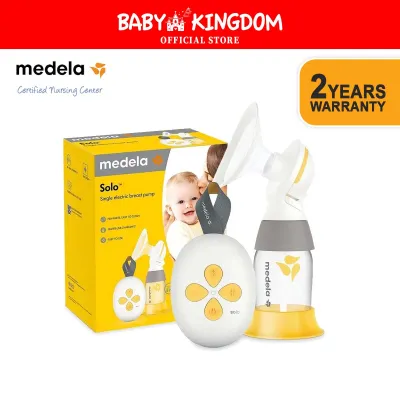
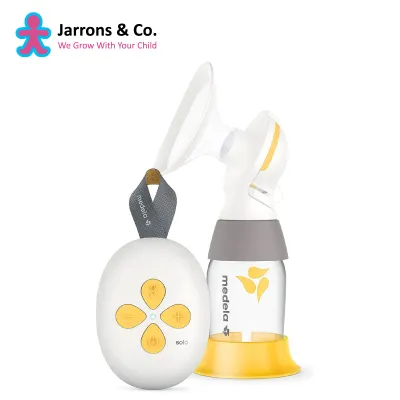
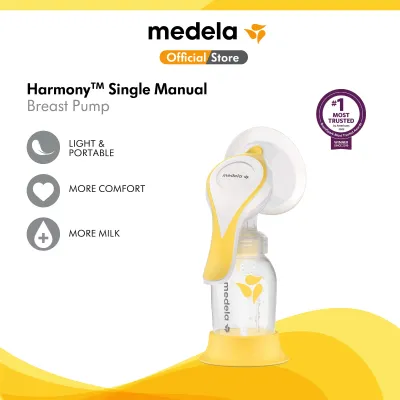
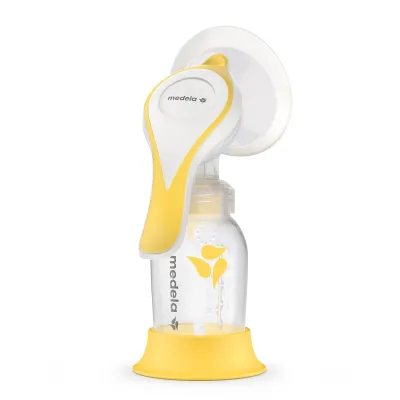
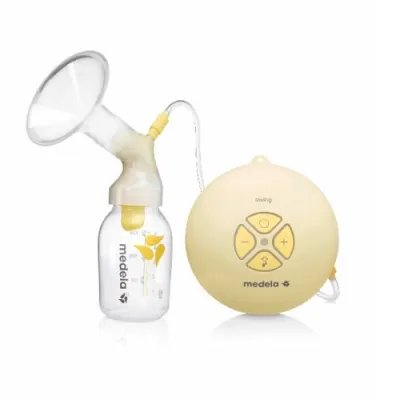
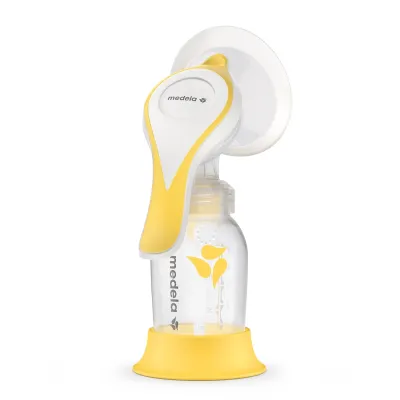
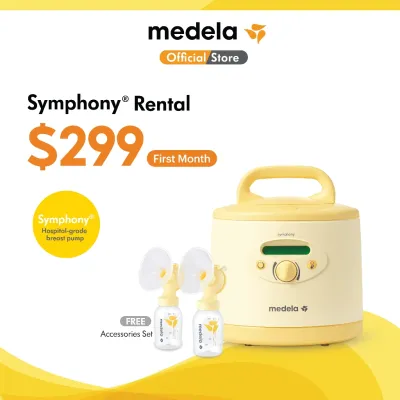
Prices are valid at publication and may change. Please refer to the product page for the latest price.

Your physical environment also plays a critical role in determining the right pump. If you work at a desk with limited privacy or travel frequently, you must consider how easily you can access a private space and a reliable power outlet. A pump that relies solely on mains power can restrict your movement and cause unnecessary stress if you find yourself in a location without accessible sockets. Conversely, a pump equipped with a long-lasting rechargeable battery allows you to express milk in a wider variety of settings, such as during a commute or in a dedicated office nursing room.
Furthermore, the level of discretion you require is a vital factor. Some mothers prefer the quiet operation and low profile of wearable pumps that slip directly into a standard nursing bra, allowing them to continue working or managing household tasks. Others may prioritize the robust suction and rapid expression of a traditional double electric pump, accepting the presence of external bottles and tubing in exchange for shorter session times. By clearly identifying these personal variables, you can narrow down the extensive range of options to the specific categories that will genuinely support your lifestyle.
Comparing Medela Breast Pump Types for Different Needs
Medela offers several categories of breast pumps, each engineered to address specific user profiles and lifestyle constraints. Understanding the functional differences between these categories is far more valuable than focusing solely on model names, as technology and product lines evolve over time.
For Exclusive Pumping and High Frequency (Double Electric)
For mothers who rely on a breast pump as the primary method of milk expression, double electric pumps are the gold standard. Pumping both breasts simultaneously not only cuts your expression time in half but has also been shown to stimulate additional milk production. This bilateral stimulation triggers a more robust prolactin response, which can help maintain a higher overall milk supply over an extended period.
Premium double electric models are built with durable, high-performance motors designed to handle the wear and tear of six to eight sessions per day. Hospital-grade rental pumps, which feature multi-user compatibility and advanced programming, are often recommended for the initial weeks postpartum if you are working to establish a supply or navigating feeding challenges. For home use, retail double electric models provide a similar level of consistent power in a more compact package. When evaluating these high-frequency options, always verify the manufacturer’s current specifications regarding motor lifespan, maximum vacuum strength, and the availability of replacement parts. It is also wise to check which accessories, such as carrying bags or cooler sets, are included in the box, as these add significant practical value to a heavy-duty pumping routine.
For Returning to Work and On-the-Go (Compact and Wearable)
The transition back to the workplace or an active lifestyle requires a pump that emphasizes portability, rapid setup, and discretion. Compact double electric pumps strike an excellent balance between motor power and physical size, often featuring lightweight designs that can be clipped to a waistband or slipped into a pocket. These models typically utilize rechargeable lithium-ion batteries, freeing you from the constraints of wall outlets.
For ultimate mobility, wearable, tube-free breast pumps have become increasingly popular. These models integrate the motor, battery, and collection cup into a single unit that fits entirely inside your bra. This design eliminates dangling tubes and external bottles, allowing you to pump discreetly at your office desk, while driving, or while caring for your baby. However, when choosing a wearable option, you must carefully evaluate the trade-offs. Wearable pumps may have slightly lower maximum suction limits compared to traditional double electric models, and their collection cups often have a fixed capacity. You should check the current specifications for milk capacity, charging times, and whether the pump offers smart app connectivity to track your sessions. Noise level is another critical consideration; look for models that specify quiet motor operation if you plan to pump during professional meetings or in shared spaces.
For Occasional Use and Backup (Single Electric and Manual)
If your primary feeding method is direct breastfeeding and you only need to pump occasionally, investing in a complex, expensive double electric system may not be necessary. Single electric and manual pumps are highly affordable, lightweight, and exceptionally simple to operate, making them excellent choices for occasional use or as a travel backup.
A single electric pump allows you to express milk from one breast at a time, which is ideal if you want to pump one side while your baby nurses on the other, or if you need to relieve engorgement quickly. Manual pumps, which rely entirely on hand-activated levers to create suction, require no electricity or batteries whatsoever. This makes them completely silent and highly portable, easily fitting into a small handbag. The primary trade-off is the physical effort and time required; manual pumping can be tiring for your hand and takes longer to express a full volume of milk. When selecting a manual model, verify that the handle is ergonomically designed to minimize hand fatigue, and check that the suction mechanism allows for comfortable, controlled releases.
Key Features to Compare Across Medela Models
When comparing specific Medela models, focusing on core functional features will help you identify the pump that offers the best performance, safety, and comfort for your body.
First, evaluate the suction technology. Medela is well-known for its 2-Phase Expression technology, which is designed to mimic a baby’s natural nursing rhythm. The pump begins with a rapid, shallow stimulation phase to initiate milk let-down, then transitions to a slower, deeper expression phase to maximize milk flow. Ensure that any model you consider offers easy adjustment of vacuum levels within both phases, allowing you to find a setting that is comfortable yet effective.
Second, prioritize hygiene by checking whether the pump utilizes a closed-system or open-system design. A closed system features a physical barrier (such as a silicone membrane) that prevents milk and moisture from entering the tubing or the pump motor. This design is highly recommended as it prevents mold growth inside the motor housing and makes cleaning significantly easier.
Third, examine the power source. If you choose an electric model, verify whether it uses a built-in rechargeable battery, standard AA batteries, or requires a direct connection to a wall outlet. Rechargeable models should specify their average battery life per charge, typically expressed in the number of pumping sessions or total minutes of operation.
Fourth, pay close attention to flange sizing and design. The flange is the funnel-shaped piece that contacts your breast. A poorly fitting flange can cause friction, pain, and severely restrict milk output. Medela offers various flange sizes, and many of their modern models feature flexible rims and oval shapes designed to adapt to different breast contours. Always measure your nipple diameter to select the correct size, and verify that alternative sizes are readily available for purchase.
Finally, while smart features like Bluetooth connectivity, digital touchscreens, and integration with tracking apps offer convenience, they should be viewed as secondary to core suction performance and hygiene. Always check the product label to ensure all milk-contacting parts are made from BPA-free materials, and review the manufacturer’s warranty terms, noting that warranties on pump motors are typically non-transferable and limited to a specific time frame.
Practical Considerations for Buyers in Singapore
For parents residing in Singapore, navigating the local market requires attention to safety standards, electrical compatibility, and after-sales support. To guarantee that you are purchasing an authentic product with a valid warranty, it is highly recommended to buy your breast pump through authorized local distributors, established pharmacies, official brand stores, or reputable online marketplaces. Purchasing from unauthorized parallel importers may offer a lower upfront cost, but it often leaves you without recourse if the device malfunctions.
Electrical compatibility is a critical safety and performance consideration. Singapore operates on a 230V utility voltage at 50Hz, utilizing Type G (three-pin) electrical plugs. If you import a breast pump from a region with different electrical standards, such as the United States (which uses 120V), you risk damaging the sensitive motor or charging adapter. Even when using a travel adapter, mismatched voltage can lead to inconsistent suction power, overheating, or permanent electrical failure. Furthermore, using an imported device in Singapore will almost certainly void the manufacturer’s warranty.
Having access to a local service center in Singapore is invaluable. Breast pumps are mechanical devices with motors that can experience wear over time. If your pump requires servicing, a local distributor can provide quick diagnostic checks, repairs, or temporary replacement units. Additionally, local availability of consumable spare parts—such as valves, membranes, tubing, and connectors—is essential. These parts must be replaced periodically to maintain optimal suction and hygiene. Being able to purchase these components locally ensures your pumping routine is never interrupted.
How to Make Your Final Decision
To make your final decision, apply a structured, condition-based framework that matches your primary lifestyle need to the most suitable pump configuration.
- Choose a wearable or compact double electric pump if your primary goal is to return to a busy workplace, commute daily on public transport, or manage household tasks while pumping. Verify that the model offers a rechargeable battery with sufficient runtime for your workday.
- Choose a premium, heavy-duty double electric pump if you are exclusively pumping or need to establish a robust milk supply from home. Prioritize models known for consistent motor strength and closed-system hygiene.
- Choose a manual or single electric pump if you primarily breastfeed directly and only require a portable tool for occasional travel, relief from engorgement, or building a small backup supply.
Before completing your purchase, always measure your nipple size to ensure you select the correct flange, as using the wrong size can lead to pain and reduced milk yield. If you experience persistent discomfort, low milk output, or are unsure about your pumping setup, consult a certified lactation consultant for personalized guidance. Always verify the latest specifications, included accessories, and warranty terms on the official manufacturer’s website or with an authorized local retailer.
Frequently Asked Questions (FAQ)
Can I use my Medela breast pump for multiple children?
Whether you can safely reuse a breast pump for a second child or pass it on to another mother depends entirely on the pump’s design. If the model features an open-system design, there is no physical barrier to prevent microscopic milk droplets or condensation from entering the motor housing. Over time, this moisture can lead to mold and bacterial growth inside the motor, which cannot be cleaned or sterilized, posing a hygiene risk. For closed-system pumps, the risk of contamination is significantly lower because of the physical barrier. However, if you plan to reuse a closed-system pump for a subsequent pregnancy, you must replace all consumable parts—including the tubing, valves, membranes, and flanges—to ensure hygiene and restore optimal suction. Additionally, check the manufacturer’s guidelines regarding the expected lifespan of the motor, as a worn-out motor may no longer deliver the necessary suction strength to express milk effectively.
How do I know which flange size is right for me?
Finding the correct flange size is essential for both your physical comfort and the efficiency of milk expression. The default flange size included in most breast pump boxes (typically 24mm) is a standard starting point, but it may not fit your specific anatomy. Your nipple size and elasticity can change throughout your breastfeeding journey, meaning you may need different sizes at different stages. To determine your correct size, measure the diameter of your nipple at the base (excluding the areola) using a ruler or a printable sizing tool, preferably before a pumping session. A properly fitting flange will allow your nipple to move freely in and out of the tunnel without rubbing against the sides, while drawing in very little of the surrounding areola. If you experience pain, friction, localized swelling, or notice that your breasts do not feel empty after pumping, you may be using the wrong size. Avoid forcing a poorly fitting flange, as this can cause tissue damage and decrease your milk output; instead, consult a lactation consultant for a professional fitting.

Community discussion
Share your experience or ask a question. Comments are reviewed before publication.