
Selecting the right foods for your baby during their first years is a foundational step in their physical development and relationship with food. Kiddylicious offers a structured range of baby snacks tailored to three distinct developmental stages: early weaning (around 6 months) with smooth, fast-dissolving textures; crawling and early chewing (8 to 10 months) with finger foods like puffs and melts; and toddlerhood (12 months and up) with structurally complex options like fruit bars and biscuits. By matching these products to your child’s physical milestones rather than relying solely on age numbers, you can support their motor skills while ensuring safety.
In Singapore’s warm, humid climate, food safety and proper snack storage are particularly important. Understanding how to evaluate different textures, read packaging labels, and identify developmental readiness signs allows you to make informed decisions at the supermarket. This guide outlines how to navigate the Kiddylicious product range safely and effectively for each stage of your baby’s growth.
Why Developmental Stages Matter for Baby Snacks
Introducing solid foods is not merely about delivering calories; it is a complex sensory and motor learning process. During the first year of life, a baby’s oral motor skills undergo rapid transformation. They transition from a primitive sucking reflex to a mature chewing pattern that involves lateral tongue movements, jaw stability, and coordinated swallowing. Offering textures that do not align with your baby’s current physical capabilities can lead to feeding aversion, poor oral muscle development, or severe choking risks.
Products mentioned in this guide
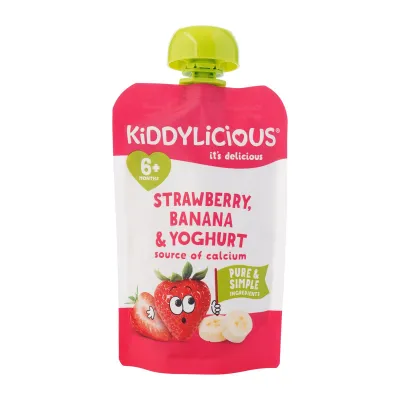
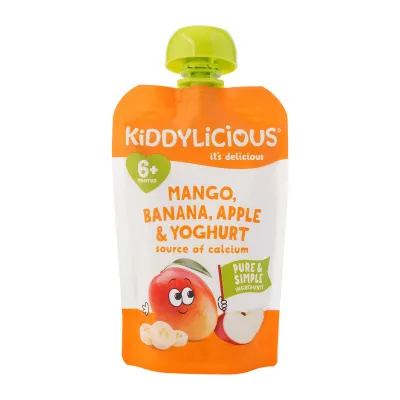
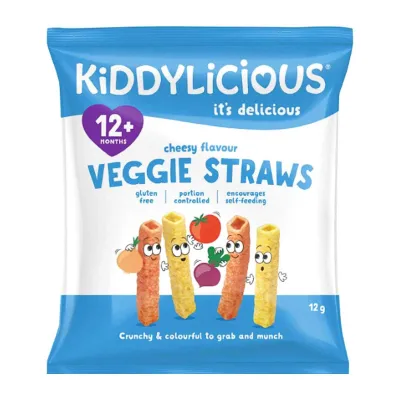
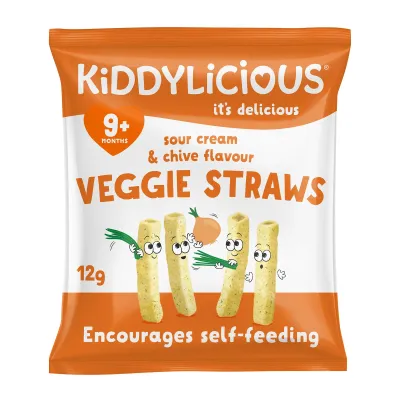

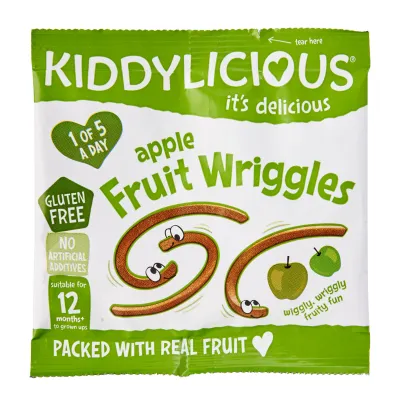
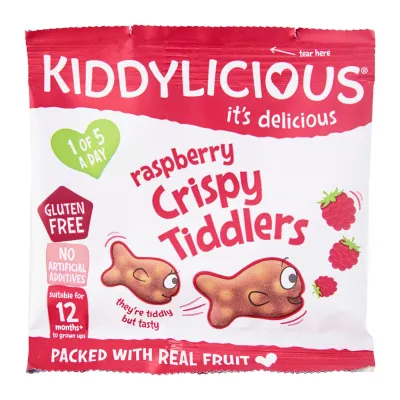
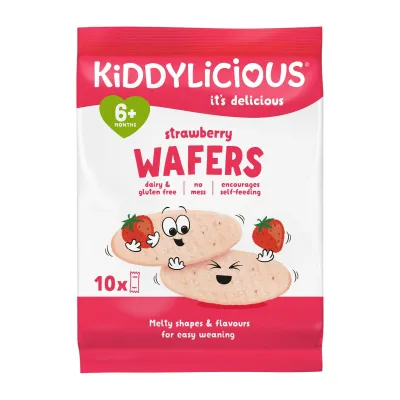
Prices are valid at publication and may change. Please refer to the product page for the latest price.
Baby food textures generally progress in a structured sequence designed to match physical development. The journey begins with smooth, completely lump-free purees that require minimal oral processing. As the baby develops jaw stability, they move on to easily dissolvable solids, such as melts and thin wafers, which collapse quickly when mixed with saliva. Once the baby can actively bite and chew, they can transition to soft finger foods and eventually to chewier, denser solids that require advanced grinding motions.
Chronological age is a useful reference point, but developmental readiness is the true indicator of when a baby is prepared for new food textures. Every child develops at their own pace. Before introducing any solid snacks, verify that your baby displays key signs of readiness, such as sitting upright unassisted, maintaining steady head control, showing active interest in food during family meals, and losing the tongue-thrust reflex (which automatically pushes solid objects out of the mouth).
Safety must remain your primary priority during this transition. Always supervise babies and toddlers actively during all feeding and snack times, ensuring they are sitting completely upright. If your baby displays persistent swallowing difficulties, frequent choking, or signs of developmental delays in their feeding motor skills, consult a pediatrician or a qualified healthcare professional before introducing new textures.
Early Weaning (Around 6 Months): Smooth Textures and First Tastes
At approximately six months of age, breast milk or formula remains the primary source of nutrition for your baby. Solid foods introduced during this early weaning phase are intended for sensory exploration, motor practice, and gradual exposure to new flavors. At this stage, a baby’s digestive system and oral motor skills require foods that are smooth, entirely lump-free, and exceptionally easy to swallow without requiring chewing.

For babies starting their solid food journey, Kiddylicious provides products designed to dissolve rapidly or flow smoothly. Examples of suitable categories include smooth fruit puree pouches and thin, fast-dissolving rice wafers. These wafers are designed to soften instantly upon contact with salivary amylase, allowing babies to practice holding food and bringing it to their mouths without the risk associated with hard, brittle biscuits.
Before offering any snack to your baby, strictly verify the “6 months+” or equivalent manufacturer age recommendation printed on the specific product packaging. Packaging designs and product lines can vary, so checking the back-of-pack label is essential to confirm that the texture has been formulated specifically for early weaning.
When introducing these first snacks, prioritize single-ingredient fruit or vegetable flavors. Offering one new flavor at a time for several days allows you to monitor your baby closely for potential allergic reactions or digestive sensitivities. This systematic approach makes it much easier to identify the specific source if an adverse reaction occurs.
It is normal for babies to occasionally gag slightly as they learn to manage new textures in their mouths; this is a natural protective reflex. However, if your baby gags persistently, consistently refuses the texture, or displays any signs of an allergic reaction—such as a sudden skin rash, facial swelling, vomiting, or breathing difficulties—stop feeding the product immediately and seek professional medical advice.
Crawling and Pincer Grasp (8 to 10 Months): Finger Foods and Melts
Between 8 and 10 months of age, many babies begin crawling, sitting robustly without support, and developing the pincer grasp—the ability to pick up small objects precisely between the thumb and index finger. This period is also characterized by the emergence of primary teeth and a strong desire to explore objects using the mouth. At this stage, babies need snacks that allow them to practice biting, chewing, and self-feeding.
Appropriate snacks for this stage include Kiddylicious baby puffs, veggie straws, and fruit melts. These finger foods are specifically engineered to have a porous, aerated structure. When a baby picks up a puff or a melt, the food holds its shape long enough to be placed in the mouth, but collapses and dissolves quickly under gentle pressure from the tongue and gums, minimizing the risk of choking.
Offering these specific textures provides valuable opportunities for your baby to refine their fine motor skills and hand-eye coordination. Grasping small, individual puffs and guiding them to the mouth helps strengthen the hand muscles and reinforces self-regulation, as the baby learns to feed themselves at their own pace.
Because formulations, physical dimensions, and structural densities vary across different product lines, parents must cross-check the exact age grading on each individual product label. A snack that looks similar to a melt might have a denser formulation intended for older toddlers, making it unsafe for an 8-month-old.
Active adult supervision is mandatory during every snack session, regardless of how quickly the food claims to dissolve. Do not offer hard, round, or non-dissolvable foods—such as whole grapes, hard nuts, raw carrot discs, or standard adult crackers—as these present severe choking hazards and are not designed for a baby’s developing airway.
Toddler Years (12 Months and Up): Chewy Snacks and Balanced Nutrition
By 12 months of age, toddlers are typically highly active, walking or cruising, and experiencing rapid physical growth. Their nutritional demands increase to support this high energy output. At the same time, their oral motor skills have matured significantly; they now possess more teeth and a stronger jaw, enabling them to manage chewier, denser, and structurally complex foods.
For this active stage, Kiddylicious offers snacks tailored to older babies and toddlers, such as fruit bakes, oat bars, and animal-shaped biscuits. These products feature more complex flavor profiles and textures that require active jaw movement and grinding. This chewing action helps strengthen the temporomandibular joint and the muscles required for clear speech development.
While convenient, commercial toddler snacks should be used mindfully within a balanced daily diet. Ensure that snacks serve to bridge the hunger gap between main meals rather than replacing nutrient-dense whole foods. Grazing continuously on sweet or savory snacks throughout the day can suppress a toddler’s appetite for essential family-style meals.
As your toddler transitions to eating family meals, use toddler-specific commercial snacks primarily as convenient, on-the-go options during outings, travel, or busy days in Singapore’s humid climate, where fresh cut fruits can spoil quickly if not kept cold. At home, continue to prioritize fresh, whole ingredients like sliced soft fruits, steamed vegetables, and simple home-prepared foods.
Always monitor portion sizes to ensure snacks do not interfere with your child’s primary nutritional intake. If you have concerns regarding your toddler’s weight gain, selective eating habits, or overall nutrient intake, consult a pediatric dietitian or a pediatrician for personalized professional guidance.
A Parent’s Guide to Reading Kiddylicious Packaging and Labels
Navigating the baby food aisle requires a systematic approach to reading product labels. Marketing claims on the front of packaging can sometimes be generalized, making it essential to analyze the detailed technical information on the back of the pack to verify safety and nutritional suitability.
- Age and Texture Verification: Locate the manufacturer's official age rating and texture description, typically situated near the ingredient list or nutritional panel. This rating is based on rigorous safety testing regarding how the food behaves in a child's mouth. Do not rely on front-of-pack illustrations or product names to guess suitability.
- Ingredient and Allergen Check: Carefully scan the ingredient list for common allergens, including dairy, soy, gluten, eggs, and nuts. Check the precautionary allergen warnings (such as "may contain" or "manufactured in a facility that handles…") to manage risks if your child has known food sensitivities.
- Nutritional Profile Evaluation: Examine the nutrition information panel. Check for added sugars, sodium levels, and artificial additives. For younger infants, prioritize products with no added sugar or salt. Be aware that fruit juice concentrates are often used to sweeten baby snacks; while naturally derived, these still contribute to free sugar intake.
- Storage and Expiry: Verify the best-before date before purchase. Because Singapore experiences high relative humidity, opened snack packages can absorb moisture rapidly, causing them to lose their crispness, fail to dissolve properly, or spoil. Follow post-opening storage instructions strictly, such as consuming purees within 24 hours of opening and keeping them refrigerated, or storing dry snacks in airtight containers.
If you find that a product’s packaging is punctured, bloated, or damaged, if the label is unreadable, or if the stated age range conflicts with your baby’s current developmental stage, do not offer the product to your child. Always prioritize safety and visual inspection over convenience.
Frequently Asked Questions (FAQ)
Can I give Kiddylicious wafers to a baby younger than 6 months?
Solid foods, including fast-dissolving rice wafers, should not be introduced to babies younger than 6 months. Before this age, an infant’s digestive system and oral motor skills are generally not mature enough to process anything other than breast milk or infant formula. Introducing solids too early increases the risk of choking and digestive distress. Always follow the specific product’s minimum age label and consult your pediatrician or healthcare provider before starting the weaning process.
Are all Kiddylicious products free from common allergens?
Not all Kiddylicious products are free from common allergens. While the brand offers many options formulated without gluten, dairy, or nuts, recipes and manufacturing environments vary by product and region. Formulations can also change over time. You must read the specific ingredient list and allergen warning on every individual package before serving it to your baby, especially if your child has a diagnosed food allergy or sensitivity.
How many Kiddylicious snacks should my baby eat in a day?
There is no single, fixed number of snacks that applies to every baby, as nutritional requirements depend on your child’s age, appetite, growth rate, and overall milk and meal intake. Snacks should be used to complement main meals and milk feeds rather than replace them. For infants under 12 months, one small snack session per day is generally sufficient for sensory practice. For toddlers over a year old, one to two small, structured snacks daily can help maintain energy levels between meals. Consult your pediatrician or a pediatric dietitian for personalized feeding advice.
Community discussion
Share your experience or ask a question. Comments are reviewed before publication.