
Selecting the right breast pump is one of the most personal decisions you will make during your breastfeeding journey. Dr. Isla offers a range of affordable, user-friendly breast pumps designed to accommodate different lifestyles, from hands-free wearable models to traditional double electric setups. To find the model that aligns with your daily routine, you need to evaluate your pumping frequency, your workspace environment, and your comfort preferences. This guide will help you navigate the key features of Dr. Isla breast pumps, matching their design types to your specific lifestyle demands so you can express milk comfortably and efficiently.
Understanding Your Breastfeeding Needs and Pumping Goals
Before comparing specific models, take a moment to define your primary pumping goals. Are you planning to pump exclusively, or will you mostly direct-latch and pump occasionally to build a freezer stash? An exclusive pumping journey requires a heavy-duty motor capable of handling multiple sessions a day without losing suction power. On the other hand, if you are only pumping to relieve engorgement or to let a partner handle an occasional night feeding, a simpler, highly portable option may be more than sufficient.
Your daily environment also plays a massive role in your decision. If you are returning to a busy office environment in Singapore, where private pumping rooms might be limited or shared, discretion and portability become your top priorities. You will want a pump that operates quietly and fits seamlessly inside your clothing. Conversely, if you work primarily from home or have a dedicated private space, a traditional double electric pump with external tubing might offer the robust performance you need, even if it requires you to sit near a power outlet or carry a slightly larger motor unit.
Products mentioned in this guide
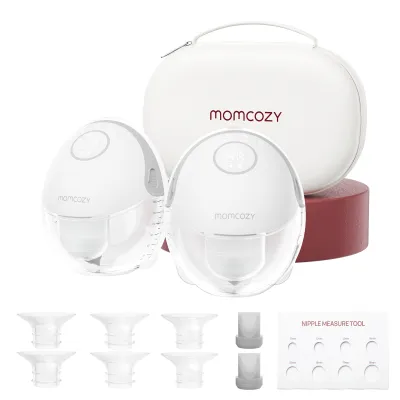
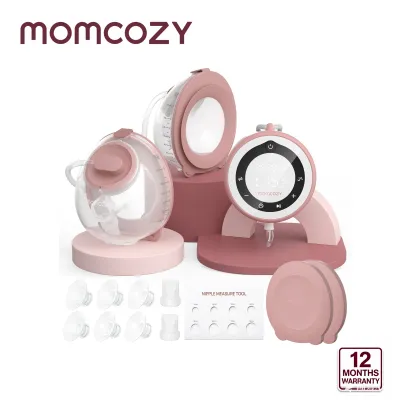
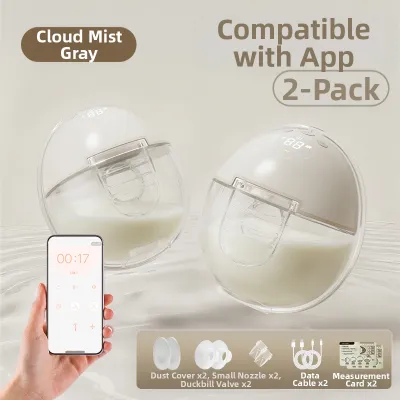
Prices are valid at publication and may change. Please refer to the product page for the latest price.
Finally, consider your physical comfort and milk expression patterns. Every mother’s body responds differently to suction patterns and flange materials. Some parents require highly customizable suction levels to trigger a let-down reflex, while others prioritize soft, flexible silicone flanges that mimic a baby’s natural latch. Identifying these personal physical preferences early on will prevent discomfort and help you choose a pump that supports your body’s natural lactation process.
Key Features to Compare Across Dr. Isla Models
When evaluating the Dr. Isla product lineup, several core technical features deserve your attention. Understanding these specifications will help you look past the marketing terms and focus on how the machine will actually perform during a busy day.

First, examine the expression modes and suction levels. Most modern electric pumps offer at least two distinct phases: a stimulation (or massage) mode and an expression mode. The stimulation mode uses fast, shallow cycles to mimic a hungry baby’s initial sucks, which helps stimulate your milk ejection reflex. Once your milk begins to flow, the pump should allow you to switch to expression mode, which features slower, deeper draws. Look for models that offer multiple adjustable suction levels within each mode, allowing you to fine-tune the intensity to your comfort level. Remember that stronger suction does not automatically equal more milk; pain can actually inhibit your let-down, so comfort is paramount.
Second, consider the power source and battery life. If you choose an electric or wearable model, verify the battery capacity and charging mechanism. Many Dr. Isla models utilize convenient USB charging ports, making them easy to power up via a laptop, car charger, or portable power bank. If you commute frequently, check the manufacturer’s estimated battery runtime per full charge. Ideally, a portable pump should last through at least three to four full 20-minute sessions before needing a recharge, ensuring you are not stranded without power during the workday.
Third, prioritize a closed-system design. A closed system features a physical barrier—usually a silicone diaphragm—that prevents expressed breast milk and moisture from entering the tubing or the motor unit. This is a critical hygiene feature. Open systems can allow moisture to accumulate in hard-to-reach areas, creating a breeding ground for mold and bacteria that could contaminate your milk or damage the motor. Always verify that the model you select is explicitly labeled as a closed system to protect your baby’s health and extend the lifespan of your device.
Lastly, look at the flange options and material safety. The flange is the funnel-shaped shield that contacts your breast. Many budget-friendly pumps come with standard plastic flanges, but some models feature soft silicone inserts or full silicone shields that conform more comfortably to the breast. Ensure that all parts coming into direct contact with your milk are verified as BPA-free and food-grade.
Matching Dr. Isla Pump Types to Your Lifestyle
Different lifestyles demand different pumping configurations. Dr. Isla categorizes its pumps into distinct design types, each optimized for specific daily routines and milk expression goals.
Exclusive Pumping or High-Volume Needs
If you are exclusively pumping or need to maintain a high milk volume for twins or medical reasons, you require a workhorse. For these demanding routines, traditional double electric breast pumps are generally the most reliable choice. These models feature a central motor unit connected to two collection bottles via silicone tubing.
Double electric setups typically offer more robust motor performance and more consistent suction compared to ultra-compact wearable units. Pumping both breasts simultaneously also stimulates higher prolactin levels, which can help establish and maintain your milk supply over the long term. When choosing a double electric model for high-volume needs, look for a unit with a stable base, intuitive digital controls, and a clear timer display so you can easily track your sessions.
Returning to Work or On-the-Go Pumping
For mothers returning to a professional workspace or managing a busy active lifestyle, wearable, hands-free breast pumps are a game-changer. These self-contained units fit entirely inside your standard nursing bra, eliminating external tubes, wires, and hanging bottles.
With a wearable Dr. Isla pump, you can express milk while typing at your desk, driving, or tending to household chores. When selecting a wearable model, pay close attention to the profile of the pump motor; a slimmer, more ergonomic design will look more natural under your clothing. You should also verify the noise level specified by the manufacturer. A quiet motor operating below 50 decibels is essential for maintaining discretion during office hours or virtual meetings. Keep in mind that wearable pumps may have slightly smaller milk collection cups, so verify that the capacity matches your typical output per session.
Occasional Use or Building a Stash
If you primarily direct-breastfeed and only need to pump occasionally—such as when running errands or building a modest freezer stash—you may not need to invest in a complex electric system. A manual breast pump or a single electric model can be highly effective and economical.
Manual pumps are completely silent, require no electricity or batteries, and put you in complete control of the suction speed and strength via a hand lever. They are incredibly lightweight and easy to toss into a diaper bag for emergency relief. Alternatively, a single electric pump offers a middle ground, providing automated suction for one breast at a time at a lower price point than double electric systems.
What to Verify Before You Buy
Before finalizing your purchase of any Dr. Isla breast pump, there are several critical practical factors you must verify to ensure a safe, comfortable, and successful pumping experience.
First and foremost, verify your flange size. Using an incorrectly sized flange is the leading cause of nipple pain, tissue damage, and low milk output during pumping. To find your size, measure the diameter of the base of your nipple (excluding the areola) in millimeters, preferably after a feeding or pumping session when the nipple is fully stimulated. Add 2 to 3 millimeters to this measurement to determine your ideal flange size. If the standard flange included in the box is too large or too small, check if Dr. Isla offers compatible sizing inserts or alternative shields.
Second, check the availability and cost of replacement parts. Breast pump components—particularly silicone valves, diaphragms, and tubing—are subject to wear and tear. Over time, these flexible parts stretch and lose their elasticity, which directly reduces the pump’s suction power. You will need to replace these consumable parts every one to three months depending on how frequently you pump. Before buying a specific model, ensure that replacement parts are readily available on local e-commerce platforms or through authorized distributors in Singapore so you are not left with an unusable pump during a critical moment.
Third, review the cleaning and sterilization guidelines in the manufacturer’s instruction manual. Some pump parts are dishwasher-safe, while others must be washed by hand in warm, soapy water and air-dried. If you plan to use a UV sterilizer or a steam sterilizer, verify that the plastic and silicone components of your chosen model can withstand those specific temperatures and sterilization methods without warping or degrading.
Finally, remember that while a breast pump is an invaluable tool, it should never cause severe pain. If you experience persistent discomfort, skin chafing, or a sudden drop in milk supply, stop using the device and consult a certified lactation consultant (IBCLC) or a healthcare professional. They can help evaluate your pump setup, verify your flange fit, and provide personalized guidance to support your breastfeeding journey.
Frequently Asked Questions (FAQ)
How do I determine the correct flange size for my breast pump?
To find the correct flange size, measure the diameter of your nipple at its base in millimeters using a ruler or a printable sizing tool. Do this measurement when your nipple is stimulated. Your ideal flange size is typically 2 to 3 millimeters larger than your nipple measurement. During a pumping session, your nipple should move freely in and out of the tunnel without rubbing against the sides, and only a minimal amount of your areola should be drawn into the tunnel. If you experience pain, rubbing, or see your skin turning red, you likely need to adjust your flange size.
Are breast pumps eligible for health savings or insurance claims?
In Singapore, standard outpatient breast pumps are generally not covered by national healthcare savings schemes like MediSave. However, coverage varies widely among private health insurance policies and corporate wellness benefits. Some corporate insurance plans or employee wellness programs offer reimbursement for maternity-related equipment, including breast pumps and lactation consultations. Before purchasing, contact your human resources department or your private insurance provider to verify if you can submit your receipt for reimbursement under your specific plan.
Can I use third-party replacement parts with my breast pump?
While some third-party manufacturers produce silicone valves, membranes, and tubing that claim to be compatible with multiple brands, it is always safest to use official Dr. Isla replacement parts. Third-party components may not fit perfectly, which can cause air leaks, reduce suction efficiency, or even allow moisture to bypass the closed-system barrier and damage the motor. Using non-original parts may also void your manufacturer’s warranty. Always check the product manual to verify the exact part numbers required for your specific model.

Community discussion
Share your experience or ask a question. Comments are reviewed before publication.