
When searching for the diaper bag brand that offers the most storage space, the answer depends heavily on whether you prioritize raw physical volume or structured organization. There is no single universal brand that wins for every parenting scenario, as manufacturers design their bags for different styles of use. Brands that specialize in travel-focused and adventure-style backpacks typically offer the highest raw volume, often ranging from 20 to over 30 liters of open space. Conversely, brands that focus on structured daily totes and convertible bags prioritize highly compartmentalized layouts, making them feel more spacious by keeping smaller items neatly arranged and easily accessible.
For parents in Singapore who need to pack for long days out—especially when navigating humid outdoor parks or transitioning between air-conditioned shopping malls—the ideal choice depends on your specific packing style. If you carry bulky items like multiple changes of clothing, formula dispensers, and comfort toys, a high-capacity backpack brand is generally the most efficient option. If your daily routine involves carrying numerous small essentials, such as sanitising wipes, pacifiers, snacks, and diaper creams, a structured tote brand with dedicated internal pockets will prevent clutter and maximize your usable diaper storage.
Core Comparison Dimensions for Diaper Bag Storage
Evaluating diaper storage requires looking beyond the exterior dimensions of a bag. To determine which brand offers the most functional space for your daily routine, you must analyze how the internal volume is distributed and how easily you can access your baby gear when under pressure.
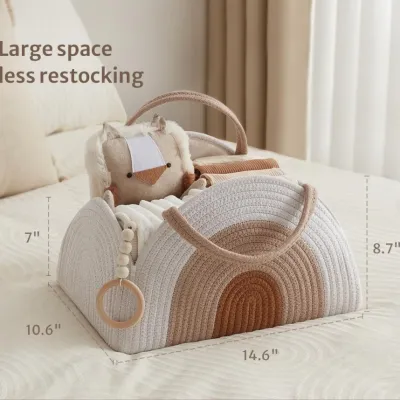
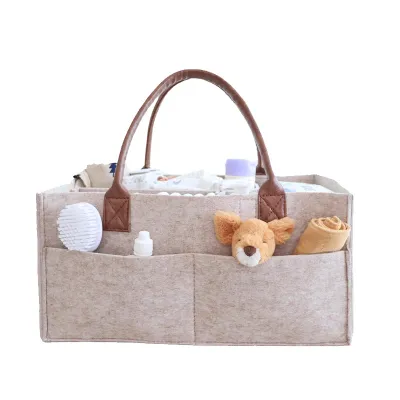
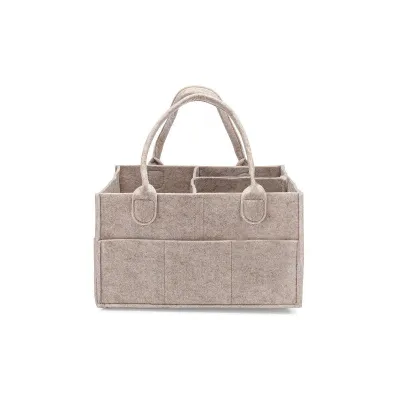
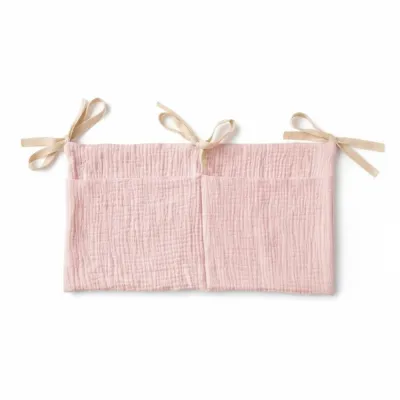
Products mentioned in this guide
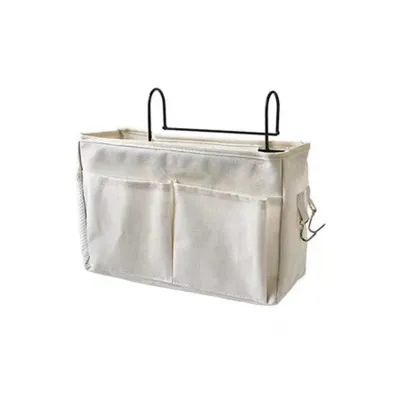
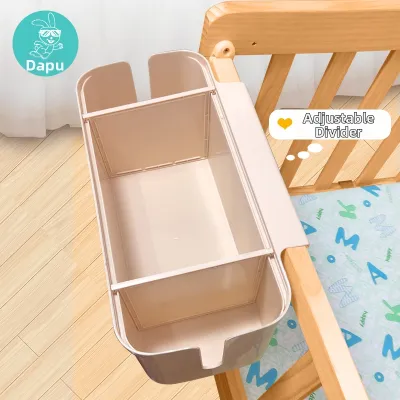
![[SG] Baby Cot Hanging Organizer Storage Bag/ Baby Diaper Storage Bag/ Baby Crib Organizer/ Wall Nursery Organizer](https://img.lazcdn.com/g/p/2bbe000979853ccdc123797161e6b0e6.jpg_400x400q80.jpg_.webp)
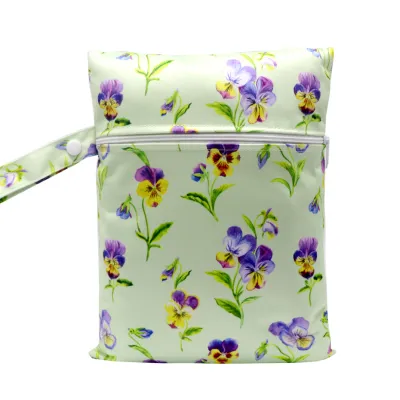
Prices are valid at publication and may change. Please refer to the product page for the latest price.
Raw Volume vs. Usable Space
A common mistake when comparing diaper bag brands is equating advertised liter capacity directly with usable space. Raw volume, typically measured in liters, represents the total liquid volume a bag can hold, but it does not account for the shape and stiffness of the bag’s frame. A bag with a rigid, narrow frame may have a high external volume measurement but offer limited flexibility when you try to pack bulky items like a portable formula maker or a thick changing mat. Flexible, soft-sided materials allow the bag to expand slightly to accommodate awkward shapes, whereas structured, hard-sided bags maintain their shape but limit you to a strict packing boundary.
Compartmentalization and Organization
The efficiency of your diaper storage is directly tied to how well a brand designs its internal and external pockets. A single, massive compartment without dividers often becomes a chaotic void where small items sink to the bottom, forcing you to empty the entire bag to find a single pacifier. Look for brands that offer a balanced mix of specialized compartments:
- Insulated Bottle Pockets: These maintain the temperature of milk or warm water and should be deep enough to fit wide-neck bottles without stretching the fabric.
- Dedicated Wipe Dispensers: Quick-access side pockets that allow you to pull out baby wipes without opening the main compartment are incredibly convenient during sudden diaper emergencies.
- Waterproof or Wet/Dry Compartments: Essential for separating soiled clothes or damp bibs from clean items, particularly in warm climates where damp items can quickly develop odors.
- Tech and Parent Sleeves: Dedicated compartments for your keys, wallet, phone, and tablet keep your personal items safe and separate from baby essentials, eliminating the need to carry a separate handbag.
Accessibility and Opening Style
How a bag opens determines how much of its internal storage is actually functional. A bag with a narrow top zipper limits your visibility, making it difficult to locate items packed at the very bottom.
- Clamshell Openings: These unzip fully to lay flat, similar to a suitcase, allowing you to see and access every item instantly. This style is highly efficient for maximizing space because you can pack items in neat layers.
- Doctor's Bag or Wide-Frame Openings: These feature a structured wire frame around the zipper that stays propped open automatically, giving you a clear view of the interior while keeping both hands free to rummage.
- Magnetic and Drawstring Closures: These offer rapid, one-handed access but may not secure a heavily overpacked bag as reliably as high-quality zippers.
Empty Weight and Ergonomics
The base weight of a diaper bag before you put a single item inside is a critical factor in its practical carrying capacity. Heavy canvas, thick faux leather, and extensive metal hardware add significant weight that counts against your physical comfort limit. A bag that starts at 1.5 kilograms empty will quickly become exhausting to carry once loaded with water bottles, diapers, and spare clothes. Lightweight nylon, polyester, or high-tech performance fabrics preserve your carrying capacity, allowing you to pack more gear without straining your shoulders or exceeding the weight limits of your stroller hooks.
Evaluating Storage Across Popular Diaper Bag Styles
Different diaper bag styles cater to distinct storage philosophies. Understanding how these styles distribute their capacity helps you align your choice with your typical daily activities and travel habits.

High-Capacity Backpacks
Backpack-style diaper bags are the gold standard for raw volume and hands-free convenience. Brands designing these bags typically target active parents who need to carry substantial gear while keeping their hands free to manage a stroller, carry a baby, or chase a toddler.
Most high-capacity diaper backpacks offer a volume of 20 liters or more, featuring deep main compartments that can easily swallow large items like breast pumps, formula containers, and multiple swaddles. The ergonomic design of a backpack distributes weight evenly across both shoulders, which is a crucial health consideration when carrying heavy loads over long distances. Many of these brands also include padded shoulder straps, chest clips, and breathable back panels to prevent overheating during warm outdoor excursions. The primary trade-off is that very deep backpacks can suffer from the “bottomless pit” effect, requiring you to pack strategically by placing rarely used items at the bottom and daily essentials near the top.
Structured Totes and Convertibles
Structured totes and convertible diaper bags prioritize visual organization, elegant aesthetics, and rapid accessibility over raw, bulky volume. These brands are highly popular among parents who want a bag that transitions seamlessly from a professional work environment to a casual weekend outing.
While structured totes typically offer slightly lower raw liter capacity than large backpacks, their wide-opening designs and rigid frames ensure that every square centimeter of internal space is highly usable. These bags often feature a wealth of perimeter pockets lining the interior walls, keeping items upright and visible. Convertible models add versatility by allowing you to switch between shoulder tote, crossbody bag, and backpack configurations using detachable straps. This modularity is excellent for daily errands, though the hardware required for convertible straps can add slightly to the bag’s empty weight, and the structured shape prevents the bag from being easily squeezed into tight stroller storage baskets.
Travel and Weekender Diaper Bags
Travel and weekender diaper bags are engineered for maximum storage capacity, making them the ultimate choice for overnight trips, long flights, or packing for multiple children. These oversized bags are designed to handle extended periods away from home where running out of supplies is not an option.
Brands specializing in weekender bags maximize raw storage by incorporating expandable main compartments, separate bottom compartments for shoes or dirty laundry, and trolley sleeves that secure the bag to rolling luggage handles. These bags easily accommodate bulky winter wear, large blankets, and multi-day supplies of diapers and formula. However, this massive capacity comes with a clear trade-off: weekender bags are bulky, heavy when fully packed, and highly impractical for quick trips to the local supermarket or a brief visit to a neighborhood playground. They function best as a secondary mobile base station that remains in your car trunk or stroller carriage rather than a bag you carry on your body all day.
Decision Framework: Choosing the Right High-Capacity Brand
Selecting the right brand requires balancing your daily routine, physical comfort, and the specific needs of your child’s developmental stage. Use the following conditional framework to guide your decision:
Choose a high-volume backpack brand if:
- You regularly spend long hours outdoors, navigate public transit with a stroller, or require complete hands-free mobility.
- You are packing diaper storage essentials for twins, triplets, or multiple children of different ages, requiring distinct sets of supplies.
- You prefer an ergonomic carrying experience that minimizes shoulder and lower back strain during extended walks.
Choose a structured tote brand if:
- Your daily outings are relatively short, such as visits to indoor play areas, family cafes, or medical appointments.
- You prefer to see all your packed items at a single glance without having to dig through deep layers of fabric.
- You utilize modular packing systems, such as color-coded packing cubes or individual pouches, to organize your baby gear.
Choose a weekender brand if:
- You travel frequently, take weekend staycations, or need a dedicated, high-capacity hospital bag for delivery day.
- You require a centralized storage hub that can live in your vehicle's boot, serving as a restocking station for smaller daily bags.
- You need to carry specialized, bulky medical or feeding equipment alongside standard baby supplies.
Before finalizing your purchase, always verify:
- Pocket Dimensions: Ensure the insulated bottle pockets are wide and deep enough to accommodate your specific brand of baby bottles.
- Strap Attachment Points: Check that the stroller straps or D-rings are reinforced with heavy-duty stitching, as carrying a fully loaded high-capacity bag on a stroller puts immense tension on these points.
- Empty Weight Specifications: Confirm the empty weight of the bag is comfortable for you to lift, keeping in mind that water, milk, and baby gear will easily add several kilograms to the total weight.
How to Verify Storage Claims Before Buying in Singapore
With numerous international and local diaper bag brands available, verifying storage claims before making a purchase ensures you do not end up with a bag that is either too small or too heavy for your needs.
First, look beyond the marketing photos on official brand websites. Manufacturers often photograph diaper bags stuffed with lightweight tissue paper to make them look perfectly plump and spacious. Instead, search for detailed interior diagrams or video demonstrations that show the bag being packed with actual items like diapers, wipe packs, and baby bottles. Pay close attention to the depth of the pockets; shallow pockets can cause items to spill out when the bag is moved or tilted.
Second, take advantage of physical retail stores and baby boutiques across Singapore. Visiting showrooms in major shopping districts like Orchard Road, Marina Square, or heartland baby specialty stores allows you to interact with the bags directly. Lift the bags to feel their empty weight, test the smoothness of the zippers with one hand (simulating holding a baby with the other), and inspect the stitching inside the pockets. Testing the rigidity of the opening frame in person will give you a realistic understanding of how easy it will be to pack and unpack the bag on a daily basis.
Finally, seek out verified user reviews on online marketplaces and parenting forums, specifically filtering for feedback regarding durability and storage capacity. Look for common search terms such as “diaper storage capacity,” “zipper durability,” and “heavy load comfort.” Pay attention to reviews from parents with children of similar ages to yours, as their packing requirements will closely match your own. If multiple reviewers note that the seams began to pull apart when the bag was packed to capacity, it is a strong indicator that the brand’s structural quality may not support its advertised volume.
Frequently Asked Questions (FAQ)
How many liters should a diaper bag be for twins?
For parents of twins, a diaper bag with a capacity of at least 25 to 30 liters is generally recommended. Carrying supplies for two babies means packing double the diapers, spare outfits, bibs, and feeding bottles, which quickly overwhelms standard 15-to-20-liter bags. Beyond raw volume, look for a bag with distinct, dual-sided compartmentalization so you can separate the items for each baby, preventing confusion during frantic changes.
Does a heavier diaper bag mean it has more storage?
A heavier empty weight does not guarantee more internal storage space. A heavy bag often indicates the use of thick canvas, dense faux leather, heavy metal zippers, or extensive internal wire framing. While these materials can make a bag more durable and structured, they also consume valuable weight capacity. A lighter bag made from high-density nylon or polyester often provides equal or greater usable volume while keeping the overall carrying weight manageable.
Community discussion
Share your experience or ask a question. Comments are reviewed before publication.