
Selecting the right portable play mat is a key decision for parents who enjoy taking their babies outdoors. Whether you are planning a relaxing afternoon on the grass, a sensory play session at the beach, or a quick stop at a neighborhood playground, the surface your baby rests on plays a major role in their comfort and safety. Dfang offers a variety of portable mats designed to handle different terrains, but finding the perfect match requires balancing your baby’s developmental stage with the specific environmental challenges of your destination.
While some mats prioritize thick, shock-absorbing foam to protect crawling infants from hard ground, others focus on lightweight, highly water-resistant materials that are easy to pack onto public transport. By evaluating key specifications such as thickness, weight, and ease of cleaning, you can select a mat that keeps your little one secure while simplifying your outdoor logistics. Caregivers must always supervise infants during use and verify the mat’s suitability based on the baby’s current age, weight, and developmental stage as specified by the manufacturer.
Quick Guide: Matching Dfang Mats to Your Outdoor Plans
Different outdoor settings require different mat characteristics to ensure a successful outing. A thick, highly cushioned mat is ideal for uneven park grass, whereas a lightweight, smooth-surfaced mat is much better suited for sandy beaches where quick cleanup is a priority. Matching the mat’s physical properties to your location prevents common frustrations like moisture seepage, trapped sand, or inadequate impact protection.
Products mentioned in this guide
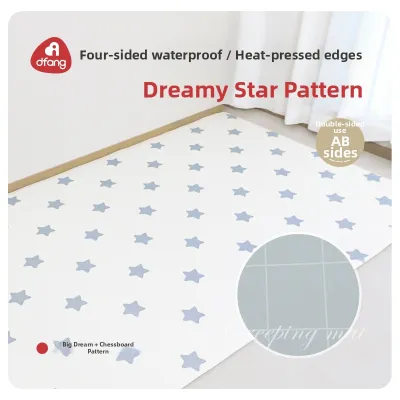
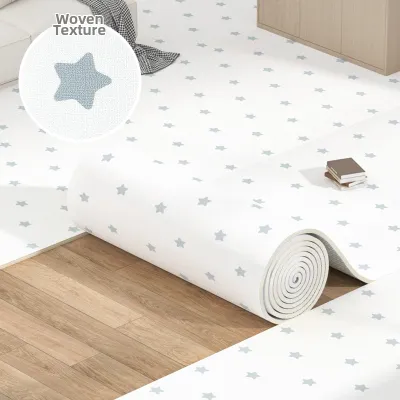
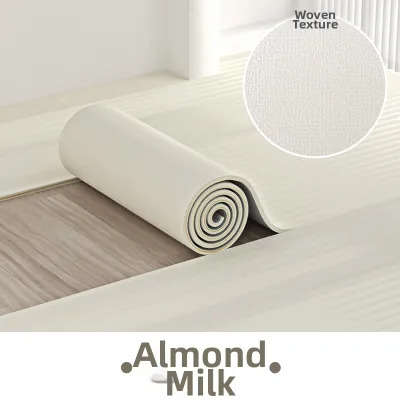
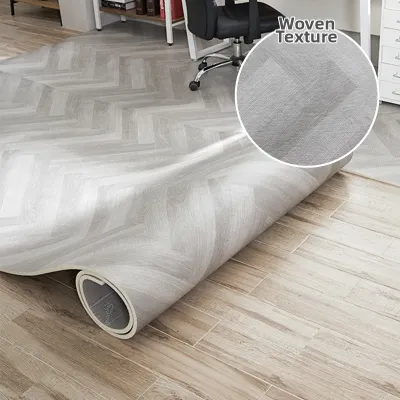
Prices are valid at publication and may change. Please refer to the product page for the latest price.
Your baby’s current mobility stage should also guide your selection. A rolling or crawling baby requires a larger, more cushioned surface to protect their joints and absorb the impact of sudden tumbles. Conversely, an older toddler who is already walking and primarily needs a clean space to sit and eat can use a thinner, more compact mat that takes up minimal space in your gear bag.
| Outdoor Scenario | Recommended Mat Type | Ideal Developmental Stage | Key Transport Considerations |
|---|---|---|---|
| Park Grass | Thicker, foldable foam variants | Rolling, crawling, or early sitting | Best for strollers with large baskets or car transport |
| Sandy Beach | Thin, lightweight, smooth-surface variants | Sitting, crawling, or walking | Easy to fold, shake out, and carry in a standard tote bag |
| Playground & Concrete | High-density foam with non-slip backing | Crawling, pulling up, or standing | Requires secure packing; ideal for short walks or stroller attachment |
Before making a final purchase, parents should always verify the specific product’s unfolded dimensions and total weight against their primary transport method. If you rely heavily on public transport like buses and the MRT, a bulky mat can quickly become a burden. Checking these specifications on official brand stores or authorized distributor listings ensures you choose a model that fits comfortably in your stroller basket or car boot.
Essential Features to Evaluate in Dfang Portable Mats
Thickness and Cushioning
Checking the exact thickness of a portable mat is crucial for matching it to your baby’s physical needs. Crawling babies, typically between 6 and 10 months of age, put significant pressure on their knees and wrists, requiring a thicker foam core to absorb impact on hard or uneven ground. For older toddlers who are already walking, a thinner, lighter surface is often sufficient to act as a clean barrier for sitting and picnicking without adding unnecessary bulk to your load.

Material and Waterproofing
Outdoor environments expose mats to damp soil, spilled milk, and outdoor dirt, making material selection highly important. Parents should check the outer layer’s specifications to ensure it is made of a wipeable, moisture-resistant material such as premium polyurethane (PU) or thermoplastic polyurethane (TPU). A smooth surface texture is generally easier to wipe clean and repels sand and water much more effectively than deeply textured finishes.
Portability and Folding Mechanism
Carrying baby gear while managing a stroller requires excellent portability. Evaluate the folded dimensions, the folding style—such as accordion-style folds versus roll-up designs—and whether the mat includes an integrated carry handle, built-in travel straps, or a dedicated storage bag. These features are essential for keeping your hands free while navigating busy public areas or packing the car boot.
Safety and Certifications
Before purchasing, physically check the product packaging or official online specifications for non-toxic material labels, such as BPA-free, phthalate-free, and PVC-free certifications. Because safety standards and chemical formulations can change, parents must verify these details directly from the manufacturer’s current documentation. Always strictly follow the manufacturer’s stated age, weight, and usage recommendations to ensure a safe play environment.
Choosing the Right Dfang Mat for Specific Outdoor Scenarios
Park Picnics and Grass Play
Grassy areas, such as those at the Singapore Botanic Gardens or local neighborhood parks, are wonderful for family picnics, but they present unique challenges. Tropical grass often harbors hidden dampness from morning dew or recent rain, along with uneven soil, twigs, and small stones. For these environments, a thicker, foldable Dfang mat is highly beneficial because the dense foam core insulates your baby from the cool, damp ground and provides necessary cushioning for inevitable tumbles as they practice sitting or crawling.
When choosing a mat for grass play, verify that the bottom layer features a fully waterproof barrier. This prevents moisture from seeping through the grass and soaking into the mat’s core or your baby’s clothing. Keep in mind the practical trade-off: thicker, highly cushioned mats are inherently more substantial and bulkier to carry. They are best suited for outings where you have a stroller with a large storage basket or are traveling by car, rather than carrying multiple bags on public transport.
Beach Trips and Sand Play
Outings to coastal spots like East Coast Park or Sentosa present a different set of environmental challenges, including fine sand, saltwater spray, and intense tropical heat. For beach environments, select a lighter, thinner Dfang variant that can be easily shaken out. Avoid mats with deep, intricate surface textures or heavy crevices, as sand grains easily become trapped in these areas, making cleanup frustrating.
Ensure the mat’s material can be quickly rinsed with fresh water and dried without degrading. A highly water-resistant, smooth outer layer allows you to wipe away wet sand effortlessly. Be mindful of heat absorption: tropical sunlight can rapidly heat up synthetic mat surfaces. Always check the mat’s surface temperature manually with the back of your hand before placing your baby on it. To prevent discomfort or contact burns, always position the mat under a beach tent, umbrella, or natural shade.
Playground Visits and Hard Surfaces
When visiting neighborhood playgrounds, you often encounter rubberized safety flooring, concrete plazas, or tiled pavilions. While rubber tiles offer some give, they can still be hard on a baby’s developing joints, and concrete offers zero shock absorption. For these hard surfaces, prioritizing a mat with excellent cushioning is essential to protect your baby during crawls or sudden falls.
Check the mat’s non-slip properties and bottom grip texture. Smooth concrete, polished tiles, or even dry rubber flooring can cause a lightweight mat to slide when a baby attempts to crawl, pull up, or stand. A secure, high-grip bottom layer ensures the mat remains firmly in place. Before laying the mat down, always inspect the ground carefully for sharp debris, small stones, twigs, or localized heat patches that could puncture the material or injure your child.
Safety Checks and Maintenance for Outdoor Use
Pre-use Inspection
Before every outdoor excursion, take a moment to inspect your Dfang mat. Check for any visible tears, peeling edges, exposed inner foam, or mold spots. If you detect any structural compromise or damage, discontinue using the mat immediately to prevent your baby from pulling off and ingesting small pieces of foam or plastic.
Sun and Heat Exposure
Prolonged exposure to direct tropical sunlight can degrade synthetic materials, causing them to crack, peel, or lose their cushioning properties. More importantly, direct sun can raise the mat’s surface temperature to unsafe levels. Never leave the mat unattended in the sun. Always perform a manual temperature check with the back of your hand before allowing your baby near the surface.
Cleaning Routine
Proper cleaning is vital to maintain hygiene and extend the life of your portable mat. After returning from an outdoor trip, wipe down the entire surface with a soft, damp cloth and a mild, baby-safe soap. Avoid using harsh chemical cleaners, bleach, or abrasive scrubbing pads, which can strip away the protective waterproof coating.
Always check the manufacturer’s product label and care instructions first. If instructions conflict, the material is unidentified, or the use is not covered, stop and consult the manufacturer directly. Ensure the mat is completely air-dried in a well-ventilated, shaded area before folding it; trapping moisture inside a folded mat in a humid climate will rapidly lead to mold and mildew growth.
Storage
Store your clean, dry mat in a cool, dry indoor location. Avoid storing it in hot car boots for extended periods, as extreme heat can warp the foam core. Keep it away from sharp household objects, pet claws, or heavy items that could place prolonged pressure on the mat, leading to permanent creases, indentations, or punctures.
Frequently Asked Questions (FAQ)
Can I use a Dfang portable mat directly on hot sand or concrete?
Most portable baby mats are designed for comfort and mild insulation, not to act as thermal barriers against extreme ground heat. Direct contact with sun-baked sand or concrete can transfer high temperatures through the mat, posing a risk of discomfort or contact burns for your baby. Always check the surface temperature manually with the back of your hand. For safe play, restrict mat usage to fully shaded areas, or plan your outdoor activities during the cooler early morning or late afternoon hours.
How do I remove sand from a foldable Dfang mat?
To clean sand from your foldable mat, lift it by the edges and shake it out vigorously before folding it for transport. For fine sand trapped in the folding seams or textured crevices, use a soft-bristled brush or a dry microfiber cloth to sweep the particles away. Once home, wipe the affected areas with a damp cloth. Always consult the manufacturer’s care label for specific cleaning instructions to ensure you do not inadvertently damage the waterproof outer layer or seam seals.
Community discussion
Share your experience or ask a question. Comments are reviewed before publication.