
Navigating a breastfeeding and pumping journey requires a delicate balance of comfort, convenience, and reliable gear. For many mothers, finding the right support accessories is just as crucial as selecting the breast pump itself. Cubble offers a range of utility-focused baby products, including nursing covers and baby carriers, designed to ease the daily transitions of feeding. By understanding how to evaluate these items against your specific lifestyle, physical environment, and feeding goals, you can create a seamless routine that supports both you and your baby. Selecting the right products involves assessing your daily environments, understanding the physical mechanics of nursing and expression, and verifying safety guidelines to ensure a secure experience.
Identifying Your Breastfeeding and Pumping Scenarios
Before investing in any feeding accessories, it is essential to map out your daily routines and physical environments. A mother who primarily pumps at a workplace desk will have vastly different requirements than one who frequently nurses while traveling or managing older siblings. At-home nursing often prioritizes physical comfort, such as ergonomic seating and easily accessible support pillows, where privacy is less of a concern. In contrast, public feeding demands reliable coverage that allows you to remain relaxed while ensuring your baby has adequate airflow. For those who rely on hands-free pumping, the physical setup must accommodate pump flanges, bottles, and tubing without causing physical strain on your neck or shoulders.
Physical comfort needs can change rapidly throughout the day. When pumping, maintaining a comfortable posture is vital to support milk expression; straining to look down at pump parts can lead to neck and back discomfort. In shared spaces, such as a workplace lactation room or a public seating area, having a reliable physical barrier provides peace of mind. Temperature regulation is another critical factor, especially in warm climates where both mother and baby can quickly become overheated during close contact. Choosing accessories made from lightweight, breathable materials helps manage heat buildup during extended feeding or expression sessions.
Products mentioned in this guide
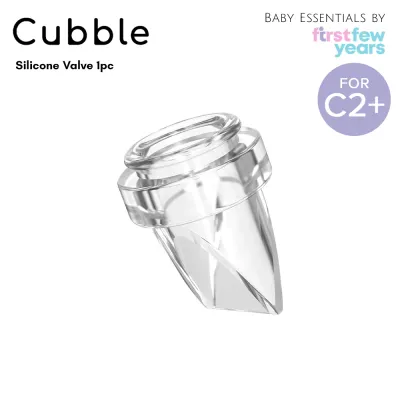
Prices are valid at publication and may change. Please refer to the product page for the latest price.
Portability constraints and storage limits also dictate which products will fit your lifestyle. If you commute daily or travel frequently, your gear must be compact enough to fit into a standard diaper bag or work tote. Heavy, bulky items can quickly become a burden, leading to skipped pumping sessions or added stress. Consider how easily a nursing cover folds down, or whether a baby carrier can be rolled up compactly when not in use. By analyzing these scenarios beforehand, you can identify the exact features you need, ensuring that your selected gear actively supports your routine rather than adding unnecessary bulk.
Choosing Cubble Nursing Covers for Privacy and Pumping Access
A nursing cover is a highly versatile tool, but its effectiveness depends heavily on its design, fabric, and compatibility with your feeding method. When evaluating Cubble nursing covers, the neckline design is one of the most critical features to inspect. A structured or rigid neckline is highly beneficial because it bows outward, creating a small viewing window. This allows you to maintain direct eye contact with your baby during nursing, which supports bonding and helps you monitor their latch. For pumping mothers, this open neckline is equally important, as it lets you easily view the placement of your breast pump flanges and monitor milk flow without having to lift or adjust the entire cover.

Fabric breathability and structural integrity are paramount for the comfort of both mother and child. Because feeding and pumping sessions can last anywhere from fifteen to forty-five minutes, a cover must allow for continuous airflow. Heavy or tightly woven synthetic fabrics can trap heat, creating a stuffy environment that makes babies fussy and causes discomfort for the mother. Look for lightweight, breathable fabrics that maintain their shape and do not collapse inward over the baby’s face or the pump equipment. The structural elements, such as adjustable neck straps, should remain secure under tension so that the cover does not slip during use.
Finally, you must verify the overall dimensions and drape of the cover. A cover that is too small may slip out of place when you move your arms, exposing your sides or back. Conversely, an excessively large cover can drape heavily over your hands, making it difficult to adjust pump settings, hold a bottle, or support your baby’s head. The ideal cover provides generous front and side coverage while leaving your hands free to operate pump controls or manage feeding supplies. Ensure the drape does not interfere with breast pump tubing or pull on the pump motor, which could disrupt the vacuum seal and affect expression efficiency.
Selecting Cubble Baby Carriers for Nursing on the Go
Using a baby carrier can be an excellent way to maintain mobility while keeping your baby close, and for some mothers, it offers a convenient option for nursing on the go. However, safety and ergonomics must always be the primary considerations when attempting to nurse a baby inside a carrier. You must carefully assess the carrier’s ergonomic positioning, seat width, and adjustability. The carrier should support the baby’s natural “M” position, where the knees are slightly higher than the hips, to promote healthy hip development. When adjusting the carrier for nursing, you will typically need to lower the baby slightly to align their mouth with your breast, but you must ensure their airway remains completely clear and their chin is not pressed against their chest.
Weight limits and age suitability are critical safety thresholds that you must verify directly from the manufacturer’s product documentation. Babies develop head and neck control at different rates, and a carrier that is safe for an older infant may not provide the necessary support for a younger baby. Never infer suitability based solely on a product’s name or general category. Before attempting to nurse in a carrier, ensure your baby has met the minimum weight and developmental milestones specified by the manufacturer. If your baby is still very young, you may need to wait until they have robust head control before attempting to feed them while they are in the carrier.
The ease of adjusting the carrier’s hardware is another vital factor for seamless transitions. Look for carriers with easy-adjust buckles, straps, or wrapping methods that allow you to quickly and securely lower the baby into a feeding position and then raise them back up to a safe, high-and-tight carrying position once the feed is finished. You should be able to make these adjustments smoothly without compromising the structural support of the carrier. Always maintain at least one hand on your baby to support their body during any adjustments, and closely monitor their breathing and latch throughout the entire feeding process.
Pre-Purchase Checks for Compatibility and Safety
Before finalizing your purchase of any Cubble products to support your feeding routine, conducting a thorough compatibility and safety check is essential. First, confirm that the physical design of the nursing cover or baby carrier does not interfere with your specific breast pump setup. For example, if you use a wearable, tubeless breast pump, ensure that the nursing cover has enough interior volume to accommodate the extra bulk of the pumps inside your bra without compressing them, which can cause leaks or reduce suction. If you use a traditional pump with external tubing and a separate motor unit, verify that the cover’s fabric drape does not pinch the tubes or restrict access to the pump controls.
Next, carefully review the manufacturer’s care instructions for each item. Feeding and pumping gear is highly susceptible to milk spills, sweat, and general wear, meaning these items will require frequent washing. Check whether the fabrics are machine washable and tumble-dry safe, or if they require delicate hand washing and air drying. Maintaining the fabric’s integrity and the strength of any structural hardware—such as plastic buckles, metal rings, or rigid neckline inserts—is vital for ongoing safety. Over time, improper washing can weaken straps or warp structural elements, compromising the safety of baby carriers or the functionality of nursing covers.
Lastly, prioritize safety compliance and product integrity. Always verify that the products meet relevant safety standards for baby gear in your region. Because safety guidelines and product statuses can change, it is highly recommended to check official manufacturer channels and local consumer safety databases for any active recalls or safety notices before making a purchase. If you ever notice frayed stitching, cracked buckles, or weakened fabric on your carrier or cover, stop using the product immediately and consult the manufacturer or a qualified professional to ensure your baby’s safety is never compromised.
Frequently Asked Questions (FAQ)
Can I use a standard Cubble nursing cover for hands-free pumping?
Yes, you can use a standard Cubble nursing cover for hands-free pumping, provided it features a structured neckline that allows you to look down and monitor your equipment. When pumping, it is crucial to verify that the breast pump flanges are centered correctly over your nipples and that the milk is flowing properly. A cover with a rigid neckline creates a convenient viewing window, allowing you to check these details without exposing yourself or removing the cover entirely. However, you must ensure the cover’s fabric does not drape too heavily over the pump bottles or tubing, as this can pull on the flanges and break the vacuum seal. Always check the product description and labels for explicit compatibility with breast pump setups before use.
Are Cubble baby carriers suitable for newborn breastfeeding?
Nursing a newborn in a baby carrier requires extreme caution and strict adherence to safety guidelines. Newborns lack head and neck control, making them highly vulnerable to positional asphyxiation if their chin is pressed against their chest or if their face is covered by fabric. Before attempting to nurse a newborn in a carrier, you must check the manufacturer’s minimum weight requirements, age guidelines, and whether a specific infant insert is required. Ensure that the baby’s airway remains completely clear, their face is visible at all times, and their head is fully supported. If you are unsure about positioning or safety, stop use and consult a certified lactation consultant or a pediatric professional before attempting to nurse in a carrier.
Community discussion
Share your experience or ask a question. Comments are reviewed before publication.