
Choosing the right children spoon is not a one-size-fits-all decision; it depends entirely on your baby’s physical development and oral motor coordination. As your little one transitions from milk to solid foods, their grip strength, mouth structure, and hand-eye coordination undergo rapid changes. Matching the utensil’s material, size, and shape to these developmental milestones ensures a safer, more comfortable, and less frustrating feeding journey for both parent and child. In Singapore, where parents often introduce a mix of traditional rice porridge and modern baby-led weaning purees, understanding these distinct developmental stages is key to selecting the ideal feeding tools.
Signs Your Baby Needs a Stage 1 Spoon (Parent-Led Feeding)
Before you introduce any children spoon to your baby’s mouth, you must look for specific physical indicators that they are developmentally ready to start solid foods. Typically occurring around six months of age, these signs include the ability to sit upright with minimal support, good head and neck control, and the disappearance of the tongue-thrust reflex, which automatically pushes solid objects out of the mouth. You will also notice your baby showing active interest in your meals, perhaps leaning forward or reaching out when you eat. If these milestones are met, it is time to introduce a Stage 1 spoon, which is designed exclusively for caregiver-assisted feeding rather than self-feeding.
A proper Stage 1 spoon must feature a very shallow bowl. This design prevents you from overloading the spoon, which can lead to overfilling the baby’s mouth and triggering a gag reflex. The tip should be made of soft, flexible food-grade silicone to protect sensitive, teething gums from accidental bumps. Furthermore, look for a long, ergonomically designed handle. This extra length allows you to scrape the bottom of deep baby food jars easily and provides a comfortable grip for adult hands, giving you precise control over the pacing of each bite.
Products mentioned in this guide
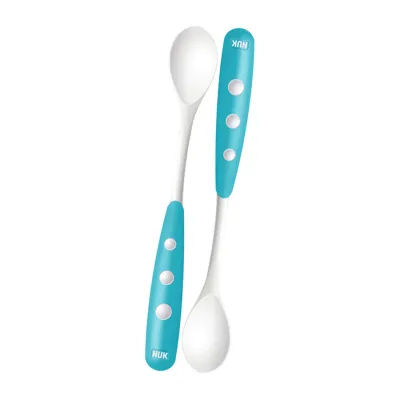
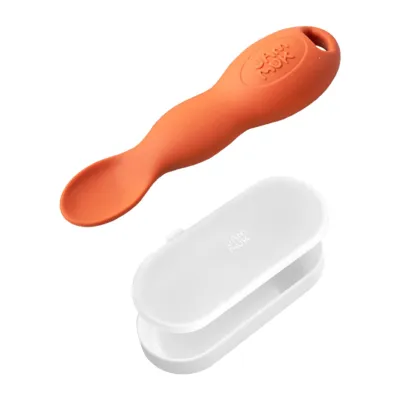
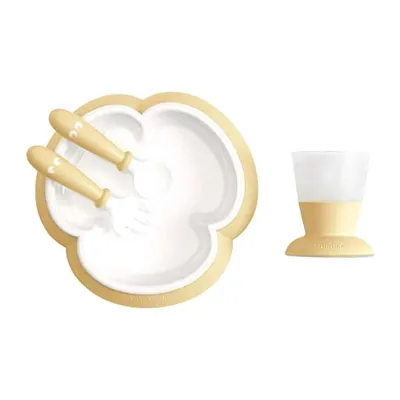
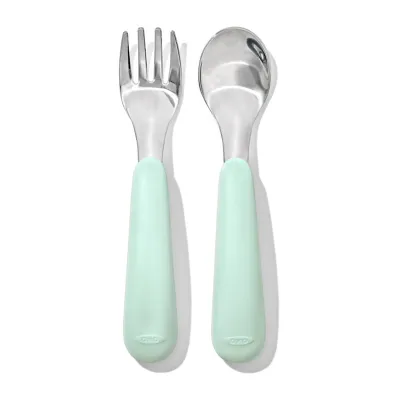
Prices are valid at publication and may change. Please refer to the product page for the latest price.
When introducing this first utensil, safety and patience are paramount. Always sit directly opposite your baby at eye level and wait for them to open their mouth before offering the food. Place a tiny amount of puree on the very tip of the spoon and let your baby pull the food off with their upper lip. Avoid pushing the spoon too deep into their mouth. Watch their physical reactions closely; if they turn their head away, spit the food out repeatedly, or show signs of distress, stop the feed immediately. Consult your pediatrician or a pediatric speech therapist if you notice persistent feeding difficulties or severe gagging.
Signs It Is Time for a Stage 2 Spoon (Early Self-Feeding)
As babies grow, their desire for independence increases, signaling the transition to self-feeding. You will know your child is ready to graduate to a Stage 2 children spoon when they begin grabbing at your utensil during meals, attempting to dip their fingers into their food bowl, and consistently bringing toys or other objects directly to their mouth with coordination. At this stage, which often begins around nine to twelve months, infants develop a palmar grasp, meaning they use their entire fist to clutch objects rather than their fingers.

To accommodate this developmental grip, a Stage 2 spoon requires a radically different design from its predecessor. Look for a short, chunky handle that fits comfortably inside a small, clenched fist. A textured, non-slip surface—such as ribbed silicone or contoured rubber—is essential to keep slippery, food-covered hands from losing their grip. The spoon bowl should be slightly deeper than a Stage 1 spoon to help hold thicker purees, mashed foods, or oatmeal as your child practices the motion of scooping. Some Stage 2 designs also feature flat, pre-spoon heads with channels that hold food through surface tension, eliminating the need for complex wrist rotation.
Embracing this stage requires accepting a significant amount of mess. Allowing your child to play with the spoon, smear food on their high chair tray, and explore different textures is a vital part of sensory and motor development. To make the transition smoother, you can practice “double spooning”: give your child one Stage 2 spoon to hold and practice with, while you use another to deliver the actual nutrition. Always supervise your child closely during these sessions to prevent them from pushing the spoon too far back into their throat. Step in to assist gently when frustration peaks, but allow them the freedom to try and fail.
Signs Your Toddler Is Ready for a Stage 3 Spoon (Independent Eating)
Toddlers eventually transition to true independent eating as their fine motor skills mature. You will recognize this readiness when your child begins moving away from a clumsy fist grip toward a refined pincer or tripod grasp, using their thumb and fingers to hold the utensil. Other key indicators include their ability to guide food from a bowl to their mouth with minimal spills, and their transition to eating chunkier, heavier family meals rather than smooth purees. This stage typically emerges between 15 and 24 months, depending on the child’s individual pace of motor development.
A Stage 3 children spoon closely resembles adult cutlery but is scaled down to fit toddler mouths and hands. The handle is longer than a Stage 2 spoon, allowing for a more mature holding position, yet it remains thick enough to offer stable control. Materials should be highly durable; food-grade stainless steel tips with soft silicone or plastic handles are excellent choices. The stainless steel bowl is rigid enough to cut through solid foods like soft vegetables or meat, while the deeper and wider bowl capacity accommodates larger, toddler-sized bites of rice, stews, or pasta.
To support this transition, gradually introduce more advanced family dishes that require scooping, such as small pasta shapes or rice dishes common in Singaporean households. Ensure that bowls have high, vertical sides to give your toddler a surface to scoop against, which prevents food from sliding off the plate. Always check the manufacturer’s age recommendations on Stage 3 utensils, as some metal-tipped spoons are rated for older toddlers due to their rigidity. If your child struggles to transition to metal utensils or shows persistent difficulty with hand-to-mouth coordination, consult an occupational therapist for personalized guidance.
Crucial Material and Safety Checks for Any Children's Spoon
Regardless of your child’s developmental stage, safety must be your top priority when purchasing any children spoon. Always read the product packaging and manufacturer documentation thoroughly before use.
Material Verification: Verify that the spoon is certified BPA-free, PVC-free, and phthalate-free. If choosing silicone, ensure it is labeled as 100% food-grade silicone, which does not leach chemicals and remains highly flexible. For older toddlers using metal, look for high-quality, rust-resistant food-grade stainless steel.
Design Safety: Inspect the spoon physically for smooth, rounded edges that will not scrape your child’s delicate oral mucosa. Check that the spoon is constructed as a single solid piece or has incredibly secure attachments; multi-piece spoons with detachable decorative caps or small heads pose a severe choking hazard if they separate. The weight of the utensil should also match your child’s strength—too heavy, and it will cause fatigue; too light, and it won’t provide the sensory feedback needed for motor planning.
Hygiene and Maintenance: In Singapore’s warm and humid climate, proper hygiene is critical to prevent mold and bacterial growth. Verify whether the spoon is dishwasher-safe or requires hand washing with mild baby-safe detergent. Regularly inspect all silicone utensils under bright light; check for deep bite marks, tears, discoloration, or structural peeling. If you observe any cracks or damage, discard the spoon immediately, as these crevices can harbor harmful bacteria and the damaged silicone can become a choking hazard. Always follow the manufacturer’s specific care and replacement instructions.
Frequently Asked Questions (FAQ)
Can I use a regular metal teaspoon for my baby's first purees?
It is highly recommended to avoid using standard adult metal teaspoons for early weaning. Adult metal spoons are typically too deep, which makes it difficult for a baby to clear the food with their upper lip, and their hard, rigid edges can easily bruise or scrape your baby’s sensitive, teething gums. A soft, shallow silicone spoon is much safer and more comfortable for a beginner.
How often should I replace my child's silicone spoons?
While there is no fixed calendar timeline, you must inspect silicone spoons regularly and replace them at the first sign of wear. Look for physical indicators such as deep teeth marks, tears, stickiness, or an unpleasant odor that persists after thorough washing. If the spoon is used daily, a general guideline is to replace it every three to six months, or immediately if any structural damage is detected.
Are angled or bent spoons necessary for self-feeding?
Angled or bent spoons are not strictly necessary for every child, but they can be highly beneficial during the early self-feeding phase. Because toddlers initially lack the wrist rotation required to keep a straight spoon level, an angled design helps guide food directly to their mouth with less spilling. These utensils are also particularly helpful for children experiencing mild motor delays or physical limitations.
Community discussion
Share your experience or ask a question. Comments are reviewed before publication.