
When starting your baby on solid foods, choosing the right children bowl is one of the most practical decisions you will make for your daily routine. Weaning is a dynamic journey that transitions your child from passive spoon-feeding to active, independent self-feeding. The ideal bowl is not a one-size-fits-all product; instead, the best option is one that directly aligns with your child’s current motor skills, coordination, and developmental stage.
In Singapore, where busy kitchens and compact highchair setups are common, finding a bowl that minimizes clean-up while supporting your baby’s physical milestones is key. By matching specific design features—such as suction bases, sloped walls, and durable materials—to your baby’s feeding behaviors, you can foster confidence at the dinner table while keeping mealtime messes manageable.
Selecting a Children Bowl: Observe Your Baby's Feeding Signals
Before browsing online marketplaces or baby boutiques, take a few days to closely observe how your baby interacts with food and tableware. Babies develop motor skills at highly individual rates, meaning their physical readiness is a far more reliable guide than their age in months. Watching their natural physical cues will help you identify exactly which features will support their current abilities.
Products mentioned in this guide
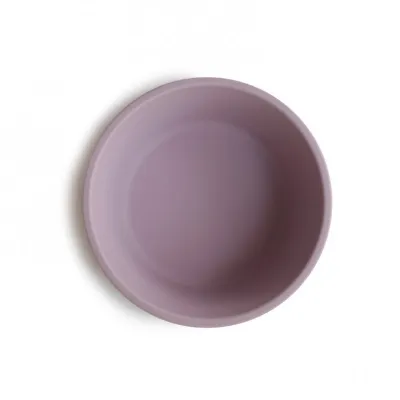
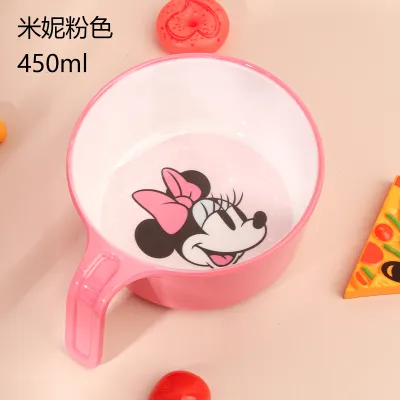
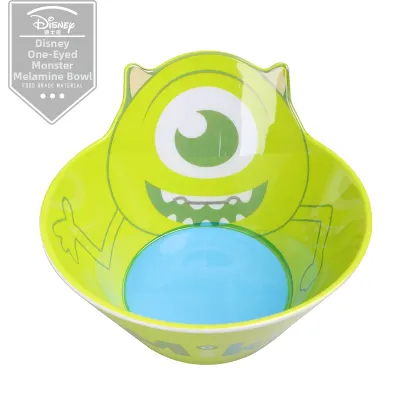
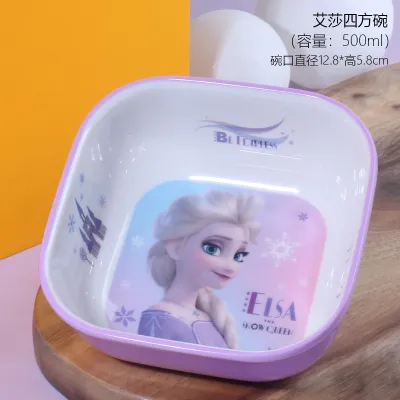
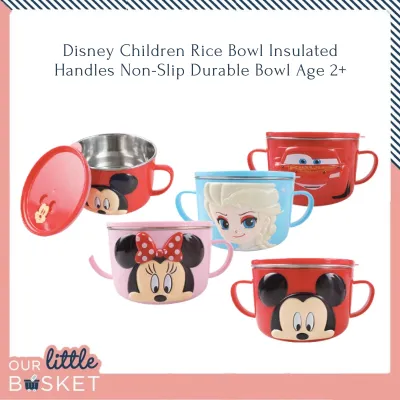
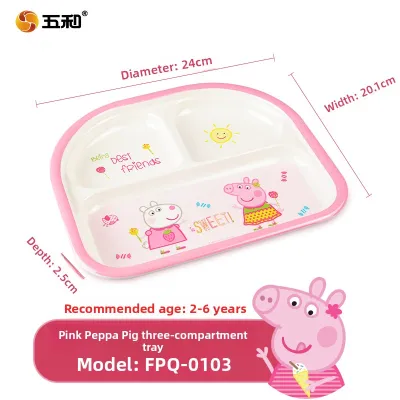
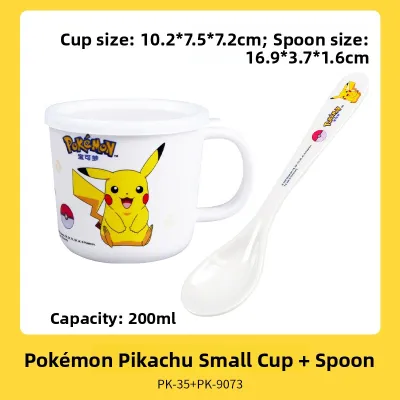
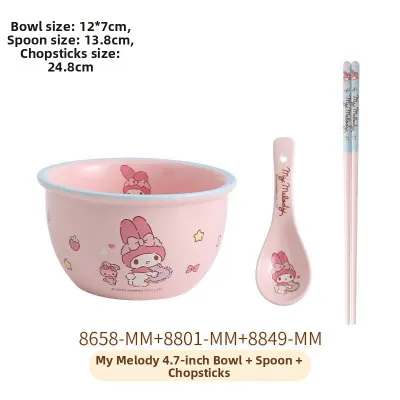
Prices are valid at publication and may change. Please refer to the product page for the latest price.
First, observe how your baby grips objects. Around the start of weaning, babies typically use a whole-hand palmar grasp, clutching items with their entire fist. As they mature, they transition to a pincer grasp, using their thumb and index finger to pick up smaller pieces of food. A baby who still relies on a palmar grasp is highly likely to swipe at objects on their tray, making bowl stability your absolute highest priority.
Next, pay attention to their behavioral signals during meals. Does your baby frequently reach out to grab the spoon while you are feeding them? Do they instinctively swipe at the bowl, or try to lift and knock over any container placed within reach? These actions are not misbehavior; they are natural exploratory movements that indicate a desire to interact directly with their food, signaling that it is time to introduce a stable, kid-friendly dish.
Finally, assess your baby’s hand-eye coordination when they attempt to use a spoon or their fingers. If they are beginning to scoop but struggle to keep the food on the utensil, they need a bowl design that actively assists this motion. Identifying these subtle physical milestones allows you to move past generic marketing claims and choose a children bowl designed for their specific developmental needs.
Match Bowl Features to Developmental Milestones
Once you have identified your baby’s feeding signals, you can map these observations to specific bowl designs. Choosing a bowl that matches their developmental stage ensures they are neither frustrated by a design that is too advanced nor held back by one that limits their progress.

Early Weaning (Around 6-8 Months): Focus on Stability
During the initial stage of weaning, babies are introduced to single-ingredient purees or very soft finger foods. At this point, their motor control is highly uncoordinated, and their movements are broad and involuntary. They do not yet understand that a bowl contains food; to them, it is simply another object to explore, push, or swipe off the highchair tray.
For this stage, a children bowl with an exceptionally strong suction base is indispensable. Look for a wide, heavy suction pad that adheres firmly to smooth surfaces. It is important to note that suction performance depends heavily on the surface material of your highchair tray; smooth plastic, glass, or polished stone trays provide the best seal, whereas textured plastic or matte wood finishes may compromise the vacuum grip.
In addition to suction, look for a bowl with a wide, heavy base. This low center of gravity prevents the bowl from tipping sideways if your baby pulls at the rim. High, curved interior walls are also highly beneficial for caregivers during this phase, as they provide a convenient surface to scrape excess puree off the spoon before guiding it to your baby’s mouth.
Transitional Stage (Around 8-12 Months): Support Self-Feeding
As babies approach their first birthday, they enter a transitional phase where they actively want to feed themselves. They will try to grasp the spoon, dip it into the food, and guide it to their mouth. This stage requires a bowl that transitions from a simple container into an active learning tool.
To support this self-feeding journey, look for bowls designed with integrated handles or wide, textured rims. These features allow your baby to stabilize the bowl with their non-dominant hand while attempting to scoop food with their dominant hand. This bilateral coordination is an important developmental milestone that prepares them for using standard tableware later in childhood.
An angled or sloped interior wall is the most critical design feature during this stage. Bowls with a curved inner lip or an asymmetrical “scoop aid” design allow your baby to push food against the side of the bowl, naturally guiding it onto their spoon. Without this curved edge, food simply slides up and over the rim, leading to frustration and messy fingers. While suction is still helpful to keep the bowl from sliding, the primary goal of the bowl now is to facilitate successful scooping.
Toddler Stage (12 Months and Older): Encourage Independence
By 12 months and beyond, toddlers have developed significantly better hand-eye coordination and a stronger sense of independence. They can navigate a spoon with reasonable accuracy, feed themselves finger foods efficiently, and are beginning to form distinct preferences regarding their meals.
At this stage, divided bowls or plates become highly useful. Many toddlers go through a sensory phase where they dislike different food groups touching. A divided dish allows you to present a balanced meal—such as a starch, a protein, and vegetables—in separate compartments, which can make meals more visually appealing and less overwhelming for a picky eater.
As toddlers learn to assist with mealtime routines, such as carrying their own dishes to the sink, you can transition to lightweight, highly durable bowls without suction bases. This helps them practice carrying items carefully while ensuring that an accidental drop will not result in shattered pieces. Transitioning away from suction bases encourages them to mindfully stabilize their dishes, mimicking adult dining habits.
Material and Safety Checks for Weaning Bowls
While design features support physical development, verifying the safety and durability of the materials is paramount. Because safety standards, certifications, and product compositions can change, always verify the manufacturer’s labels and product documentation directly rather than relying solely on a product’s name or marketing claims.
Always check for food-safe certifications on the packaging, verifying that the children bowl is free from Bisphenol A (BPA), polyvinyl chloride (PVC), and phthalates. Depending on your family’s daily routine, cleaning preferences, and kitchen setup, you can compare the general characteristics of common weaning materials:
- Silicone: Food-grade silicone is highly popular because it is flexible, virtually unbreakable, and naturally slip-resistant. It tolerates drops from high chairs perfectly and is excellent for suction bases. However, silicone can sometimes absorb food oils or soapy fragrances from dishwashing detergents. To prevent this, wash silicone dishes with unscented, baby-safe dish soaps.
- Stainless Steel: Double-walled stainless steel is exceptionally durable, highly hygienic, and resistant to stains and odors. It is very easy to sanitize and can last for years. The primary trade-off is that stainless steel lacks natural suction capabilities, meaning these bowls usually require a separate, removable silicone suction ring. Additionally, stainless steel is not microwave-safe.
- Bamboo and Plant-Based Blends: Bamboo bowls offer a lightweight, natural aesthetic. However, they require meticulous maintenance. In Singapore's warm, humid climate, bamboo must be washed by hand and dried completely in a well-ventilated area to prevent mold growth. They cannot tolerate prolonged soaking, high-heat dishwashers, or microwave use, as extreme moisture and heat can cause the wood to warp or split.
Before placing any bowl in the microwave or dishwasher, verify its compatibility directly on the product packaging. Some silicone bowls are reinforced with internal metal frames that make them unsafe for microwaves, while certain bamboo-melamine blends cannot tolerate the high heat of dishwasher cycles.
Finally, inspect the bowl for any removable parts, such as detachable silicone suction rings, sealing gaskets on travel lids, or decorative inserts. While these parts offer versatility, they can easily trap moisture, milk residue, and food particles, leading to mold and bacterial growth if not cleaned properly. Ensure you can completely disassemble all parts for thorough washing and drying. Always supervise your child during meals to ensure they do not attempt to chew on loose suction rings or small removable components.
When to Upgrade Your Child's Bowl
Tableware needs will evolve as your child grows. Knowing when to transition to a new children bowl depends on observing both your child’s behavior and the physical condition of their current dishes.
Behavioral Triggers: Watch for signs that your child has outgrown their current bowl’s design. If your baby has figured out how to peel off the suction base and repeatedly lifts the bowl to dump its contents, the suction feature has turned into an entertaining game. This behavior indicates they are ready for a non-suction bowl. Similarly, if they show frustration because a deep, narrow starter bowl makes it difficult to scoop out larger food portions, they are ready for a wider, shallower toddler bowl.
Physical Wear and Tear: Regularly inspect your child’s bowls for signs of degradation. Plastic bowls with deep scratches should be retired, as these crevices can harbor bacteria and are difficult to sanitize. Silicone bowls that have developed a sticky residue or a persistent soapy odor should be replaced, as this indicates the material is holding onto detergent oils or starting to degrade. If a suction base becomes warped, stiff, or cracked, it will no longer adhere safely to the highchair tray and should be replaced.
Capacity Limits: As your child’s portion sizes increase, their starter bowls will naturally become too small. A bowl designed for early purees typically holds about 100ml to 150ml of food. When your toddler’s meals begin to consist of multiple food groups and larger volumes, upgrading to a larger toddler bowl (250ml or more) ensures you can serve balanced portions without overcrowding the dish, making self-feeding much easier for little hands.
If your child experiences persistent difficulties with feeding, swallowing, or transitions between food textures, consult a pediatrician or a pediatric occupational therapist for professional, personalized guidance.
Frequently Asked Questions (FAQ)
Are silicone bowls better than stainless steel for weaning?
Silicone bowls are generally better for the early stages of weaning (6 to 12 months) because they offer superior suction, flexibility, and impact resistance. They are highly resilient against drops and are ideal for babies who tend to throw tableware. Stainless steel bowls are an excellent long-term investment for older toddlers who have outgrown the throwing phase. They are highly hygienic, do not absorb soapy odors, and are incredibly durable, though they typically require a separate silicone attachment to provide suction.
How do I stop my baby from throwing their bowl?
To minimize bowl throwing, ensure your baby is actually hungry when seated and remove the bowl as soon as they show signs of fullness or boredom, which are common triggers for throwing. Always secure the suction bowl onto a clean, completely dry, and smooth surface; even a tiny crumb or a drop of water can compromise the suction seal. Finally, react neutrally when throwing occurs. Picking up the bowl with a dramatic reaction can accidentally reinforce the behavior, turning it into an entertaining game for your baby.
Community discussion
Share your experience or ask a question. Comments are reviewed before publication.