
Choosing the right changing pad is one of the most practical decisions you will make when preparing your nursery. The ideal setup must balance your available physical space, your family’s daily mobility needs, and the safety of your baby. Beblum offers a versatile range of changing solutions designed to fit seamlessly into modern homes, but selecting the perfect model requires looking closely at how you plan to manage diaper changes day in and day out.
In Singapore, where residential layouts range from cozy high-rise apartments to more spacious homes, optimizing floor space is a common priority for new parents. A changing pad that works beautifully on top of a chest of drawers might not suit a family that needs to move their changing station between rooms or travel frequently. By evaluating your nursery layout and daily habits first, you can narrow down the options to find a model that supports both your baby’s comfort and your own physical ergonomics.
How to Assess Your Nursery Space and Changing Routine
Before browsing specific models, take a measuring tape and evaluate the exact physical dimensions of your nursery or designated changing area. Modern apartments often require highly efficient layout planning, meaning every centimeter counts. If you have a dedicated room for your baby, you may have the luxury of a permanent, freestanding station. For more compact layouts, utilizing vertical space or multi-functional furniture is often the smartest way to keep the room organized and clutter-free.
Products mentioned in this guide
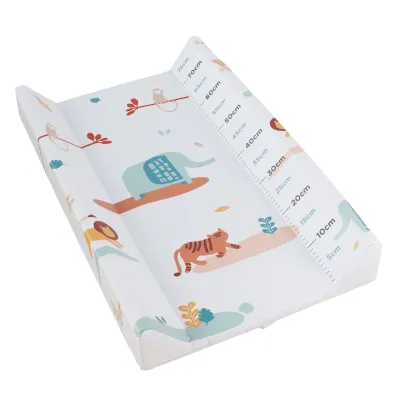
Prices are valid at publication and may change. Please refer to the product page for the latest price.
Your daily routine should dictate whether you choose a fixed changing station or a highly mobile option. Consider where you will spend the majority of your day with the baby. If you prefer to handle all diaper changes in one central location, a stationary setup in the bedroom is highly efficient. However, if you anticipate moving between the living room, bedroom, and other areas throughout the day, a lightweight, portable pad that can be easily carried and placed on flat, low surfaces will serve you much better.
Do not overlook the furniture you already own when planning your nursery. Many standard dressers, low cabinets, or sideboards have flat, wide top surfaces that are at a comfortable height for diaper changes. Placing a high-quality changing pad directly on top of an existing dresser can save you the expense and floor space of buying a dedicated changing table. Measure the top surface of your furniture carefully, ensuring there is ample room for the pad to sit completely flat without overlapping any edges.
Finally, think about your own physical comfort during diaper changes. You will be bending over the changing surface multiple times a day and night, which can quickly strain your back if the surface is too low or too high. A fixed dresser-top pad or a dedicated table should ideally align with your hip or waist height. If you choose a portable pad for floor-level use, ensure you are comfortable kneeling or sitting on the floor for extended periods during changes.
Key Features to Evaluate in a Beblum Changing Pad
Size and Compatibility
Never assume a changing pad will fit your furniture based on visual estimates alone. Always consult the official product specifications sheet to verify the exact length, width, and height of the model you are considering. Compare these measurements directly against your dresser top or changing table frame. A pad that is too large can overhang, creating an unstable and highly dangerous surface, while a pad that is too small may slide around during active diaper changes.

Surface Material and Wipeability
Diaper changes are inherently messy, so the ease of cleaning should be a top priority when evaluating materials. Look for changing pads that feature waterproof or highly water-resistant outer covers, allowing you to quickly wipe away spills, leaks, and soils with a damp cloth. Additionally, check the product packaging or manufacturer documentation for non-toxic material certifications. Ensuring the surface is free from harmful chemicals, heavy metals, and common allergens is essential for protecting your baby’s sensitive skin.
Ergonomics and Contours
Many modern changing pads feature contoured designs with raised outer edges that gently slope downward toward the center. This ergonomic shape helps keep your baby positioned securely in the middle of the pad, preventing them from rolling side to side during a change. While these contours provide excellent physical support and comfort, they are strictly positioning aids. It is vital to remember that contoured edges do not prevent falls and must never replace active, hands-on caregiver supervision.
Security Straps and Anchors
A safe changing pad must remain completely stationary during use. Look for models equipped with robust security straps and durable buckle mechanisms that secure your baby comfortably around the torso. Equally important is how the pad attaches to your furniture. Check the underside of the pad for non-slip materials, rubberized grips, or physical anchoring straps that screw directly into the back of your dresser or changing frame to prevent the pad from sliding.
Matching Changing Pad Types to Your Family's Lifestyle
To help you visualize the best fit for your home, it is helpful to compare the primary categories of changing pads. Each style addresses different spatial constraints, mobility needs, and parenting lifestyles. The table below outlines these differences to guide your decision-making process.
| Pad Type | Space Requirement | Mobility | Ideal User Profile |
|---|---|---|---|
| Portable & Foldable | Minimal (fits in diaper bags) | High (travel & multi-room) | On-the-go parents, compact apartments |
| Contoured Dresser-Top | Medium (requires flat surface) | Low (semi-permanent) | Space-conscious nurseries with dressers |
| Dedicated Changing Table | High (dedicated floor space) | Stationary (fixed station) | Spacious nurseries, permanent setups |
Portable and Foldable Changing Pads
Portable and foldable changing pads are designed specifically for maximum mobility and convenience. These lightweight pads can be folded down into a compact size, making them easy to pack into a diaper bag, store in a stroller basket, or tuck away in a living room drawer. They are highly practical for families who travel frequently, visit grandparents, or simply prefer to handle diaper changes on different floors of their home. When using a portable pad, always prioritize floor-level use on a clean rug or playmat to eliminate any risk of accidental falls. Look for designs with easy-to-sanitize surfaces that can be wiped down quickly after each use.
Contoured Dresser-Top Changing Pads
If you want to maximize your nursery storage without adding extra furniture to the room, a contoured dresser-top changing pad is an excellent compromise. This style allows you to transform a standard chest of drawers into a fully functional changing station, keeping diapers and clothing organized in the drawers directly below. Before installing a dresser-top pad, you must verify that the dresser is sturdy, completely level, and capable of supporting the combined weight of the pad, your baby, and your changing supplies. Always use the included safety anchors or non-slip backing to secure the pad firmly to the furniture to prevent any movement.
Dedicated Changing Tables with Storage
For parents who have a spacious nursery and prefer a permanent, highly organized zone for baby care, a dedicated changing table is the ultimate solution. These freestanding structures feature built-in shelves, drawers, or cubbies, keeping all your diapering essentials—wipes, creams, diapers, and spare clothes—within arm’s reach so you never have to step away from your baby. When selecting a dedicated changing table, look for sturdy wooden or metal frames with solid safety rails. Keep in mind that because these are elevated surfaces, you must plan to transition away from using them as your baby grows more active and mobile.
Essential Safety Boundaries and Age Limits for Changing Pads
The absolute, non-negotiable rule of diaper changing is that you must never leave your baby unattended on an elevated surface, even for a single second. It is a common misconception that safety straps or contoured walls can hold a baby safely in place while you step away to grab a clean diaper or answer the door. These features are designed purely as secondary supports to assist you during the change. Always keep at least one hand securely on your baby throughout the entire process, and prepare all your supplies before placing your baby on the pad.
As your baby develops, you must monitor their physical milestones closely to determine when it is time to stop using elevated changing surfaces. The standard transition threshold occurs when your baby shows the first signs of rolling over, sitting up, or pushing up on their hands and knees. These movements significantly increase the risk of a sudden fall from a high surface, such as a dresser top or a changing table. Once your baby reaches any of these milestones, it is time to adjust your routine for their safety.
Always check the specific manufacturer guidelines, maximum weight limits, and age recommendations printed on your Beblum product label. Do not assume suitability based on the product’s appearance alone, as structural limits vary between different models and frames. If your baby exceeds the recommended weight limit before reaching their physical milestones, you must stop using the elevated station immediately to avoid overloading the structure.
When your baby becomes highly active or outgrows their elevated changing station, the safest course of action is to transition to floor-level diaper changes. Using a clean, portable changing pad or a low, safe bed prevents any possibility of fall-related injuries. Changing an active, squirming older baby on the floor is not only much safer, but it also gives you more room to manage their movements comfortably without the stress of managing height risks.
Where to Buy and Verify Authentic Beblum Gear in Singapore
To ensure your baby’s safety, it is crucial to purchase genuine Beblum products that meet strict manufacturing and material standards. We highly recommend buying directly from the official Beblum website, authorized physical maternity retailers, or official brand flagship stores on major, reputable e-commerce platforms. Purchasing from authorized channels guarantees that you are receiving authentic gear made with non-toxic, baby-safe materials.
When your changing pad or furniture arrives, take a moment to inspect the packaging and the product itself. Look for valid safety certification labels, clear batch numbers, and official branding printed on the labels. Additionally, verify the local warranty coverage and return policies provided by the seller. Authentic Beblum gear purchased through authorized distributors in Singapore typically comes with reliable customer support and manufacturer-backed protection against defects.
Be highly cautious of unauthorized third-party sellers on online marketplaces offering Beblum products at unusually low, heavily discounted prices. These items may be counterfeit, constructed with substandard materials, or lack the essential safety testing required for infant products. Investing in authentic gear from authorized sources is the only way to ensure the product’s structural integrity and protect your baby’s health.
Frequently Asked Questions (FAQ)
How do I properly clean and sanitize a Beblum changing pad?
For daily maintenance, wipe down the surface of your Beblum changing pad using a soft cloth dampened with mild soap and warm water, or use gentle, baby-safe disinfecting wipes. Avoid using harsh chemical cleaners, bleach, or abrasive scrubbing pads, as these can degrade the protective waterproof coating and leave behind chemical residues that might irritate your baby’s sensitive skin. Always consult the care label on your specific model first to verify any unique manufacturer instructions. Once cleaned, allow the pad to air-dry completely in a well-ventilated area before placing your baby back on the surface, which also helps prevent any moisture buildup in humid climates.

Community discussion
Share your experience or ask a question. Comments are reviewed before publication.