
Introducing water to your baby is a significant step in their weaning journey. When your infant begins transitioning to solid foods, learning how to sip from a cup is essential for their hydration, digestion, and motor skill development. However, moving away from the familiar sucking motion of a breast or bottle to a cup requires a completely different set of oral motor coordination.
The bbox straw cup range is highly regarded by parents for its innovative designs that support babies through various developmental phases. Choosing the right model depends on matching the cup’s features to your baby’s age, grip strength, and oral motor progress. By selecting a cup tailored to their current weaning stage, you can encourage independent drinking while minimizing spills and frustration.
Understanding Your Baby's Drinking Milestones
Every baby develops at their own pace, and their ability to use a cup depends heavily on their physical strength and coordination. Introducing a cup at the right developmental window ensures they can use it safely and confidently.
Products mentioned in this guide
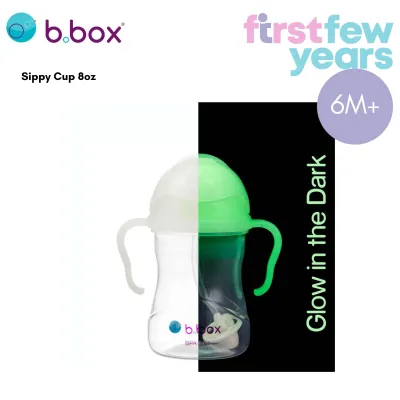
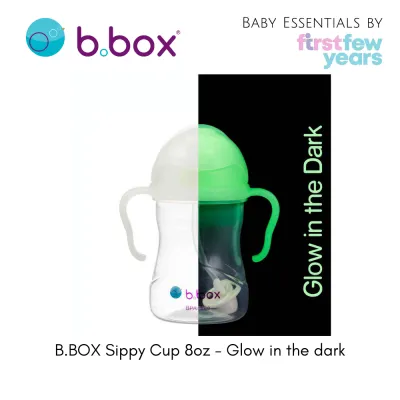
Prices are valid at publication and may change. Please refer to the product page for the latest price.
Around six months of age, babies typically begin their weaning journey alongside the introduction of solid foods. At this stage, infants have limited neck and core control, often tilting their heads back or holding objects at unusual angles. When given a traditional cup, they naturally tilt it upward as they would a bottle. A weighted straw cup is highly beneficial during this phase because the heavy anchor at the base of the straw moves with the liquid. This ensures that even if the baby lies down or tilts the cup upside down, they can still successfully draw water, preventing air ingestion and frustration.
Between nine and twelve months, babies experience a rapid increase in grip strength and hand-eye coordination. They transition from using their whole hand to grasp objects to a more refined grasp. During this period, babies also begin exploring cause and effect, which frequently involves dropping or throwing cups from high chairs. Cups used during this stage must be exceptionally durable, impact-resistant, and feature robust leak-proof mechanisms to withstand daily drops onto hard kitchen floors.
At twelve months and beyond, toddlers become highly active and spend more time outdoors, whether at local parks, playgrounds, or daycare. Their daily water intake increases significantly to match their active lifestyle. In warm, humid environments, keeping water cool and refreshing becomes a priority. Toddlers at this stage also begin to outgrow the need for dual handles, transitioning toward larger capacity bottles that fit easily into stroller cup holders or backpack side pockets.
Top bbox straw Cup Options for Different Weaning Stages
The b.box range offers distinct cup designs engineered to support children as they grow from hesitant beginners to active toddlers. Understanding the differences between these models helps you choose the most appropriate option for your child’s current abilities.

b.box Original Straw Cup (Weighted Straw)
Designed specifically for beginners, the b.box Original Straw Cup is the standard entry point for babies transitioning from bottles. With a capacity of 240ml, it is lightweight enough for a six-month-old to lift and hold without muscle strain. The defining feature of this cup is its innovative weighted straw, which features a food-grade weighted anchor at the base of a flexible silicone tube. This weight follows the liquid regardless of the angle at which the cup is held, allowing babies to drink successfully even when tilted back.
In addition to the weighted straw, the cup features ergonomic, easy-grip handles that are molded into the lid ring. These handles are sized perfectly for tiny hands, encouraging the development of a secure two-handed grip. The cup also features a simple flip-top lid that encloses the straw when closed, keeping it hygienic during travel and preventing accidental leaks in diaper bags. The soft, flexible silicone straw is exceptionally gentle on developing gums and newly emerging teeth, making it a comfortable choice for early weaning.
b.box Insulated Straw Cup
For older toddlers who have mastered the basic mechanics of straw drinking, the b.box Insulated Straw Cup offers a durable, high-capacity alternative. This model is constructed with double-walled, food-grade 304 stainless steel, designed to keep liquids cool for up to eight hours. This temperature retention is highly practical for families spending time outdoors in warm climates, ensuring your child always has access to refreshing water.
Unlike the beginner model, the insulated cup typically features a larger capacity (such as 350ml) to satisfy the hydration needs of growing toddlers. It is designed without handles, encouraging children to transition to a mature, single-handed or two-handed bottle grip. The cup features a user-friendly push-button lid that flips open easily, allowing toddlers to operate the bottle independently. The silicone straw is durable enough to withstand the stronger suction and bite forces of older children.
b.box Sippy Cup (Transition Alternative)
Some infants struggle to transition directly from a bottle nipple to a straw. They may bite down on the straw without sucking or find it difficult to create the vacuum pressure required to draw liquid. For these babies, a sippy cup or transition spout lid serves as an effective intermediate tool. The sippy lid features an ergonomically angled silicone spout that matches the natural shape of a baby’s mouth, offering a more familiar drinking angle.
This transition option utilizes a similar spill-proof valve mechanism to prevent messy leaks while allowing a faster flow of liquid than a standard bottle. It features the same ergonomic handles as the original straw cup, helping babies build hand-to-mouth coordination and grip confidence. Once the baby becomes comfortable drinking from the spout, parents can easily transition them to a straw lid, as many of the brand’s lids and bases are designed to be interchangeable.
Essential Features to Verify Before Purchase
Before purchasing a weaning cup, it is important to evaluate specific design elements to ensure they meet your standards for safety, hygiene, and daily usability. Checking these features beforehand helps prevent common issues like leaks, mold, or material degradation.
- Material Safety: Always verify the product packaging and manufacturer specifications to ensure all components are completely free from bisphenol A (BPA), phthalates, and PVC. Look for food-grade silicone and high-quality polypropylene (PP) or stainless steel. Ensure the product carries recognized safety compliance marks before introducing it to your baby.
- Spill-Proof Mechanism: The b.box straw employs a unique cross-cut valve (a small "X" cut inside the tip of the silicone straw). This valve remains sealed until the baby applies gentle pressure with their lips or teeth while sucking. While this design is highly effective at preventing leaks when the cup is dropped or shaken, parents should verify if their baby has the oral strength to open the valve, as some infants may initially find the resistance challenging.
- Cleaning Requirements: Because the weighted straw is very narrow and contains a heavy anchor, it requires meticulous cleaning. Verify if the cup is compatible with a dedicated, ultra-thin straw cleaning brush. In humid climates, any residual moisture or milk left inside the straw can quickly lead to mold growth, making fully detachable parts a necessity for proper hygiene.
- Handle Design: For younger babies, check whether the handles are integrated into the lid or if they can be removed. Fixed, non-slip handles are ideal for infants under nine months, as they prevent the cup from spinning in their hands and promote independent drinking habits without causing wrist strain.
Safe Usage, Cleaning, and Maintenance
Proper use and regular maintenance are critical to keeping your baby’s straw cup hygienic and safe. Following the correct care guidelines prevents premature wear, leaks, and potential safety hazards.
When first introducing the cup, let your baby explore it during playtime without pressure. You can encourage them by dipping the tip of the silicone straw into breast milk, formula, or a favorite fruit puree. Always supervise your baby closely while they are using the cup. Do not allow your child to walk, run, or play actively while holding or drinking from the cup, as this poses a risk of dental or facial injury if they fall.
Always consult the manufacturer’s care instructions before sterilizing any components. While the plastic cup body and lid are typically dishwasher-safe on the top rack, high heat can damage or warp certain parts. Avoid exposing the silicone straw and the weighted anchor to boiling water for extended periods, and do not place them in steam or microwave sterilizers unless the manufacturer’s manual explicitly states it is safe to do so. For the safest results, wash all parts by hand using warm, soapy water and a specialized straw brush.
Regularly inspect the silicone straw and valve for signs of wear, especially if your baby is teething. Active teething can cause babies to chew on the soft silicone, leading to tears, punctures, or thinning material. A damaged straw poses a choking hazard if small pieces of silicone break off, and it will also cause the cup to leak. Inspect the straw daily and replace it immediately using genuine replacement parts if any damage is detected.
Frequently Asked Questions (FAQ)
At what exact age can my baby start using a weighted straw cup?
Most babies can begin using a weighted straw cup around six months of age, which aligns with the typical start of solid food introduction. However, physical readiness is a more accurate indicator than calendar age. Your baby is likely ready if they can sit upright with minimal support, have good head and neck control, and show active interest in your drinks. If your child has developmental delays, low muscle tone, or swallowing difficulties, consult your pediatrician or a pediatric occupational therapist before introducing a straw cup.
How do I properly clean the weighted straw to prevent mould?
To prevent mold growth, clean the straw immediately after every use. Disassemble the cup completely, pulling the silicone straw out of the lid and removing the weighted anchor if applicable. Insert a dedicated b.box straw cleaning brush into the bottom of the straw, using warm water and a mild, baby-safe dish soap. Push the brush through the entire length of the straw several times to scrub away residue. Rinse thoroughly under running water, and lay all pieces flat to air dry completely in a well-ventilated area before reassembling.
Why is my b.box straw cup leaking when my baby drinks?
Leaking is typically caused by incorrect assembly, temperature-induced pressure, or physical damage. First, ensure the silicone straw is pulled firmly through the lid until it clicks securely into place, creating an airtight seal. Second, avoid filling the cup with warm or hot liquids; temperature changes create pressure differences that force liquid up through the straw. Finally, inspect the cross-cut valve at the top of the straw. If the valve is torn or stretched from teething, it will no longer seal properly, requiring a replacement straw.
Community discussion
Share your experience or ask a question. Comments are reviewed before publication.