
Choosing the right feeding bowl for your baby involves balancing safety, durability, and ease of cleaning. There is no single material that is universally superior for every stage of weaning. Instead, the safest and most practical choice depends on your baby’s current developmental stage, motor skills, and how you plan to prepare and serve their meals.
For early weaning, silicone bowls with strong suction bases help prevent spills and are gentle on developing gums. As babies transition to independent feeding and start using utensils, durable stainless steel offers excellent hygiene and longevity. Bamboo options provide a natural aesthetic but require meticulous hand-washing to prevent mold, while lightweight plastic bowls are highly portable but must be monitored closely for scratches that can harbor bacteria.
Silicone Feeding Bowls: Suction and Early Weaning Benefits
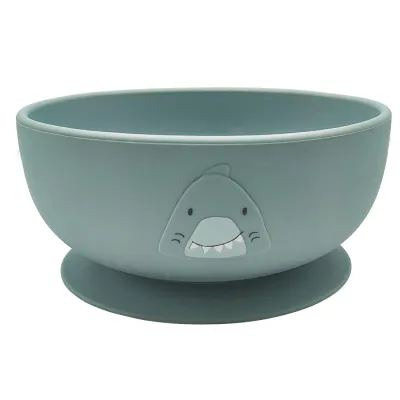
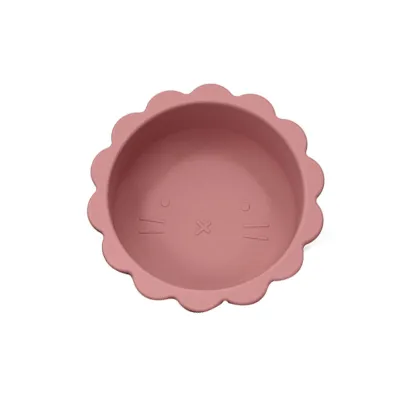
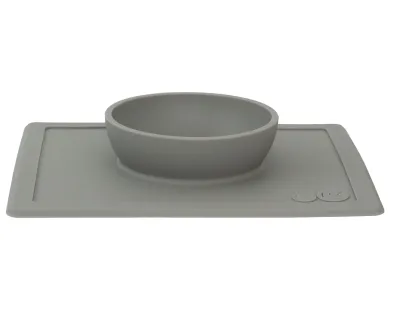
Silicone has become highly popular for infant tableware due to its flexibility and rubber-like texture. Many parents choose silicone bowls during the initial stages of weaning because they can be manufactured with integrated suction bases. These bases adhere tightly to high chair trays, reducing the likelihood of a baby tipping their food onto the floor during early self-feeding attempts.
Products mentioned in this guide
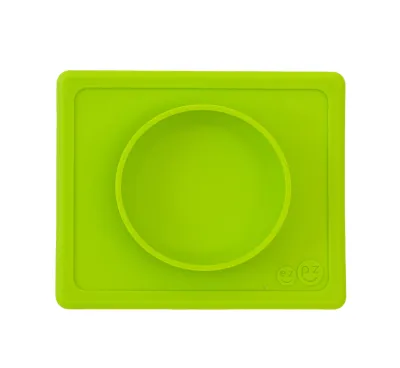
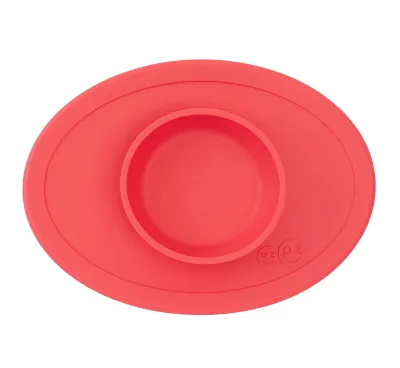
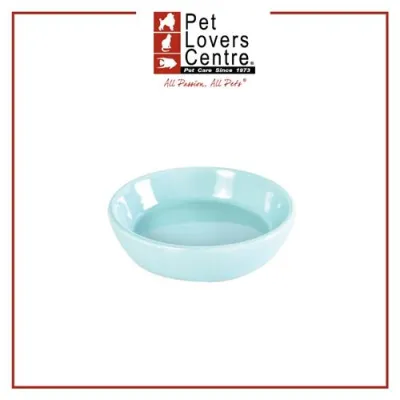
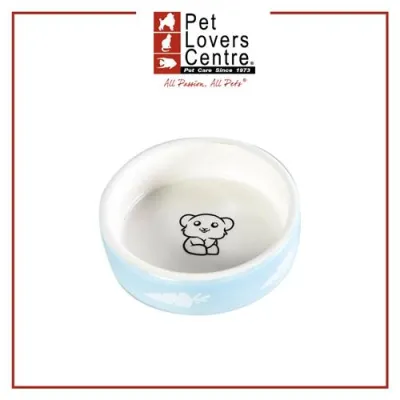
Prices are valid at publication and may change. Please refer to the product page for the latest price.
When selecting a silicone feeding bowl, it is essential to verify the manufacturer’s food-grade certifications. Look for labels indicating 100% food-grade silicone or LFGB-certified silicone, which undergo testing to ensure they do not contain harmful chemical fillers. You should also check the packaging for the specific heat tolerance limits, as some silicone products are rated for high-temperature sterilization while others are not.
Despite their durability, silicone bowls have a tendency to retain food odors and oils over time. Washing them with scented dish soaps can sometimes leave a soapy residue or taste that transfers to the baby’s food. Additionally, strong-colored purees, such as carrots or sweet potatoes, can cause permanent staining, which does not affect safety but does alter the appearance of the bowl.
Stainless Steel Bowls: Durability and Use for Older Babies
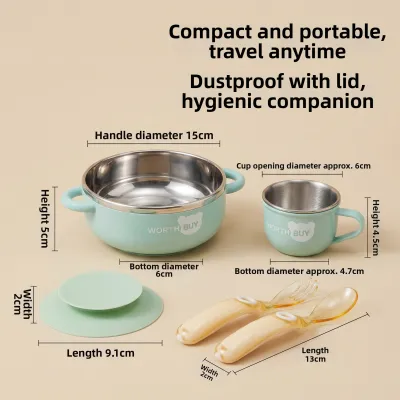
Stainless steel is an exceptionally durable and hygienic material that can last through multiple childhood stages. Because it is non-porous, it does not harbor bacteria, absorb food odors, or stain from bright purees. This makes it an excellent long-term investment for families looking for tableware that is virtually unbreakable and easy to sanitize.

However, stainless steel is highly conductive, meaning it transfers heat rapidly. Caregivers must exercise close supervision when serving warm food, as the outer surface of a single-walled steel bowl can become hot enough to cause discomfort or minor burns to a baby’s sensitive hands. To mitigate this risk, look for double-walled insulated designs or bowls that feature a protective outer plastic shell.
Another consideration is stability, as plain stainless steel bowls slide easily on smooth high chair trays. To prevent spills, verify whether the product includes a removable anti-slip silicone ring or suction base. These hybrid designs combine the hygienic benefits of steel with the stability required for babies who are still refining their motor skills.
Bamboo Bowls: Eco-Friendly Options with High Maintenance Needs
Bamboo bowls appeal to parents seeking natural, plastic-free alternatives for their baby’s nursery. These bowls are lightweight, visually appealing, and often come with removable silicone suction rings to keep them secure during mealtime. However, natural wood and bamboo require a much higher level of maintenance than synthetic materials to remain safe and hygienic.
To prevent bacterial or mold growth, bamboo bowls must be hand-washed immediately after use and dried thoroughly in a well-ventilated area. Leaving a bamboo bowl soaking in water or storing it while damp can cause the wood to swell, crack, or develop mold spores. Caregivers must also periodically apply food-safe mineral oil to preserve the wood’s integrity and prevent splintering.
When shopping, it is crucial to verify whether the bowl is made from 100% natural bamboo or a composite material. Some composite bamboo tableware uses melamine or other binding resins that can leach chemicals when exposed to high heat. Because of these material properties, genuine bamboo bowls are not suitable for use in microwaves, dishwashers, or steam sterilizers.
Plastic Bowls: Lightweight Options with Scratch and Wear Limits
Plastic feeding bowls are widely available, highly affordable, and exceptionally lightweight, making them a common choice for travel and dining out. Their light weight makes them easy for infants to hold, and they rarely break when dropped. However, using plastic safely requires careful selection and regular inspection.
Always check the packaging to ensure the plastic bowl is explicitly labeled as BPA-free, phthalate-free, and PVC-free. While modern regulations have restricted many harmful compounds in infant products, verifying these labels remains a critical safety step. Additionally, avoid heating food directly in plastic bowls, even those labeled as microwave-safe, to minimize any potential chemical migration.
The primary drawback of plastic tableware is its susceptibility to physical wear. Over time, metal spoons or even hard plastic baby utensils will create micro-scratches on the inner surface of the bowl. These tiny crevices are difficult to clean thoroughly and can easily harbor bacteria and food residues.
Caregivers should establish a routine to inspect plastic bowls under bright light. If you notice deep scratches, cloudiness, a sticky texture, or peeling surfaces, the bowl has reached the end of its usable lifespan. These visual signs indicate that the plastic is degrading and the bowl must be discarded and replaced immediately.
How to Match the Bowl to Your Baby's Weaning Stage
As your baby grows, their feeding habits, motor skills, and safety needs will shift, requiring different tableware characteristics. Matching the bowl material to your child’s developmental stage ensures a smoother and safer weaning journey.
- Early Weaning (6 to 8 Months): At this stage, babies are introduced to smooth purees and are highly prone to grabbing and throwing objects. Prioritize heavy silicone bowls with integrated suction bases that stick firmly to the high chair. The soft, flexible edges of silicone are also gentle on sensitive, teething gums if the baby decides to chew on the bowl.
- Mid Weaning (9 to 12 Months): As infants transition to finger foods and begin grasping soft chunks, they require bowls with wide, shallow openings. Look for lightweight materials with moderate weight, such as bamboo or plastic with non-slip bases, which allow babies to practice stabilizing the bowl with one hand while picking up food with the other.
- Advanced Weaning (12 Months and Beyond): When toddlers begin practicing with spoons and forks, they need a surface that can withstand scraping. Transition to durable, scratch-resistant materials like stainless steel or high-quality, thick silicone. These materials will not shed microparticles or develop deep scratches when subjected to repeated utensil impacts.
Essential Safety Checks and Care Instructions
Regardless of the material you choose, maintaining strict hygiene and inspection routines is vital for your baby’s health. Always read and follow the specific manufacturer care labels, as cleaning instructions vary widely even within the same material category.
Perform a visual inspection of all feeding bowls before every meal. Look closely for cracks, deep scratches, mold spots, or peeling protective coatings. Pay special attention to the seams where different materials meet, such as the joint between a bamboo bowl and its silicone suction base, as moisture can easily trap bacteria in these crevices.
If you observe any structural damage, warping, or persistent odors that do not wash away, stop using the bowl immediately. When in doubt about a product’s safety or cleaning limits, consult the manufacturer’s customer service department rather than guessing.
Frequently Asked Questions (FAQ)
Can I put silicone or bamboo bowls in the microwave or dishwasher?
Before exposing any baby bowl to high heat, locate and interpret the safety symbols embossed on the product’s base or printed on the packaging. While many food-grade silicone bowls are rated for dishwasher and microwave use, some contain internal plastic stiffeners or suction mechanisms that cannot tolerate high temperatures. Bamboo bowls must never be placed in a microwave or dishwasher, as the intense heat and prolonged water exposure will warp, crack, and ruin the natural wood fibers.
How do I know if an older plastic bowl is still safe to use?
Evaluating hand-me-down or older plastic bowls requires a careful physical assessment. Inspect the bowl for tactile and visual signs of degradation, such as a sticky or tacky surface, persistent cloudiness, discoloration, or deep gouges from previous use. If the bowl is unbranded, lacks clear safety labeling, or was manufactured before modern BPA-free standards became widespread, avoid using it for hot baby food and replace it with a verified modern alternative.
Community discussion
Share your experience or ask a question. Comments are reviewed before publication.