
Quick Answer: Which Materials Survive Steam Sterilization?
Selecting the right baby bottle material is crucial for ensuring a safe, hygienic feeding routine. Glass, polyphenylsulfone (PPSU), and food-grade silicone are highly heat-resistant and generally safe for repeated steam sterilization without degrading or releasing harmful chemicals. Polypropylene (PP) is also safe for steam sterilization, but it has a much lower heat threshold and tends to degrade, warp, or cloud faster over time when subjected to high temperatures.
Before placing any baby feeding item into a sterilizer, parents must verify the specific manufacturer’s instructions, maximum temperature limits, and care labels on the product packaging. Because product designs and material blends vary, checking the official documentation is the only way to confirm compatibility and prevent damage.
How Steam Sterilizers Work and Material Safety Limits
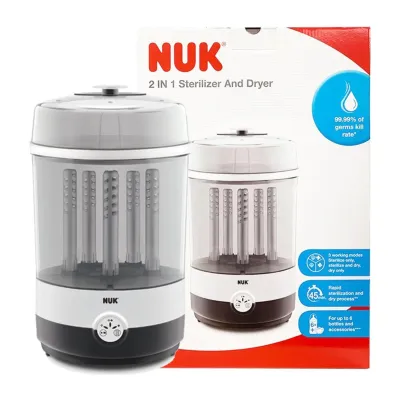
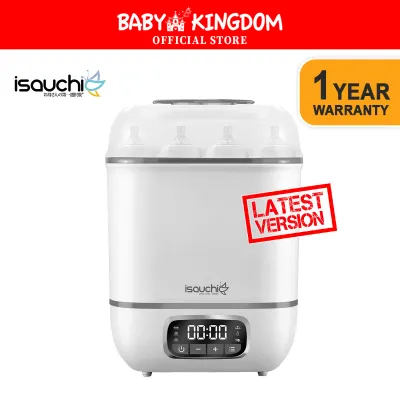
Electric steam sterilizers, which are sometimes searched for or referred to as a steam vaporizer for baby items, operate by heating water to its boiling point to generate high-temperature steam. This steam typically reaches around 100°C, creating an environment that kills common household bacteria, viruses, and mold. This method is highly favored in warm, humid climates like Singapore, where damp bottle parts left on a drying rack can quickly harbor harmful microbial growth.
Products mentioned in this guide
![[China Plug Without Adapter] Bear | Steam Sterilizer with Drying Function Baby Use](https://img.lazcdn.com/g/ff/kf/S8de02e85c6f54407855c73203763d971K.jpg_400x400q80.jpg_.webp)
![[1 Yr Local Warranty ]Isa Uchi 4-in-1 Steam Sterilizer & Dryer](https://img.lazcdn.com/g/p/76e1b5ece10dc4291da6a05829748213.png_400x400q80.png_.webp)
Prices are valid at publication and may change. Please refer to the product page for the latest price.

Understanding the heat tolerance of your baby bottles is essential because exposing materials to temperatures beyond their limit can compromise their structural integrity. Exceeding a plastic bottle’s glass transition temperature or melting point can cause subtle warping, micro-cracks, or potential chemical leaching. Even if a bottle looks intact, repeated exposure to temperatures near its maximum limit can weaken the molecular bonds of the material.
To ensure safety, caregivers should look for the resin identification code stamped on the bottom of plastic bottles and cross-reference it with the manufacturer’s maximum temperature rating. Relying solely on a generic material name is risky, as some brands incorporate proprietary additives or thin-walled designs that alter how the material reacts to intense steam.
Material Compatibility Guide: Glass, PP, PPSU, and Silicone
Glass: The Heat-Resistant Standard
Borosilicate and tempered glass are classic choices that easily withstand standard steam sterilization temperatures. These materials are highly stable, meaning they will not warp, degrade, or leach chemicals even after hundreds of sterilization cycles. This makes glass an exceptionally durable option for long-term use, provided it is handled with care.
However, glass is highly susceptible to thermal shock, which occurs when a rapid temperature change causes the material to expand or contract unevenly. To prevent shattering, avoid placing cold glass bottles directly into a hot steam sterilizer, and never plunge hot bottles into cold water immediately after a cycle. Always let the bottles cool down gradually inside the sterilizer before handling them.
Caregivers must also inspect glass bottles for chips, scratches, or micro-cracks before and after every sterilization cycle. Even a tiny, barely visible hairline crack can expand under the pressure of hot steam, causing the bottle to break during sterilization or, worse, while feeding your baby. If any physical damage is detected, stop using the bottle immediately.
Polypropylene (PP): Safe but Prone to Wear
Polypropylene, commonly identified by the Recycling Code 5, is a lightweight and budget-friendly plastic widely used for baby bottles. It is generally approved for steam sterilization up to temperatures of 100°C to 110°C, making it safe for standard electric steam sterilizers. Because it is BPA-free, it remains a popular choice for daily feeding.
The primary drawback of PP is its vulnerability to repeated heat exposure. Over time, frequent steam cycles cause PP to become cloudy, brittle, and prone to developing micro-scratches on the inner walls. These tiny scratches are not just cosmetic issues; they can harbor microscopic milk residue and bacteria that steam cannot easily reach or eliminate.
Due to this rapid degradation, PP bottles require more frequent replacement than other materials. It is generally recommended to replace PP bottles every 3 to 6 months, or immediately if you notice visible wear, stickiness, persistent cloudiness, or warping. Regularly checking the physical condition of PP bottles is vital to maintaining a safe feeding routine.
Polyphenylsulfone (PPSU): High Heat Tolerance and Durability
Polyphenylsulfone (PPSU) is a premium plastic that combines the lightweight benefits of plastic with the high durability of glass. PPSU can withstand exceptionally high temperatures, often up to 180°C or 200°C, depending on the specific manufacturer’s formulation. This extreme heat tolerance makes it highly resistant to repeated steam sterilization without any risk of warping or chemical degradation.
You can easily recognize PPSU bottles by their signature natural amber or honey-colored tint. Beyond its heat resistance, PPSU is highly durable and resists absorbing odors, stains, or milk fats, which often plague standard PP bottles. This makes PPSU a highly practical choice for parents who want a long-lasting, low-maintenance plastic bottle.
Despite its robust nature, PPSU is not entirely indestructible. Caregivers should still follow the specific brand’s care instructions and routinely inspect the bottles for physical damage. If you notice any deep scratches, cracks, or changes in the bottle’s shape, replace it to ensure continued safety.
Silicone: Flexible and Heat-Safe for Nipples and Sleeves
Medical-grade and food-grade silicone are highly flexible, synthetic polymers that offer excellent heat resistance. Silicone can easily withstand the 100°C temperature of steam sterilizers, making it perfectly safe for sterilizing bottle nipples, pacifiers, active valves, and protective bottle sleeves.
When sterilizing silicone accessories, ensure that any protective sleeves are explicitly labeled by the manufacturer as removable and sterilizable. Some decorative or low-grade silicone sleeves may not share the same heat-tolerance profile as medical-grade nipples, so verifying the product packaging is essential before exposing them to steam.
A key safety consideration is to avoid stretching, pulling, or assembling silicone nipples while they are still hot from the sterilizer. Hot silicone is temporarily more elastic and vulnerable to structural weakening. Pulling on a hot nipple can cause micro-tears or permanently alter the flow rate, which could lead to feeding difficulties or choking hazards for your baby.
Best Practices for Steam Sterilizing Baby Bottles
To achieve optimal hygiene and protect your feeding equipment, always fully disassemble all bottle parts before placing them in the sterilizer. This includes separating the nipples, collar rings, anti-colic vents, caps, and the bottle body. If these parts remain assembled, steam cannot penetrate the overlapping joints, leaving trapped moisture and potential bacteria behind.
When loading the sterilizer, place all items with their openings facing downward. This positioning allows the hot steam to rise directly into the interior of the bottles and nipples, ensuring complete coverage. It also prevents hot condensation from pooling inside the items, which can delay drying and encourage bacterial growth in humid environments.
Once the sterilization cycle is complete, allow the machine to cool down naturally before opening the lid or removing the items. Removing parts too quickly exposes them to rapid cooling stress and increases the risk of thermal burns to your hands. Always use clean, sterilized plastic tongs to remove the parts to avoid recontaminating them with oils or bacteria from your skin.
It is important to remember that steam sterilizers are designed to sanitize, not to clean. You must thoroughly hand-wash all bottle components with a dedicated bottle brush and mild, baby-safe detergent to remove all dried milk residue before sterilizing. Steam cannot penetrate dried milk fat, and sterilizing dirty bottles will only bake the residue onto the surface, ruining the material.
When to Replace: Signs of Material Degradation
Regardless of the material you choose, no baby bottle lasts forever. Caregivers must regularly inspect all feeding equipment for visual and tactile signs of wear. Key warning signs include persistent cloudiness in clear plastics, lingering sour odors that do not wash away, a sticky or tacky texture, visible cracks, chips, or changes in the nipple’s flow rate.
Micro-cracks and structural degradation are particularly hazardous because they create microscopic crevices. These crevices can harbor bacteria and milk proteins, shielding them from the sterilizing steam. If a bottle’s surface is compromised, the sterilization process becomes significantly less effective, posing a potential health risk to your infant.
If you observe any structural damage, significant discoloration, or changes in the material’s texture, dispose of the item immediately. When replacing components, always choose replacements that are fully compatible with your existing bottle system, and consult a pediatric professional if you have persistent concerns about feeding hygiene or material safety.
Frequently Asked Questions (FAQ)
Can I steam sterilize bottles with internal anti-colic vents?
Yes, bottles with internal anti-colic vents and straws are generally safe for steam sterilization, provided they are made of heat-safe materials like polypropylene (PP) or silicone. However, because these vent systems have intricate parts and narrow tubes, you must fully disassemble them and use a specialized, slim cleaning brush to scrub away all milk residue before placing them in the sterilizer. If any residue remains, the steam will not be able to sanitize the underlying surface effectively.
Is it safe to steam sterilize bottles that have been dropped?
You should strictly avoid steam sterilizing or reusing glass bottles that have been dropped, even if they appear undamaged. Dropping glass can cause invisible micro-fractures within the material that weaken its structure; when subjected to the high heat and pressure of steam, these micro-fractures can expand rapidly, causing the bottle to shatter inside the sterilizer or during a feeding session. For dropped plastic bottles, inspect them closely under bright light for deep scratches or cracks, and replace them immediately if any structural compromises are found.
Community discussion
Share your experience or ask a question. Comments are reviewed before publication.