
Parents often feel overwhelmed by the sheer volume of weaning accessories available, especially from popular brands like b.box. You do not need to buy the entire catalog at once. The key to a successful, budget-friendly weaning journey is matching your purchases directly to your baby’s current developmental milestones.
By focusing on what your child can physically do—such as sitting up, grasping objects, or swallowing purees—you can select only the essential items that support their immediate needs. This approach saves money, reduces kitchen clutter, and ensures you use each item during its optimal developmental window.
Identifying Your Baby's Current Weaning Signals
Recognizing when your baby is developmentally ready for solids is the first step in planning your weaning toolkit. Many parents make the mistake of purchasing an entire suite of feeding products months before their baby can actually use them. Instead, look for clear physical milestones that indicate your baby’s digestive system and motor skills are ready for food.
Products mentioned in this guide
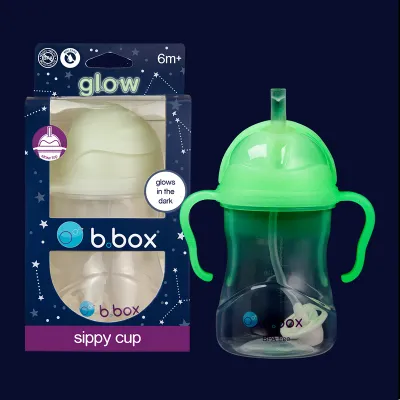
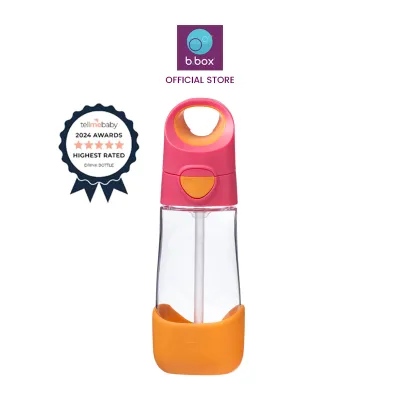
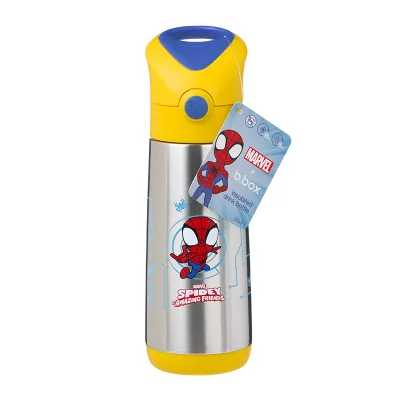
Prices are valid at publication and may change. Please refer to the product page for the latest price.
The most common sign of early weaning readiness is the ability to sit upright with minimal support. Your baby should also have good head and neck control, which is crucial for safe swallowing. If your baby still leans heavily to one side or cannot hold their head steady, it is best to wait before introducing any solid foods or specialized feeding gear.
Another key indicator is a keen interest in what you are eating. If your baby watches your fork move from plate to mouth, reaches for your food, or makes chewing motions, they are signaling curiosity. Additionally, the disappearance of the tongue-thrust reflex—where babies automatically push solid objects out of their mouth with their tongue—is a vital physiological sign that they are ready to try swallowing purees.
As your baby grows, their milestones will shift from passive swallowing to active self-feeding. You will notice them trying to grab the spoon from your hand, reaching into their bowl, or attempting to pick up small pieces of food using their fingers. Recognizing these distinct phases allows you to buy only the gear that matches their current physical capabilities, keeping your kitchen organized and your budget intact.
Early Weaning: Essential b.box Gear vs. What to Skip
When you first introduce solids, your baby’s food intake is incredibly small. During these initial weeks, the primary goal is introducing new textures and flavors rather than filling their stomach. Consequently, you do not need a vast array of specialized plates, dividers, or complex drinking cups.

A basic, small-capacity bowl and a few soft-tipped spoons are all you need to start. The bowl should be easy for you to hold in one hand while you feed your baby with the other. Soft-tipped spoons are essential because they are gentle on your baby’s sensitive, teething gums and help prevent accidental injury if they move suddenly during a feeding session.
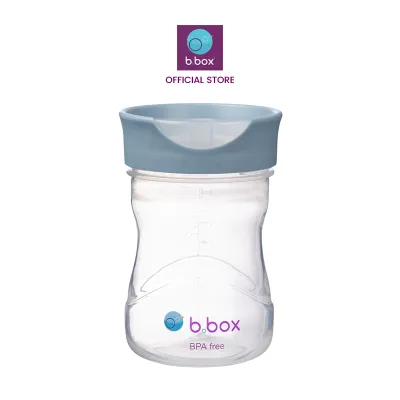
At this early stage, you should evaluate whether your baby actually needs a beginner training cup. Many infants continue to get all their hydration from breast milk or formula, meaning a specialized water cup can often be delayed. If you do want to introduce water, a simple open cup held by an adult or a basic free-flowing trainer cup is usually sufficient to help them practice the swallowing motion.
There are several product categories you can safely skip during the first month or two of weaning. Heavy-duty silicone bibs with large catch pockets are often too heavy and bulky for a six-month-old, sometimes causing them to slump forward. Similarly, complex divided plates and suction bowls are unnecessary because you will be doing all the scooping and feeding yourself. Keep your initial setup minimal to see how your baby responds to food before investing further.
Active Self-Feeding: When to Upgrade to Mess-Prevention Tools
As your baby approaches the eight-to-ten-month mark, their desire for independence will grow. This is the active self-feeding phase, where mealtime transitions from a controlled feeding session into a sensory exploration. This is also the stage where the right mess-prevention tools can save you hours of cleanup time.
You will easily recognize when standard fabric bibs are no longer sufficient. If your baby’s clothes are constantly stained with purees, or if soft food is sliding off their chest and landing in their lap, it is time to upgrade. A lightweight silicone bib with a deep, open catch pocket is highly effective at this stage, as it stays open to catch falling crumbs, liquids, and dropped finger foods.
This is also the ideal time to assess the need for suction bowls or spill-proof edge plates. When babies begin learning to scoop food with a spoon, they often push the bowl across the highchair tray, leading to frustration and spilled meals. A bowl with a strong suction base keeps the dish firmly in place, allowing your baby to focus on the motor skills required to guide food onto their utensil.
Furthermore, look for plates designed with a curved or raised edge. This structural feature acts as a barrier, making it much easier for your baby to push food onto their spoon independently. Without a raised edge, food often gets pushed off the side of the plate and onto the floor, increasing waste and cleanup effort.
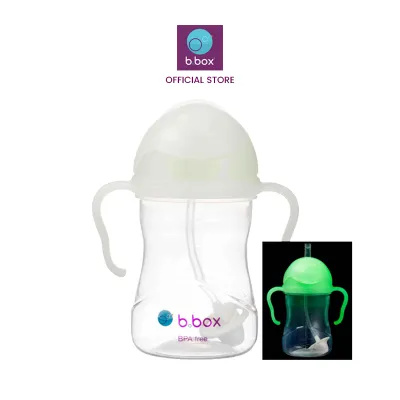
Drinking skills also advance rapidly during this period. If your baby has developed the hand-to-mouth coordination to lift objects reliably, they may be ready for a weighted straw cup. The weighted ball at the end of the straw moves with the liquid, allowing your baby to drink successfully even when holding the cup upside down or tilting it backward. This design minimizes spills and supports their transition toward independent drinking.
On-the-Go Feeding: Do You Really Need Portable b.box Gear?
Deciding whether to purchase portable weaning gear depends heavily on your family’s lifestyle and daily routines. If you spend most of your weekends at home or prefer to feed your baby before heading out, specialized travel gear may end up sitting unused in your cupboards.
However, if you frequently dine out at local cafes, visit family, or travel around Singapore, dedicated portable items can make a significant difference. Eating out with a weaning baby can be stressful, especially when highchairs at public venues lack clean trays or when you need to feed your child in a crowded space.
Compact travel bibs that roll up into a built-in pouch are incredibly convenient for these scenarios. These bibs often come with a soft spoon that tucks neatly inside the rolled pouch, keeping your diaper bag clean both before and after the meal. Once the meal is finished, you simply roll the dirty bib back into its pouch, zip it up, and wash it when you return home.
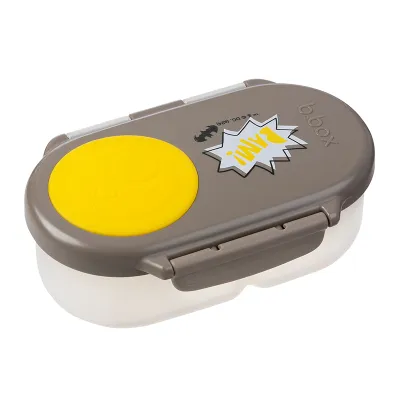
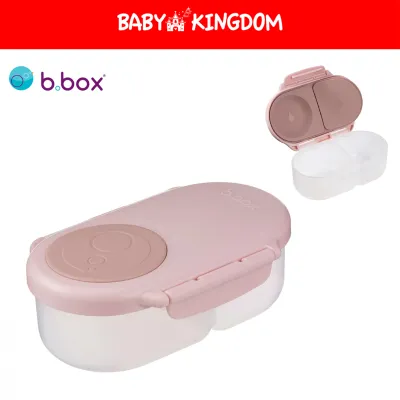
Leak-resistant snack pods and sealed straw cups are also highly practical for active families. These items prevent dry snacks from crushing and stop liquids from leaking onto your spare clothes and diapers. If you find yourself constantly packing makeshift plastic bags or worrying about spills in your bag, investing in one or two high-quality travel containers is a sensible choice.
On the other hand, if your outings are brief, you can easily use standard home gear. A simple airtight container from your kitchen and a regular bib packed in a reusable silicone bag can work just as well. Assess your actual weekly routine honestly before purchasing travel-specific items to avoid spending money on gear you rarely use.
The "Skip or Wait" Checklist: Avoiding Unnecessary Purchases
To help you streamline your kitchen and avoid buying redundant items, it is helpful to look at weaning gear through a “skip or wait” lens. Many brands offer multiple variations of the same basic tool, such as several different cup lids or multiple sizes of bowls. Buying these all at once often leads to clutter, as your baby may skip certain developmental steps entirely.
For example, you do not need to buy a complete cup transition set that includes a nipple lid, a spout lid, a straw lid, and an open cup lid. Most babies can transition directly from a bottle or breast to a straw cup or an open cup, making the intermediate spout lids redundant. Choosing one clear path for drinking can save you S$30 to S$50 on unnecessary accessories and simplify your storage.
Additionally, remember that general household items can often fill the gap temporarily. A small, durable plastic cup you already own can serve as an excellent open-cup trainer under your direct supervision. You do not always need a branded, specialized version of every household object to teach your baby how to eat and drink.
| Baby's Feeding Behavior | Family Routine | Recommended Action | b.box Item to Consider | Alternative / Action |
|---|---|---|---|---|
| Sitting with support, swallowing purees | Mostly eating at home | Wait / Skip | Straw cups, divided plates | Use standard small household bowls with careful supervision. |
| Grabbing at utensils, throwing bowls | Eating at home | Buy Now | Suction bowl, silicone pocket bib | Feed directly from a clean highchair tray; use easy-clean fabric bibs. |
| Drinking water independently, tilting cups | Active daily outings | Buy Now | Weighted straw cup, travel bib | Practice with a small open cup at home under close supervision. |
| Eating solid finger foods, sorting items | Mostly eating at home | Wait / Skip | Divided plates, snack cups | Serve food directly on the highchair tray or use a standard flat plate. |
| Toddler feeding, using metal utensils | Frequent travel or dining out | Wait / Skip | Toddler cutlery set, insulated food jars | Continue using soft spoons until motor skills are fully developed. |
Frequently Asked Questions (FAQ)
Are b.box weighted straw cups necessary for early weaning?
No, they are not strictly necessary when first starting solids. Early weaning focuses primarily on tasting and swallowing purees, with hydration still coming mostly from milk. Introduce a straw cup once your baby shows interest in independent drinking and has the motor skills to grasp and sip.
How do I clean and maintain b.box silicone bibs and suction bowls?
Always empty food debris from the catch pockets immediately after use. Wash the items with warm, soapy water using a mild detergent. To prevent mold or lingering odors, allow them to air dry completely in a well-ventilated area before storing. Check the manufacturer’s label on the packaging to verify if they are top-rack dishwasher safe.
Can I use b.box products in the microwave or dishwasher?
You must verify the safety symbols on the base of each specific product or check the manufacturer’s instructions. Many plastic and silicone components are dishwasher safe on the top rack, but certain parts, like weighted straw valves or metallic elements, may not be suitable for microwave heating. Always disassemble the parts fully before cleaning or heating to ensure safety and longevity.
Community discussion
Share your experience or ask a question. Comments are reviewed before publication.