
Quick Guide to Spectra Breast Pump Part Replacement
Maintaining a breast pump is essential for consistent milk expression. Over time, certain components of your Spectra breast pump will naturally degrade due to mechanical stress, moisture, and cleaning. Knowing which parts are consumables and when to replace them ensures your pump operates at its intended performance level.
Rather than relying on a single rigid timeline, the lifespan of these components depends on how often you pump, your cleaning and sterilization methods, and visible signs of wear. Consumable parts like silicone valves and membranes require regular replacement, while durable hardware like the motor unit is built to last.
Always consult your specific Spectra model’s user manual for exact manufacturer guidelines, safety warnings, and compatibility details. Regularly inspecting your setup helps prevent sudden drops in suction and maintains high hygiene standards.
Products mentioned in this guide
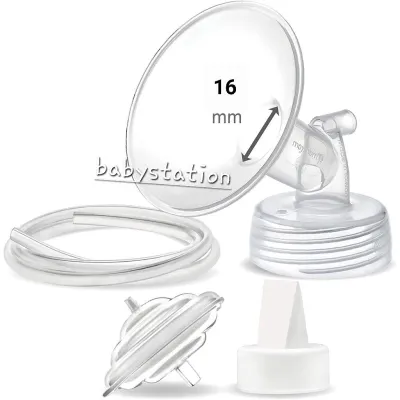
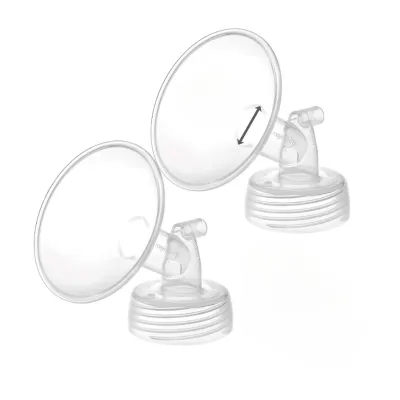
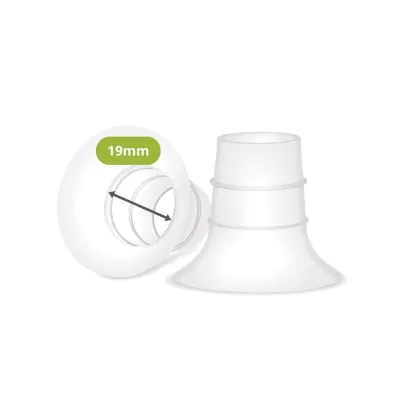
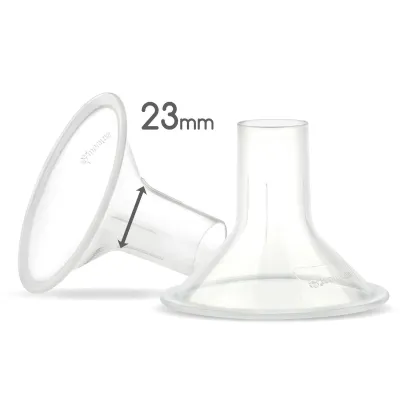
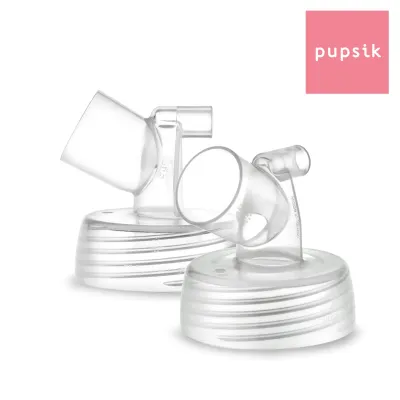
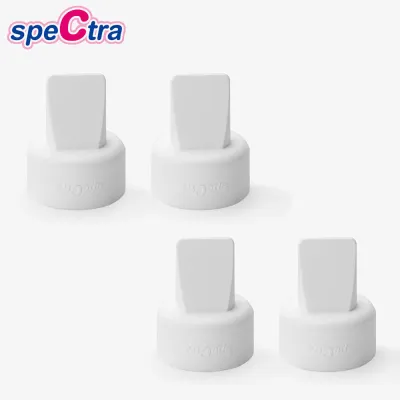
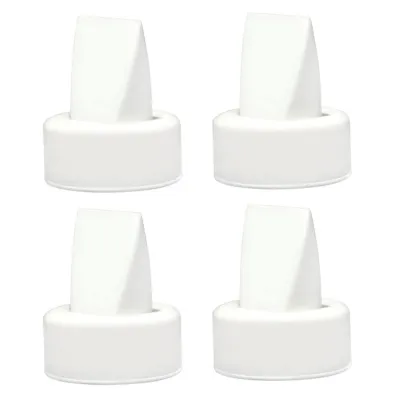
Prices are valid at publication and may change. Please refer to the product page for the latest price.
Which Spectra Parts Are Consumables?
To manage your pumping routine effectively, it helps to divide your Spectra pump components into two main categories: consumables and durable hardware. Consumable parts are those that experience constant mechanical stretching, come into direct contact with breast milk, or undergo regular washing and sterilization.

The primary consumable parts include:
- Duckbill Valves: These small silicone pieces regulate the flow of milk into the bottle and maintain the vacuum seal. Because they stretch with every suction cycle, they are highly prone to wear.
- Backflow Protectors: Consisting of a silicone membrane sandwiched between two plastic casings, these prevent milk from entering the tubing and motor. The silicone membrane inside stretches constantly and must remain completely intact to maintain a hygienic closed system.
- Breast Shields (Flanges): While made of harder plastic, flanges can develop micro-scratches, warping, or mineral buildup over time, which can affect comfort and seal quality.
- Tubing: Although milk should not enter the tubing in a closed-system pump, the ends can stretch out, slip off the ports, or accumulate condensation over time.
On the other hand, durable parts are designed for long-term use and typically only require replacement if they are physically damaged, cracked, or lost. This category includes the main pump motor unit, the power adapter, the internal rechargeable battery, and the hard plastic milk collection bottles.
To ensure you purchase the correct replacement items, check your original packaging or the manufacturer’s official resources to verify the exact part names and compatibility for your specific Spectra model, such as the S1, S2, or 9 Plus.
How to Tell When It Is Time to Replace Parts
Instead of waiting for a specific date on the calendar, you should regularly inspect your pump parts for physical and performance-based indicators. Recognizing these signs early prevents sudden drops in milk expression and maintains high hygiene standards.
A noticeable loss of suction is often the first sign of worn-out consumables. If you find yourself turning up the vacuum level higher than usual to achieve the same milk flow, or if your pumping sessions are taking significantly longer, the culprit is often a stretched valve or compromised membrane. Stretched duckbill valves or weakened backflow protector membranes cannot hold the vacuum efficiently, leading to a subtle but impactful drop in suction power.
Perform regular visual and tactile inspections of all silicone parts. Hold them up to the light and look for micro-tears, warping, or gaps in the duckbill valve’s opening when it should be completely closed. Over time, silicone can become cloudy, discolored, or develop a sticky, tacky texture. Any of these changes indicate that the material has degraded and can no longer perform reliably.
Hygiene concerns are another critical trigger for replacement. In warm and humid climates, moisture management is a constant challenge. If you notice persistent odors, dark spots that look like mold, or milk residue trapped in hard-to-reach crevices of the backflow protector or flange that cannot be safely washed away, it is time to discard the part. Similarly, if moisture or condensation finds its way into the tubing and does not dry out completely, replace the tubing immediately to prevent contamination.
If you suspect any structural compromise, cracking, or contamination in any part of your pumping setup, stop using those components immediately and replace them to protect your milk supply and your baby’s health.
What Determines How Often You Need to Replace Parts?
There is no universal schedule for replacing breast pump parts because every mother’s pumping journey is unique. Several factors influence how quickly these materials degrade:
Pumping frequency is the primary driver of mechanical fatigue. An exclusive pumping mother who expresses milk five to eight times a day will wear out silicone parts much faster than someone who only pumps once or twice a day to build a back-up supply. For high-frequency users, duckbill valves may need replacement every few weeks, whereas occasional users might find they last several months.
Cleaning and sterilization methods also play a significant role. Exposing silicone and plastic parts to high heat accelerates material breakdown. Frequent boiling, steam sterilizing, or using UV sterilizers can cause silicone to lose its elasticity and become brittle or warped sooner. While sterilization is crucial for infant safety, you must balance it with regular inspections of the parts’ physical integrity.
Environmental factors, such as high humidity, can increase the risk of moisture retention and microbial growth in tubing or connectors. In humid tropical environments, air-drying can take longer, and ambient moisture can linger in small crevices. High humidity increases the risk of mold and bacterial growth in non-washable parts like tubing if they are not stored in a well-ventilated, dry space.
Rather than relying solely on generic timelines found online, track your own daily usage patterns. Set a recurring reminder on your phone to perform a detailed visual and tactile inspection of all silicone components every two weeks.
Daily Care and Maintenance for Longer-Lasting Parts
Proper daily care not only maintains hygiene but also extends the usable life of your Spectra parts, saving you money and reducing waste. Follow these practical steps to keep your components in top condition:
Disassemble all parts that come into contact with breast milk immediately after pumping. Rinse them first with cold water to remove milk proteins, which can become sticky and hard to clean if left to dry. Wash the parts in warm, soapy water using a mild dishwashing liquid.
Avoid using harsh chemical cleaners, bleach, or abrasive scrubbing sponges, which can create micro-scratches where bacteria can hide and weaken the structural integrity of silicone. Use a soft brush or your fingers to clean delicate duckbill valves gently; pushing a bottle brush through the slit of a duckbill valve can easily tear the silicone.
Place all washed parts on a clean, dedicated drying rack or paper towel in a well-ventilated area. Ensure that backflow protectors and tubing are completely dry before reassembling the pump. If you ever notice moisture inside the tubing, run the pump for a few minutes with only the tubing attached to blow out the condensation, or replace it if the moisture persists.
Once fully dry, store your pump parts in a clean, dry, and covered container to protect them from dust, household pests, and airborne contaminants. Keep the storage container away from direct sunlight, damp areas, or extreme heat sources, as prolonged exposure to UV rays and heat can warp plastic and degrade silicone.
Frequently Asked Questions (FAQ)
Can I use third-party replacement parts for my Spectra pump?
While third-party replacement parts are widely available on online marketplaces, using them carries certain risks. Non-original components may not fit with the same precision as genuine Spectra parts, which can lead to air leaks, sudden suction loss, or milk backflow. In some cases, an improper fit can cause the pump motor to work harder, potentially straining the motor and shortening its lifespan.
Additionally, using unauthorized accessories may void your manufacturer’s warranty. If you do choose to consider alternative brands, it is vital to verify that the manufacturer provides clear documentation regarding material safety standards, ensuring the parts are made of food-grade, BPA-free silicone and plastic.
Why is my Spectra pump losing suction even after replacing the valves?
If you have installed brand-new duckbill valves but still experience weak suction, the issue may lie elsewhere in the assembly. First, check that all components are put together correctly; even a tiny gap in the backflow protector casing or a slightly misaligned silicone membrane can disrupt the vacuum seal. Ensure that the breast shield is pressed firmly against your breast and that the bottles are not cross-threaded.
Next, inspect the tubing for any tiny, invisible cracks, kinks, or loose connections where it plugs into the pump motor or the backflow protector. If the tubing slips off easily, the ends may have stretched out and need to be trimmed or replaced. If you have verified all connections and replaced all consumables, the pump motor itself may be losing power. In this case, consult the manufacturer or a qualified service technician to evaluate the unit.

Community discussion
Share your experience or ask a question. Comments are reviewed before publication.