
Introducing solid foods is an exciting milestone for parents in Singapore. As you transition your little one to a diverse diet, you might wonder when it is safe to introduce organic blackberries. Generally, babies can begin eating blackberries around six months of age, provided they have met the necessary developmental milestones for starting solids. These dark, flavorful berries offer a wonderful sensory experience, but their unique texture and small seeds require careful preparation to ensure a safe and positive feeding experience.
When to Introduce Organic Blackberries to Your Baby
Before offering organic blackberries, it is essential to evaluate your baby’s individual developmental readiness rather than relying solely on their age in months. Most pediatric guidelines suggest starting solid foods around six months. At this stage, your baby’s digestive system is mature enough to handle foods other than breast milk or formula. However, every child develops at their own pace, and observing physical cues is the most reliable way to determine if they are ready for this new culinary step.
Look for key signs of readiness in your infant. Your baby should be able to sit upright with minimal support and maintain good head and neck control. They should also show active interest in what you are eating, reach for food, and have lost the tongue-thrust reflex, which automatically pushes solid objects out of their mouth. If your baby still pushes food out with their tongue or cannot sit steadily in a high chair, it is best to wait a little longer before introducing textured fruits like blackberries.
Products mentioned in this guide
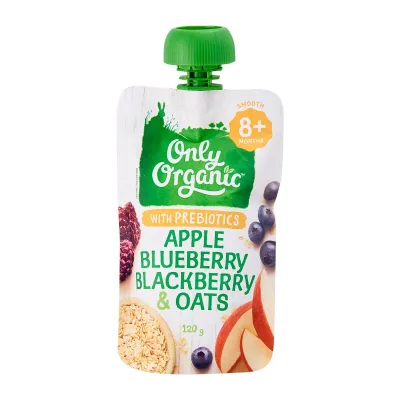

Prices are valid at publication and may change. Please refer to the product page for the latest price.
When shopping for baby food ingredients in Singapore, choosing organic blackberries is a common preference for many families. Checking the organic label and the ingredient list is a crucial step in verifying the quality of what you feed your infant. Look for recognized organic certification seals on the packaging to ensure the fruit was grown without synthetic pesticides or chemical fertilizers. If you are purchasing packaged blackberry purees or frozen options, read the ingredient list carefully to verify that there are no added sugars, artificial preservatives, or sodium, which are unsuitable for a developing baby’s diet.
How to Prepare Blackberries Safely for Different Ages
Whole blackberries present a significant choking hazard for infants due to their round shape, firm texture, and bumpy surface. To minimize these risks, you must modify the texture of the fruit to match your baby’s current chewing and swallowing capabilities. As your baby grows and refines their motor skills, you can gradually transition from smooth textures to more complex, soft finger foods.

For early eaters who are just starting solids at around six months, the safest preparation method is to create a smooth puree. Wash the organic blackberries thoroughly, then blend or food-process them until completely liquid. Because blackberry seeds can be large and abrasive for a young baby, press the puree through a fine-mesh strainer to remove all seeds before serving. You can also mash the berries thoroughly with a fork to create a textured mash once your baby has accepted smooth purees, but straining remains the safest option for the very first taste.
As your baby progresses to around nine months and develops the “pincer grasp”—the ability to pick up small objects between their thumb and index finger—you can introduce modified finger foods. Instead of serving whole berries, flatten each blackberry between your fingers or mash them slightly so they are no longer round or firm. Alternatively, cut each berry into small, thin pieces. This soft, flattened texture allows your baby to practice chewing with their gums while significantly reducing the risk of a whole berry blocking their airway.
Regardless of your baby’s age, always inspect each blackberry individually during preparation. Remove any remaining stems, leaves, or debris from the fruit. Occasionally, some blackberries may have unusually hard, underdeveloped green segments or exceptionally large seeds; discard these portions to ensure a uniform, soft texture. Always supervise your baby closely during meals, ensuring they sit upright and eat at a relaxed pace.
Potential Allergies and Side Effects to Monitor
While blackberries are not classified among the top common food allergens, any new food carries a small risk of triggering an allergic reaction or digestive sensitivity. Introducing organic blackberries as a single-ingredient food is the best way to monitor how your baby’s body responds. This means offering blackberries on their own, without introducing any other new foods for at least three to five days, allowing you to isolate the cause if an adverse reaction occurs.
It is important to distinguish between a mild digestive sensitivity and a true allergic reaction. The natural acidity in blackberries can sometimes cause a mild, localized skin redness around your baby’s mouth or a slight diaper rash. This is often a contact sensitivity to the fruit’s natural acids rather than an allergic response. However, a true allergic reaction involves the immune system and presents more systemic symptoms. Watch closely for signs such as hives, sudden swelling of the lips, tongue, or face, vomiting, diarrhea, or a sudden runny nose and watery eyes shortly after consumption.
If you observe any mild skin irritation, wash the area gently with warm water and consult your pediatrician for guidance on whether to continue offering the fruit. However, if your baby exhibits signs of a severe allergic reaction, such as difficulty breathing, wheezing, persistent vomiting, or swelling that spreads rapidly, stop feeding them immediately and seek emergency medical attention. Always trust your instincts and consult a qualified healthcare professional whenever you are uncertain about your baby’s physical response to a new food.
Selecting and Storing Organic Blackberries for Baby Food
In Singapore’s warm and humid climate, fresh berries can spoil rapidly if not selected and stored with care. When shopping at local supermarkets or organic specialty stores, perform visual and tactile checks to ensure you are buying the freshest produce. Look for organic blackberries that are plump, firm, and display a deep, uniform black color with a healthy matte shine. Avoid containers that show signs of moisture, mold, or bruising, and check the bottom of the punnet to ensure there are no crushed berries or leaking juices, which accelerate spoilage.
Proper washing is essential to remove dirt, natural debris, and any environmental residues from the berries’ textured surface. Wash the blackberries only right before you plan to prepare or consume them, as excess moisture during storage encourages mold growth. Rinse the berries gently under cool, running tap water, or submerge them briefly in a bowl of water mixed with a splash of distilled white vinegar, then rinse them thoroughly with clean water. Gently pat the berries dry with a clean paper towel or a soft cloth before mashing or pureeing.
If you have prepared a batch of blackberry puree, store it safely to maintain its freshness and nutritional value. Freshly prepared puree can be kept in an airtight container in the refrigerator for up to three days. For longer storage, spoon the puree into clean silicone ice cube trays and freeze them. Once frozen solid, transfer the berry cubes into a labeled, airtight freezer bag. This method allows you to thaw individual, pre-portioned servings as needed, reducing food waste and ensuring a convenient supply of organic baby food.
Frequently Asked Questions (FAQ)
Can babies eat the seeds in blackberries?
For young babies who are just starting solids around six months, it is best to strain out the seeds. Blackberry seeds are relatively large and can be difficult for an infant’s immature digestive system to process, sometimes passing through their system completely whole or causing mild digestive discomfort. Straining the puree through a fine-mesh sieve ensures a completely smooth texture that is easy to swallow. Once your baby is older, around nine to twelve months, and is successfully eating a variety of textured finger foods, their digestive tract and chewing skills will be better equipped to handle the small seeds in mashed or finely cut blackberries.
Are frozen organic blackberries safe for babies?
Yes, frozen organic blackberries are a safe, convenient, and highly nutritious option for baby food, especially when fresh berries are out of season or expensive. When purchasing frozen berries, check the packaging carefully to verify that the only ingredient listed is organic blackberries, with no added sugars, syrups, or preservatives. To prepare them safely, thaw the berries thoroughly in the refrigerator or heat them until steaming hot to eliminate any potential bacteria, then let them cool completely to a safe serving temperature before pureeing or mashing.
How often should babies eat blackberries?
Organic blackberries can be offered as part of a balanced, varied diet, but they should not dominate your baby’s meals. Fruit should be balanced with other essential food groups, including iron-rich foods, vegetables, healthy fats, and proteins. Offering blackberries two to three times a week in small, age-appropriate portions is generally sufficient. Always observe your baby’s natural satiety cues—such as turning their head away, closing their mouth, or pushing the food spoon away—and respect their appetite limits to foster healthy eating habits from the start.
Community discussion
Share your experience or ask a question. Comments are reviewed before publication.