
Water wipes are a popular choice for parents seeking a gentle, chemical-free way to clean their baby’s delicate skin. However, despite the prominent “99% water” marketing claims on the packaging, no commercial wet wipe is made of 100% pure water. Understanding the remaining 1% of ingredients is crucial for protecting your baby’s skin barrier, preventing painful diaper rashes, and avoiding hidden irritants.
While water-based wipes are significantly gentler than traditional options, they still require functional additives to remain safe and effective. Navigating these ingredient lists can feel overwhelming, but learning what to look for—and what to avoid—empowers you to make the safest choice for your child. This guide breaks down the science behind water wipes so you can select and use them with complete confidence.
The "99% Water" Claim: What Makes Up the Rest?
To understand water wipes, it helps to look at the chemistry of standing water. Pure water in a sealed, dark, warm plastic packet is a breeding ground for mold, yeast, and bacteria. Without any protective additives, a pack of pure water wipes would become contaminated with harmful microbes within days of manufacturing.
Products mentioned in this guide
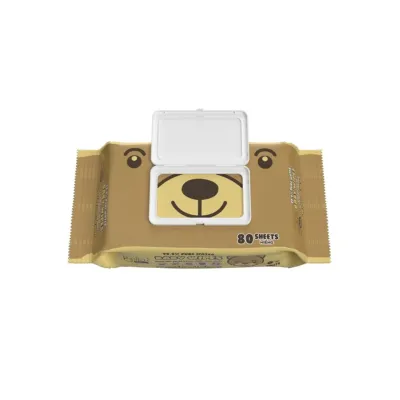
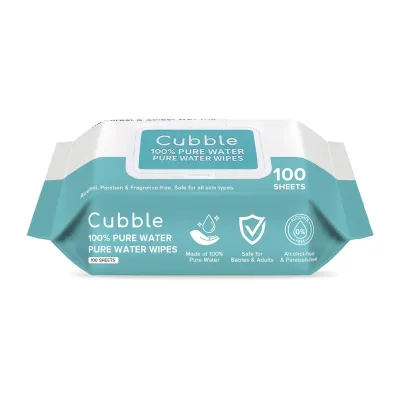
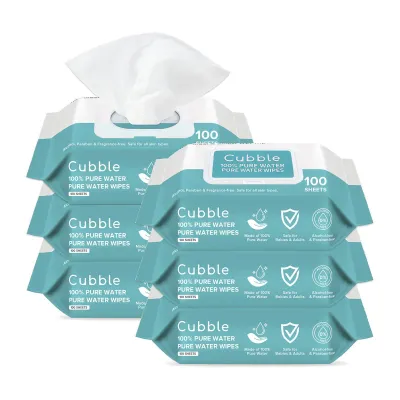
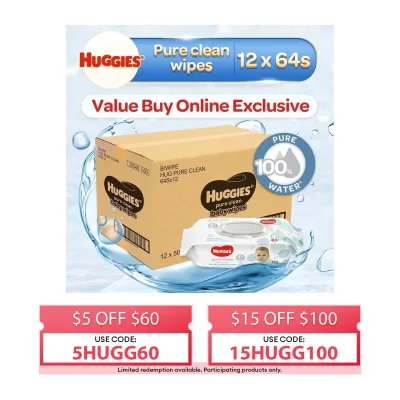
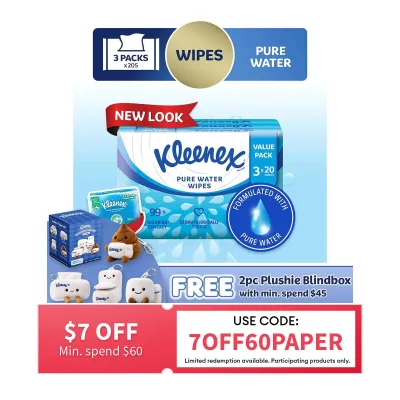
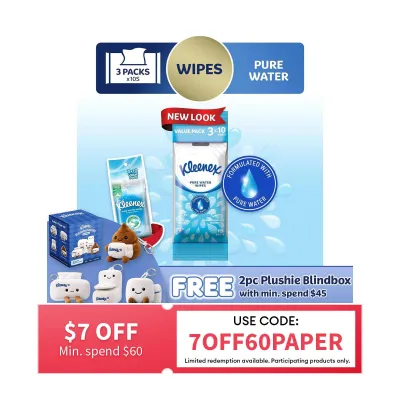
Prices are valid at publication and may change. Please refer to the product page for the latest price.
To prevent this spoilage, manufacturers must include a tiny fraction of other ingredients, usually making up 0.1% to 1% of the total formula. This remaining portion typically consists of mild preservatives, skin-conditioning agents, or gentle cleansing surfactants. While the water base provides hydration, the safety, shelf life, and skin compatibility of the wipe depend entirely on what constitutes that final 1%.
Parents should understand that truly “100% water” commercial wet wipes do not exist in retail packaging. If you want a completely additive-free option, your only choice is to purchase dry cotton wipes and wet them manually with fresh water right before use. For commercial convenience, however, a carefully formulated water wipe with safe, minimal additives is the next best alternative.
Functional Ingredients: What Cleans and Protects?
To make a wet wipe functional, manufacturers must balance preservation with skin safety. High-quality water wipes use minimal, low-risk ingredients to clean and protect the skin without causing irritation. Let’s break down the three primary categories of ingredients that make up the active portion of these wipes.

Preservatives and Antimicrobials
Without effective preservatives, wet wipes pose a severe risk of bacterial and fungal contamination. Mold spores and bacteria thrive in moist environments, especially when stored in warm diaper bags, nursery drawers, or humid bathrooms.
To keep wipes sterile and safe for use, reputable brands use highly diluted, mild preservatives. Common options include food-grade preservatives like sodium benzoate, potassium sorbate, or organic acids like citric acid, which also helps balance the pH of the wipe to match the natural acidity of healthy baby skin (typically around pH 5.5). If a brand claims to be completely “preservative-free,” treat this as a significant safety warning unless the wipes are dry and meant to be wetted at home.
Mild Surfactants and Cleansers
Water alone is excellent for hydrating, but it struggles to lift oily residues, sticky stool, or greasy barrier creams from your baby’s skin. This is where surfactants come in, acting as gentle cleansing agents.
Surfactants lower the surface tension of water, allowing it to mix with oils and lift dirt away easily without requiring harsh rubbing. In high-quality water wipes, manufacturers use incredibly mild, plant-derived surfactants such as decyl glucoside or coco-glucoside. These gentle cleansers are a stark contrast to harsh industrial surfactants like sodium lauryl sulfate (SLS), which can strip the skin’s natural lipid barrier and cause severe irritation.
Skin Conditioners and Moisturizers
Frequent wiping, even with the gentlest material, can cause friction and compromise the delicate outer layer of an infant’s skin. To counteract this, many formulations include skin-conditioning agents to soothe and hydrate.
Common moisturizing additives include glycerin, aloe vera, chamomile extract, or fruit extracts (such as grapefruit seed extract). Glycerin acts as a humectant, drawing moisture into the skin, while botanical extracts are designed to soothe irritation and reduce redness. However, parents must remain cautious: even natural, plant-derived botanical extracts can occasionally trigger allergic reactions or contact dermatitis in highly sensitive infants. If you notice localized redness or a rash after using a new brand, stop use immediately and consult a qualified healthcare professional.
Red Flags: Specific Ingredients to Avoid for Sensitive Skin
Not all water wipes are formulated equally. While many brands market themselves as “pure” or “natural” on the front label, the ingredient list on the back can sometimes reveal a different story. Here are the primary chemical additives to watch out for when evaluating products.
Fragrances and Essential Oils
Added scents are one of the most common triggers for allergic contact dermatitis in infants. A baby’s skin is up to 30% thinner than adult skin, making it far more permeable to synthetic chemicals and potential allergens.
It is critical to distinguish between “unscented” and “fragrance-free” products. “Unscented” wipes may still contain masking fragrances designed to neutralize the chemical smell of other ingredients, whereas “fragrance-free” indicates that no scent-producing chemicals have been added. Avoid synthetic fragrances (often listed simply as “parfum” or “fragrance”) as well as essential oils like lavender, tea tree, or citrus oils, which can easily sensitize compromised, eczema-prone, or newborn skin.
Harsh Preservatives
While preservatives are necessary, certain chemical options pose elevated risks of skin sensitization, allergic reactions, or long-term health concerns. Parents should actively avoid wipes containing parabens (such as methylparaben or propylparaben), methylisothiazolinone (MIT), and methylchloroisothiazolinone (CMIT).
MIT and CMIT are powerful allergens that have been widely restricted in leave-on cosmetic products globally due to their high rate of contact allergies. Additionally, while phenoxyethanol is a common and generally safe preservative in adult cosmetics, high concentrations can be irritating to a newborn’s compromised skin barrier. Always cross-reference the ingredient list rather than relying on vague front-of-pack claims like “hypoallergenic” or “dermatologist approved.”
Drying Alcohols
Alcohols are sometimes added to wet wipes to help the liquid evaporate quickly or to act as solvents, but they can be highly destructive to a baby’s skin. It is important to differentiate between fatty alcohols and drying, volatile alcohols.
Fatty alcohols, such as cetyl alcohol or stearyl alcohol, are non-irritating, wax-like substances that help emulsify ingredients and can actually moisturize the skin. Conversely, drying alcohols—such as ethanol, isopropyl alcohol, or alcohol denat—should be strictly avoided. These volatile alcohols strip the skin’s natural moisture barrier, leading to intense dryness, stinging on raw skin, and an increased susceptibility to diaper rash.
How to Read a Wipe Ingredient List Like a Pro
Navigating the chemical names on a baby wipe package can feel overwhelming, but you do not need a degree in chemistry to make safe choices. By using a systematic approach, you can quickly verify the safety of any product in the store or online.
First, look for a short, minimalist ingredient list. High-quality water wipes typically contain fewer than five to seven ingredients, with water (often listed as aqua) as the undisputed first ingredient, representing 99% or more of the total formula.
Second, verify the “fragrance-free” claim by scanning the entire list for terms like “fragrance,” “parfum,” or botanical oils. If you see these terms, the product is not truly fragrance-free, regardless of what the front of the package claims.
Third, look for reputable independent certifications and dermatological seals, such as the National Eczema Association seal or Allergy Certified marks. While these seals are helpful indicators of a product’s suitability for sensitive skin, remember that certifications can change, and they do not replace a thorough check of the actual ingredient list on the specific batch you are purchasing. Always check the manufacturer’s official website or product documentation to verify age suitability, especially if you plan to use the wipes on a newborn or a premature infant.
Storage and Shelf Life: Preventing Mold in Mild Wipes
Because high-quality water wipes rely on milder, food-grade preservatives rather than harsh chemical biocides, they require careful handling to prevent premature spoilage. This is particularly important in warm, humid climates.
In tropical environments, such as Singapore’s year-round humidity, the risk of mold and bacterial growth inside an opened package of mildly preserved wipes is significantly elevated. To protect your baby, store wipe packages in a cool, dry place out of direct sunlight, and avoid leaving them in hot cars or strollers for extended periods.
Ensure the resealable plastic lid or adhesive tab is pressed down firmly after every single use to prevent the wipes from drying out and to block airborne mold spores from entering. Never attempt to rehydrate a dried-out pack of wipes by pouring tap water into the bag; tap water is not sterile and will rapidly introduce bacteria into the moist environment.
Additionally, keep in mind that baby wipes are not designed to be flushed down the toilet. Even if a package claims to be “flushable,” they can easily clog household plumbing and municipal sewer systems unless explicitly certified as flushable by your local water authority’s strict standards. To be safe, always dispose of used wipes in a diaper pail or trash bin.
Frequently Asked Questions (FAQ)
Can I use water wipes on a newborn's face and hands?
Yes, high-quality water wipes formulated with minimal, food-grade ingredients are generally safe for wiping a baby’s hands and face after feeding or play. However, because a newborn’s skin barrier is exceptionally delicate during the first few weeks of life, pediatricians often recommend using a clean, soft cotton cloth dampened with warm, plain water instead of any commercial wipe. If your baby has active eczema, broken skin, or persistent facial rashes, stop using wipes on the face and consult a qualified healthcare professional for guidance.
Do water wipes expire, and is it safe to use them past the date?
Yes, water wipes absolutely expire, typically within one to two years from the manufacturing date if unopened, and usually within three to four weeks once the package is opened. Because these wipes utilize very mild preservative systems, the active antimicrobial ingredients degrade over time, losing their ability to suppress mold and bacterial growth. You should never use expired wipes or wipes that have dried out, changed color, or developed a sour or off-odor, as they pose a direct risk of introducing harmful bacteria to your baby’s skin and causing infections.
Community discussion
Share your experience or ask a question. Comments are reviewed before publication.