
When baby-proofing your home, choosing the right wall edge protector strip is one of the most effective ways to prevent painful bumps and serious injuries. As infants transition from crawling to cruising and walking, their coordination is still developing, making sharp wall corners, low-lying furniture edges, and structural columns significant hazards. To make an informed decision, you must evaluate several critical factors: the safety and durability of the material, the density and thickness of the cushioning, the reliability of the adhesive in humid conditions, and the specific geometry of the edges you need to cover.
In Singapore, where homes often feature solid masonry walls with sharp plastered corners, finding a protective solution that stays secure is particularly important. This guide will help you navigate the technical specifications of edge guards so you can select a product that matches your child’s developmental stage, your home’s interior surfaces, and your safety expectations.
Comparing Materials: Foam, Rubber, and Silicone Options
To choose the right wall edge protector strip, you must first understand the differences between the primary materials available on the market: Nitrile Butadiene Rubber (NBR) foam, dense vulcanized rubber, and silicone. Each material presents distinct trade-offs regarding impact deceleration, durability, cleaning requirements, and resistance to wear.
Products mentioned in this guide
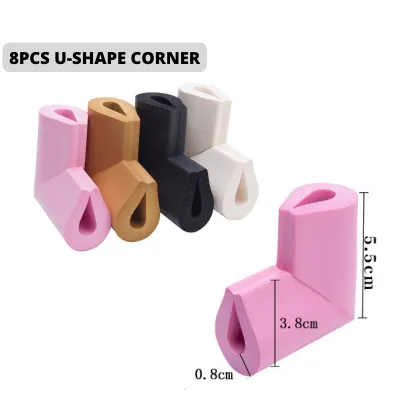
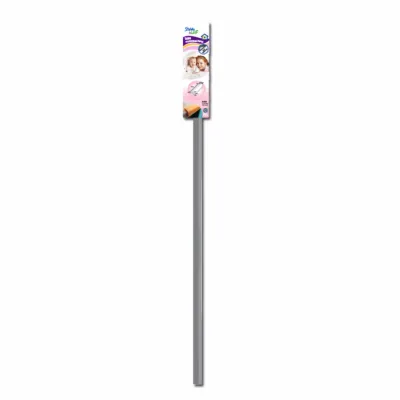
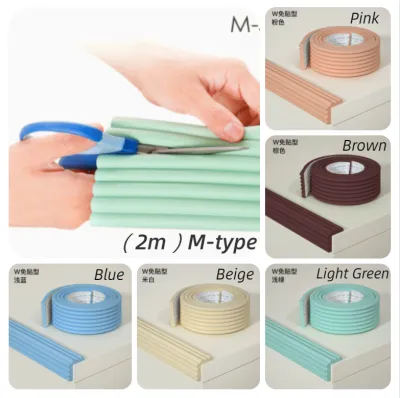
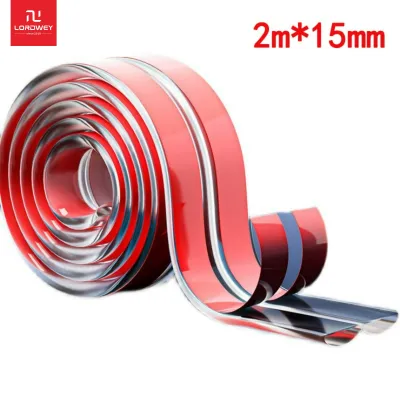
Prices are valid at publication and may change. Please refer to the product page for the latest price.
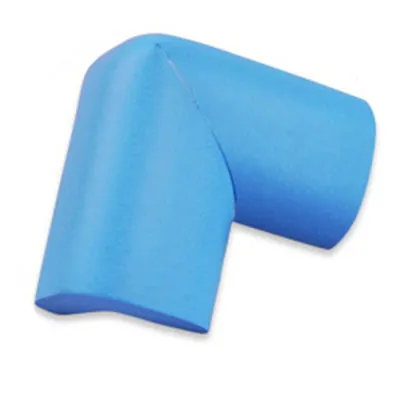
NBR foam is highly popular for baby-proofing because of its exceptional softness and high compressibility. When a toddler collides with an NBR foam guard, the material compresses quickly to absorb and distribute the force of the impact, significantly reducing the risk of bruising or cuts. However, NBR foam is relatively fragile. It is susceptible to tearing, scratching, and peeling, especially if your child decides to bite or chew on the strip. If the outer protective skin of the foam is punctured, it can also absorb liquids, making it harder to sanitize over time.
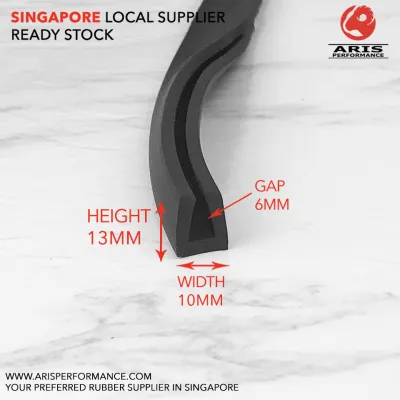
Dense rubber offers a much higher level of durability compared to NBR foam. It resists tearing, biting, and environmental wear, making it suitable for high-traffic areas or household zones exposed to heavy use. The trade-off is that dense rubber is significantly firmer than NBR foam. While it provides excellent protection against sharp structural corners, it does not offer the same pillowy deceleration during a high-velocity fall.
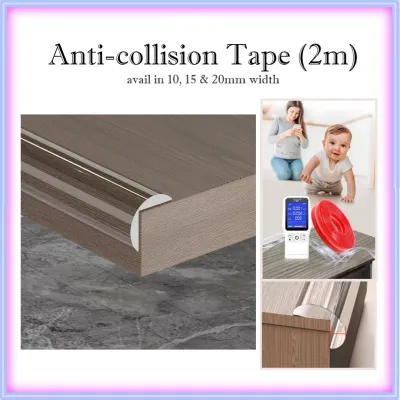
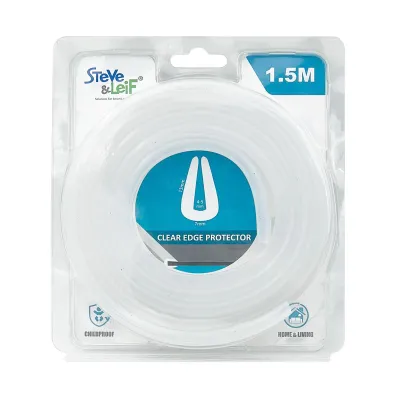
Silicone has become an increasingly popular choice for modern homes due to its clean aesthetic and excellent longevity. Often available in transparent profiles, silicone blends seamlessly with wooden, glass, or painted surfaces, making it less visually intrusive than bulky foam strips. Silicone is highly resistant to chewing, does not tear easily, and is entirely non-porous. This makes cleaning incredibly simple; you can easily wipe away sticky handprints, spilled milk, or dust with a damp cloth and mild soap. However, like dense rubber, silicone is firmer than NBR foam, meaning it provides moderate cushioning rather than maximum impact absorption.
When evaluating these materials, always check the product labels and manufacturer specifications for the exact material composition. Do not rely solely on generic marketing terms like “soft-touch” or “ultra-premium.” Understanding the core material allows you to match the protector to the specific risks in each room of your home.
Thickness and Density: Balancing Impact Absorption and Bulk
A common misconception when shopping for a wall edge protector strip is that a thicker profile always guarantees superior safety. In reality, the protective capability of an edge guard is determined by the relationship between its thickness and its material density.

Density refers to how closely packed the molecules of the material are, which directly influences how the guard behaves under pressure. If a foam strip is very thick but has a low density, it will compress completely to the hard surface beneath under even minor impact forces. This means your child’s head could still make contact with the sharp corner underneath despite the bulky appearance of the guard. Conversely, a high-density material can be relatively thin while still providing exceptional shock absorption, as it resists complete compression and decelerates the impact gradually.
To select the right balance of thickness and density, consider your child’s developmental stage and the sharpness of the target edges:
- Crawling and Cruising Infants (approx. 6 to 12 months): At this stage, children are moving at lower speeds but frequently lose their balance near low-lying surfaces like baseboards, low shelves, and TV consoles. A softer, medium-density guard with moderate thickness is often sufficient to cushion these low-impact falls.
- Active Toddlers (approx. 12 months and older): Once children begin running and jumping, they collide with objects with much greater kinetic energy. For high-risk areas like exposed masonry columns, fireplace hearths, and sharp dining table corners, you should prioritize high-density protectors that can withstand high-velocity impacts without bottoming out.
The profile shape of the strip also interacts with its thickness. L-shaped profiles are designed to cover standard 90-degree corners, providing equal thickness on both intersecting planes. U-shaped profiles wrap around thin edges, such as glass tabletops or metal shelves, securing both the top, bottom, and edge. Flat strips are best suited for wide, blunt surfaces where you want to add a layer of cushioning without altering the corner geometry.
Adhesive Strength and Surface Compatibility in Humid Climates
The effectiveness of any wall edge protector strip is only as good as the adhesive holding it in place. Choosing the wrong adhesive can lead to guards peeling off prematurely, creating a safety hazard, or damaging your home’s surfaces when the time comes to remove them.
Most edge guards utilize one of three primary adhesive types: double-sided acrylic tape, gel-based adhesive pads, or pre-applied pressure-sensitive backing. Acrylic tapes are highly regarded for their strong initial bond and clarity, making them ideal for transparent silicone guards. Gel pads are thicker and conform better to slightly uneven or textured surfaces.
Surface compatibility is a critical consideration. Smooth, non-porous surfaces like glass, varnished wood, and polished metal provide excellent adhesion for almost all tape types. However, painted drywall and plastered masonry walls—which are standard in Singapore homes—pose unique challenges. The adhesive can bond so deeply with the paint layer that removing the guard can tear the paint or plaster right off the wall.
In Singapore’s tropical climate, high relative humidity levels (frequently exceeding 80%) can severely impact adhesive performance. Moisture in the air can penetrate the edges of standard adhesives, causing them to lose their tackiness and peel away within a few months. When purchasing edge protectors, look for moisture-resistant acrylic adhesives specifically formulated to withstand warm, humid environments.
To ensure a long-lasting bond, proper surface preparation is essential. Begin by cleaning the application area thoroughly to remove dust, grease, and fingerprints. If compatible with the surface material, wipe the area with a lint-free cloth dampened with rubbing alcohol, and allow it to dry completely. Any moisture or dust trapped beneath the tape will compromise the adhesive bond.
Before applying any adhesive, always check the applied product’s label and the treated item’s manufacturer instructions. If the instructions conflict, or if you are unsure about the compatibility of the adhesive with a delicate surface, stop and consult the manufacturer. To minimize the risk of costly damage, always test a small, inconspicuous area before proceeding with full installation.
Sizing, Profiles, and Coverage Strategies for Different Edges
Before purchasing your wall edge protector strip, you must plan your coverage strategy and accurately calculate the amount of material required. A systematic approach ensures you do not run out of materials mid-way through baby-proofing or leave dangerous gaps.
Start by distinguishing between edge guards and corner guards. Edge guards are sold in continuous rolls or long straight strips, designed to cover the long, flat edges of walls, cabinets, or shelves. Corner guards are pre-molded, three-dimensional pieces designed specifically to fit over 90-degree corner intersections. Using a continuous edge strip and attempting to fold it around a sharp 3D corner often results in puckering, which weakens the adhesive and leaves a gap. For maximum safety, combine straight edge strips with matching pre-molded corner pieces.
When measuring your home, use a flexible measuring tape to record the length of all sharp edges at your child’s height level. Account for trimming allowances; when cutting continuous rolls, you will need a small amount of extra material to ensure neat, flush joints where the strips meet the corner pieces.
You will generally choose between purchasing pre-cut lengths or continuous rolls:
- Continuous Rolls: These offer the greatest flexibility and cost-effectiveness. You can custom-trim the material to the exact millimeter using heavy-duty kitchen scissors or a utility knife, minimizing waste and ensuring seamless coverage along long walls or custom furniture.
- Pre-Cut Strips: These offer convenience and save installation time, but they can limit your ability to cover non-standard furniture dimensions without leaving exposed gaps.
If you are working with a limited budget, prioritize high-risk zones first. Focus on low-lying coffee tables, sharp corners of TV consoles, exposed structural columns in high-traffic hallways, and any furniture edges that align with your child’s current head height. You can expand your coverage to other areas as your child grows and gains height.
Verifying Safety Standards and Non-Toxic Claims
Because infants and toddlers explore their world using their senses—including taste—it is highly common for them to bite, chew, or mouth wall edge protectors installed within their reach. Consequently, verifying the chemical safety and non-toxic credentials of these products is a paramount duty for caregivers.
Many low-cost edge guards contain harmful chemicals used to make plastics and foams soft and flexible. When purchasing these safety products, do not rely on vague marketing terms like “eco-friendly,” “natural,” or “child-safe” without verifiable backing. Instead, actively search the product packaging and manufacturer documentation for specific compliance marks and third-party testing certifications.
Look for declarations indicating that the product is:
- Phthalate-free: Phthalates are plasticizers often used in PVC and other plastics that have been linked to hormonal disruptions.
- BPA-free: Bisphenol A is a chemical compound used in certain plastics that should be avoided in children's products.
- Lead-free and Heavy Metal-free: Ensure the product complies with international safety standards, such as the European EN 71-3 standard (which regulates the migration of certain elements in toys) or the American ASTM F963 specification.
It is important to remember that no edge protector is completely indestructible or chew-proof. If a child manages to bite off a piece of foam, it poses an immediate choking hazard, regardless of whether the material is non-toxic. Caregivers must maintain active supervision and inspect the edge guards daily. If you notice any signs of tearing, loose adhesive, or damage, stop using the product immediately and replace it to maintain a safe environment.
Frequently Asked Questions (FAQ)
How do I remove edge protector adhesive without damaging painted walls?
Before attempting to remove any adhesive, check the condition of your wall paint and read the adhesive manufacturer’s removal instructions. A low-risk, reversible method involves using a hairdryer on a low or medium heat setting to gently warm and soften the adhesive backing. Once the adhesive is warm and pliable, slowly peel the strip back at a 180-degree angle, keeping it parallel to the wall rather than pulling it straight outward. If any sticky residue remains, use a mild adhesive remover or a drop of vegetable oil, testing a hidden spot first to ensure it does not stain. Avoid harsh chemical solvents or forceful peeling, which can easily tear fragile plaster or paint layers.
Can I use wall edge protectors on textured or wallpapered surfaces?
Adhering standard edge protectors to highly textured paint, concrete, or delicate wallpaper is highly challenging. The uneven surface reduces the contact area of the adhesive, leading to premature peeling, while wallpaper is highly susceptible to tearing upon removal. Consult the adhesive manufacturer’s compatibility chart before attempting installation on these surfaces. If standard adhesive tapes are unsuitable or risk ruining expensive wallpaper, consider alternative non-adhesive mounting options, such as free-standing safety barriers, or adjust your furniture layout to block access to those specific sharp corners.

Community discussion
Share your experience or ask a question. Comments are reviewed before publication.