
Choosing the right diaper bag insert requires balancing the physical dimensions of your existing bag, the durability of the materials, and a pocket layout that matches your daily parenting routine. Instead of purchasing a dedicated diaper bag that might not match your personal style, a high-quality insert allows you to transform your favorite designer tote, casual backpack, or everyday shoulder bag into a fully organized nursery station. The ideal insert should slide in smoothly without distorting your bag’s exterior silhouette, remain lightweight when empty, and feature wipeable surfaces to handle inevitable spills. By focusing on precise measurements, material resilience, and practical compartment design, you can create a highly functional, customized carrying system that adapts to your child’s changing needs.
Measure Your Bag: Ensuring Size and Shape Compatibility
To find an insert that fits seamlessly, you must first measure the interior dimensions of your host bag. Do not rely on the manufacturer’s external dimensions, as interior linings, seams, and pocket structures can reduce the actual usable space. Use a flexible measuring tape to measure the length and width of the bag’s interior base. Next, measure the height from the base to the zipper or top opening, leaving at least two to three centimeters of clearance so the insert does not interfere with the bag’s closure mechanism.
Pay close attention to the shape and tapering of your host bag. Many popular tote bags are wider at the top and taper significantly toward the bottom. If you choose an insert based solely on the top opening’s width, it may bunch up or stretch the seams at the base of your bag. Conversely, an insert that matches the bottom width perfectly might leave empty, unused space at the top, which can cause the bag to sag or lose its shape.
Products mentioned in this guide
![[Local Shop] Basic Portable Diaper Organizer Caddy Bag Handbag Insert Nursery Nappy Storage Holder](https://img.lazcdn.com/g/p/8f0eab4f98f6ffd11d230cf6e26c3ebb.jpg_400x400q80.jpg_.webp)
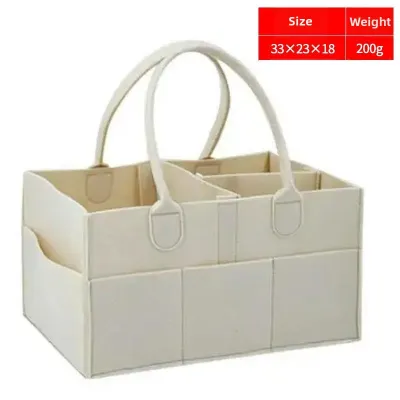
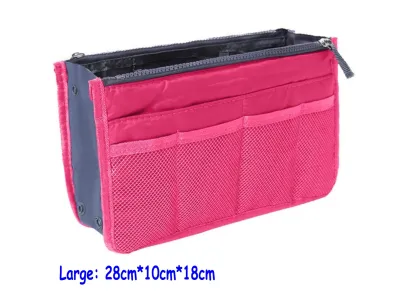
Prices are valid at publication and may change. Please refer to the product page for the latest price.
Consider the weight capacity and structural integrity of your host bag’s straps and handles. A structured insert filled with diapers, wipes, bottles, and spare clothes can easily add two to three kilograms of weight. If your host bag is made of lightweight canvas or has thin, unreinforced shoulder straps, the added weight of a fully loaded insert can cause discomfort or even damage the bag’s stitching. Ensure your bag is robust enough to handle the concentrated load before selecting a heavy, highly structured insert.
The choice between a rigid and a flexible insert base depends heavily on your bag’s silhouette. Rigid bases are excellent for slouchy, unstructured bags like canvas totes, as they provide a solid foundation that keeps the bag upright and prevents it from collapsing when placed on a flat surface. Flexible bases, on the other hand, are better suited for contoured bags, backpacks, or soft leather shoulder bags, allowing the insert to conform naturally to your body and the bag’s natural curves without creating awkward bulges.
Select Materials for Easy Cleaning and Durability
The materials used in your diaper bag insert directly impact its longevity, hygiene, and how well it protects your host bag. Look for water-resistant or wipeable interior linings made from high-quality nylon, polyester, or thermoplastic polyurethane (TPU). These synthetic fabrics prevent spilled milk, water, or liquid baby food from seeping through the insert and staining the interior of your host bag. Absorbent fabrics like cotton canvas or untreated felt should generally be avoided for interior linings, as they can trap moisture, leading to stubborn odors, staining, and mold growth over time.

Before making a purchase, always check the manufacturer’s care instructions to see how the insert should be cleaned. Some inserts feature removable, machine-washable liners or are entirely machine-washable on a gentle cycle. However, many structured inserts contain internal plastic or cardboard stiffeners to maintain their shape, meaning they are strictly spot-clean only. If you anticipate frequent spills, prioritizing an insert with machine-washable components or a highly wipeable surface will save you significant time and effort.
The exterior material of the insert is just as important as the interior. Coarse felt, rough canvas, or exposed metal zippers on the outside of the insert can rub against the delicate lining of your host bag. Over time, this friction can cause pilling on fabric linings or scratch fine leather and satin interiors. Opt for inserts with smooth, soft exterior fabrics and covered seams to ensure your host bag remains protected from friction damage during daily use.
Match Compartment Layouts to Your Daily Routine
An effective diaper bag insert must align with your daily routine and the specific items you need to carry. Look for essential organizational zones that keep high-priority items within easy reach. Insulated bottle holders are crucial for keeping milk, formula, or water at a safe temperature while preventing condensation from dampening other items. Quick-access pockets for baby wipes are another must-have, allowing you to grab a wipe instantly during a diaper change or a sudden spill without rummaging through the entire bag. Secure zippered compartments are also valuable for storing your personal items, such as keys, a wallet, and a phone, eliminating the need to carry a separate handbag.
Your pocket requirements will naturally shift as your child grows, so choose an insert that can adapt to different developmental stages. For newborns, you will need multiple small, dedicated compartments to organize small bottles, pacifiers, diaper rash creams, and numerous diaper changes. As your baby transitions into a toddler, your storage needs will shift toward larger, bulkier items like sippy cups, snack containers, toys, and a change of clothes. An insert with adjustable or removable dividers allows you to reconfigure the interior space to accommodate these larger items as your child’s needs evolve.
Be cautious of inserts that feature an excessive number of small, fragmented pockets. While a layout with dozens of tiny compartments might look highly organized in product photos, it can actually waste usable space and make retrieving items difficult in an emergency. Tight, narrow pockets often cannot accommodate standard-sized baby wipe packs, thick board books, or bulky winter clothing. A balanced layout with a mix of large open spaces, medium-sized pockets, and a few secure zippered sections offers the greatest flexibility for daily parenting tasks.
Identify Convenience Features for On-the-Go Use
Beyond basic storage, certain convenience features can significantly enhance the daily usability of your diaper bag insert. Look for modular designs that include detachable components, such as removable changing mats, insulated bottle sleeves, or pacifier pods. These modular elements allow you to streamline your bag for quick trips where you only need the essentials, or expand your storage capacity for longer day trips.
Secure attachment mechanisms are highly practical for active parents on the go. Some inserts come equipped with integrated stroller straps or clips, allowing you to lift the entire insert out of your host bag and hang it directly on your stroller’s handlebar. This feature is incredibly convenient when navigating tight spaces where carrying a large shoulder bag is impractical. Additionally, a built-in key leash or lanyard ensures you can locate your keys instantly without having to search through deep pockets while holding your baby.
Always evaluate the empty weight of the insert before buying. Heavily structured inserts made from thick felt or dense canvas can weigh close to a kilogram even when empty. When you add diapers, wipes, bottles, a changing mat, and your personal belongings, the total weight can quickly become uncomfortable to carry on your shoulder. Look for inserts constructed from lightweight, high-density nylon or polyester, which provide excellent structure and durability without adding unnecessary bulk to your daily load.
Build Your Final Diaper Bag Insert Shortlist
To finalize your choice, create a personal priority matrix that balances your host bag’s physical limits against your must-have features. Start by filtering out any inserts that do not match your bag’s interior measurements, as an ill-fitting insert will only cause frustration. Once you have a selection of compatible sizes, prioritize your material preferences—such as wipeable linings—and essential pocket configurations that match your child’s current age.
Verify all product specifications, dimensions, and material claims directly against the manufacturer’s details and verified customer feedback on online marketplaces. Pay close attention to user reviews that mention how well the insert holds its shape over time and whether the zippers and seams withstand daily wear. Avoid relying solely on generic size labels like “Medium” or “Large,” as these sizing standards vary significantly between different brands.
Set a realistic budget for your purchase, keeping in mind that high-quality, durable diaper bag inserts typically range from S$20 to S$60. While it can be tempting to opt for the cheapest available option, investing slightly more in an insert with robust zippers, reinforced stitching, and highly wipeable materials will ensure it lasts through multiple developmental stages. Prioritize structural integrity and daily functionality over purely aesthetic details to get the best value for your investment.
Frequently Asked Questions (FAQ)
Can I use a regular bag organizer instead of a specific diaper bag insert?
Yes, you can use a standard handbag organizer, but it may lack several features essential for parenting. Regular organizers are typically designed for cosmetics, pens, and wallets, meaning they often lack insulated bottle pockets, waterproof linings, and spacious compartments for bulky baby wipes. While a standard organizer might suffice for short trips with an older toddler who requires minimal gear, parents of infants will likely find the lack of specialized, easy-to-clean compartments frustrating.
How do I clean a diaper bag insert after a major spill or leak?
For minor spills, immediately wipe the affected area with a damp cloth or a baby wipe to prevent liquids from soaking into the seams. For major leaks, always consult the manufacturer’s care label first. If the insert contains rigid cardboard or plastic support panels, avoid submerging it in water or placing it in a washing machine; instead, spot-clean the fabric with mild soap and warm water. If the insert is fully machine-washable, wash it on a gentle cycle with cold water and a mild detergent, then allow it to air dry completely in a well-ventilated area to prevent mold or mildew growth.
Community discussion
Share your experience or ask a question. Comments are reviewed before publication.