
Selecting a changing table pad in Singapore requires balancing space efficiency, tropical climate demands, and safety. Because many parents in Singapore live in compact apartments where space is at a premium, a changing pad must fit seamlessly onto existing furniture or compact changing stations. To make an informed purchase, you must evaluate precise dimensions, material breathability, waterproof capabilities, and robust safety restraint systems. This guide outlines the essential criteria to help you choose a durable, secure, and comfortable changing pad for your nursery setup.
Measure for Size and Furniture Compatibility
Before browsing online marketplaces or visiting local baby boutiques, you must obtain the exact measurements of your changing surface. Whether you plan to use a dedicated changing table, a wooden changing tray, or the top of a repurposed chest of drawers, measuring the depth, width, and height of the flat surface is the critical first step. A changing pad that is too large will overhang the edges, creating an unstable and highly dangerous platform for your baby. Conversely, a pad that is too small can slide around, leaving hazardous gaps where a baby’s limbs or small items could get trapped.
When measuring, pay close attention to the shape of the pad. Contoured pads, which typically feature two or four raised sides to help keep the baby centered, often have a rigid or semi-rigid structure. These pads require a flat surface that matches their footprint exactly, or a wooden tray with interior dimensions that can accommodate the pad without compressing its sides. Flat pads, on the other hand, are more flexible but still require a secure boundary or a highly slip-resistant surface to remain stable. If you are using a wooden changing tray that attaches to a dresser, measure the inside dimensions of the tray rather than the outer edges of the dresser top.
Products mentioned in this guide
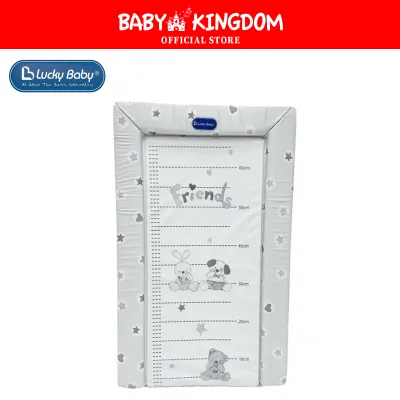
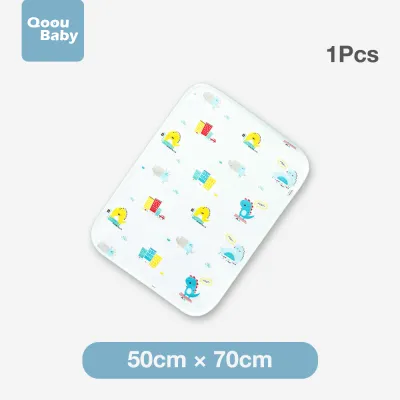
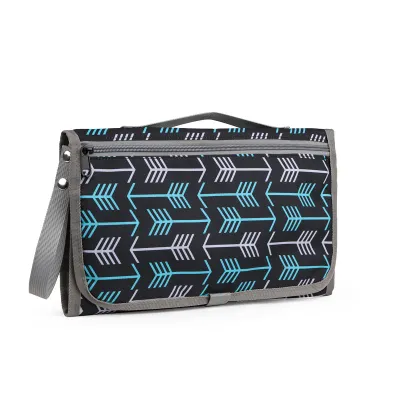
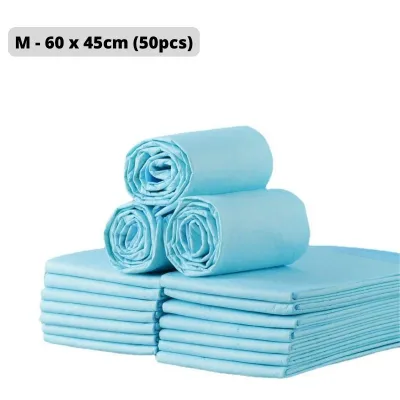
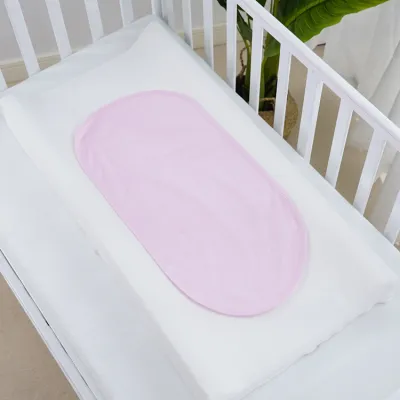
Prices are valid at publication and may change. Please refer to the product page for the latest price.
Another critical compatibility factor is the attachment mechanism. Many changing pads come equipped with security straps on the underside. These straps are designed to be screwed or fastened directly to the back of your dresser or changing table to prevent the pad from sliding forward or tipping. Before purchasing, inspect the back of your furniture to ensure there is a solid wood or secure laminate surface where these straps can be anchored. If your furniture has a thin backing board or an open metal frame, you will need to verify if the pad’s mounting hardware can be safely installed, or if you need to look for alternative securing methods, such as heavy-duty non-slip grip mats.
Evaluate Materials for Comfort and Easy Cleaning
The material composition of a changing table pad directly impacts both your baby’s comfort and your daily cleaning routine. In Singapore’s warm and humid tropical climate, material selection requires extra care. High humidity can trap moisture in non-breathable fabrics, leading to mold, mildew, and unpleasant odors. Therefore, you must look for materials that are highly water-resistant yet easy to keep dry and hygienic.

Wipeable waterproof covers made from materials like polyurethane or high-quality vinyl are highly practical for quick cleanups. A simple wipe with a damp cloth and a mild, baby-safe sanitizer is usually enough to clean up messes. However, there are distinct differences between these materials. Vinyl is exceptionally waterproof and durable, but it can feel sticky, hot, and non-breathable against a baby’s skin, especially in rooms without air conditioning. Polyurethane is often softer, more pliable, and less prone to cracking over time, making it a comfortable alternative that still offers excellent liquid resistance.
If you prefer fabric covers, ensure they are removable and machine-washable. Many parents choose to place a soft, breathable cotton or bamboo cover over a waterproof pad. If you go this route, look for covers with zippered enclosures rather than simple elastic edges, as zippered covers stay securely in place and do not bunch up. Additionally, check the product labels for stain-resistant treatments and verify that any coatings used are free from harmful chemicals.
Beneath the cover, the inner foam density determines the level of support. A pad that is too soft will sag under the baby’s weight, offering little protection against the hard wooden surface underneath. Press down on the foam to test its resilience; it should firmly support your hand and spring back immediately when pressure is released. Look for manufacturer certifications on the product label, such as CertiPUR-US or OEKO-TEX Standard 100, which indicate that the foam and fabrics have been tested for harmful substances, emissions, and flame retardants.
Verify Safety Features and Restraint Systems
Safety is the most critical consideration when selecting a changing table pad. Because infants become increasingly active and mobile as they grow, the physical mechanisms designed to keep them secure must be robust and reliable. The primary safety feature on most changing pads is the adjustable safety strap, which typically features a quick-release plastic buckle.
When evaluating safety straps, inspect the quality of the buckle and the strength of the anchor points where the strap connects to the pad. The strap should be securely stitched into the core structure of the pad, not just the outer cover, to prevent it from tearing under tension. The buckle should be easy for a caregiver to operate with one hand but secure enough that a curious toddler cannot easily undo it. Remember that while these straps help position the baby and prevent sudden rolls, they are not a substitute for active supervision. You must always keep at least one hand on your baby during a diaper change, regardless of the restraint system in use.
The base of the changing pad must also feature effective non-slip properties. Look for pads with a textured rubber or silicone grip pattern on the underside. This friction-based backing prevents the pad from sliding across smooth wooden, laminate, or glass furniture surfaces when the baby moves. Some pads also include adhesive strips or hook-and-loop fasteners to provide extra stability.
Finally, always review the manufacturer’s stated weight limits and age recommendations printed on the product packaging or instruction manual. Most standard changing pads are designed for babies up to approximately 13.6 kilograms or until they reach a certain age or developmental milestone, such as being able to sit up unassisted. Regularly check these guidelines as your baby grows, and prepare to transition to changing your baby on a floor mat once they exceed the recommended limits or become too active for an elevated changing station.
Adapt to Space Constraints and Lifestyle Needs
Singapore’s diverse housing landscapes, ranging from compact HDB flats to spacious condominiums, require parents to be highly strategic about nursery layouts. If you are working with a smaller nursery or a shared master bedroom, a massive, permanent changing table may not be practical. In such cases, compact, dresser-top changing pads are highly efficient. These pads allow you to convert the top of an existing chest of drawers into a temporary changing station, preserving valuable floor space for other essentials.
For families who prefer flexibility, portable or travel-friendly changing pads are an excellent alternative. These lightweight, often foldable pads can be easily carried from the bedroom to the living room, or packed into a diaper bag for outings and visits to relatives. Some portable pads feature integrated storage pockets for diapers and wipes, making them a self-contained changing station that can be set up on any safe, flat surface.
Aesthetic integration is another factor to consider. Since the changing station is often a prominent feature in the nursery or bedroom, choosing a pad with a neutral color palette—such as soft greys, whites, or pastel tones—can help it blend seamlessly with your existing decor. Reversible covers or pads with minimalist patterns offer versatility, allowing you to refresh the look of the changing area without purchasing entirely new equipment.
Build Your Conditional Shortlist for Purchase
Once you understand your spatial, material, and safety requirements, you can build a targeted shortlist of changing pads available from local retailers and online marketplaces. Start by defining your absolute must-have features based on your specific setup. For example, if you are repurposing an existing dresser, your shortlist must prioritize pads that include secure mounting straps and a highly effective non-slip base.
Next, establish a realistic budget. In Singapore, changing table pads can range from approximately S$30 for basic foam models to over S$150 for premium, organically certified, or highly specialized contoured designs. While it is tempting to opt for the least expensive option, prioritizing durable, wipeable materials and robust safety mechanisms will save you money and stress in the long run, as a high-quality pad can last through multiple infancy stages.
Before finalizing any purchase, read verified buyer reviews on local e-commerce platforms and parenting forums. Pay close attention to feedback regarding long-term durability. Look for comments about whether the foam begins to sag or lose its shape after a few months of use, whether the waterproof cover cracks or peels in Singapore’s humid climate, and whether the safety straps remain secure over time.
Lastly, verify the seller’s credentials and the product’s return policy. Purchasing from authorized local distributors or reputable baby specialty stores ensures that you receive a genuine product that complies with safety standards. It also makes it much easier to return or exchange the pad if you discover a manufacturing defect or find that the dimensions do not align with your furniture as expected.
Frequently Asked Questions (FAQ)
Do I need a contoured or flat changing table pad?
Contoured pads feature raised sides that help keep your baby centered and prevent them from rolling off the edges, making them a popular choice for elevated changing tables. However, they are typically bulkier and require a precise fit within a changing tray. Flat pads are thinner, highly portable, and easier to store, making them suitable for travel or quick changes on the floor. If you choose a flat pad for an elevated surface, you must ensure it has a highly secure non-slip base and that you always use the safety strap.
Can I use a regular towel or blanket instead of a changing pad?
While a folded towel or blanket can work in an emergency on the floor, they are not recommended as permanent substitutes for a dedicated changing pad on elevated surfaces. Towels and blankets lack non-slip backings, structural support, and secure anchor straps, which significantly increases the risk of the baby slipping or rolling off the furniture. Furthermore, they do not have a waterproof core, meaning liquid spills will quickly soak through to the furniture underneath, creating hygiene issues and potential damage.
Community discussion
Share your experience or ask a question. Comments are reviewed before publication.