
When buying baby cotton buds, you should look for built-in depth guards, securely wound cotton tips that do not shed fibers, flexible stick materials like paper or bamboo, and specialized shapes tailored to specific grooming tasks. Standard adult cotton buds are unsuitable for infants because they lack physical safety barriers and feature rigid sticks that can cause injury during sudden movements. Selecting the right baby cotton bud requires understanding how physical safety features, material composition, and tip shapes work together to protect your baby’s delicate skin, ears, and nose.
While grooming is a routine part of infant care, it carries inherent risks due to the unique anatomy and unpredictable behavior of babies. Investing in cotton buds designed specifically for infants helps minimize these risks, ensuring that daily hygiene remains safe and stress-free. By focusing on structural design rather than marketing labels, you can confidently choose grooming tools that protect your child from accidental injury.
Why Babies Need Specially Designed Cotton Buds
Infant anatomy differs significantly from that of adults, requiring specialized tools for even the most basic grooming tasks. A baby’s ear canal is remarkably narrow, short, and straight, with the delicate eardrum positioned much closer to the external opening than in an adult. Additionally, infant skin is up to thirty percent thinner than adult skin, making it highly susceptible to abrasions, micro-tears, and chemical irritation from rough materials.
Products mentioned in this guide
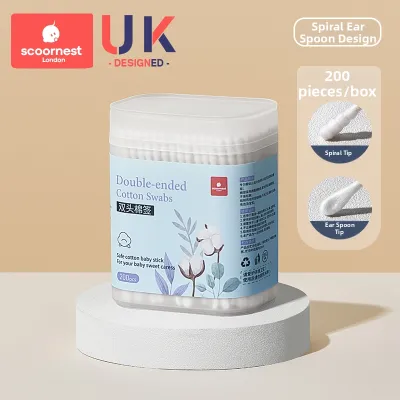
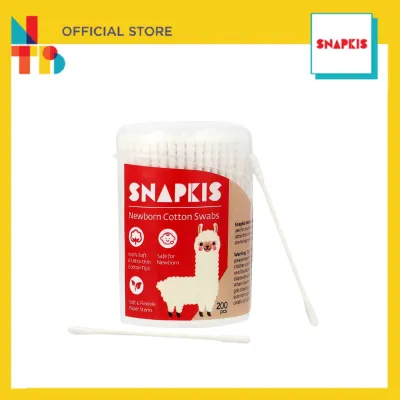
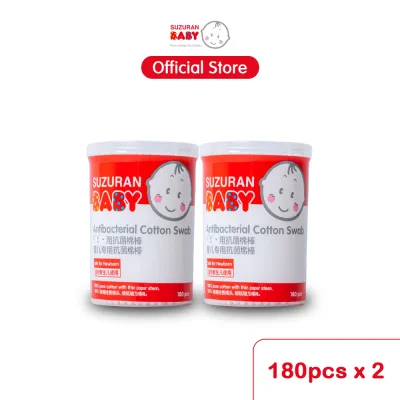

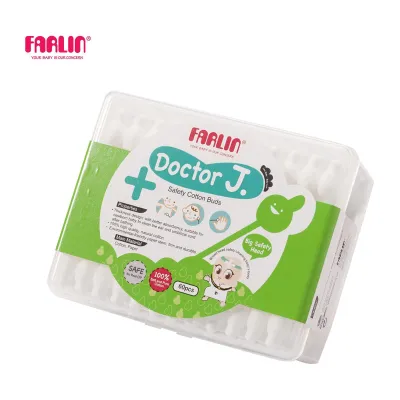
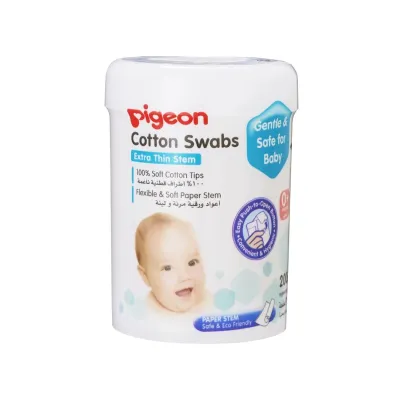
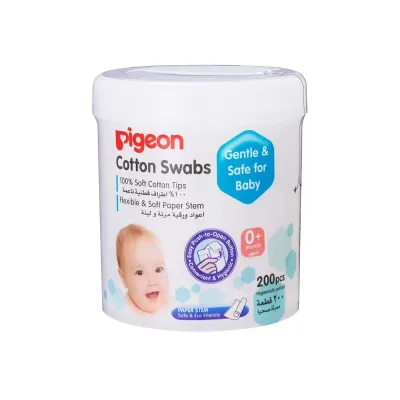
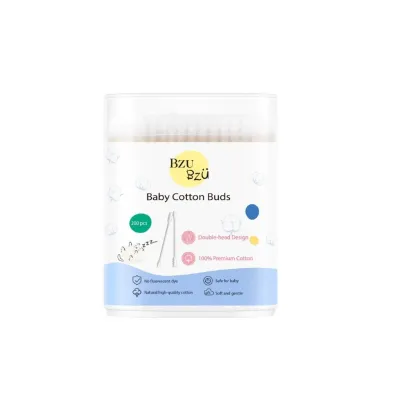
Prices are valid at publication and may change. Please refer to the product page for the latest price.
Behavioral realities make standard grooming tools highly dangerous when used on infants. Babies possess a strong startle reflex and are prone to sudden, unpredictable movements, squirming, or crying during grooming sessions. If a parent uses a standard adult cotton swab, a sudden jerk of the baby’s head can instantly drive the rigid stick deep into the ear canal or nasal passage, potentially causing severe pain, tissue trauma, or eardrum perforation.
Using adult-sized cotton buds also presents significant physical hazards. Because the cotton tips of adult swabs are relatively wide compared to a baby’s tiny openings, they tend to act like a piston. Instead of removing debris, they often push earwax or nasal mucus deeper into the canal, leading to painful impaction. Furthermore, standard swabs are frequently wound loosely, meaning they can shed tiny cotton fibers that remain in the baby’s ear, nose, or eyes, causing persistent irritation or secondary infections.
Dedicated baby cotton buds are not simply smaller versions of adult swabs; they are fundamentally redesigned tools engineered with specific safety tolerances. These specialized buds feature unique physical barriers, highly flexible shafts, and tightly bound fibers designed to accommodate infant anatomy and movement. Understanding these design differences is the first step in establishing a safe, effective hygiene routine for your little one.
Essential Safety Features to Prioritize
The core philosophy behind any baby grooming tool is injury prevention, particularly during moments of unexpected movement. When evaluating baby cotton buds, you must look past generic marketing claims such as “baby-safe” or “ultra-gentle.” Instead, focus on verifying specific, physical design characteristics that actively prevent harm.

Two primary safety mechanisms should dictate your purchase: built-in depth guards and securely wound cotton tips. These features work in tandem to prevent deep insertion and eliminate the risk of loose fibers detaching during use. Before purchasing any brand, parents should inspect the packaging and, if possible, the product itself to confirm these structural elements are present.
Relying solely on brand names or attractive packaging can lead to purchasing substandard products that compromise your baby’s safety. Always take the time to physically evaluate the structural integrity of the cotton buds. A well-designed safety bud should feel sturdy yet flexible, with a clearly defined shape that makes improper use mechanically difficult.
Built-in Depth Guards and Safety Stops
A built-in depth guard, or safety stop, is the most crucial physical feature of an infant cotton bud. This design incorporates a bulbous, flared, or stepped section on the stick immediately below the usable cotton tip. The sudden widening of the cotton head creates a physical barrier that is mechanically too wide to enter a baby’s tiny ear canal or nostril.
This physical limit acts as a fail-safe during grooming. If your baby suddenly flinches or turns their head while you are cleaning the outer ear, the bulbous guard will press harmlessly against the outer ear opening rather than allowing the tip to slide deep inside. This simple mechanical stop drastically reduces the risk of accidental eardrum puncture or deep nasal trauma.
When evaluating depth guards, pay close attention to the size and smoothness of the transition. The flared section must be wide enough to prevent insertion into a newborn’s ear, but it should also feature a smooth, rounded contour. Sharp or poorly molded edges on the guard can scratch the delicate skin of the outer ear (pinna) or the entrance of the nostril, leading to painful scrapes.
Avoid buying straight, uniform cotton buds that are marketed for babies but lack this bulbous safety shape. Shorter straight swabs do not offer any protection against over-insertion. A true baby cotton bud must have a highly visible, distinct bulbous profile that makes it virtually impossible to push the tip past the safe, external boundaries of the ear or nose.
Securely Wound and Firm Cotton Tips
The structural integrity of the cotton tip itself is a critical safety factor that is often overlooked. If the cotton fibers are wound too loosely around the stick, they can easily unravel, snag on tiny hairs, or tear when contacting dry skin or crust. Loose fibers left behind in a baby’s ear canal, nasal passage, or eye crease can cause severe physical irritation, blockages, or bacterial infections.
To ensure a product is safe, parents can perform a simple “pull test” on a sample swab before integrating a new brand into their routine. Take one cotton bud and firmly pull at the cotton tip with your fingers. The cotton should remain tightly bound to the stick without shedding loose threads, sliding off, or unraveling. If the cotton shifts or loses its shape easily, the product should not be used on an infant.
Finding the right balance between firmness and softness is key to a safe grooming experience. The cotton tip must be densely packed to maintain its shape and prevent the hard stick underneath from poking through. At the same time, the outer surface of the cotton must feel velvety soft to the touch, ensuring it does not abrade or irritate the baby’s highly sensitive skin during use.
Material Choices: Stick and Tip Composition
The materials used to construct both the stick and the cotton tip directly impact the safety, flexibility, and hygienic purity of the cotton bud. Traditionally, plastic was the standard material for cotton bud sticks, but modern safety standards and environmental considerations have shifted the preference toward paper and bamboo. Understanding how these materials behave under pressure is essential for making an informed choice.
When comparing stick materials, flexible paper or bamboo sticks are vastly superior to plastic for baby care. If a baby moves suddenly while you are holding a paper-stemmed bud, the paper stick is designed to bend, buckle, or give way under pressure. This flexibility absorbs the force of the impact, significantly reducing the risk of rigid trauma to the baby’s tissues. In contrast, rigid plastic sticks do not bend easily; they are far more likely to remain straight and cause puncture injuries, or worse, snap under sudden pressure and create sharp, jagged edges.
From a hygiene and durability standpoint, paper and bamboo sticks are highly reliable. While plastic sticks offer excellent moisture resistance, high-quality tightly wound paper sticks are treated to resist collapsing when wet, ensuring they maintain their structural integrity during brief grooming tasks. For baby care, the safety benefit of a bending paper stick far outweighs any minor durability advantage that plastic might offer.
Cotton tip purity is another vital consideration, especially for newborns and infants with highly sensitive skin or conditions like eczema. Standard cotton is often bleached using chlorine, which can leave behind trace chemical residues. Opting for unbleached, organic cotton buds minimizes your baby’s exposure to synthetic dyes, optical brighteners, and harsh processing chemicals. Unbleached cotton is easily identified by its natural off-white or light beige color and the occasional presence of tiny, harmless dark specks from the cotton plant.
Before purchasing, always verify the product labeling for explicit statements regarding chemical safety and sterilization. Look for certifications indicating that the cotton is hypoallergenic, free from fluorescent whitening agents, and processed without chlorine. Many reputable brands also specify that their cotton buds undergo a high-temperature sterilization process before being sealed, which provides an essential layer of hygienic protection for young infants.
Recommended Cotton Bud Shapes and Their Specific Uses
No single cotton bud shape is universally suitable for every infant grooming task. Using a standard round tip for specialized cleaning can make the process difficult and increase the risk of pushing debris deeper into sensitive areas. To maintain a safe and efficient routine, parents should familiarize themselves with the different tip profiles available and keep a variety in their grooming kits.
Baby cotton buds are engineered with distinct shapes to handle specific anatomical areas and types of debris. By matching the tip shape to the task at hand, you can ensure gentle, precise contact while minimizing the risk of irritation. Having the correct tool ready prevents the temptation to improvise with unsuitable or dangerous alternatives.
Spoon-Shaped vs. Bullet-Shaped Tips
Spoon-shaped tips feature a unique, slightly flattened, and scooped contour on one or both ends of the cotton bud. This design is highly specialized for cleaning the outer ear folds and the visible entrance of the ear canal. Instead of pushing wax inward like a round tip might, the spoon shape allows you to gently hook, lift, and sweep away dry, loose wax and debris from the outer crevices of the pinna.
Bullet-shaped tips, also known as standard safety tips, feature a classic bulbous base with a short, rounded point. These are highly versatile and excellent for general, surface-level cleaning. They are ideal for wiping behind the ears where dried milk, sweat, and drool frequently accumulate, cleaning the outer folds of the belly button, or applying prescribed ointments and creams to small, localized patches of irritated skin.
While both shapes are incredibly useful, they serve different purposes and must be used with strict adherence to safety boundaries. The spoon-shaped tip is designed for lifting dry debris from flat or curved skin surfaces, while the bullet-shaped tip provides a soft, cushioned surface for general wiping. Under no circumstances should either shape ever be inserted into the ear canal or deep into the nostrils.
Tapered and Extra-Fine Tips
Tapered and extra-fine cotton buds feature a very narrow, pointed, or micro-sized tip. These specialized buds lack the bulbous safety guards found on standard baby buds, which means they must be handled with extreme care, precision, and only when the baby is completely still or asleep.
These fine tips are designed for highly specific, delicate tasks that require meticulous accuracy. Their primary use cases include cleaning the small, intricate creases around a healing umbilical cord stump, gently wiping away dried tear duct discharge from the inner corner of the eye, or drying the tiny, overlapping folds of skin between a baby’s toes after a bath. Their small surface area allows you to target these tight spaces without disturbing the surrounding delicate skin.
Because tapered tips concentrate pressure onto a very small area, they carry a higher risk of causing discomfort or skin irritation if used with too much force. Always use an incredibly light touch when handling these buds, and never use them near the ear canal, inside the nostrils, or close to the eyeball itself. If your baby is squirming or fussy, postpone using fine-tipped buds until they are calm to avoid accidental pokes.
Safe Cleaning Practices and Medical Boundaries
To protect your baby’s health, you must establish clear boundaries for what cotton buds should and should not be used for. Pediatricians globally agree on a fundamental rule: never insert any object, including specialized baby cotton buds, into your baby’s ear canal. The human ear is naturally self-cleaning; microscopic hair-like structures called cilia, combined with the normal jaw movements of sucking and crying, gradually push old earwax from the inside of the canal outward to the external ear.
Inserting a cotton bud into the ear canal disrupts this natural process. It acts as a ramrod, pushing the wax backward and compacting it against the eardrum. This can lead to painful wax impaction, temporary hearing loss, irritation, and a significantly increased risk of outer ear infections. Keep your cleaning strictly confined to the “safe zones”: the outer ear structure (the pinna and its folds), the crease behind the earlobe, the external rim of the nostrils, and the outer umbilical area.
Nasal cleaning requires similar caution. You should never insert a dry cotton bud deep into your baby’s nose, as dry cotton can easily stick to the highly sensitive nasal mucosa, causing pain, irritation, or nosebleeds. If your baby has dry, crusty mucus blocking the entrance of their nose, apply a drop of sterile saline solution first to soften the debris. Once softened, use a safety-guard cotton bud only at the very outer edge of the nostril to gently sweep the loosened material away.
Knowing when to stop home grooming and seek professional medical help is vital for your baby’s safety. If you observe any of the following “red flag” symptoms, do not attempt to clean or treat the area yourself; instead, consult a pediatrician immediately:
- Foul-smelling discharge or yellow-green fluid draining from the ear
- Visible fluid or blood inside the ear canal or nasal passage
- A hard, dark, or deeply impacted wax plug blocking the ear canal
- Persistent crying, pulling at the ears, or signs of pain when the outer ear is touched
- Redness, swelling, warmth, or active bleeding around the umbilical cord stump
Finally, strict hygiene practices must be maintained during every grooming session. Baby cotton buds are strictly single-use items. Never dip a used cotton bud back into a jar of ointment, as this contaminates the entire container with bacteria. Never use the same cotton bud to clean both ears or both eyes; always use a fresh, clean bud for each side to prevent the cross-contamination of bacteria or viruses.
Integrating Cotton Buds into Your Baby Grooming Kit
A well-organized baby grooming kit ensures that you have the right tools clean, dry, and easily accessible whenever they are needed. In warm, tropical, and highly humid climates like Singapore, proper storage of grooming items is particularly critical. High humidity creates an ideal environment for mold, mildew, and bacteria to multiply on organic materials like cotton and paper.
To prevent contamination, always store baby cotton buds in their original, sealable packaging or transfer them to a clean, dedicated, airtight container. Avoid storing this container in a damp, humid bathroom where steam from showers can compromise the sterility of the cotton. Instead, keep the container in a cool, dry cupboard or drawer in your baby’s nursery, ensuring the lid is tightly sealed after every use.
Organizing your grooming kit into clear, separated compartments can save valuable time and prevent mistakes during hurried or stressful grooming sessions. Keep your standard safety-guard buds, spoon-shaped buds, and extra-fine buds in distinct, labeled sections. This simple organization ensures that you never accidentally grab a sharp, tapered tip when you intended to use a bulbous safety bud on your baby’s outer ear.
Cotton buds should be viewed as complementary tools within a holistic baby hygiene routine. They work best when paired with other specialized grooming items, such as a soft-bristled baby brush for managing cradle cap, baby-safe nail clippers or files to prevent scratching, and sterile saline sprays to manage nasal congestion. Using these tools together allows you to address all of your baby’s hygiene needs safely and systematically.
When traveling or packing a diaper bag for outings, avoid carrying large, bulky containers of cotton buds, as they can easily pop open and become contaminated by loose items in your bag. Instead, transfer a small number of cotton buds into a clean, travel-sized, zip-lock bag. This keeps them dry, sterile, and readily available for quick cleanups while you are away from home.
Frequently Asked Questions (FAQ)
Can I use regular adult cotton buds for my baby's outer ear?
You should never use regular adult cotton buds on a baby, even for cleaning the outer ear. Adult swabs lack the essential bulbous safety guards or depth stops designed to prevent accidental over-insertion into delicate passages. Furthermore, adult swabs are often wound less securely, increasing the risk of loose cotton fibers shedding into your baby’s ear or eyes. Their rigid plastic or wooden sticks also pose a high risk of causing puncture injuries if your baby makes a sudden, unpredictable movement.
How often should I clean my baby's ears with cotton buds?
The inner ear canal should never be cleaned, as it is self-cleaning. For the outer ear folds and the crease behind the ears, cleaning is only necessary during regular bath times, typically two to three times a week, or daily if you notice a buildup of sweat, dried milk, or dirt. A soft, damp washcloth should always be your primary tool for this; you should only use a specialized baby cotton bud to gently lift stubborn, visible debris from the outer crevices of the ear.
Are organic cotton buds significantly safer for newborns?
Organic, unbleached cotton buds are excellent for minimizing your newborn’s exposure to synthetic chemical residues, dyes, and chlorine bleaches, which is highly beneficial for sensitive skin. However, organic certification does not make a cotton bud structurally safer. A cotton bud’s safety is primarily determined by its physical design features, such as having a securely wound tip that will not shed, a flexible paper or bamboo stick that bends under sudden pressure, and a built-in bulbous depth guard to prevent deep insertion.
Community discussion
Share your experience or ask a question. Comments are reviewed before publication.