
Swimming lessons are a fantastic way for children to build confidence, stay active, and develop essential water safety skills. However, managing the aftermath of a swim session—specifically, the soggy swimwear, chlorine-soaked towels, and damp goggles—can quickly become a logistical headache for parents. Without the right gear, moisture and musty odors can easily seep into school backpacks, ruin schoolbooks, or leave damp patches on car seats and public transport benches.
A high-quality swimming wet bag is the ultimate solution to keep wet and dry items separate, organized, and contained. To find the perfect bag for your child’s routine, you must look beyond fun colors and cute cartoon prints. Evaluating structural integrity, material science, closure mechanisms, and child-friendly usability will ensure you select a bag that performs reliably week after week.
Essential Features for Leak Prevention and Odor Control
The primary job of any wet bag is containment, which requires a combination of water-resistant materials and secure construction. When evaluating a bag’s leak prevention capabilities, start by examining the seams, as these are the most common failure points. Standard stitched seams use needles that puncture the fabric, creating thousands of microscopic holes where moisture can slowly weep through under pressure. For superior leak resistance, look for bags featuring heat-welded or taped seams, which fuse the fabric layers together to create a completely continuous, watertight barrier.
Products mentioned in this guide

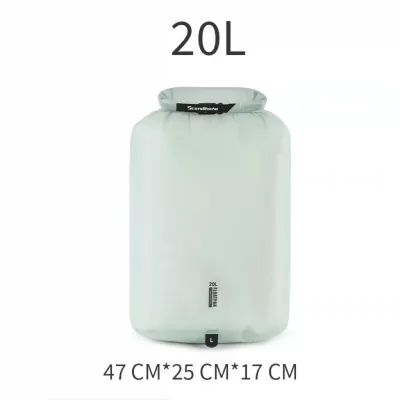
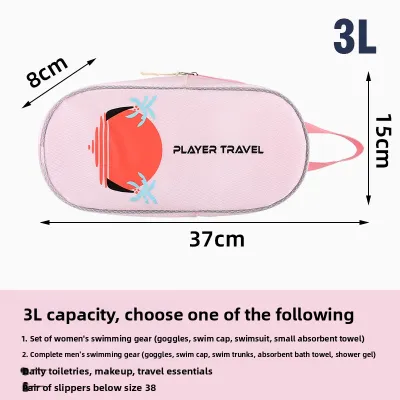
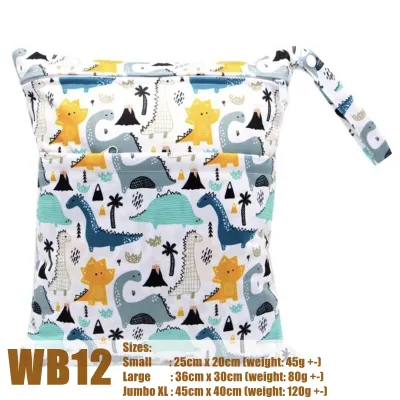
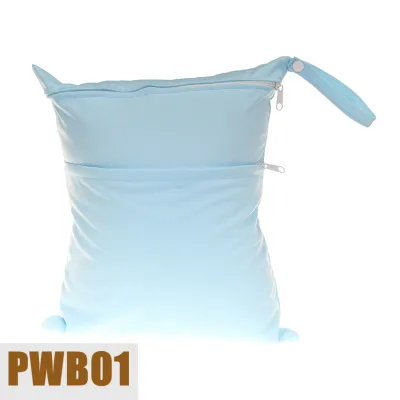
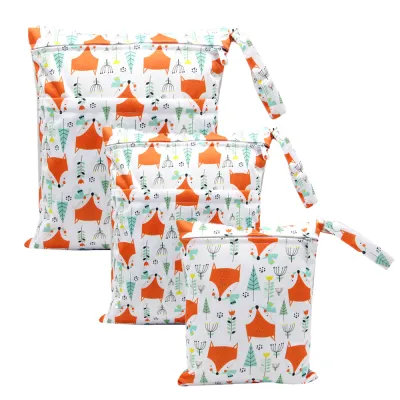
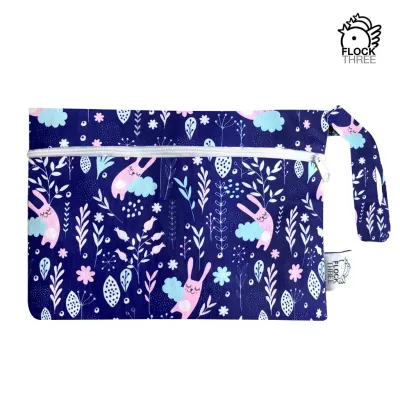
Prices are valid at publication and may change. Please refer to the product page for the latest price.
Zippers are another critical area where moisture and odors can escape. Standard nylon zippers allow water to seep through the spaces between the teeth, especially when the bag is compressed inside a larger backpack. To prevent this, look for bags equipped with water-resistant zipper tapes or polyurethane-coated zippers that seal shut when closed. Double-slider zippers are also highly beneficial, as they allow you to adjust the opening precisely and make it easier for small hands to operate the closure from either side.
Internal lining construction plays a major role in how well a bag retains moisture without adding unnecessary bulk. High-quality wet bags typically feature a dual-layer design, combining a durable polyester or nylon outer shell with an internal lining made of Thermoplastic Polyurethane (TPU) or Polyurethane Laminate (PUL). This dual-layer approach ensures that the wet interior remains completely isolated from the dry exterior. Single-layer bags, while lighter and easier to fold flat, often rely on thin chemical coatings that can wear off over time, leading to eventual leakage.
Odor control is closely tied to moisture retention and fabric breathability. While a wet bag must keep liquid from escaping, trapping damp, warm air inside for extended periods will inevitably lead to mildew and sour smells. Many manufacturers claim their linings are naturally odor-resistant, but these claims usually depend on proper maintenance. To keep odors at bay, look for bags that can be easily turned inside out to dry, and verify that the manufacturer’s care instructions allow for regular washing to prevent bacterial buildup.
Sizing and Capacity for Regular Swim Routines
Selecting the right bag size depends entirely on your child’s age, their specific swim gear loadout, and how often they attend lessons. A bag that is too small will force you to cram wet items inside, putting excessive strain on the zippers and seams. Conversely, an oversized bag takes up unnecessary space in a school backpack or locker, making it cumbersome for a child to carry independently.

For a standard weekly swim lesson, a medium-sized wet bag measuring roughly 30 by 40 centimeters is generally ideal. This capacity comfortably accommodates a child’s swimsuit, a compact microfiber towel, goggles, a swim cap, and a change of dry underwear. If your child prefers a thick, fluffy cotton bath towel or needs to pack extra gear like flip-flops and a change of clothes, you will need to step up to a larger size, typically around 40 by 50 centimeters, to avoid overstuffing.
Consider whether your child needs a single-pocket bag or a multi-pocket wet-dry bag. Single-pocket designs are excellent if the bag’s only job is to transport wet gear home from the pool. However, wet-dry bags feature two separate compartments—one lined with waterproof material for wet items and another dry compartment for clean clothes, diapers, or snacks. This dual-compartment setup is incredibly convenient for school days, allowing your child to pack their dry clothes in the morning and swap them with their wet swimwear after the lesson without needing a second bag.
Bag shape also significantly impacts packing efficiency and usability. Flat, envelope-style wet bags are highly packable and slide easily into the laptop sleeve or main compartment of a school backpack. Gusseted bags, which feature an expandable bottom panel, stand upright on flat surfaces and offer more three-dimensional space for bulky items like towels and shoes. Cylindrical or duffel-style wet bags provide the most volume but can be awkward to pack inside another bag, making them better suited as standalone carryalls.
Material Durability and Care Requirements
Because swimming wet bags are exposed to chlorinated pool water, salt water, and frequent washing, material durability is paramount. When reading the manufacturer’s material specification tag, look for high-denier polyester or nylon outer shells. A higher denier rating (such as 300D or 600D) indicates a thicker, more abrasion-resistant weave that can withstand being dropped on rough concrete pool decks or stuffed into metal school lockers.
The inner waterproof membrane is typically made of TPU or PUL. TPU is a biodegradable material that is bonded to the fabric using heat, making it highly flexible, durable, and environmentally friendly. PUL is a similar laminate that offers excellent water resistance and can withstand higher washing temperatures. Avoid bags made with cheap PVC (polyvinyl chloride) linings, as PVC can crack easily over time, especially when folded repeatedly, and often carries a strong chemical odor.
Proper care is essential to prevent material degradation and extend the lifespan of the wet bag. Always check the manufacturer’s washing instructions before throwing the bag into the laundry. Most high-quality wet bags can be machine-washed on a gentle, cold-water cycle, but they should always be line-dried. Exposing the waterproof lining to the high heat of a clothes dryer can cause delamination, where the waterproof membrane peels away from the outer fabric, permanently ruining the bag’s leakproof capabilities.
Regularly inspect your child’s wet bag for warning signs of wear and tear. Look for peeling or bubbling along the internal lining, fraying threads around the seams, or stiffness in the zipper mechanism. If you notice water dampening the outside of the bag during use, or if a persistent musty smell remains even after a thorough wash, it is time to replace the bag or adjust your washing habits to prevent mold spores from transferring to your child’s clean clothes.
Portability, Hardware, and Child-Friendly Design
A great wet bag should be easy for both parents and children to carry, open, and secure. The carrying style should align with your daily commute and how your child travels to their lessons. For kids who carry their own gear, a wet bag with adjustable backpack straps or a comfortable shoulder strap allows for hands-free carrying, which is especially helpful when navigating public transport or walking home from school.
Attachment hardware adds a layer of versatility to any wet bag. Look for bags equipped with snap-button handles, carabiners, or sturdy loops. These features allow you to clip the wet bag to the outside of a school backpack, hang it from a stroller handlebar, or secure it to a poolside hook. Hanging the bag keeps it off wet changing room floors, protecting it from dirt and standing water while keeping it within easy reach.
To encourage independence, choose a bag designed with child-friendly features. Large, easy-grip zipper pulls made of textured silicone or durable cord are much easier for wet, slippery fingers to operate than tiny metal tabs. A clear plastic label window or a dedicated write-on name tag is highly recommended to prevent the bag from getting lost or mixed up in a busy school changing room. Bright, distinct visual patterns or high-contrast colors also help young children quickly identify their own bag among dozens of similar-looking items.
Building Your Shortlist and Verifying Product Claims
When you are ready to purchase, navigating online marketplaces requires a systematic approach to filter out low-quality options. Start by using specific search terms such as “waterproof wet dry bag for kids” or “swimming wet bag with welded seams” to narrow down your choices. In the local market, a reliable, mid-range wet bag typically costs between S$10 and S$25, while premium options with advanced technical fabrics or specialized multi-compartment designs can range from S$30 to S$45.
Do not rely solely on manufacturer descriptions, which often use terms like “100% waterproof” loosely. Cross-reference these claims by reading user reviews, paying close attention to feedback from parents who use the bags for regular swim lessons. Search the review section for keywords like “leak,” “seam,” “zipper,” and “mold” to see how the bag performs in real-world conditions over several months of use. Reviews that mention dampness seeping through the seams after a few washes are a clear indicator to look elsewhere.
Finally, verify the seller’s return policies and warranty terms before finalizing your purchase. A reputable brand or seller will often offer a straightforward return window or a warranty against manufacturing defects, such as zipper failures or seam separation. Testing the bag at home by placing a damp towel inside and checking for external moisture transfer before your child’s first lesson is an excellent way to ensure the product meets your expectations risk-free.
Frequently Asked Questions (FAQ)
Can I use a standard reusable grocery bag or dry bag instead of a dedicated wet bag?
While a standard reusable grocery bag is cheap and accessible, it lacks the specialized waterproof linings and sealed seams required to contain pool water, meaning moisture will quickly seep through to other items in your child’s backpack. Outdoor dry bags, on the other hand, are highly waterproof and excellent at keeping water out, but they are designed for heavy-duty outdoor sports and are often made of stiff, heavy materials that are difficult for children to pack and roll shut. Dedicated wet bags strike the perfect balance, offering lightweight, flexible, and machine-washable fabrics designed specifically for daily transport and easy maintenance.
How often should I wash the wet bag to prevent mold and odors?
You should empty and rinse or wash the wet bag after every single use. In warm, humid climates, leaving damp swimwear inside a closed bag for even a single day creates the perfect breeding ground for mold, mildew, and bacteria. After each swim lesson, turn the bag inside out, wipe down the lining with a damp cloth or rinse it under cold water, and hang it in a well-ventilated area to dry completely. For a deeper clean, machine-wash the bag weekly on a gentle cycle according to the manufacturer’s care label, ensuring you never use fabric softeners or bleach, which can degrade the waterproof polyurethane coating.
Are wet bags safe to store in a closed car trunk after a lesson?
Storing a wet bag containing damp swim gear in a closed car trunk is not recommended, especially during warm days. The temperature inside a sealed vehicle can rise rapidly, creating a hot, humid greenhouse effect inside the trunk that accelerates bacterial growth, intensifies chlorine odors, and can cause mold to develop within hours. Furthermore, extreme heat can damage the bag itself, causing the internal TPU or PUL waterproof lining to melt, crack, or delaminate from the outer fabric. Always transport the wet bag in the main passenger cabin where air conditioning keeps temperatures moderate, and empty it as soon as you arrive home.
Community discussion
Share your experience or ask a question. Comments are reviewed before publication.