
Selecting the right baby changing mat rubber option is one of the most practical decisions a parent can make. In a warm, humid environment like Singapore, a changing mat must not only provide a comfortable, secure spot for your baby but also stand up to frequent cleaning without trapping moisture or breeding mold. To choose a high-quality mat, you must look beyond aesthetic designs and focus on material purity, physical dimensions, tactile textures, and verifiable safety certifications. By evaluating these technical specifications, you can ensure the mat remains a hygienic, durable, and safe addition to your nursery.
Quick Guide: Core Specs for Rubber Changing Mats
Before diving into the fine details, it helps to understand what a “rubber” changing mat actually is. In the modern nursery market, the term “rubber” is often used broadly. It can refer to 100% natural rubber harvested from Hevea trees, or synthetic elastomers such as Thermoplastic Elastomers (TPE) and food-grade silicone. Because these materials interact directly with your baby’s bare skin during diaper changes, understanding material purity is your first line of defense against harsh chemical additives.
To quickly evaluate any baby changing mat rubber product, keep three primary decision-defining specifications in mind:
Products mentioned in this guide
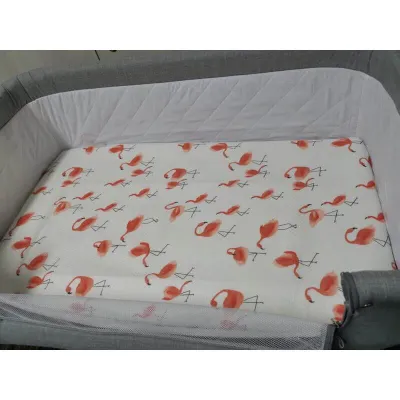

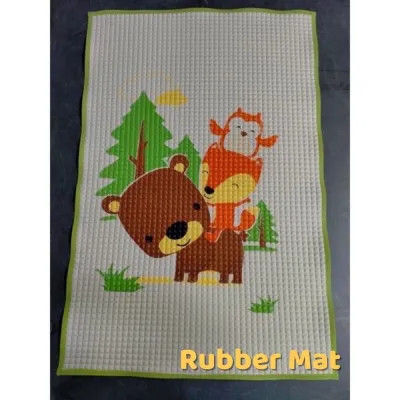
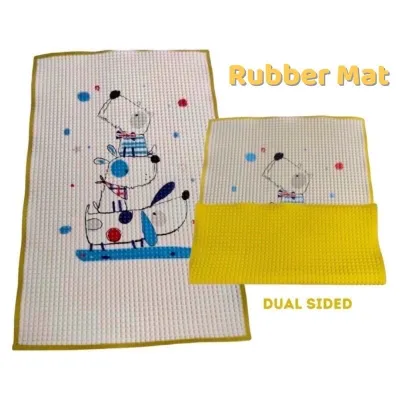
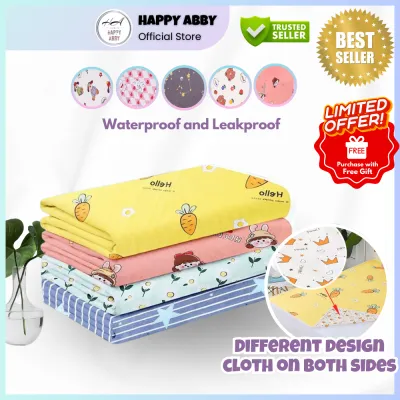
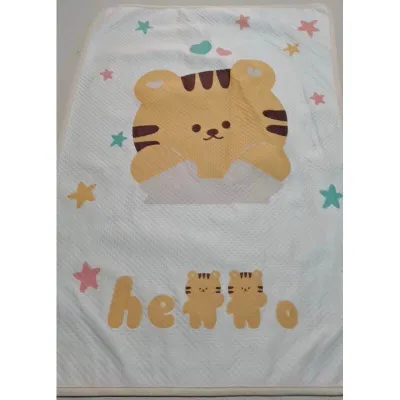
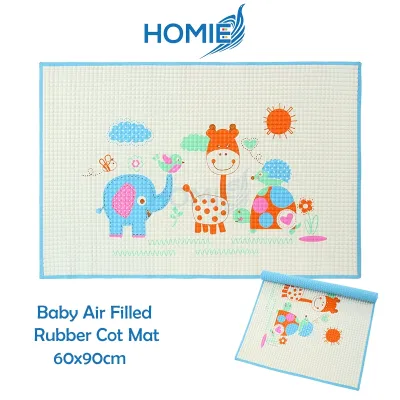
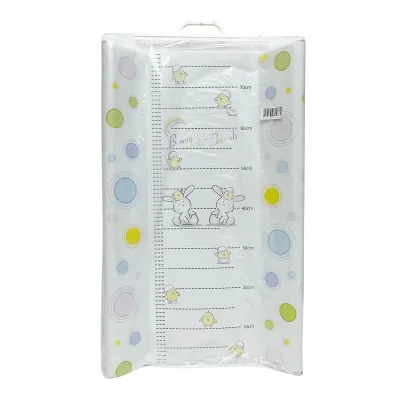
Prices are valid at publication and may change. Please refer to the product page for the latest price.
- Material Composition: Is it natural rubber, TPE, or a synthetic blend? Ensure the manufacturer explicitly states the material type.
- Physical Dimensions: Look at the thickness (typically ranging from 1.5 cm to 4 cm) and weight, ensuring it fits your changing table securely.
- Verifiable Safety Labels: Seek independent testing certifications rather than generic "non-toxic" marketing labels.
A premium changing mat successfully balances baby comfort with caregiver convenience, acting as a stable, easy-to-wipe surface that protects your child while simplifying your daily routine.
Thickness, Density, and Waterproofing: What the Numbers Mean
When comparing different options, physical dimensions and material density dictate how the mat performs over months of heavy use.

Thickness and Cushioning
The thickness of a baby changing mat rubber surface directly influences both baby comfort and physical stability. Mats generally range from slim, portable models of around 1 cm to plush, contoured table-top mats that measure up to 4 cm at their highest point. While a thicker mat provides excellent cushioning against hard wooden changing tables, thicker is not inherently better. An excessively thick or soft mat can compromise edge stability, making it easier for a wriggling baby to shift off-balance. Additionally, overly thick mats are often heavy and cumbersome to move, which can make routine cleaning underneath them a hassle.
Understanding Material Density
Density determines how well the mat resists tearing, indentations, and structural sagging over time. A low-density foam or cheap rubber synthetic may feel soft initially but can quickly compress under your baby’s weight, leaving them resting against the hard surface underneath. High-density rubber or TPE retains its shape, distributing the baby’s weight evenly. When purchasing, check the manufacturer’s specifications for density or weight metrics; a heavier, more solid mat typically indicates a high-density structure that will resist wear and tear.
Waterproofing and Moisture Control
True waterproofing is essential for maintaining hygiene. Inherently waterproof solid materials, such as natural rubber or closed-cell TPE, naturally repel liquids. In contrast, porous materials or cheap foam cores wrapped in thin plastic rely entirely on surface coatings that can crack or wear away. For the best defense against leaks, look for seamless construction and non-porous surfaces. Sealed edges are vital; any stitched seams or open-cell layers can trap moisture, urine, and cleaning solutions, leading to hidden mold growth—a particularly high risk in humid climates like Singapore.
Surface Texture and Edge Design: Balancing Grip and Safety
The physical shape and surface feel of a changing mat play a critical role in preventing slips and containing unexpected messes.
Surface Texture and Skin Comfort
A completely smooth rubber surface can become slippery when wet, which poses a safety risk during quick diaper changes. Conversely, a slight tactile or matte texture provides a gentle grip, keeping your baby securely in place. However, parents should avoid mats with deep decorative grooves, complex patterns, or overly rough textures. Deep grooves easily trap dirt, feces, and bacteria, making them incredibly difficult to wipe clean in the heat of the moment. Opt for a micro-textured or matte finish that offers slip resistance while remaining flat enough to be wiped clean with a single swipe.
Contoured Edge Design
Many modern rubber changing mats feature raised edges or contoured sides. This design serves two major functions: containing liquid spills within the mat’s boundaries and creating a physical, visual barrier that discourages your baby from rolling over. When using a contoured mat, always ensure your baby is placed centrally and never leave them unattended, even for a split second, as physical barriers are not a substitute for active caregiver supervision.
Transition Safety
Pay close attention to how the raised edges transition back to the flat surface. Beveled or gently sloped edges are highly preferable to steep, vertical drop-offs. If a moving baby bumps against a steep, rigid edge, it can cause discomfort or sudden shifts in balance. Inspect the mat’s profile dimensions and choose designs with gradual, rounded slopes that minimize impact risks.
Material Safety: How to Verify Chemical and Structural Integrity
Because baby skin is highly permeable, verifying the chemical safety of a baby changing mat rubber material is paramount. Natural rubber and synthetic elastomers undergo complex manufacturing processes that can sometimes leave behind vulcanization byproducts, chemical plasticizers, or heavy metal stabilizers.
Rather than relying on vague marketing claims like “eco-friendly” or “natural,” look for concrete, verifiable labels on the packaging or official product pages. Key indicators of chemical safety include:
- Specific Exclusions: Explicit statements that the product is BPA-free, phthalate-free, lead-free, and PVC-free.
- Material Standards: Labels indicating "food-grade silicone" or "100% natural, preservative-free rubber" where applicable.
- Safety Compliance: Look for statements of compliance with recognized international toy and childcare safety standards, such as EN 71 (European Standard for Toy Safety) or ASTM F963 (Standard Consumer Safety Specification for Toy Safety).
Additionally, always check the manufacturer’s care instructions regarding initial off-gassing. High-quality natural rubber may have a distinct, natural scent when first unpacked. Reliable manufacturers will provide clear guidelines on how long to air out the mat before its first use and specify which mild cleaning agents are safe to use without degrading the rubber’s chemical structure over time.
Frequently Asked Questions (FAQ)
How do I clean a rubber changing mat without damaging it?
To clean your rubber changing mat safely, wipe it down after each use with a damp cloth and a mild, baby-safe dish soap or a specialized gentle cleanser. Avoid using harsh chemicals, bleach, alcohol-based sanitizers, or abrasive scrubbers, as these can degrade the rubber surface, strip away protective finishes, and compromise its waterproof integrity. Always consult the manufacturer’s specific care label first, and allow the mat to air dry completely in a well-ventilated area away from direct sunlight to prevent warping.
Is natural rubber better than synthetic blends for changing mats?
Neither material is universally superior; the best option depends on your specific household needs. Natural rubber is highly prized for its eco-friendly biodegradability, soft natural feel, and lack of synthetic petroleum inputs. However, synthetic elastomers like TPE or food-grade silicone are often preferred for their exceptional durability, resistance to cracking under heat, and hypoallergenic properties—making them excellent for babies with latex sensitivities. Regardless of your choice, ensure the specific product carries verifiable safety certifications and fits your cleaning routine.

Community discussion
Share your experience or ask a question. Comments are reviewed before publication.