
Planning a day trip with your baby in Singapore requires careful preparation, and your choice of nappy bag plays a central role in how smoothly your outing unfolds. A great nappy bag must balance storage capacity with physical comfort, allowing you to carry diapers, feeds, spare clothes, and personal items without feeling weighed down. Because you will be navigating a unique mix of high humidity, sudden tropical downpours, and bustling public transport systems, a standard bag often falls short of these demands. Selecting the right bag involves evaluating specific material properties, organizational layouts, and carrying styles that match your daily routine. By focusing on practical, observable features rather than aesthetic trends, you can find a reliable companion that keeps your hands free and your baby’s essentials organized from morning until night.
Essential Features for Singapore's Weather and Transit
Singapore’s tropical climate and highly connected transit network place unique demands on any travel gear. When choosing a nappy bag, the exterior material is your first line of defense against the elements. Sudden afternoon downpours are common, meaning a water-resistant or highly wipeable exterior is essential to protect clean diapers and dry clothing inside. Materials such as high-density nylon, treated polyester, or water-repellent canvas allow raindrops to bead off rather than soak through the fabric. Additionally, baby outings inevitably involve spills, leaked milk, or dropped food, so an exterior that can be quickly restored with a simple wet wipe prevents permanent staining and lingering odors.
Equally important is how the bag feels against your body during a humid day. Carrying a heavy bag in high humidity quickly leads to heat buildup and sweat. To mitigate this, prioritize bags that feature breathable mesh padding on the shoulder straps and the back panel. Air-channel designs, which create physical space between your back and the bag’s surface, allow air to circulate and help keep you cool while walking between air-conditioned malls and outdoor parks. Avoid solid synthetic leather or heavy, unventilated plastic backings that trap heat and moisture against your clothing.
Products mentioned in this guide
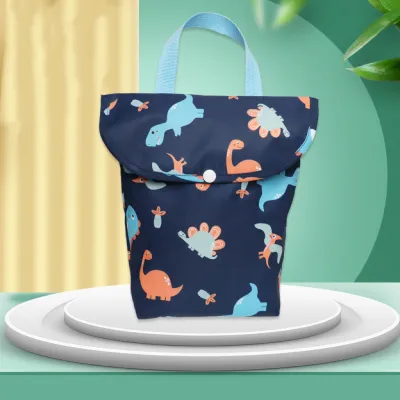
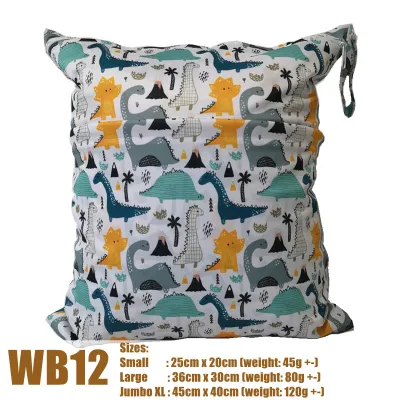
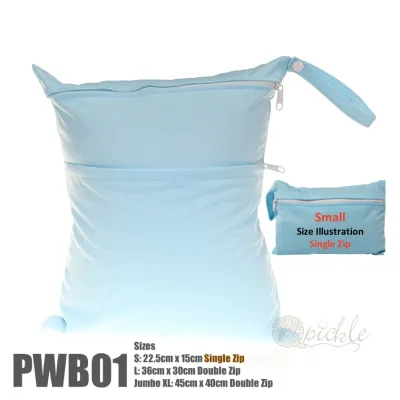
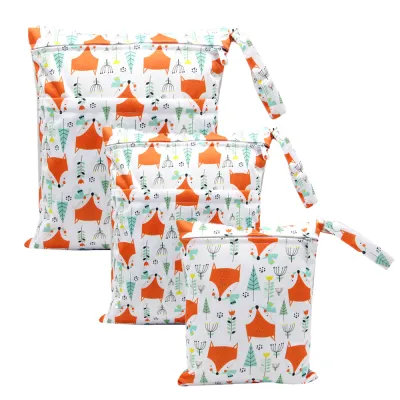
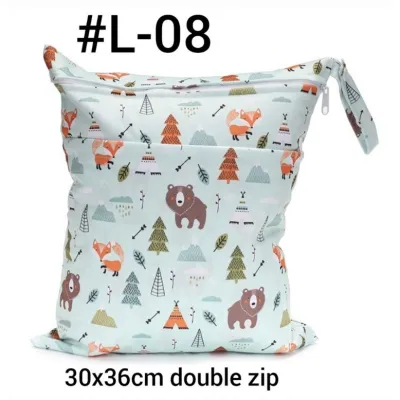
Prices are valid at publication and may change. Please refer to the product page for the latest price.
Navigating Singapore’s public transport system requires a bag with a streamlined physical profile. Busy MRT stations, narrow bus aisles, and crowded shopping mall lifts demand a bag that does not protrude excessively. A bulky, overstuffed bag can easily bump into other commuters or get caught in MRT fare gates. Look for a design that carries its volume vertically rather than horizontally, keeping the bag close to your center of gravity. A compact, structured silhouette ensures you can move freely through tight spaces without sacrificing the internal capacity needed for a full day out.
Organizing Essentials for a Full Day Out
A successful day trip depends on your ability to pack systematically and access items instantly. Before purchasing a bag, calculate your required internal volume based on your baby’s age and feeding method. A newborn typically requires more frequent diaper changes and outfit swaps, demanding a larger main compartment. For a full day out, you will generally need to pack one diaper for every two hours, a full pack of wet wipes, a portable changing mat, two spare outfits, swaddle blankets, and disposal bags. Ensure the main compartment is wide enough to accommodate these items without requiring you to unpack the entire bag just to reach a clean diaper at the bottom.

Feeding arrangements dictate your need for specialized storage. If you are bottle-feeding, check the bag for dedicated, insulated bottle pockets designed to maintain temperature. It is crucial to verify the physical dimensions of these pockets against the specific baby bottles or food containers you use daily. Wide-neck bottles, insulated flasks, or silicone breast milk storage bags may not fit into narrow, standard-sized insulated sleeves. Look for elasticized or expandable insulated compartments that can accommodate various bottle shapes securely, preventing leaks and keeping feeds fresh during transit.
High-frequency items require immediate, external access so you do not have to search through the main compartment while holding a fussy baby. Strategically placed external pockets are invaluable for storing hand sanitizers, pacifiers, pocket tissues, and wet wipes. Some bags feature a dedicated side pocket with a slit designed for quick dispensing of baby wipes. Additionally, ensure there is a secure, easily accessible pocket close to your body for your own essentials, such as your phone, keys, transport cards, and wallet, allowing you to navigate transit terminals and retail checkouts smoothly.
Choosing the Right Carrying Style for Your Comfort
The way you carry your nappy bag directly impacts your physical comfort, posture, and overall energy levels during a long day trip. Backpack-style nappy bags are highly popular because they distribute weight evenly across both shoulders, reducing strain on your neck and lower back. This style keeps both of your hands completely free to push a stroller, carry your baby, or handle transactions. Alternatively, tote bags offer a classic look and wide-top access, making it easy to see all contents at a glance, though they can strain one shoulder if overloaded. Crossbody bags provide a middle ground, offering quick access to items without removing the bag, but they may shift forward when you bend down to tend to your child.
When evaluating any carrying style, pay close attention to the construction of the straps. Inspect the width and padding thickness of the shoulder straps; narrow, unpadded straps will cut into your shoulders once the bag is fully loaded with liquids and gear. Look for wide, contoured straps with dense foam padding that help distribute the load across a larger surface area. Adjustability is also key, especially if multiple caregivers of different heights and body types will share the carrying duties. Ensure the adjustment buckles slide smoothly but lock securely under weight.
Many parents prefer to hang their nappy bag on their stroller to relieve physical strain, but this requires strict adherence to safety guidelines. Always review the stroller manufacturer’s specific instructions and warnings regarding hanging items from the handlebar. Overloading a handlebar with a heavy nappy bag can easily cause the stroller to tip backward, posing a serious safety hazard to your baby. If you use stroller straps or clips, ensure they are securely attached to the frame according to the manufacturer’s guidelines, and always remove the bag before lifting your child out of the stroller seat.
How to Evaluate and Finalize Your Nappy Bag Choice
Before making a final purchase, take the time to verify the bag’s material composition and care requirements. Read the product label and care instructions carefully to understand how to maintain the bag over time. Some materials are machine washable, which offers maximum convenience for busy parents, while others are spot-clean only. If you choose a bag that cannot be machine washed, ensure the interior lining is made of a smooth, non-porous material that can be easily wiped down with a damp cloth and mild soap to remove milk residue or dirt.
If you are inspecting the bag in a physical retail store, conduct a thorough quality check of the hardware and construction. Test the zippers multiple times; they should glide smoothly without catching on the lining or fabric teeth. Double-stitched seams, reinforced stitching at high-stress points like strap attachments, and sturdy metal or high-grade plastic hardware are indicators of a durable bag that can withstand daily wear and tear. Check that the interior seams are bound or taped to prevent fraying over months of heavy use.
For online purchases, protect your investment by reviewing the retailer’s policies before checking out. Verify the return policy, exchange conditions, and warranty terms to ensure you can return or exchange the bag if it does not meet your expectations upon arrival. Check if the warranty covers manufacturing defects such as broken zippers, torn seams, or failing hardware. Purchasing from reputable retailers or official brand stores on online marketplaces ensures you have access to customer support and genuine products, giving you peace of mind as you prepare for your family adventures.
Frequently Asked Questions (FAQ)
Can I use a standard backpack instead of a dedicated nappy bag?
Yes, you can certainly use a standard backpack, but you may miss the specialized conveniences of a dedicated nappy bag. Standard backpacks typically lack built-in insulated bottle pockets, wipeable waterproof linings, and dedicated compartments for soiled items or changing mats. This can make organizing baby gear more challenging, often resulting in a cluttered main compartment where items are hard to find. However, if you prefer to use a regular backpack, you can easily adapt it by using removable pouches, packing cubes, and portable insulated bottle sleeves to keep your baby’s essentials organized and hygienic.
How do I prevent mold and odors in the bag during humid weather?
Preventing mold and odors in Singapore’s humid climate requires consistent maintenance habits. Always empty soiled diapers, wet clothing, and used wipes from the bag immediately after returning home. Wipe down the interior lining with a damp cloth and mild, baby-safe detergent to remove any spilled milk or food crumbs, then leave the bag completely open in a well-ventilated, dry area to air dry. Before using any cleaning agents or attempting to machine wash the bag, always check the manufacturer’s care label to avoid damaging the water-resistant coatings or structural materials.

Community discussion
Share your experience or ask a question. Comments are reviewed before publication.