
To find the ideal school bag for your child, you must look beyond cute patterns and vibrant colors. A reliable school bag must balance physical comfort, daily organizational convenience, and robust durability to handle the rigors of classrooms and daily commutes. For many parents, a high-quality jujube bag represents an attractive option due to its reputation for machine washability, stain-resistant fabrics, and smart pocket layouts. However, selecting the right model requires matching the bag’s specific dimensions and features to your child’s age, physical size, and school schedule.
The daily routine of a school-aged child in Singapore—whether attending a playgroup, a full-day childcare center, or transitioning into early primary school—places unique demands on their gear. A bag that is too large can compromise a child’s developing posture, while one that is too small will leave parents struggling to pack daily essentials. By systematically evaluating your child’s physical needs, daily cargo, and the bag’s structural design, you can choose a school companion that supports their independence and stands up to daily wear.
Step 1: Diagnose Your Child's Daily School Carry Needs
Before browsing specific styles, you must clearly define what your child needs to carry every day. A toddler attending a brief nursery program has different requirements than a child spending full days in childcare. Younger children usually carry just a change of clothes, a towel, and a water bottle. Older children transitioning to kindergarten or early primary school must also accommodate homework folders, pencil cases, and structured lunch boxes, which increases the volume and weight of the daily load.
Products mentioned in this guide
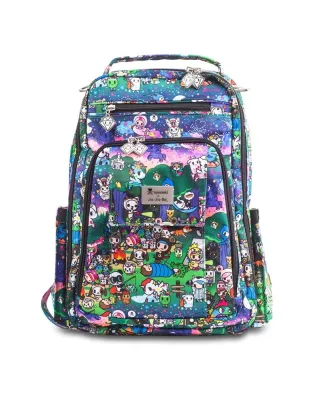
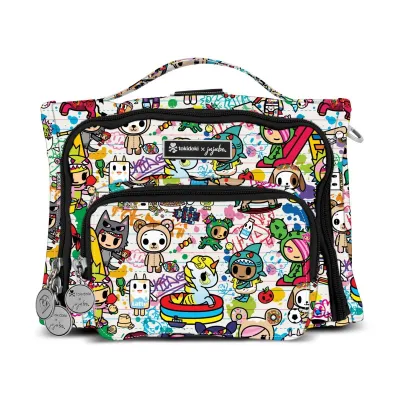
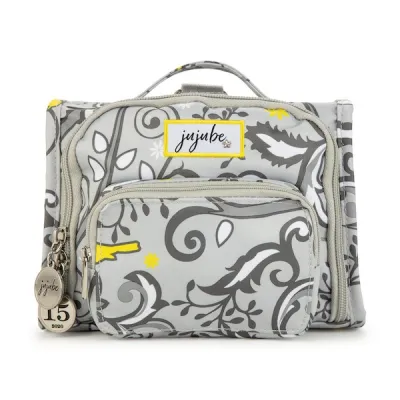
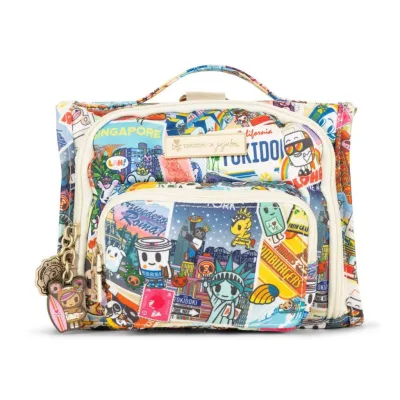
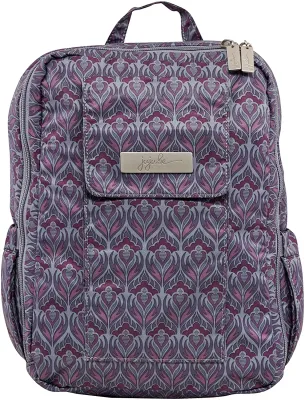
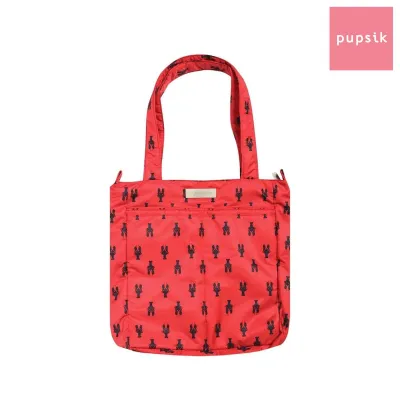
Prices are valid at publication and may change. Please refer to the product page for the latest price.
To avoid buying a bag that is either frustratingly cramped or unnecessarily bulky, establish a clear checklist of your child’s daily essentials. A typical childcare or preschool packing list in Singapore often includes:
- A complete change of clothes (including spare underwear and socks)
- A leak-proof water bottle (typically 350ml to 500ml)
- An insulated lunch box or snack container
- Personal hygiene items (wet wipes, pocket tissues, and hand sanitizer)
- A small comfort item or naptime accessory (such as a small security blanket)
Another crucial factor to consider is who will actually be carrying the bag during the daily commute. If your child rides a school bus or walks independently from the drop-off point, the bag must be sized and weighted specifically for their physical capabilities, featuring comfortable, child-friendly straps. However, if a parent or helper primarily carries the bag to and from school, you might prioritize a model with comfortable top grab handles or a convertible messenger strap. Determining this division of labor early in your search prevents you from buying an ergonomic backpack that your child rarely wears, or a tote bag that is too awkward for a young child to carry independently.
Step 2: Evaluate Size, Weight, and Ergonomic Support for Your jujube bag
When evaluating a jujube bag for daily school use, physical fit and ergonomic support must be your top priorities. A bag that fits poorly can cause your child to lean forward, strain their neck, or round their shoulders, leading to discomfort over time. To find the correct fit, measure your child’s torso length from the base of the neck to the top of the hip bones. The backpack should sit comfortably between these two points, never hanging below the waistline or extending wider than the shoulders, ensuring they can swing their arms freely.

The base weight of the empty bag is another critical specification that parents often overlook. Pediatric physical therapists generally recommend that a child’s loaded school bag should never exceed 10% to 15% of their total body weight. Since young children have a relatively low body weight, even a slightly heavy empty bag can quickly push the total load into unsafe territory once you add a full water bottle and a lunch box. When reviewing different bag models, check the manufacturer’s technical specifications for the empty weight. Lightweight materials that do not sacrifice structural integrity are essential for ensuring the bag remains a safe, comfortable burden for a growing child.
Beyond size and weight, look closely at the design of the shoulder straps and back panel. High-quality school backpacks feature wide, contoured shoulder straps with dense foam padding that helps distribute the weight evenly across the shoulders rather than cutting into the collarbones. Adjustable sliders are necessary to ensure the bag can be tightened close to the child’s back, keeping the center of gravity near the body. Additionally, look for a built-in sternum strap, also known as a chest clip. This simple feature holds the shoulder straps securely in place, preventing them from slipping off narrow, sloping shoulders and helping to stabilize the load when your child is running or walking.
Step 3: Check Compartments for Easy School-Day Access
A school bag’s internal and external layout directly impacts how smoothly your child’s school day runs. For young children, a bag that is easy to open and organize fosters independence and reduces frustration. When examining the main compartment, compare a wide clamshell opening—where the zipper runs all the way down the sides, allowing the bag to open flat—with a traditional top-zip opening. A clamshell design is highly beneficial for school use because it gives teachers and children full visibility of the contents, making it simple to retrieve a specific item from the bottom without dumping everything onto the floor. It also makes packing and unpacking at the end of the day much faster for little hands.
External pockets are equally important for keeping high-use items easily accessible. Look for deep, elasticized side pockets designed specifically for hydration. A good water bottle pocket should be deep enough to hold a standard reusable bottle securely during active play, yet flexible enough for a child to slide the bottle in and out without assistance. Front zippered pockets are ideal for storing quick-access items like hand sanitizers, wet wipes, and spare face masks. Keeping these items separated from the main compartment ensures that your child can clean their hands or grab a tissue instantly without rummaging through their clothes or lunch containers.
Inside the bag, look for practical organizational features that help separate different types of gear. Internal slip pockets, zippered mesh compartments, and dividers are excellent for keeping school books flat, separating clean clothes from soiled ones, and securing small items. Some bags feature dedicated wet/dry compartments or light-colored interior linings. A light-colored lining is a particularly useful feature, as it reflects light and makes it much easier to spot small items rolling around at the bottom of the bag. Proper internal organization also keeps the weight of the contents from shifting dramatically while your child is in motion, maintaining a stable and comfortable carry.
Step 4: Verify Fabric, Cleaning, and Durability Specs
The school environment can be incredibly tough on kids’ gear, with bags frequently placed on dusty floors, scraped against playground concrete, and subjected to spilled drinks or leaky lunch boxes. Therefore, you must carefully verify the fabric specifications and care instructions before making a purchase. Look for bags made from high-density, tightly woven synthetic fabrics that offer natural abrasion resistance. Many premium bags are treated with specialized stain-resistant or water-repellent coatings on the outer fabric. These treatments allow liquid spills to bead up and roll off, making it easy to wipe away dirt, mud, or food residue with a damp cloth during the busy school week.
While surface-level wiping is convenient for daily maintenance, a school bag will eventually require a deeper clean to eliminate odors, sweat, and ground-in grime. Before purchasing, verify the manufacturer’s exact care label instructions regarding machine washability. Some bags are fully machine washable, allowing you to toss them into a gentle cold cycle and hang them to air dry. However, other models with structured internal frames, delicate hardware, or specific water-resistant coatings may require hand washing or spot cleaning only. Following the manufacturer’s precise instructions is vital to prevent stripping away protective fabric coatings, warping the bag’s shape, or voiding the product warranty.
Finally, pay close attention to the quality of the hardware, as zippers and clasps are the most common failure points on children’s school bags. Inspect the zippers to ensure they are heavy-duty, smooth-gliding, and self-repairing, which prevents them from getting stuck on fabric or coming off their tracks when pulled quickly. Metal hardware, such as D-rings and strap adjusters, generally offers superior longevity compared to thin plastic alternatives, though high-grade, impact-resistant plastic can also be exceptionally durable. Strong, reinforced stitching at high-stress points—such as where the shoulder straps and top handles attach to the main body of the bag—is a crucial indicator of a bag built to survive years of daily school use.
Step 5: Match the Right Bag Style to Your Child's Routine
Once you have diagnosed your child’s daily carry needs and evaluated the necessary physical features, you can select the specific bag style that best matches their daily routine. For younger toddlers and preschoolers who carry very little to school, a lightweight, unstructured mini backpack is often the most practical choice. These smaller bags are incredibly light, flexible, and easy for a young child to manage independently. Because they lack rigid internal structures, they can easily squeeze into tight preschool cubbies or be folded up and packed into a larger diaper bag when not in use.
For older preschoolers, kindergarteners, or early primary students who must carry structured items, a more structured backpack is highly recommended. These bags feature semi-rigid back panels and reinforced bases that help the bag maintain its shape even when fully loaded. This structure is particularly helpful for keeping insulated lunch boxes upright, preventing water bottles from tipping over inside, and protecting school folders or drawing pads from getting bent and creased. While these bags are slightly heavier than unstructured models, their superior weight distribution and protective qualities make them the ideal choice for children carrying heavier daily loads.
Finally, consider alternative carry styles if your family’s daily commute does not fit the traditional backpack mold. For instance, if you or a caregiver always carry the child’s bag, a convertible messenger bag or a stylish crossbody bag might offer more convenience and comfort for an adult shoulder. Some parents prefer a convertible backpack that can easily transition from a dual-strap pack for the child to a shoulder tote for the parent. By matching the bag’s physical form factor to the actual logistics of your daily school run, you ensure that the bag remains a practical, stress-free tool rather than an awkward daily chore.
Frequently Asked Questions (FAQ)
Can a preschool-sized bag fit a standard primary school lunch box?
Whether a preschool-sized bag can accommodate a primary school lunch box depends entirely on the specific dimensions of both items. Preschool bags are designed with smaller profiles to fit a young child’s torso, which means their internal depth and width are often quite limited. A standard, fully insulated primary school lunch box can be surprisingly bulky and may take up the entire main compartment of a small preschool bag, leaving no room for water bottles, change of clothes, or folders. To avoid a mismatch, always measure the exterior dimensions of your lunch box and cross-reference them with the manufacturer’s stated internal dimensions of the bag before purchasing.
What is the safest way to wash a school bag with a water-resistant coating?
To protect the integrity of a water-resistant coating, you must always consult the manufacturer’s specific care label on your bag first. If the label permits machine washing, use a gentle, cold-water cycle with a mild, liquid detergent, and avoid using bleach, fabric softeners, or harsh stain removers, as these chemicals can strip away the protective coatings. Place the bag inside a mesh laundry bag to protect the hardware and zippers from banging against the washing machine drum. If the bag is not machine washable, spot clean it using a soft microfiber cloth, cool water, and a drop of gentle dish soap. Always allow the bag to air dry completely in a well-ventilated indoor space away from direct sunlight and heat sources, which can warp or degrade the fabric.
Community discussion
Share your experience or ask a question. Comments are reviewed before publication.