
Bath time is a wonderful bonding experience, but it can quickly turn stressful when soapy water slips into your little one’s eyes or ears. A baby shower head cover—often referred to as a baby bath visor or shower cap—is designed to act as a protective shield, channeling water and shampoo away from your baby’s sensitive facial features. To choose the right one, you must prioritize material safety, secure yet comfortable adjustability, and a brim design that suits your specific bathing setup.
Finding the perfect fit involves looking closely at your baby’s developmental stage, head size, and tolerance for wearing headgear. While many options exist on the market, not all are constructed to withstand daily use or provide a reliable, leak-free seal. By evaluating the structural integrity, ease of cleaning, and safety certifications of these covers, you can transform bath time into a calm, tear-free routine.
The Role of a Baby Shower Head Cover in Tear-Free Baths
A baby’s sensory system is highly sensitive, and the sudden sensation of water rushing over their face can trigger immediate distress. The thin, delicate skin around their eyes and the sensitive lining of their ears are easily irritated by even the mildest baby shampoos. When water pools in these areas, it often leads to crying, resistance to future baths, and a tense environment for both the parent and the child.
Products mentioned in this guide
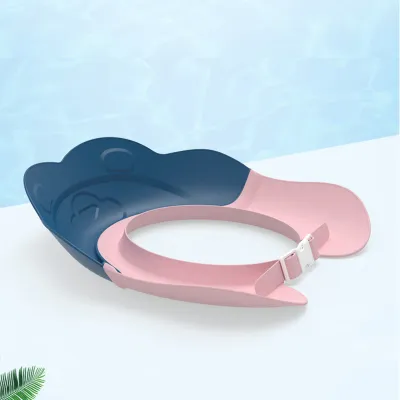


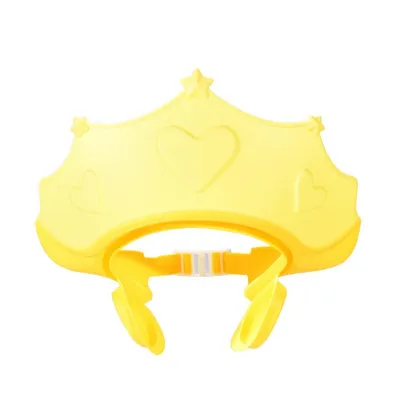
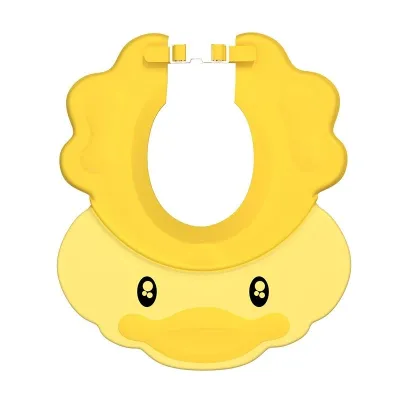
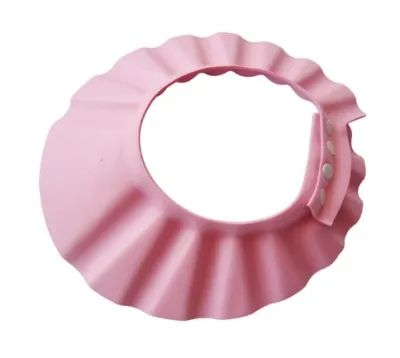

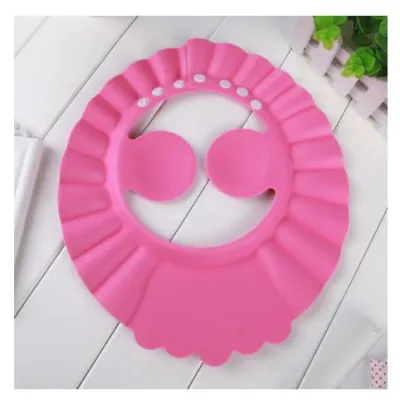
Prices are valid at publication and may change. Please refer to the product page for the latest price.
As infants transition from gentle sponge baths to sitting upright in a baby tub or under a handheld shower head, managing water runoff becomes increasingly challenging. During the first few months, you can easily control where water flows by supporting your baby’s head in a reclined position. However, once they gain torso control and begin sitting up independently—typically around six months of age—they want to look around, splash, and play, making it nearly impossible to keep their face dry using manual shielding alone.
In Singapore’s warm, tropical climate, daily baths are a staple of a baby’s routine to wash away sweat and keep skin fresh. Many households rely on handheld shower sprays within compact bathroom layouts, which can accidentally direct water toward the baby’s face at unexpected angles. A dedicated cover provides a physical barrier that redirects this flow, allowing you to rinse their hair thoroughly while they remain upright and engaged with their bath toys.
It is vital to remember that while a shower head cover is an excellent assistive tool for comfort, it does not function as a life-saving device. It should never be used as a reason to leave a baby unattended in or near water, even for a brief second. Active, hands-on adult supervision remains the single most important safety measure during any bath-time routine, regardless of the safety gear in use.
Key Features to Check Before You Buy
Selecting an effective cover requires looking past bright colors and cute cartoon designs to evaluate the technical specifications of the product. Because this item sits directly against your baby’s forehead and ears, its construction, elasticity, and water-channeling capabilities must meet high standards of safety and functionality.

Material Safety and Skin Compatibility
The material of the cover must be gentle enough for a baby’s delicate skin while remaining durable enough to maintain its shape under running water.
- Food-Grade Silicone: This is one of the most recommended materials for the inner band that contacts the baby's skin. Food-grade silicone is naturally hypoallergenic, highly flexible, and resistant to mold and mildew growth. It provides a soft, suction-like seal without requiring excessive pressure.
- Soft EVA Foam: Ethylene-vinyl acetate (EVA) foam is incredibly lightweight and buoyant, making it comfortable for younger babies who might struggle with heavier materials. However, parents should verify that the EVA foam used is high-density and free from toxic additives, as low-quality foam can degrade quickly and absorb water over time.
- BPA-Free and Phthalate-Free Plastics: If the cover features a rigid outer brim to support water runoff, ensure that any plastic components are explicitly labeled as free from bisphenol A (BPA), phthalates, and lead. These chemicals can leach out when exposed to warm bathwater.
- Chemical Odor Check: When unboxing a new cover, perform a sensory check. A strong, pungent chemical or plastic smell is a warning sign of low-grade manufacturing or lingering volatile organic compounds (VOCs). If you notice a persistent odor, avoid using the product on your baby.
- Pre-Use Sanitization: Before placing any new accessory on your child’s head, wash it thoroughly with mild baby soap and warm water. This removes any manufacturing residues or dust accumulated during packaging and shipping.
Sizing, Fit, and Adjustability
A cover can only prevent water from leaking onto your baby’s face if it creates a continuous, snug seal around the upper circumference of their head.
- Head Circumference Measurement: Before shopping, use a flexible measuring tape to measure your baby's head circumference just above the eyebrows and ears. Compare this measurement directly against the manufacturer’s sizing chart, rather than relying solely on age recommendations, which can be highly variable.
- Adjustable Fasteners: Look for designs featuring adjustable buttons, snaps, or hook-and-loop fasteners at the back. These allow you to customize the tightness as your baby grows, extending the usable lifespan of the product and ensuring a precise fit.
- Elastic and Stretchable Bands: Some covers utilize a continuous elastic silicone band that stretches to fit. While highly convenient, ensure the elasticity is gentle enough that it does not squeeze the baby’s head too tightly, which can cause discomfort or headaches.
- The Red Mark Check: After a trial fit or a short bath session, gently remove the cover and inspect your baby's forehead. If you observe deep, persistent red indentations, the cover is too tight and needs to be adjusted or replaced with a larger size.
- Wet Slip Test: A proper fit means the cover stays securely in place even when wet and subjected to the weight of running water. If the visor easily slides down over your baby's eyes during rinsing, it is too loose, presenting a safety hazard by obstructing their vision and airway.
Brim Design and Water Deflection
The shape and structure of the outer brim determine how efficiently water is directed away from your baby’s eyes, nose, and ears.
- Wide-Brim Sun Hat Style: This design features a continuous, 360-degree brim that channels water away in all directions. It is highly effective at keeping water off the face and the back of the neck, making it ideal for babies who dislike any water contact on their heads.
- Raised-Edge Visor Style: This style resembles a visor cap, with a pronounced front brim that curves upward or outward. It is specifically designed to direct water backward and outward to the sides, preventing pooling directly over the forehead.
- Water Channels and Grooves: High-quality covers often incorporate molded channels or grooves on the top surface of the brim. These pathways guide the water flow outward to the sides, preventing water from spilling over the front edge when you pour a large volume of water.
- Brim Rigidity: The brim must have enough structural rigidity to withstand the weight of cascading water without folding or drooping. If the brim is too soft, the weight of the water will cause it to collapse downward, dumping the pooled water directly onto your baby's face.
- Bathing Method Compatibility: Consider how you rinse your baby's hair. If you use a handheld shower head with moderate water pressure, a more rigid, channeled visor is necessary. If you primarily use a small cup or jug to gently pour water, a softer, flexible silicone brim may suffice.
Which Design Works Best for Your Baby's Bath Routine?
Every baby has unique physical characteristics, hair thickness, and sensory preferences. Understanding the distinct design categories of shower head covers will help you select the style that aligns best with your child’s behavior and your bathing routine.
- Wide-Brim Visor Style: This classic design is highly effective at creating a wide dry zone around your baby's entire head. It is particularly suited for babies who are highly sensitive to water splashes and prefer to keep their faces completely dry. However, the wide brim can block your baby's upward line of sight, which might cause anxiety or prompt them to pull the visor off. It can also be slightly cumbersome if your baby has very thick, long hair that needs to be pulled through a tight opening.
- Silicone Ring with Flexible Brim: Featuring a highly elastic inner ring and a moderately flexible outer brim, this design conforms easily to irregular head shapes. It is lightweight, comfortable, and folds easily, making it an excellent choice for travel or small bathrooms. The trade-off is that if you pour water too quickly or use a high-flow shower head, the soft brim may droop under the weight, temporarily breaking the seal at the forehead.
- Crown or Halo Style (No Brim): This modern design features a raised, crown-like wall that sits snugly around the head without a protruding horizontal brim. It relies on a tight, secure seal to force water to run down the sides and back of the head. It is ideal for active babies who dislike having a wide visor hovering over their eyes or blocking their vision. However, because it lacks a projecting brim, any minor gap in the forehead seal will immediately result in water leaking directly into the baby's eyes.
- Evaluating Your Baby's Behavioral Traits: If your baby is highly active and constantly reaches up to grab their head, a low-profile crown style or a highly secure adjustable visor with snap buttons is preferable. For calmer babies who enjoy watching their bath toys, a wide-brim visor that keeps every drop of water away from their face will provide the most comfortable experience.
- Hair Volume Considerations: Babies with thick or curly hair require a cover that can be easily positioned without snagging or pulling. Adjustable open-back designs with snaps are much easier to fit around thick hair than closed elastic rings, which must be pulled down over the crown of the head, potentially tangling the hair and causing discomfort before the bath even begins.
Safe Usage, Cleaning, and When to Replace
To ensure your baby shower head cover remains a hygienic and safe tool, you must establish a consistent routine for inspection, application, and maintenance.
- Pre-Use Safety Inspection: Before every bath, take a few seconds to inspect the cover. Check for any micro-tears in the silicone, cracks in the plastic, or signs of material degradation such as stiffening or stickiness. Ensure there are no sharp edges or exposed plastic fasteners that could scratch your baby's delicate scalp or forehead.
- Proper Positioning Technique: When putting the cover on, gently lift your baby's hair upward so that the inner seal rests directly against the skin of the forehead, just above the eyebrows, and behind the ears. Ensure no hair is trapped underneath the seal, as this will create gaps that allow water to leak through. Double-check that the cover is not sitting too low, which could press down on their eyelids or restrict their breathing.
- Thorough Cleaning and Drying: In Singapore’s high-humidity environment, bathroom accessories are highly susceptible to mold, mildew, and bacterial growth. After every bath, rinse the cover thoroughly with clean water to remove all soap, shampoo, and body oil residues. Shake off excess water and hang the cover to air dry completely in a well-ventilated area outside the damp shower enclosure. Avoid leaving it flat on a wet surface, as water can pool in the crevices and encourage mold development.
- When to Stop Using and Replace: Discontinue use immediately if you notice black mold spots that cannot be washed away, persistent odors, or if the material loses its elasticity and can no longer maintain a secure seal. Additionally, if your baby outgrows the maximum size limit specified by the manufacturer, do not attempt to stretch the cover to fit, as this can exert excessive pressure on their head.
- Handling Bath-Time Distress: If your baby shows severe, unresolvable distress or repeatedly tries to pull the cover off, do not force them to wear it. Forcing the issue can create a negative association with bath time. Instead, pause its use, revert to gentle cup pouring or sponge bathing, and try reintroducing the cover at a later developmental stage when they may be more receptive.
Frequently Asked Questions (FAQ)
Can a baby shower head cover prevent ear infections?
While a baby shower head cover is highly effective at keeping soapy water and splashing runoff out of the outer ear canal, it is not a medical device and cannot prevent middle ear infections. Middle ear infections (otitis media) typically originate from fluid buildup behind the eardrum, often related to colds, allergies, or respiratory infections, rather than water entering from the outside. However, keeping water out of the outer ear can help prevent outer ear canal irritation, commonly known as swimmer’s ear. If your baby has tympanostomy tubes (ear tubes), a current ear infection, or a history of chronic ear issues, consult your pediatrician for specific bathing guidelines and to determine if additional ear protection, such as earplugs, is required.
At what age should I start using a shower head cover?
Most manufacturers design baby shower head covers for infants who are at least six months old, which typically coincides with the developmental milestone of sitting upright unassisted. Before this stage, babies are generally bathed in a reclined position, making it much easier to control water flow manually without the need for a visor. Always check the manufacturer’s documentation for specific minimum age, weight, and head circumference limits before introducing a cover. Every baby develops at their own pace, so ensure your child has sufficient neck strength and head control to sit comfortably and support the weight of the wet visor before incorporating it into their bath routine.
Community discussion
Share your experience or ask a question. Comments are reviewed before publication.