
Selecting a high-quality changing pad baby option is one of the most practical decisions you will make when setting up your nursery. A reliable changing pad provides a secure, hygienic, and comfortable spot for the thousands of diaper changes your baby will undergo during their first few years of life. To find the right model, you must evaluate key specifications such as contour safety designs, non-toxic material certifications, exact physical dimensions, and ease of cleaning. In a humid climate like Singapore, where moisture can quickly lead to mold or mildew, prioritizing moisture-resistant materials and robust construction is essential for long-term hygiene.
Safety Specifications and Contour Designs
Safety is the primary consideration when choosing any diaper-changing accessory. Contoured changing pads feature raised sides—typically two or three elevated edges—that act as a physical barrier to help keep your baby centered on the pad. While these sloped edges are highly effective at discouraging active babies from rolling sideways, they are not designed to withstand a child’s full weight if they actively try to climb or roll over.
Most stationary pads include a safety strap, which typically features a two-point or three-point harness system. A two-point harness secures across the baby’s pelvis, while a three-point harness adds a crotch strap for extra security. When evaluating these straps, look for a quick-release buckle that allows you to secure or free your baby rapidly with one hand. Always check the manufacturer’s documentation to verify the maximum weight and age limits for the safety harness, as active toddlers can easily strain or snap lightweight fasteners.
Products mentioned in this guide
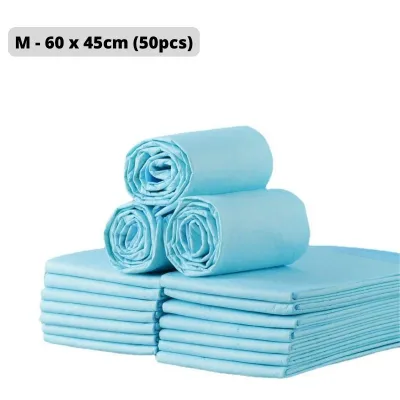
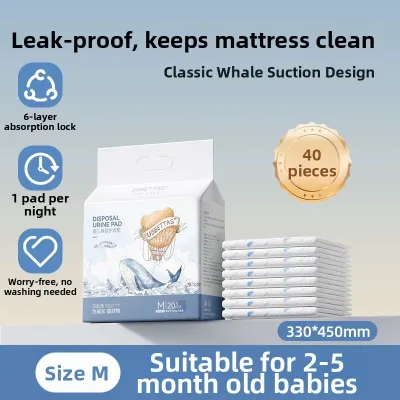

![[SG Seller]Disposable Sheet/baby changing pad/Underpads/maternity pad/diaper changing pad/Pet pad/diaper changing pad](https://img.lazcdn.com/g/p/1e18d5044cc6a8981a574358039de40b.png_400x400q80.png_.webp)
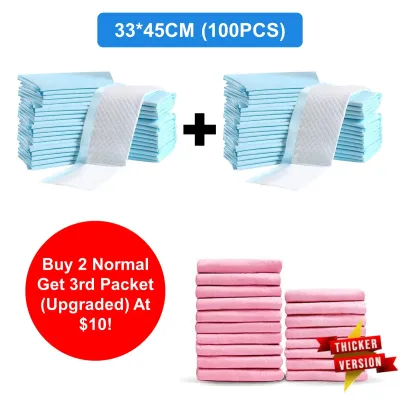
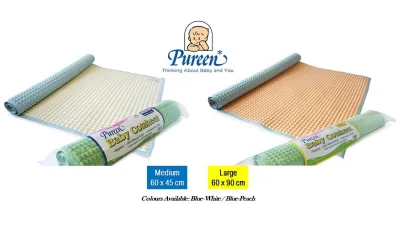
Prices are valid at publication and may change. Please refer to the product page for the latest price.
To prevent the entire pad from sliding off your furniture, look for models equipped with a non-slip rubberized base or integrated fabric security straps. These straps are designed to be screwed directly into the back of your changing table or dresser. Even if your changing pad has a premium non-slip grip, physical anchoring provides an essential layer of security during active diaper changes.
Remember that no physical barrier, safety strap, or non-slip base can ever replace active, hands-on adult supervision. Babies can move unexpectedly in a split second. Always keep at least one hand on your baby during the entire changing process, and never leave your child unattended on an elevated surface under any circumstances.
Material Labels, Waterproofing, and Cleaning
Because your baby’s delicate skin will make frequent contact with the changing surface, decoding material labels is critical. Common surface materials include polyurethane (PU), vinyl, and food-grade silicone. Wiping down the surface should be effortless; look for “wipe-clean” labels, which indicate that the material can be sanitized directly with a damp cloth and mild, baby-safe soap without requiring a separate machine-washable fabric cover.

Chemical safety certifications are vital when selecting products for a nursery. Look for labels indicating that the pad is free from phthalates, PVC, lead, and flame retardants. You should actively verify these claims by checking for recognized third-party safety standards on the manufacturer’s packaging or official website. These certifications help ensure that the materials will not off-gas harmful chemicals or irritate your baby’s sensitive skin.
There is a major structural difference between a surface-level waterproof coating and a fully waterproof core. Budget-friendly pads often feature a water-resistant outer cover over a standard foam core. If liquid leaks through the seams, stitching, or zipper tracks, it can saturate the inner foam, creating a breeding ground for mold and bacteria that is nearly impossible to clean. To prevent this, look for pads with heat-sealed seams or those made of solid, non-porous materials like molded silicone, which completely prevent liquids from penetrating the interior.
Before purchasing, always read the manufacturer’s care instructions regarding disinfectants. Some vinyl surfaces can degrade, crack, or become sticky when exposed to alcohol-based sanitizers or harsh household bleach. Opt for materials that are explicitly rated to withstand frequent cleaning with mild, baby-safe sanitizing wipes or gentle soap solutions to maintain a hygienic environment.
Dimensions, Padding Thickness, and Compatibility
Standard changing pads typically range from 40 to 43 centimeters in width and 80 to 82 centimeters in length. Before making a purchase, you must measure the inner recessed dimensions of your changing table, topper, or dresser top. Do not rely on the outer measurements of your furniture, as a pad that is even slightly too large will bunch up, creating an uneven and unstable surface for your baby.
Padding thickness and density directly impact both comfort and safety. While a thick, plush pad might seem comfortable, excessively soft or thick padding can actually compromise stability. If a baby sinks too deeply into the foam, it can make it harder for them to breathe if they accidentally turn over, and it raises their center of gravity, making them more prone to rolling over the side barriers. Look for firm, high-density foam that supports the baby’s weight without compressing completely to the hard wood underneath.
Always verify the manufacturer’s specified weight limits, which typically range from 11 to 15 kilograms. Over time, exceeding these limits will cause the foam core to compress permanently, reducing its protective cushioning. If you notice the foam failing to spring back or if your baby’s body easily presses through to the hard furniture surface, it is time to replace the pad.
Ensuring physical compatibility is a critical safety step. There should be no significant gaps—ideally less than 2 centimeters—between the edges of the changing pad and the inner frame of the changing table. Large gaps create dangerous entrapment hazards where a baby’s hands, feet, or head could become wedged. If your dresser top does not have a secure wooden topper with raised safety rails, you must ensure the pad’s bottom straps are securely anchored to the wall or the back of the furniture.
Portability and Secondary Features to Skip or Keep
Deciding between a stationary changing pad and a portable changing mat depends largely on your lifestyle and living space. Stationary pads are thick, contoured, and designed to remain anchored in your nursery, offering maximum support and physical safety barriers. In contrast, portable travel mats are lightweight, foldable, and easy to pack into a diaper bag. However, travel mats sacrifice padding thickness and do not feature raised contour edges, making them suitable only for quick changes on flat, low surfaces like the floor.
Many brands offer secondary features such as built-in wipe dispensers, toy loops, or plush fabric covers. While these additions can seem convenient, they often add unnecessary bulk and complicate your cleaning routine. Fabric covers require frequent machine washing and can trap moisture, which is highly impractical during messy diaper changes. Toy loops can keep an active baby distracted, but they also create small crevices where dirt and bacteria can accumulate.
To save money and reduce clutter in your nursery, use this quick decision framework to separate essential specifications from optional extras:
- Keep: A fully waterproof or wipe-clean surface, non-slip bottom grips, secure anchoring straps, and certified non-toxic materials.
- Skip: Expensive fabric covers, built-in toy attachments, complex multi-pocket organizer attachments, and non-standard shapes that make finding replacement sheets difficult.
Frequently Asked Questions (FAQ)
Do I really need a contoured changing pad?
While a contoured changing pad is not strictly mandatory, it offers a helpful physical barrier that helps keep newborns and active infants centered during diaper changes. Flat changing pads or simple folding mats are often preferred for travel, compact apartments, or older babies who can already sit up independently. Regardless of the pad’s shape or contour height, active adult supervision remains the primary safety factor; you must never leave your baby unattended on any changing surface.
How do I know if a changing pad fits my changing table?
To ensure a safe fit, measure the internal width, length, and depth of your changing table’s recessed area rather than the outer edges of the furniture. The changing pad should fit snugly inside this space without bunching or bending. Additionally, check the furniture manufacturer’s instructions for the maximum recommended pad thickness to ensure that the table’s built-in safety rails and secure attachment straps can still function properly and safely reach around your baby.

Community discussion
Share your experience or ask a question. Comments are reviewed before publication.