
The ideal diaper organizer box for a compact Singapore nursery typically ranges from a portable caddy (30 to 38 cm in length) to a mid-sized freestanding box (40 to 45 cm in length). Selecting the right dimensions depends on whether you need a quick-access daily station or a larger restocking unit. In space-constrained homes like HDB flats or compact condominiums, choosing a box that fits your specific furniture footprint prevents overcrowding and keeps daily baby care seamless.
Setting up a nursery in a compact apartment requires balancing convenience with spatial efficiency. While it is tempting to purchase a large storage container to hold months of supplies, an oversized box can quickly make a small room feel cramped and difficult to navigate. By understanding standard sizing options and measuring your available space accurately, you can create an organized, stress-free environment for you and your baby.
Assessing Your Nursery Space in a Singapore Home
Typical bedrooms in Singapore HDB flats and newer condominiums often range from 9 to 11 square meters. When designing a nursery within these limits, essential furniture pieces—such as the baby cot, a wardrobe, and a dedicated changing table or nursing chair—must take absolute priority. Adding storage accessories without a clear spatial plan can quickly restrict movement, making late-night diaper changes and feedings unnecessarily stressful.
Products mentioned in this guide
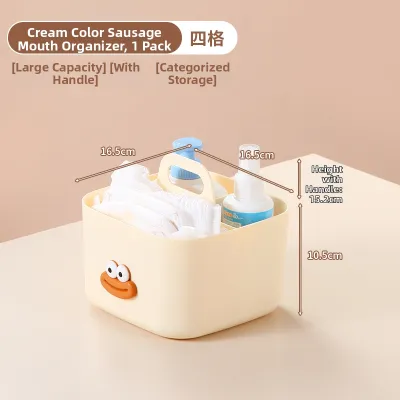
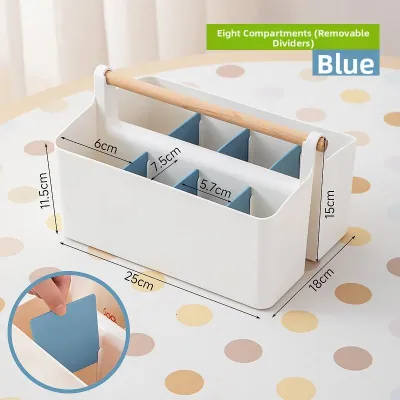
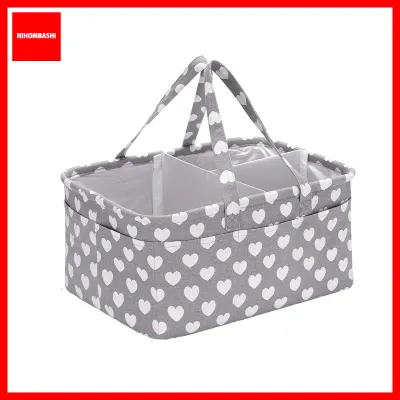
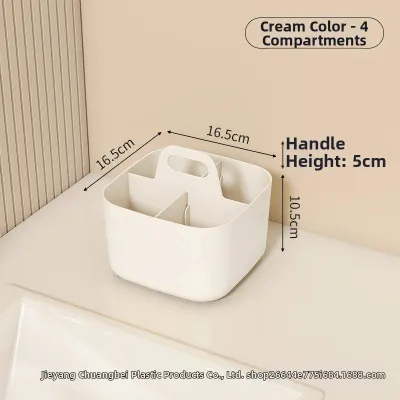
Prices are valid at publication and may change. Please refer to the product page for the latest price.
Before allocating floor space for a standalone diaper organizer box, it is vital to map out the physical clearances required for your existing furniture. Wardrobe doors need space to swing open, drawers require pulling room, and caregivers need a clear walking path of at least 60 centimeters to move safely while holding a sleeping baby. Placing a bulky storage unit on the floor can create a tripping hazard or block access to essential items.
To optimize a small room, look closely for underutilized “dead spaces” that can accommodate storage without causing overcrowding. These include the narrow gap between the cot and the wardrobe, empty corners, or the vertical space beneath a raised cot frame. Identifying these specific zones first allows you to determine whether a compact, standard, or vertical storage solution is the most practical fit for your layout.
Standard Diaper Organizer Box Dimensions and Capacities
Understanding the standard dimensions of diaper organizer boxes helps you match storage capacity with your physical space and restocking habits. Manufacturers design these organizers in three primary tiers: compact portable options, standard freestanding boxes, and high-capacity bulk bins. Each serves a distinct purpose in your daily routine.

Compact Caddies and Portable Bins
Compact diaper caddies typically measure around 30 to 38 cm in length, 20 to 24 cm in width, and 15 to 18 cm in height. These lightweight, portable bins are designed to sit directly on top of a changing table, a chest of drawers, or right beside the cot for immediate access.
Because of their small footprint, their capacity is naturally limited. They generally hold about 15 to 25 diapers alongside a single pack of baby wipes, diaper rash creams, and minor grooming essentials. This setup is ideal for daily, grab-and-go convenience, requiring you to restock the caddy every two to three days from a larger storage source.
Standard Freestanding Storage Boxes
Standard freestanding storage boxes or medium organizer bins typically measure approximately 40 to 45 cm in length, 28 to 32 cm in width, and 25 to 30 cm in height. These units are designed to sit on lower shelves, inside open wardrobe compartments, or directly on the floor next to the changing station.
A standard box of this size can comfortably hold one to two open packs of diapers (roughly 40 to 60 diapers, depending on the baby’s size and diaper stage) along with multiple backup packs of wipes and larger bottles of lotions. This size balances storage capacity with spatial economy, making it a popular choice for families who want to minimize frequent restocking without taking up excessive floor space.
High-Capacity Bulk Storage Bins
High-capacity bulk storage bins often exceed 50 cm in length, 35 cm in width, and 40 cm in height. These heavy-duty containers are built to hold multiple unopened packs of diapers, large boxes of refills, and miscellaneous nursery supplies that you do not need to access multiple times a day.
Given their substantial footprint, placing these large bins directly on a compact nursery floor can severely restrict movement. Instead, it is highly recommended to store these bulk units in dedicated household storage areas, such as the home shelter (bomb shelter), deep wardrobes, or utility closets. This keeps your bulk stock organized while preserving valuable walking space in the baby’s room.
How to Measure Your Available Space Accurately
To avoid purchasing an organizer that is too large or awkward for your nursery, you must measure your intended storage location with precision. Begin by using a standard measuring tape to record the exact length, width, and maximum allowable height of the spot where you plan to place the box. Do not rely on visual estimates, as online product photos can often make items look smaller or larger than they are in reality.
When measuring, look beyond the open floor space and account for structural details that might obstruct the box. Note the thickness of your skirting boards (baseboards), which can prevent furniture or storage boxes from sitting completely flush against the wall. Additionally, check the location of wall power outlets, light switches, and air conditioning remote holders to ensure your storage setup does not block access to these essential utilities.
Always measure the swing radius of nearby doors, wardrobe panels, and drawers. A diaper box that sits even slightly in the path of an opening wardrobe door will quickly become a daily frustration. Ensure you leave a clear buffer zone of at least 5 to 10 centimeters around the box to allow for easy cleaning, vacuuming, and comfortable physical access without scraping your knuckles or bumping into nearby furniture.
Space-Saving Designs for Compact Nurseries
If floor space in your Singapore nursery is exceptionally tight, traditional wide storage boxes may not be the best solution. Fortunately, alternative designs can help you maximize vertical space or utilize areas that would otherwise go to waste. Selecting the right design configuration can dramatically improve the room’s flow.
Stackable and Modular Boxes
Stackable and modular storage systems are excellent for narrow layouts because they allow you to utilize vertical ceiling height rather than horizontal floor space. These systems let you stack multiple smaller boxes on top of one another, creating a customized storage tower that can adapt as your baby grows and their diaper sizes change.
When using stackable units, safety must be your absolute priority. Always consult the manufacturer’s instructions regarding maximum stacking limits, weight capacities, and proper assembly. Ensure the heaviest items, such as bulk wipes and lotions, are stored in the bottom box to maintain a low center of gravity, and verify that the entire stack is stable and resistant to tipping over.
Wall-Mounted and Over-the-Door Options
Wall-mounted shelves and over-the-door hanging organizers offer zero-floor-space storage, making them perfect for extremely small rooms. These options lift lightweight items like diapers, washcloths, and individual wipe packs off the ground, leaving the floor completely clear for walking or larger furniture.
Before installing any wall-mounted storage, verify your wall type—such as solid concrete common in HDB flats versus lightweight drywall partitions—to choose the correct wall plugs and anchors. Strictly adhere to the manufacturer’s specified weight limits and installation guidelines to prevent structural damage, loose screws, or falling hazards that could compromise nursery safety.
Multi-Functional Furniture with Built-In Storage
Integrating diaper storage directly into your existing nursery furniture is a highly efficient way to eliminate the need for a separate, standalone box. Look for baby cots that feature built-in undercarriage drawers or changing tables designed with integrated shelving underneath.
If your current furniture does not have built-in compartments, you can easily repurpose existing storage. Using adjustable fabric dividers inside your wardrobe drawers or placing shallow, slide-out bins under the cot frame allows you to organize diapers and wipes cleanly. This approach keeps your essentials hidden and organized without consuming a single extra centimeter of precious nursery floor space.
Common Sizing and Placement Mistakes to Avoid
One of the most common mistakes parents make is purchasing a diaper organizer box based solely on its aesthetic appeal or how it looks in styled social media photos. Online images often use spacious, high-ceilinged rooms for product photography, which can make a large storage box appear deceptively compact. Always verify the exact physical dimensions listed in the product specifications and compare them directly against your measured layout before buying.
Another frequent error is placing large storage units in areas that block vital ventilation or utility access. Avoid placing tall or bulky boxes directly beneath air conditioning units, near ventilation grilles, or in front of windows, as this can disrupt airflow and make a small room feel stuffy. Additionally, ensure that your organizer does not block access to electrical sockets, which may be needed for baby monitors, nightlights, or humidifiers.
Finally, never place heavy, high-capacity diaper storage boxes on high shelves or on top of tall wardrobes without secure anchoring. Diapers and wipes can become surprisingly heavy when stored in bulk, and retrieving a heavy box from an elevated position poses a significant safety risk. In homes with active toddlers who may attempt to climb furniture, unsecured high-level storage increases the risk of dangerous tip-over accidents. Always store heavy items at lower, stable levels and follow manufacturer guidelines for securing furniture to the wall.
Frequently Asked Questions (FAQ)
Can I store diapers in a humid room without a sealed box?
Singapore’s tropical climate brings high humidity levels, which can potentially affect the absorbent materials inside disposable diapers if they are left exposed for long periods. It is generally best to store your main diaper supply in a dry, well-ventilated area away from direct sunlight and moisture. While a small daily-use caddy can remain open for convenience, keep your larger backup stock in closed, moisture-resistant boxes or original sealed packaging. Always check the diaper manufacturer’s storage guidelines on the packaging to ensure the materials remain clean, dry, and fully effective.
How many diapers should I keep in the nursery at one time?
To maintain a tidy and spacious nursery, it is highly practical to keep only a manageable one-to-two week supply of diapers in your primary nursery organizer. For a newborn, this typically equates to about 70 to 100 diapers, whereas for older babies, a smaller supply of 40 to 60 diapers is usually sufficient. Any bulk purchases, extra cartons, or future diaper sizes should be stored in a centralized household storeroom, bomb shelter, or deep wardrobe. This strategy keeps your daily changing station organized and prevents your compact nursery from feeling cluttered with excess inventory.
Community discussion
Share your experience or ask a question. Comments are reviewed before publication.