
Quick Answer: The Core Benefits of Baby Prunes for Infants
Baby prunes are highly valued in early infant nutrition primarily for their exceptional ability to support digestive health and provide essential micronutrients. When babies transition to solid foods, their digestive systems undergo significant adjustments, making them prone to occasional constipation. Introducing baby prune puree or mashed prunes offers a gentle, natural dietary remedy. This is largely due to a unique combination of dietary fiber and sorbitol, a natural sugar alcohol that helps soften stools.
Beyond digestive support, these small fruits pack a significant nutritional punch, delivering vital vitamins and minerals that support your little one’s rapid growth and development. By understanding how to safely prepare and portion this nutrient-dense food, parents can confidently incorporate it into their baby’s weaning journey.
Key Nutrients in Prunes and How They Support Infant Health
Prunes are dried plums, which means their water content is reduced, concentrating their nutrients. For an infant whose stomach capacity is small, nutrient-dense foods are highly beneficial. Every spoonful of prune puree provides a concentrated source of energy, micronutrients, and bioactive compounds that contribute to overall physiological development.
Products mentioned in this guide
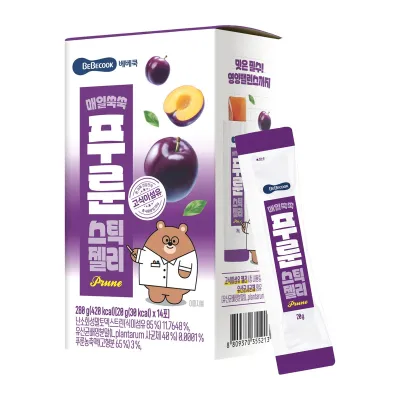

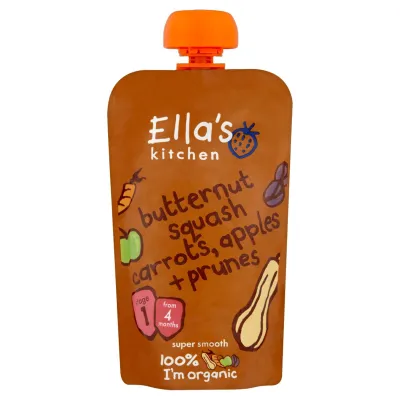



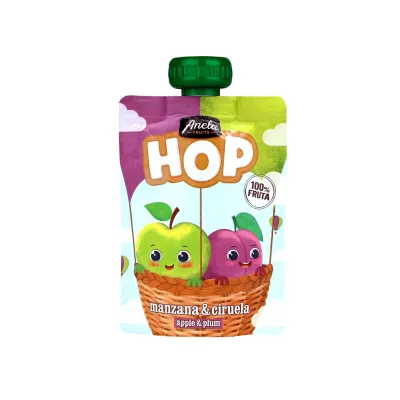
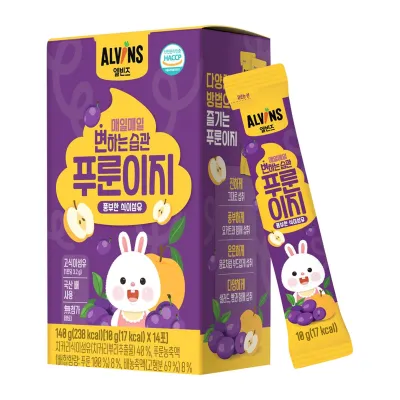
Prices are valid at publication and may change. Please refer to the product page for the latest price.

When planning your baby’s transition to solids, incorporating foods that offer multiple developmental benefits is a practical way to ensure they meet their daily nutritional requirements.
Dietary Fiber and Natural Sugars for Digestion
The digestive system of an infant is highly sensitive and undergoes rapid changes as it adapts to processing solid foods. Prunes contain a balanced mix of both soluble and insoluble dietary fiber, each playing a distinct role in promoting bowel regularity. Soluble fiber absorbs water as it passes through the digestive tract, forming a gel-like substance that helps slow down digestion. This slower transit time allows the baby’s body to absorb essential nutrients more efficiently.
In contrast, insoluble fiber does not dissolve in water; instead, it adds bulk to the stool and stimulates the muscles of the intestines, encouraging regular and comfortable bowel movements.
In addition to fiber, prunes contain sorbitol, a naturally occurring sugar alcohol. Because the human body digests sorbitol slowly and incompletely, a significant portion of it remains in the large intestine. Once there, sorbitol acts as an osmotic agent, drawing water from surrounding tissues into the bowel. This process effectively softens the stool, making it much easier and less painful for a baby to pass.
This dual-action combination of fiber and sorbitol makes prunes an incredibly popular and effective natural remedy for infant constipation. However, because this mechanism is highly efficient, parents must exercise careful portion control to prevent loose stools or abdominal discomfort.
Essential Vitamins and Minerals for Growth
Beyond their well-known digestive benefits, prunes offer a rich spectrum of vitamins and minerals that support a baby’s overall physiological development. One of the key micronutrients found in prunes is Vitamin K, which is essential for synthesizing the proteins required for normal blood clotting and healthy bone mineralization. Since infants experience rapid skeletal growth during their first year, ensuring an adequate dietary intake of bone-supporting nutrients is vital for long-term physical development.
Potassium is another abundant mineral in prunes that plays a critical role in infant health. As an essential electrolyte, potassium supports proper muscle function, fluid balance, and nerve transmission throughout the baby’s body. It helps maintain healthy cellular function and supports the cardiovascular system as your baby grows.
Additionally, prunes contain beneficial antioxidants, specifically phenolic compounds, which help protect cells from oxidative stress and support the baby’s developing immune system.
When considering the mineral content of prunes, it is also important to address iron. Prunes contain non-heme iron, which is the plant-based form of this essential nutrient. Non-heme iron is naturally more difficult for the infant’s body to absorb compared to the heme iron found in animal products. To optimize iron absorption, parents can pair prune puree with foods rich in Vitamin C, such as a splash of breast milk, a spoonful of berry puree, or citrus-infused purees. This simple dietary pairing significantly enhances the bioavailability of the non-heme iron, helping to support red blood cell production and brain development during this critical stage of growth.
Safe Introduction: Age Guidelines and Choking-Safe Preparation
Introducing new foods to an infant requires careful consideration of their physical readiness and safe preparation techniques. Because dried fruits have a naturally tough, chewy texture, they must be modified extensively before they can be safely consumed by a baby. Understanding the appropriate developmental milestones and preparation steps is essential to ensure a positive and hazard-free feeding experience.
Recommended Age and Readiness Signs
Most babies are developmentally ready to start solid foods around six months of age. Before introducing baby prune products, ensure your infant displays key developmental readiness signs. These include the ability to sit upright with minimal support, maintaining excellent head and neck control, and showing active interest in food during family mealtimes. The tongue-thrust reflex, which causes babies to push solid food out of their mouths with their tongues, should also have diminished, indicating they are ready to swallow pureed textures.
Always consult your pediatrician or a qualified healthcare professional before introducing new foods to your baby’s diet, particularly if your child has underlying digestive issues, food sensitivities, or medical conditions. Starting solids is a major milestone, and professional guidance helps tailor the transition to your child’s unique developmental pace. This is especially important in Singapore, where parents often navigate a blend of traditional weaning practices and modern pediatric guidelines.
Safe Preparation and Serving Textures
Dried prunes are far too tough and chewy for an infant to consume directly and pose a significant safety risk. To prepare them safely, you must first rehydrate the fruit to make it soft and easily blendable. Start by placing dried, pitted prunes in a heat-safe bowl and covering them with boiling water. Allow them to soak for about 10 to 15 minutes until they are thoroughly softened and plump. Alternatively, you can steam the prunes for a few minutes using a baby food maker or a steamer basket, which helps retain maximum nutrients while softening the flesh.
Once softened, transfer the prunes to a blender or food processor. Add a small amount of the soaking liquid, breast milk, or infant formula to help blend the fruit into a completely smooth, lump-free puree. For babies who are just beginning their solids journey, the puree should be thin and easily swallowable. As your baby grows and develops better chewing and swallowing skills, you can gradually transition to a thicker, mashed texture, and eventually to finely minced prunes.
Crucial Safety Warning: Whole dried prunes, large pieces, or prunes with pits still inside present a severe, life-threatening choking hazard for babies and young toddlers. Never serve whole or inadequately softened prunes to your child. Always double-check that any packaged prunes you purchase are labeled as pitted, and manually inspect each prune before preparation to ensure no stray pit fragments remain. Caregivers must supervise babies closely during all meals to ensure safety.
How Much to Serve: Managing Portions and Digestive Tolerance
When introducing a baby prune to your infant’s diet, moderation is absolutely key. Because prunes are highly effective at stimulating the digestive tract, offering too much too quickly can overwhelm your baby’s sensitive stomach. Begin by offering a very small amount—typically one to two teaspoons of smooth prune puree once a day. This cautious approach allows you to observe how your baby’s digestive system reacts to the sudden influx of fiber and sorbitol.
If your baby tolerates this initial portion well without showing signs of discomfort, you can gradually increase the serving size to one or two tablespoons. However, keep a close eye on their stools. If you notice your baby experiencing excessive gas, abdominal bloating, painful cramping, or watery diarrhea, it is a clear sign to reduce the portion size or pause serving prunes altogether. In Singapore’s warm and humid climate, maintaining proper hydration is particularly important; if a baby develops loose stools from consuming too many prunes, they can lose fluids quickly, making monitoring even more critical.
Remember that prunes should not dominate your baby’s diet. They are best used as a complementary component of a diverse, balanced feeding plan. Ensure your baby receives a wide variety of other fruits, vegetables, healthy fats, and iron-rich foods to support comprehensive development. Balancing different food groups ensures your baby receives a broad spectrum of nutrients without over-relying on any single ingredient.
Precautions, Side Effects, and When to See a Doctor
While baby prunes are an excellent dietary aid for occasional mild constipation, they should never be relied upon as a sole, long-term treatment for chronic bowel issues. If your infant experiences ongoing, severe constipation, it is critical to seek professional medical advice rather than continually increasing prune intake, which can lead to nutritional imbalances and digestive distress.
Be vigilant for any signs of food intolerance or rare allergic reactions. Although prune allergies are uncommon, they can occur. Watch for immediate or delayed symptoms such as hives, skin rashes, swelling of the lips or face, or severe vomiting. If you observe any of these symptoms, stop feeding prunes immediately and seek medical attention.
You must cease feeding prunes and consult your pediatrician immediately if your baby develops severe, persistent diarrhea, shows signs of dehydration (such as crying without tears, dry mouth, or fewer wet diapers), or if their constipation persists and causes visible distress despite dietary adjustments. Always prioritize professional medical evaluation for any persistent health concerns.
Frequently Asked Questions (FAQ)
Can I give my baby prune juice instead of puree?
It is highly recommended to serve whole, pureed prunes rather than prune juice. Pureeing the fruit ensures your baby benefits from the dietary fiber, which is largely stripped away during the juicing process. Additionally, juice contains highly concentrated natural sugars that can cause rapid blood sugar spikes and increase the risk of early tooth decay. Major pediatric guidelines globally, including those in Singapore, generally discourage giving any fruit juice to infants under one year of age unless specifically directed by a pediatrician to manage acute constipation.
Do prunes cause gas and bloating in babies?
Yes, prunes can cause mild gas and bloating in babies due to their high concentration of dietary fiber and sorbitol. When these components reach the large intestine, natural gut bacteria ferment them, producing gas. This is a completely normal physiological response, but it can cause mild discomfort if your baby’s system is not accustomed to it. To minimize these side effects, always start with tiny portions, increase the amount slowly over several weeks, and ensure your baby remains well-hydrated with breast milk or formula.
Community discussion
Share your experience or ask a question. Comments are reviewed before publication.