
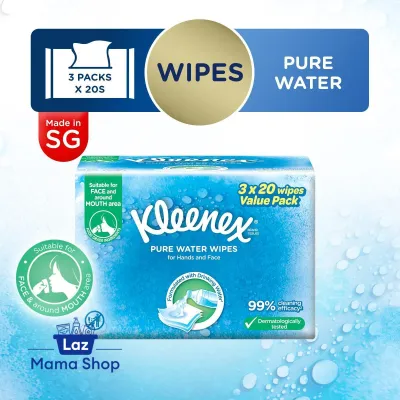
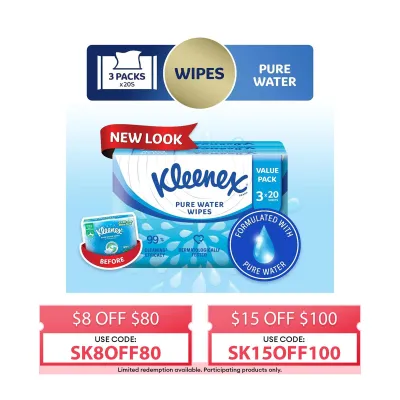
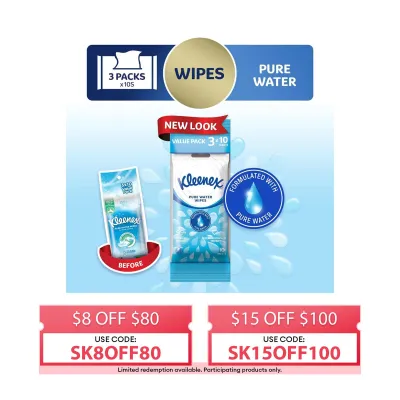
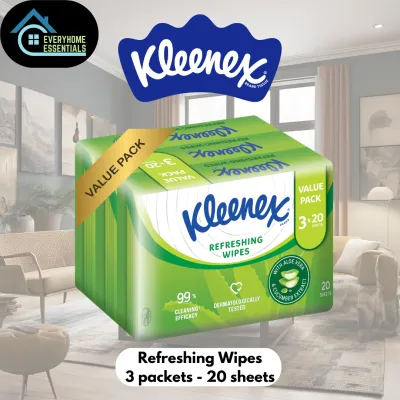
When choosing baby wipes like Kleenex Water Wipes for daily care, parents must look beyond marketing claims to the actual ingredient list printed on the packaging. While water-based wipes are designed to be exceptionally gentle on delicate infant skin, verifying the exact formulation is the only reliable way to ensure they are free from personal allergens or irritants. In Singapore’s warm, humid climate, diaper rash and skin irritation can develop quickly, making a careful assessment of daily-use skincare products essential for maintaining a baby’s skin barrier.
Evaluating a product’s safety requires understanding how ingredients interact with sensitive skin. Because baby skin is thinner and more permeable than adult skin, it absorbs topical substances more readily. By learning how to decode the label on your wipes, you can make an informed decision that supports your child’s skin health and overall comfort.
How to Find and Read the Exact Ingredient List
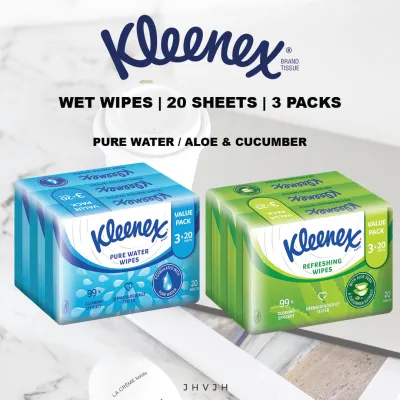
To verify what is inside your pack of Kleenex Water Wipes, locate the International Nomenclature of Cosmetic Ingredients (INCI) list. This list is typically printed on the back or bottom of the physical packaging, often near the barcode or manufacturing details. If the text is too small to read easily, official brand websites or authorized local distributor channels often host digital versions of these ingredient lists for consumer reference.
Products mentioned in this guide
![Kleenex Water Fresh Wipes with a Touch of Aloe + Vitamin E 40 Count (Pack of 6)[PRE-ORDER]](https://img.lazcdn.com/g/p/5c3fce5582fcf19b27f06f563c6ffd96.jpg_400x400q80.jpg_.webp)
Prices are valid at publication and may change. Please refer to the product page for the latest price.
Formulations can be updated by manufacturers at any time due to regulatory changes, sourcing updates, or product improvements. Consequently, the physical label on the pack in your hand remains the primary source of truth. Online product descriptions or third-party retail listings may occasionally display outdated ingredient lists, so always cross-reference with the actual package before use.
When reading the INCI list, remember that ingredients are listed in descending order of concentration by weight. The ingredients at the very top of the list make up the vast majority of the product’s formula, while those listed near the end are present in very small amounts. For water wipes, the primary ingredient is almost always water, followed by minor percentages of functional additives like conditioners, mild cleansers, and preservatives.
What to Expect in a Typical Water Wipe Formula
Water-based baby wipes generally rely on a highly simplified formula to minimize the risk of skin reactions. Purified water serves as the primary base, often making up more than 97% of the total formulation. Manufacturers use advanced filtration and purification processes, such as reverse osmosis or deionization, to remove minerals, heavy metals, and microorganisms, ensuring the water base is completely clean and safe for compromised skin.

To effectively clean a baby’s skin, water alone is often insufficient for removing oily residues from diapers or food. Mild surfactants or cleansing agents are added to the formula to lower the surface tension of water, allowing it to lift dirt, fats, and impurities from the skin surface without stripping away the natural lipid barrier. These cleansing agents are selected for their low irritation potential and are typically much gentler than those found in standard adult soaps.
Humectants and skin-conditioning agents are also standard components in quality water wipes. Ingredients like glycerin or plant-derived extracts help draw moisture into the skin and form a light protective barrier. This conditioning effect reduces friction between the wipe fabric and the baby’s skin during cleaning, which is crucial for preventing mechanical irritation and chafing.
Finally, the functional necessity of preservatives cannot be overlooked in high-water-content products. Because water is highly susceptible to bacterial and fungal growth, a robust preservative system is required to keep the wipes sterile after the package is opened. Without these protective agents, mold and harmful bacteria could rapidly multiply inside the dark, moist package, posing a significant infection risk to your baby.
Potential Irritants to Cross-Check on the Label
When reviewing the ingredient list on your wipes, look out for added fragrances and essential oils. While a pleasant scent might seem appealing, fragrances are among the most common triggers for allergic contact dermatitis in infants. Even natural essential oils can contain volatile compounds that irritate sensitive skin, making fragrance-free options the safest choice for daily diapering and facial cleaning.
Simple, drying alcohols such as ethanol or isopropyl alcohol should also be avoided on baby skin. These ingredients can dry out the epidermis, compromise the skin barrier, and cause a stinging sensation on raw or irritated skin. Do not confuse these drying alcohols with fatty alcohols like cetearyl alcohol, which are actually moisturizing emollients used to soften the skin.
Parents should also cross-check the specific classes of preservatives used in the wipes. While preservatives are necessary, certain older chemical classes, such as parabens, methylisothiazolinone (MI), and formaldehyde releasers, have been flagged by dermatologists for their high rate of skin sensitization. Modern baby wipes generally utilize gentler food-grade preservatives or organic acids, but verifying the exact chemical names on the INCI list is the only way to be certain.
It is important to distinguish between unregulated marketing claims and the actual chemical composition of the product. Terms like “natural,” “hypoallergenic,” or “dermatologically tested” are often used for marketing and do not guarantee that a product is completely free from irritants. Always rely on the ingredient list rather than front-of-pack slogans to determine if a product is suitable for your baby’s unique skin needs.
How to Safely Introduce and Monitor Wipes for Daily Use
Before integrating any new wipe into your daily routine, perform a localized patch test. Gently wipe a small, clean area of your baby’s skin, such as the inner forearm or thigh, and wait 24 to 48 hours. Observe the area closely for any signs of reaction before using the wipes on more sensitive areas like the face or the diaper region.
Monitor your baby’s skin regularly for early signs of irritation, which may include localized redness, dryness, small raised bumps, or a rough texture. If you notice any of these symptoms, immediately discontinue using the wipes and switch to plain water and soft cotton cloths. If the irritation or rash persists for more than a few days, or if it appears painful or starts to blister, consult a qualified pediatrician or dermatologist for professional guidance.
Always adhere strictly to the manufacturer’s specific usage instructions, safety warnings, and expiration dates printed on the packaging. Keep the plastic lid or adhesive label tightly sealed after every use to prevent the wipes from drying out and to protect them from airborne contaminants. Store the package in a cool, dry place away from direct sunlight, as high temperatures can degrade the preservative system and accelerate bacterial growth.
Finally, remember that even the gentlest wipes should be used mindfully. Avoid excessive rubbing or scrubbing, which can damage the delicate skin barrier. In Singapore’s humid environment, allowing the baby’s skin to air-dry completely before applying a fresh diaper or diaper cream is an excellent practice to prevent moisture-induced diaper rash.
Frequently Asked Questions (FAQ)
Can water wipes be used on a newborn's face and hands?
Yes, high-quality water wipes can generally be used on a newborn’s face and hands, provided they are formulated without added fragrances, drying alcohols, or harsh cleansing agents. However, you should always check the manufacturer’s packaging for specific age-suitability labels and warnings. Avoid direct contact with the baby’s eyes, and discontinue use immediately if you notice any facial redness or skin sensitivity.
Do high-water-content wipes still need preservatives?
Yes, high-water-content wipes absolutely require a preservative system to remain safe for use. Water is an ideal breeding ground for bacteria, mold, and yeast. Without effective preservatives, a package of wet wipes would become contaminated within days of opening, posing a serious health and infection risk to a baby’s delicate skin. Safe, mild preservatives are essential to keep the product sterile throughout its shelf life.
How should I store baby wipes to maintain their safety?
To maintain the safety and moisture of baby wipes, store the package in a cool, dry place away from direct sunlight and heat sources. Always ensure the plastic lid or adhesive seal is closed tightly after each use to prevent evaporation and contamination. Avoid transferring the wipes to unsterilized external containers, as this can introduce bacteria and compromise the preservative system.

Community discussion
Share your experience or ask a question. Comments are reviewed before publication.