
Finding the right sleeping mat kids use daily is more than just selecting a cute design or a convenient size. It directly impacts your child’s physical development and sleep safety. The ideal firmness level is not a one-size-fits-all specification; it transitions from an extra-firm surface for infants to a supportive, medium-firm feel for older children. Choosing the correct firmness requires balancing your child’s developmental stage, weight, and typical sleeping posture to ensure their spine remains properly aligned throughout the night.
Why Mattress Firmness Matters for Growing Bodies
Children spend a significant portion of their early lives asleep, a period when their skeletal structures grow rapidly. A child’s spine is highly pliable and still developing, requiring consistent, even alignment during rest to support healthy bone, muscle, and joint development. If a sleep surface lacks the necessary resistance, the spine can sag, potentially leading to poor posture or muscular strain over time.
For infants, firmness is not just a matter of comfort—it is a critical safety requirement. A sleeping surface that is too soft can easily contour to a baby’s face if they roll over, creating a pocket of trapped air that increases the risk of suffocation or Sudden Infant Death Syndrome (SIDS). This is why pediatric health guidelines globally emphasize a flat, unyielding surface for the first year of life.
Products mentioned in this guide
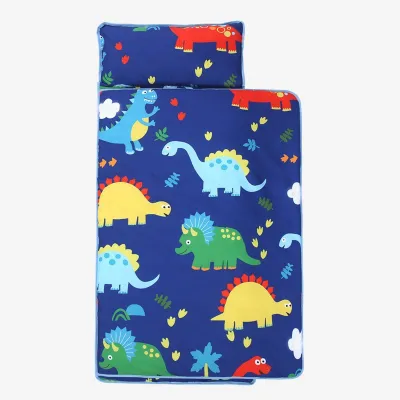

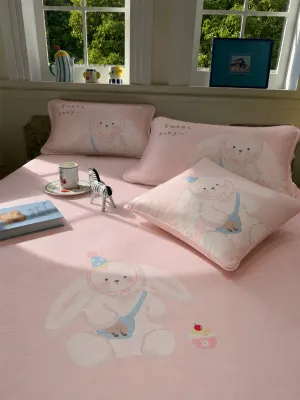
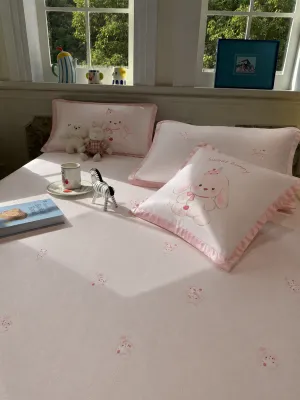

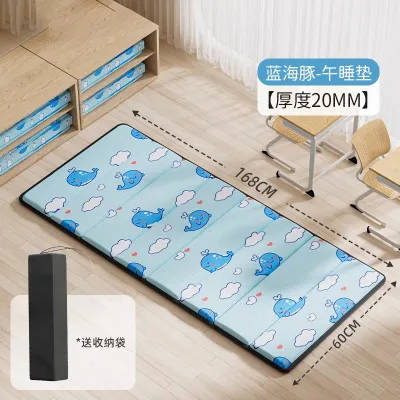
Prices are valid at publication and may change. Please refer to the product page for the latest price.
It is also important to distinguish between “firmness” and “support.” Firmness refers to the initial feel and immediate push-back of the top layers when your child first lies down. Support, on the other hand, is the underlying capability of the core materials to keep the spine in a neutral, straight alignment. A mattress can feel soft to the touch but still offer excellent deep-down support, though for younger age groups, both surface firmness and core support must remain high.
Firmness Guidelines by Age and Development Stage
Infants (0-12 Months): Extra-Firm for Safety
During the first year, your baby’s sleep environment must prioritize safety above all else. A sleeping mat kids use during infancy must be extra-firm. The surface should not contour to the baby’s body, nor should it leave any lasting impression when they are lifted. Soft, plush surfaces that feel comfortable to an adult are hazardous for an infant who lacks the neck strength to turn their head away if their nose and mouth become obstructed.

To evaluate this, perform the “hand press test.” Press your palm firmly into the center and along the edges of the mat, then release it. The material should snap back immediately to its original flat state, resisting your hand’s weight without leaving a visible dip. If the surface takes even a few seconds to recover, or if your hand sinks deeply into the padding, the mat is too soft for an infant. Always consult the manufacturer’s age and weight specifications before use, and never rely on product names alone to determine safety.
Toddlers (1-3 Years): Firm to Medium-Firm
As your child transitions into toddlerhood, their physical strength and mobility increase. While they still require robust structural support for their rapidly growing bones, their sleeping mat can transition to a firm or medium-firm surface. This slightly more forgiving top layer accommodates active movement during sleep and provides relief for developing joints without sacrificing spinal alignment.
In Singapore’s warm, tropical climate, many parents look for sleeping mats made of highly breathable materials like natural latex or open-cell high-density foam. These materials offer the necessary medium-firm resistance while preventing heat retention, keeping your toddler cool and comfortable. When transitioning your toddler to a new mat, monitor their sleep patterns for a few weeks to ensure they settle comfortably. If you notice persistent sleep disturbances or signs of physical discomfort, stop using the mat and consult a pediatric professional.
Older Kids (3+ Years): Medium-Firm for Balanced Support
For children aged three and older, a medium-firm sleeping mat is generally the most balanced option. As their body weight increases, they require a surface that offers a combination of gentle contouring for pressure relief—particularly around the shoulders and hips—and solid core support to keep the spine neutral.
At this stage, a mattress that is too rigid can cause discomfort at key pressure points, leading to frequent tossing and turning. Conversely, a mattress that is too soft will cause the heavier midsection of the body to sink too deeply, throwing the spine out of alignment. A high-quality medium-firm mat provides the perfect middle ground, adapting to their growing body while maintaining a healthy sleep posture.
Adjusting for Weight and Sleeping Position
While age provides a reliable starting point, you must also consider your child’s specific weight and preferred sleeping position to fine-tune your choice. Lighter children do not exert enough force to compress a highly firm mattress, meaning they may not experience any contouring or pressure relief. For these children, a mat on the softer end of their age-appropriate range (such as a true medium-firm) is often more suitable.
Conversely, heavier children exert more downward pressure and can easily experience “hammocking”—where the heaviest part of their body, the midsection, sags deeply into the mattress. These children require a firmer surface to counteract this sinking effect and maintain a straight spine.
Your child’s typical sleeping posture also dictates their firmness needs:
- Side Sleepers: Children who sleep on their sides need a mat with slightly more give, leaning toward the medium side. This allows the shoulders and hips to sink just enough to keep the spine in a straight, horizontal line.
- Back and Stomach Sleepers: These positions require a firmer surface. A firm mat prevents the pelvis and abdomen from sinking too deeply, which would otherwise arch the lower back unnaturally and cause physical strain.
Keep in mind that children change their sleeping positions frequently throughout the night. If your child does not have a single, dominant sleep posture, a versatile medium-firm mat is typically the safest and most supportive default choice.
How to Test and Verify Firmness Before Buying
When shopping for a sleeping mat, it is easy to get lost in marketing jargon. Terms like “orthopedic,” “pediatric-approved,” or “posture-pedic” are often used as promotional labels rather than regulated industry standards. Instead of relying on these claims, look closely at the manufacturer’s specified age limits, weight ranges, and safety guidelines.
If you are testing a mat in a local showroom, have your child lie down on it in their natural sleeping position for at least ten minutes. Observe their posture from the side: their head, neck, shoulders, and hips should form a straight, neutral line. Try to slide your hand flat into the gap between their lower back and the mattress surface. If your hand slides in too easily, the mattress may be too firm; if you cannot slide it in at all because their body has sunk deeply into the material, the mattress is likely too soft.
If you are purchasing online, prioritize brands that offer a risk-free sleep trial and a clear, hassle-free return policy. Because firmness is highly subjective, testing the mat in your child’s actual sleep environment over several consecutive nights is the most reliable way to gauge suitability. Always verify that the product meets local safety standards and carefully review the care label for specific usage, cleaning, and maintenance warnings. If the manufacturer’s instructions conflict with any general advice, always defer to the official product guidelines.
Frequently Asked Questions (FAQ)
Can I use a soft mattress topper to adjust the firmness?
For infants under 12 months, you must never use soft toppers, mattress pads, or loose bedding of any kind due to the severe risk of suffocation. For older children, a thin, breathable mattress topper can be a practical way to soften a surface that is slightly too rigid. However, ensure the topper does not compromise the underlying core support or cause your child to sink deeply into the bed, which can lead to spinal misalignment.
Is a dual-firmness mattress a good investment?
Dual-firmness or two-stage mattresses can be a highly cost-effective option, often priced in broad bands from S$150 to over S$300 depending on materials. These products typically feature an extra-firm side engineered for infants and a medium-firm side designed for toddlers. While they offer excellent longevity, you must strictly adhere to the manufacturer’s flipping instructions, weight limits, and age guidelines to ensure your child is always sleeping on the side appropriate for their developmental stage.
Community discussion
Share your experience or ask a question. Comments are reviewed before publication.