
To choose the right Wel-B freeze-dried baby food variant, you must match the product’s texture, ingredients, and formulation to your child’s specific age and oral motor development stage. Generally, single-ingredient purees or easily rehydrated variants are ideal for early weaning at around six months, while multi-ingredient blends with slightly textured pieces suit babies developing chewing skills around eight to ten months, and complex textures or soft chunks fit toddlers aged twelve months and older. Aligning these products with your baby’s current physical capabilities ensures a safe, nutritionally appropriate, and enjoyable transition to solid foods.
Introducing solids is a significant milestone in your child’s first year, requiring careful attention to how they handle different food consistencies. The wel b freeze dried range offers a convenient, nutrient-dense solution for busy families, particularly in fast-paced urban environments like Singapore, where preparing fresh purees from scratch for every single meal can be challenging. By understanding how freeze-dried food behaves when rehydrated, you can confidently select the variants that support your baby’s growth while prioritizing safety and developmental readiness.
How to Choose the Right Wel-B Variant for Your Baby's Stage
When selecting freeze-dried baby food, developmental readiness must always take precedence over chronological age. While age markers on packaging provide an excellent starting point, every infant develops at an individual pace. Some babies may show signs of readiness for solids slightly before or after the six-month mark, making it essential to observe physical cues such as head control, the ability to sit with support, and the disappearance of the tongue-thrust reflex before introducing any new food variant.
Products mentioned in this guide
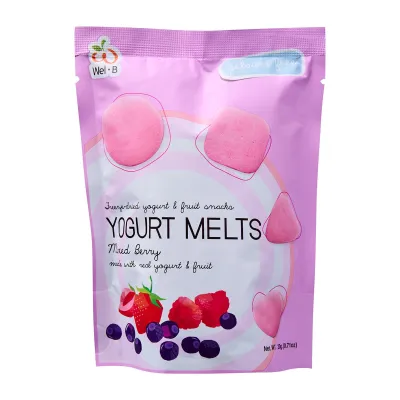
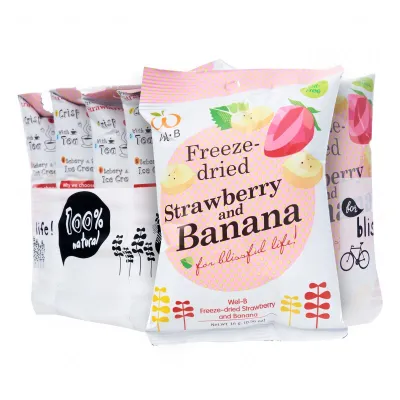
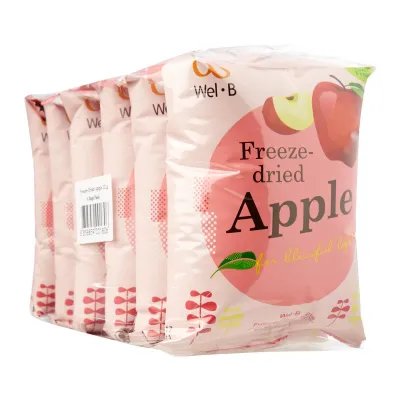
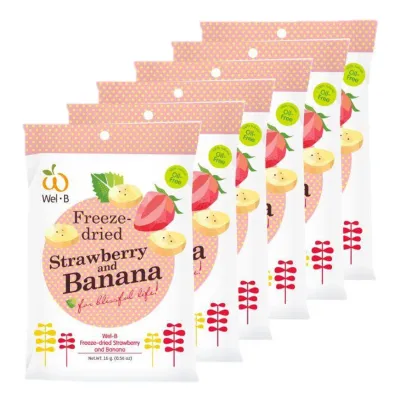
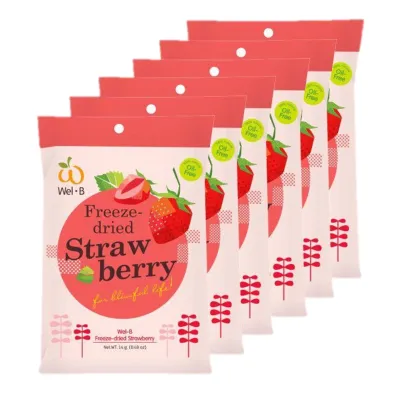
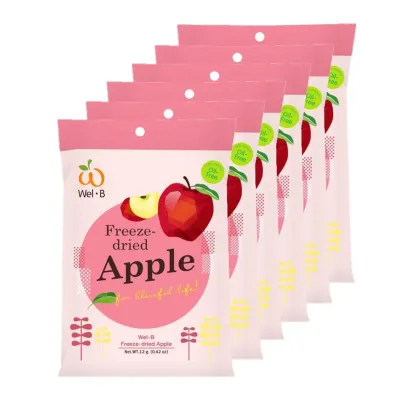
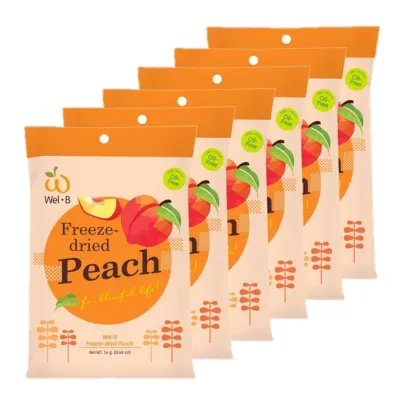
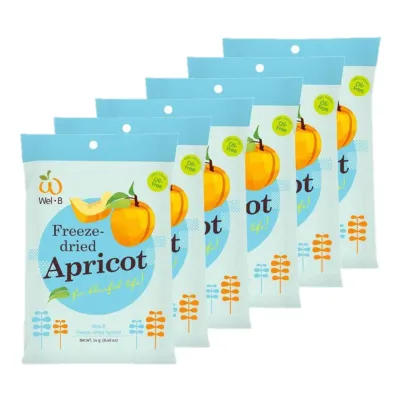
Prices are valid at publication and may change. Please refer to the product page for the latest price.
Oral motor development is the primary factor that dictates which food texture is safe and beneficial for your baby. In the early stages of weaning, an infant’s oral coordination is limited to front-to-back tongue movements, which are designed for swallowing liquids and very smooth purees. As they grow, they develop lateral tongue movements and munching patterns, allowing them to manipulate soft, mashed foods and eventually chew small, soft chunks even before their primary teeth fully emerge.
To help parents navigate these transitions, Wel-B products utilize distinct packaging designs that indicate the appropriate stage for each variant. When browsing official brand stores or trusted ecommerce platforms, look for clear visual cues such as color-coded bands, prominent age numbers, or developmental stage labels. These indicators are specifically designed to help you quickly identify whether a product is formulated as a smooth starter puree, a textured transitional snack, or a more complex toddler meal.
Aligning the food’s texture with your baby’s physical abilities is crucial for preventing choking hazards and fostering positive eating habits. Offering a texture that is too advanced can cause gagging, anxiety, or refusal to eat, while delaying the introduction of textured foods can hinder the development of the jaw muscles necessary for speech and proper chewing. Freeze-dried options are uniquely versatile in this regard, as their physical structure can be easily modified by adjusting the amount of liquid used during preparation.
Nutritional requirements also shift dramatically as your baby transitions from a milk-only diet to family meals. Early variants focus on simple, easily digestible ingredients that introduce new flavors without overwhelming a sensitive digestive system. As your child grows, their nutritional needs expand to include higher levels of dietary iron, zinc, healthy fats, and complex carbohydrates, which are reflected in the more diverse ingredient profiles of advanced variants.
Wel-B Freeze-Dried Variants by Age and Developmental Stage
Selecting the right freeze-dried variant requires an understanding of how baby food formulations change to meet the needs of growing infants. By categorizing these products into three distinct developmental phases, you can systematically introduce new tastes and textures that match your child’s physical and nutritional progress.

Early Weaning and First Tastes (Around 6 Months)
At approximately six months of age, breast milk or formula remains the primary source of nutrition, but introducing solid foods becomes necessary to meet rising nutritional demands, particularly for iron and zinc. For this initial phase, the ideal freeze-dried variants are those featuring single-ingredient profiles. Introducing one food at a time allows you to isolate individual ingredients, making it much easier to identify the source of any potential allergic reactions or digestive sensitivities.
Texture is of utmost importance during these first tastes, as your baby is still learning how to swallow non-liquid foods. Freeze-dried fruits or vegetables selected for this stage must be capable of being rehydrated into a completely smooth, lump-free consistency that mimics a traditional starter puree. The unique structure of freeze-dried food allows it to absorb water rapidly, breaking down into a soft, uniform paste that slides easily down the throat without requiring jaw movement.
Parents should carefully inspect product labels to ensure these early-stage variants contain no added salt, sugar, preservatives, or artificial flavorings. A baby’s kidneys are still developing and cannot process excess sodium, while early exposure to added sugars can establish a preference for overly sweet foods. Always verify the exact product names and month markers on the physical packaging to ensure the variant is specifically certified for the very beginning of the weaning journey.
When introducing these starter variants, the standard protocol is to offer a tiny amount after a regular milk feed. This ensures the baby is not overly hungry or frustrated, allowing them to focus on the novel sensation of spoon-feeding. If the baby rejects the food, do not force it; simply wait a few days and try again, as it can take multiple attempts for an infant to accept a new flavor.
Developing Chewing Skills (Around 8 to 10 Months)
Between eight and ten months, most babies transition from simple swallowing to active munching. They begin to use their tongue to push food to the sides of their mouth, using their gums to mash soft solids. To support this physical milestone, Wel-B variants designed for this stage introduce slightly thicker consistencies, mild textures, and multi-ingredient combinations that encourage oral motor practice.
These transitional variants often combine different fruits, vegetables, or grains, providing a more complex flavor profile that stimulates the baby’s sensory development. The ingredients are processed to retain a slightly textured, mashed, or finely minced consistency upon rehydration, rather than melting into a perfectly smooth liquid. This encourages the baby to practice the rhythmic jaw movements necessary for chewing.
Introducing multi-ingredient variants requires a systematic approach to allergen management. Before offering a blend, ensure your baby has already tried and safely tolerated each individual component of that blend. Monitor your baby closely for any signs of an adverse reaction, such as skin rashes, vomiting, or breathing difficulties, and consult a healthcare professional immediately if any symptoms arise.
Ensuring safety during this stage also involves verifying that the rehydrated food pieces are sufficiently soft. The freeze-dried pieces must soften completely when mixed with liquid, leaving no hard or rubbery centers that could pose a choking hazard. Parents should always test the consistency of the prepared food with their fingers, ensuring it can be easily mashed with minimal pressure before serving it to the child.
Toddler Meals and Complex Textures (12 Months and Older)
By the time a child reaches twelve months, they are transitioning into toddlerhood and are increasingly capable of consuming family-style meals. Their energy requirements rise as they become more physically active, and their digestive systems are mature enough to handle a wider variety of complex proteins, healthy fats, and carbohydrates. Wel-B variants for this age group are formulated to meet these elevated nutritional needs.
These advanced variants typically feature larger, soft chunks of fruits, vegetables, or grains that do not fully dissolve, providing a realistic chewing experience. For busy Singaporean parents, these products serve as highly convenient meal components. They can be served as nutritious on-the-go snacks or easily mixed into home-cooked staple dishes, such as plain rice porridge, oatmeal, or infant pasta, to quickly boost the nutritional value of a meal.
Despite their increased digestive maturity, toddlers still require carefully monitored diets, particularly regarding sodium and sugar intake. Many commercial toddler snacks contain hidden seasonings or preservatives to extend shelf life, making it essential to scrutinize the nutritional information panel on the back of the packaging. Look for variants that maintain a clean ingredient list, prioritizing natural flavors over artificial additives.
This stage is also an excellent time to encourage self-feeding and the development of fine motor skills. Offering fully softened, bite-sized freeze-dried pieces allows toddlers to practice their pincer grasp, picking up individual pieces and feeding themselves. Always supervise your toddler closely during meals to ensure they do not put too many pieces in their mouth at once.
Comparing Nutritional Profiles and Ingredients Across Stages
As your baby progresses through the weaning journey, their nutritional priorities shift to support different phases of physical and cognitive development. Understanding these shifting needs helps you select the most beneficial Wel-B variants at each stage.
| Developmental Stage | Expected Texture | Key Nutrients to Prioritize | Label Checks |
|---|---|---|---|
| Early Weaning (6+ Months) | Smooth, completely lump-free puree when rehydrated | Dietary iron, zinc, vitamin C to aid iron absorption | Single-ingredient formulas, zero added salt or sugar, no artificial preservatives |
| Developing Chewing (8-10 Months) | Soft, mashable small pieces, thick purees, or soft mash | Dietary fiber, diverse vitamins, moderate plant proteins | Multi-ingredient compatibility, allergen clearance, zero added sodium |
| Toddler Meals (12+ Months) | Soft chunks, bite-sized dissolvable pieces | Complex carbohydrates, healthy fats, protein, calcium | Total sodium limits, absence of hidden sugars, age-appropriate portion sizes |
While this comparison table serves as a reliable general guide based on pediatric nutrition standards, parents must always verify the specific nutritional panels on the physical Wel-B products they purchase. Formulations, ingredient sourcing, and nutritional values can vary depending on the region, production batch, and distribution channel. Checking the physical label before feeding ensures you have the most accurate and up-to-date information for your child.
Preparation, Safety, and Serving Guidelines
To prepare freeze-dried baby food safely, you must follow a careful rehydration process that ensures the food reaches the correct consistency. Start by measuring the desired portion of freeze-dried food into a clean, sterilized bowl. Gradually add boiled water that has been allowed to cool to a warm, safe temperature, adhering to the specific liquid-to-food ratios indicated on the product packaging.
Stir the mixture thoroughly to ensure that every piece of freeze-dried food comes into contact with the liquid. Allow the food to sit for the full waiting time specified by the manufacturer, which typically ranges from a few seconds to a couple of minutes depending on the density of the variant. This waiting period is critical, as it allows the freeze-dried structure to absorb moisture completely, eliminating any dry, hard pockets that could cause choking.
Before offering the food to your baby, perform a vital safety check by testing the temperature of the mixture on the inside of your wrist. It should feel comfortably warm, never hot. Additionally, use a clean spoon or your fingers to press down on any visible chunks, verifying that they are completely soft, yielding, and safe for your baby’s current developmental stage.
Hygiene and food safety must be strictly maintained throughout the preparation and feeding process. Always wash your hands thoroughly with soap and water before handling baby food or feeding utensils. Because bacteria from your baby’s saliva can transfer to the spoon and multiply rapidly in the food, you must discard any uneaten portions left in the serving bowl immediately after the feed; never save leftovers for a later meal.
If your child has known food allergies, pre-existing medical conditions, or experiences persistent feeding difficulties such as severe reflux or swallowing issues, consult a pediatrician or a qualified healthcare professional before introducing new food variants. While general guidelines are highly useful, the specific preparation instructions, allergen warnings, and safety directions printed on the official Wel-B packaging must always take precedence over any generalized advice.
Frequently Asked Questions (FAQ)
Can I mix Wel-B freeze-dried food with breast milk or formula?
Yes, you can safely mix freeze-dried baby food with breast milk or formula instead of water. Using these familiar liquids can make the transition to solid foods much smoother for your baby, as the recognizable taste provides comfort and encourages acceptance of new textures. Additionally, rehydrating with breast milk or formula increases the caloric and nutritional density of the meal, which can be highly beneficial for growing infants. However, always check the specific product packaging for any manufacturer contraindications, and note that plain water remains the standard recommendation for evaluating the food’s true natural flavor and texture.
How long does rehydrated freeze-dried baby food last in the fridge?
Once freeze-dried baby food has been rehydrated with liquid, it must be treated with the same care as fresh, home-cooked baby food. Any prepared portion that has not come into contact with your baby’s saliva can be stored in a clean, airtight container in the refrigerator for up to 24 hours. If your baby has already eaten directly from the bowl, any leftovers must be discarded immediately to prevent bacterial growth. Unprepared, dry freeze-dried portions should never be refrigerated; instead, keep them sealed tightly in their original packaging, store them in a cool, dry place away from direct sunlight, and use them before the printed expiration date.
Is freeze-dried baby food as nutritious as fresh purees?
Freeze-drying is a highly effective preservation method that involves freezing the food and then removing the moisture through sublimation under a vacuum. Because this process does not rely on high-heat sterilization, it preserves the vast majority of the original vitamins, minerals, antioxidants, and dietary fiber found in fresh ingredients. While freeze-dried baby food is an exceptionally nutritious and convenient option for busy lifestyles, it should not entirely replace fresh, whole foods. Offering a balanced combination of both ensures your baby receives a wide spectrum of nutrients while experiencing the diverse natural textures of fresh ingredients.
Community discussion
Share your experience or ask a question. Comments are reviewed before publication.