
When caring for a newborn, protecting their delicate, highly permeable skin barrier is a top priority for every parent. Minimal-ingredient, water-based baby wipes like WaterWipes are generally formulated to reduce the risk of skin irritation and contact dermatitis compared to traditional wipes loaded with synthetic fragrances and heavy preservatives. However, whether they are truly safe for your specific newborn depends on your baby’s unique skin tolerance, the specific product variant you choose, and how you use them.
Because formulations can change over time or vary across different regions, it is essential to inspect the packaging of the specific pack you purchase rather than relying solely on general brand reputation. This guide will walk you through how to evaluate the ingredients on the label, monitor your infant’s skin for adverse reactions, and compare minimal-ingredient wipes with other diapering alternatives to make an informed decision for your family.
Understanding the WaterWipes Ingredient List
To make an informed decision, you must first look closely at the ingredient label on the back of the package. While the brand is famous for its minimalist approach, different product variants—such as the Original, Sensitive, or Soothing versions—may contain slightly different formulations to address specific skin needs. Checking the exact label ensures you know precisely what is coming into contact with your newborn’s skin.
Products mentioned in this guide
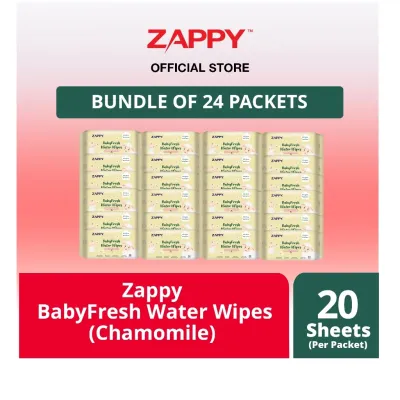
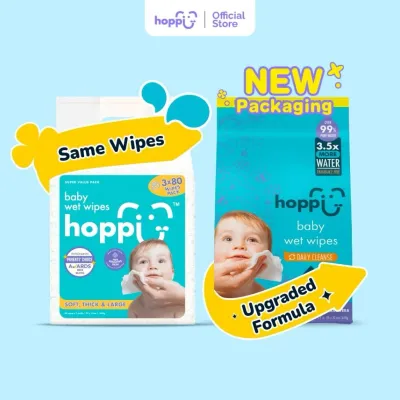
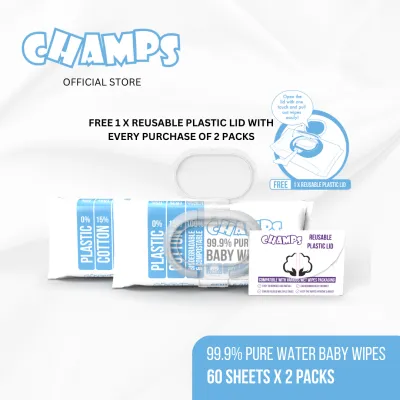
![[3/6/12PACKS] Aiwibi Premium avocado Spring Water Wet Wipes - Non Fragrance (84pcs*1pack)](https://img.lazcdn.com/g/p/750b965af6e67b4d8d2a427de66190e1.jpg_400x400q80.jpg_.webp)
![[BUNDLE DEAL] BZU BZU Ultra Gentle Baby Wipes 30pcs x24](https://img.lazcdn.com/g/p/dd1e2ef98956357c86f9e9926e3d6d30.jpg_400x400q80.jpg_.webp)
![[CARTON DEAL] BZU BZU Ultra Gentle Fragrance Free Baby Wet Wipes 30pcs x48](https://img.lazcdn.com/g/p/72f9696d7be6da31ebc509535a7b84f6.jpg_400x400q80.jpg_.webp)
Prices are valid at publication and may change. Please refer to the product page for the latest price.
The primary component of these wipes is highly purified water, which typically makes up the vast majority of the product. Manufacturers use multi-stage purification processes, such as reverse osmosis or deionization, to remove impurities, minerals, and microorganisms. This creates a clean, gentle base that mimics the simplicity of cleaning with a damp cloth, designed to cleanse without leaving behind sticky residues that can clog pores or irritate delicate skin.
However, water-based products are highly susceptible to bacterial and mold growth once the package is opened and exposed to air. To keep the wipes hygienic and safe for use over time, formulations must include a secondary ingredient that acts as a mild preservative or conditioning agent, such as fruit extracts or very mild antimicrobial compounds. Understanding the role of these secondary ingredients helps you weigh the balance between product shelf life and ingredient simplicity.
Evaluating Safety for Newborn and Sensitive Skin
A newborn’s skin barrier is significantly thinner and more permeable than an adult’s, meaning it absorbs topical substances much more easily and is highly vulnerable to environmental triggers. When evaluating any baby wipe, the primary goal is to avoid known harsh irritants that frequently cause contact dermatitis. These include drying alcohols, synthetic fragrances, parabens, phthalates, and certain strong essential oils that can disrupt the natural lipid barrier of the skin.

Choosing a wipe with a minimal ingredient list statistically reduces the probability of skin irritation simply by limiting the number of chemical compounds exposed to the baby’s skin. With fewer ingredients, there are fewer potential triggers for allergic contact dermatitis, making it easier for parents to pinpoint the cause if a reaction does occur. This minimalist approach is particularly beneficial during the first few weeks of life when the infant’s skin is adapting to the extrauterine environment.
It is important to remember, however, that “natural” or “plant-based” ingredients are not a universal guarantee of absolute safety. Plant extracts, such as grapefruit seed extract or chamomile, contain natural chemical compounds that can still act as allergens or irritants for some highly sensitive infants. Rather than assuming a product is universally safe because of its natural marketing, parents must observe their individual baby’s skin response and remain vigilant for any signs of localized sensitivity.
How to Check for Allergic Reactions and When to Stop
Before using any new baby wipe extensively across your newborn’s entire body or sensitive diaper area, performing a localized patch test is a highly recommended safety measure. To do this, gently swipe a single wipe over a small, discreet area of your baby’s skin, such as the inner forearm or the thigh. Wait at least twenty-four to forty-eight hours while keeping the area clean and dry, monitoring closely for any changes in skin texture or color.
During this observation period, look for clear signs of skin irritation or allergic contact dermatitis. These symptoms typically present as localized redness, dry or flaky patches, tiny raised bumps, peeling, or swelling in the area where the wipe was applied. In some cases, a baby might exhibit unusual fussiness or discomfort during diaper changes, which can indicate that the wiping action or the product itself is causing a burning or stinging sensation on compromised skin.
If you observe any of these adverse reactions, you should stop using the wipes immediately and switch to plain water and a soft, dry cotton cloth. If the redness, rash, or peeling persists, spreads to other areas of the body, or shows signs of infection such as oozing or extreme tenderness, consult a qualified pediatrician or dermatologist. Never attempt to treat a suspected allergic reaction with over-the-counter medicated creams without professional medical guidance.
Comparing WaterWipes with Other Baby Wipe Options
When deciding on the best diapering routine, it helps to compare minimal-ingredient water wipes with other common options available on the market. Traditional baby wipes are often infused with lotions, creams, or skin-conditioning agents designed to leave a protective barrier on the skin or to tackle heavy, sticky messes more easily. While these can be beneficial for older babies with dry skin, the added emollients and fragrances increase the risk of irritation for a newborn’s delicate skin.
Another popular alternative is using dry cotton wipes or soft, reusable washcloths moistened with plain tap water at the time of use. This method completely eliminates the need for any preservatives or chemical additives, making it an exceptionally safe choice for highly sensitive newborns. However, this approach lacks the convenience of pre-moistened, portable packs, which can make diaper changes on the go or during busy nights in Singapore’s fast-paced environment more challenging to manage.
To determine which option fits your lifestyle and your baby’s needs, consider a simple checklist of decision factors. Assess your baby’s skin sensitivity level, the typical type of mess you are cleaning, and your personal convenience requirements. Many parents find that a hybrid approach works best—using dry wipes with plain water at home to minimize chemical exposure, and relying on convenient, minimal-ingredient pre-moistened wipes when traveling, visiting family, or running errands.
Best Practices for Using Baby Wipes on Newborns
Regardless of the wipe brand you choose, the physical technique you use during diaper changes plays a significant role in maintaining skin integrity. Always use gentle patting or dabbing motions rather than aggressive rubbing or dragging across the skin. Aggressive friction can easily micro-tear the fragile newborn skin barrier, leading to painful chafing, increased permeability to irritants, and a higher likelihood of diaper rash.
In warm, humid climates like Singapore, managing moisture is critical to preventing fungal and bacterial diaper rashes. After cleansing with a wet wipe, always allow the baby’s skin to air-dry completely, or gently pat the area dry with a clean, dry cotton cloth before fastening a new diaper. Trapping excess moisture inside a tight diaper creates a warm, damp environment that promotes yeast growth and skin breakdown.
To further protect your newborn’s skin, consider alternating the use of pre-moistened wipes with plain water and soft, reusable cloths for routine, light cleanups. For example, when cleaning wet-only diapers, plain water is often more than sufficient to cleanse the skin without the need for any formulated products. Reserving pre-moistened wipes for soiled diapers or outdoor use helps minimize cumulative chemical exposure and keeps your baby’s skin barrier strong and resilient.
Frequently Asked Questions (FAQ)
Can I use WaterWipes on a newborn's face and hands?
You should always check the specific product packaging to verify if the manufacturer explicitly approves the wipes for use on the face and hands. While minimal-ingredient wipes are generally gentler than standard wipes, the skin on a newborn’s face is exceptionally thin and sensitive. Avoid using any wipe in the immediate eye area to prevent accidental irritation, and monitor your baby’s facial skin closely for any signs of redness or dryness after use.
Do WaterWipes expire, and is it safe to use them past the date?
Yes, water-based wipes with minimal preservatives have a stricter shelf life and can expire. You can typically find the batch code or expiration date printed directly on the back or side of the plastic packaging. Because these wipes contain very few preservatives to inhibit microbial growth, using them past their expiration date increases the risk of bacterial or mold contamination. Always discard any expired, discolored, or unusual-smelling wipes immediately to protect your baby from potential infections.
Community discussion
Share your experience or ask a question. Comments are reviewed before publication.