
Choosing the right waterproof diaper bag in Singapore requires balancing material performance against your daily routine, family size, and the local climate. With sudden tropical downpours and high humidity, a bag that merely resists light splashes may not protect your baby’s dry clothes, diapers, and electronics during a sudden monsoon afternoon. Parents must look beyond aesthetic appeal to evaluate specific construction details, capacity limits, and long-term versatility. By understanding how different materials perform under pressure and how to assess internal layouts, you can select a bag that keeps your essentials dry, organized, and comfortable to carry.
Key Features to Evaluate in a Waterproof Diaper Bag
When shopping for a diaper bag, the term “waterproof” is often used loosely by manufacturers. It is essential to distinguish between water-resistant and fully waterproof materials based on the product descriptions. Water-resistant fabrics, such as standard nylon or polyester treated with a light water-repellent spray, can handle a brief drizzle or minor spills. However, they will eventually absorb water if exposed to sustained rain. Fully waterproof materials, such as thermoplastic polyurethane (TPU) laminates or heavy-duty tarpaulin, create an impenetrable barrier that keeps water out entirely, even during heavy downpours.
Beyond the primary fabric, water often finds its way through the smallest openings. Check product specifications for seam sealing and waterproof zippers. High-quality waterproof bags often feature heat-sealed or taped seams rather than standard stitching, which prevents water from seeping through the needle holes. Waterproof zippers, typically coated with a polyurethane layer, seal the teeth of the zipper when closed, protecting your electronics and dry baby clothes from moisture ingress.
Products mentioned in this guide
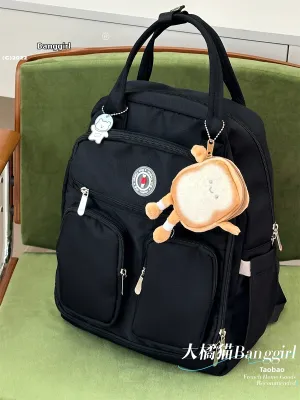
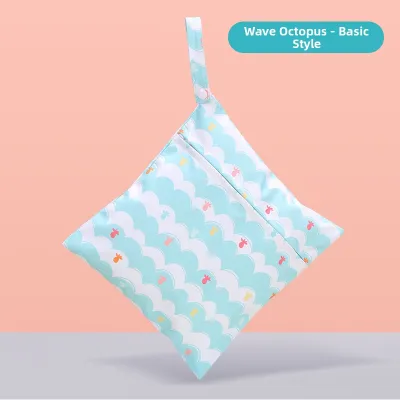
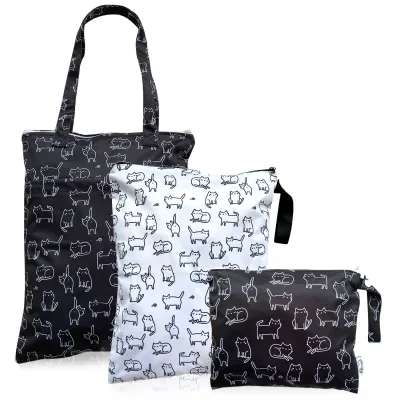
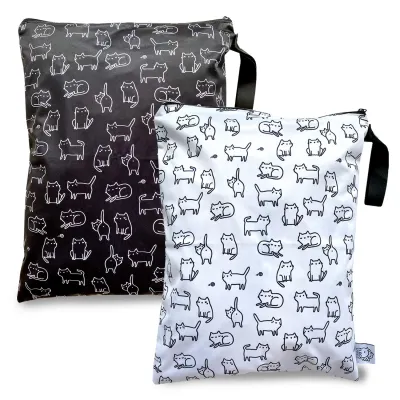
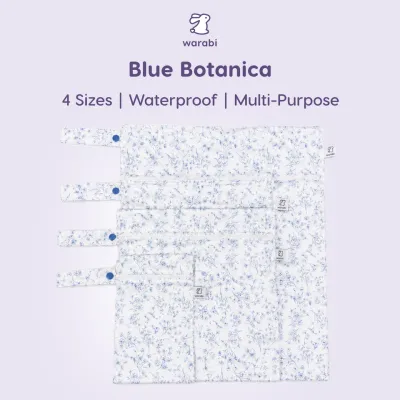
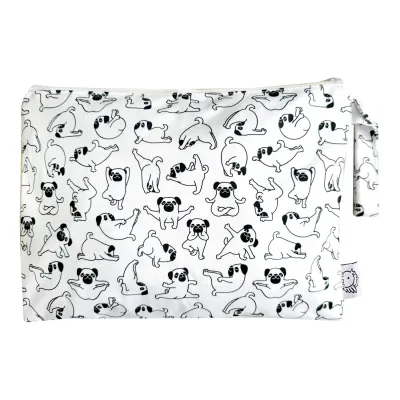
Prices are valid at publication and may change. Please refer to the product page for the latest price.
The interior of the bag requires equal attention. Look for easily wipeable lined interiors made from food-grade, water-resistant materials like PEVA or TPU. These linings ensure that any internal spills, such as a leaking milk bottle or a messy food container, do not soak through to the outer layers of the bag or damage other items. A quick wipe with a damp cloth should be all that is needed to clean up internal messes.
Finally, identify essential organizational features designed specifically for separating wet and dry items. A dedicated wet compartment, lined with a waterproof barrier and sealed with a secure zipper, is invaluable for storing soiled clothes, damp washcloths, or used bibs. Keeping these items isolated prevents odors and moisture from transferring to clean diapers, dry clothes, and sterile feeding equipment.
Comparing Capacity and Organization for Different Needs
Selecting the right bag capacity depends heavily on your family size, the age of your children, and your typical outing duration. For short trips to the neighborhood supermarket or clinic, a compact bag with a capacity of 15 to 20 liters is usually sufficient to hold a few diapers, a pack of wipes, a change of clothes, and a bottle. However, if you plan full-day outings to outdoor parks or indoor play areas, or if you are packing for multiple children, you will likely need a high-capacity bag of 25 liters or more to accommodate the extra gear.

Evaluate the internal layout of the bag to ensure quick access to essential items without the need to dig through a cluttered main compartment. Look for bags with structured, wide-mouth openings that stay open on their own, allowing you to see the entire contents at a glance. Dedicated exterior pockets for baby wipes, insulated bottle pockets to maintain milk temperature, and an easily accessible sleeve for a portable changing pad can save valuable time and reduce stress during diaper emergencies.
Consider the practical trade-off between a compact, lightweight profile and maximum storage space. While a large bag allows you to pack for every possible scenario, it can quickly become heavy and cumbersome to carry, especially when navigating public transport or crowded shopping malls. A bulky bag may also struggle to fit into the under-seat storage basket of your stroller. Conversely, a compact bag forces you to pack minimally, which may leave you short on supplies if your outing runs longer than expected. Finding the right balance involves assessing your daily routine and choosing a size that comfortably fits your essential items without adding unnecessary bulk.
Assessing Waterproofing Quality and Material Durability
To ensure your diaper bag survives the daily wear and tear of parenting, you must carefully assess the quality of its materials and construction. Review care labels and material tags for specific waterproof coatings, laminates, or fabric types. High-density fabrics, such as 500D nylon or heavy-duty polyester with a TPU or PU backing, offer excellent water resistance and durability. Avoid bags that do not clearly state their material composition, as lower-grade fabrics may wear out quickly or lose their water-repellent properties after a few cleanings.
Inspect high-wear areas like the base, handles, and strap attachments for reinforced, easy-to-clean surfaces. The bottom of the bag is frequently placed on public restroom changing tables, park benches, or cafe floors, making it highly susceptible to dirt and moisture. A reinforced, rubberized, or molded waterproof base not only prevents ground moisture from seeping upward but also allows you to wipe the bottom clean easily. Ensure that handles and shoulder straps feature reinforced stitching, such as box-X stitches, to prevent tearing under the weight of a fully loaded bag.
Understand the routine maintenance requirements needed to preserve the bag’s waterproofing over time. Some water-repellent coatings are temporary and can be stripped away by machine washing, harsh detergents, or exposure to high heat. Check if the manufacturer recommends spot cleaning only or if the bag can be hand-washed with mild soap. Proper care ensures that the protective barrier remains intact, keeping your bag functional and looking new for years.
Evaluating Value and Long-Term Usability
A high-quality diaper bag is an investment, and its value is determined by how long and how well it serves your family. Assess whether the design and capacity transition well from the infancy stage to the toddler years. During the newborn phase, you will need to pack numerous small items, bottles, and multiple changes of clothes. As your child grows into a toddler, your packing list will shift toward snacks, water bottles, toys, and spare shoes. A bag with flexible, modular compartments can easily adapt to these changing needs.
Look for versatile carrying options that offer comfort and convenience in different situations. Convertible designs that allow you to switch between a backpack, a shoulder tote, and a crossbody bag provide excellent flexibility. Backpack straps distribute weight evenly across both shoulders, which is ideal for long walks or when you need to keep your hands free. Additionally, integrated stroller attachments or clips allow you to hang the bag securely from your stroller handlebar, relieving physical strain during extended outings.
Weigh the initial cost of the bag against its expected durability, warranty terms, and potential for multi-purpose use. While a budget-friendly bag may seem appealing, it may require frequent replacement due to broken zippers, torn seams, or degraded waterproof coatings. Investing in a mid-range or premium bag with robust hardware, durable materials, and a manufacturer’s warranty often provides better long-term value. For instance, weighing whether to spend S$50 on a basic model or invest S$150 in a premium option should involve calculating the cost over several years of daily use. Furthermore, choosing a neutral, classic design allows you to repurpose the bag as a work backpack, travel carry-on, or gym bag long after your diaper-changing days are over.
How to Make Your Final Decision
To choose the perfect waterproof diaper bag, apply a conditional decision framework based on your prioritized needs and daily lifestyle.
Choose a compact, highly waterproof bag if you primarily take short, frequent trips, rely on public transport, or have an older toddler who requires fewer supplies. In these scenarios, a lightweight bag with high-grade water resistance and streamlined organization will keep your load manageable while protecting your essentials from sudden tropical showers.
Choose a high-capacity, multi-compartment bag if you have newborns, twins, or multiple young children, or if you regularly spend entire days away from home. Prioritize structured organization, insulated compartments, and robust stroller attachments to distribute the weight and keep a large volume of gear easily accessible.
Verify first if the bag meets your physical comfort and quality standards before making a purchase, especially when shopping on online marketplaces. Check the return policy to ensure you can exchange the bag if it does not suit your needs. Pay close attention to the empty weight of the bag in the product specifications, as a heavy empty bag will quickly cause fatigue when fully packed. Finally, read user reviews to verify strap comfort, zipper durability, and how well the bag performs in real-world conditions.
Frequently Asked Questions (FAQ)
How do I clean and maintain the waterproof coating on my diaper bag?
Always check the manufacturer’s care labels and washing instructions before cleaning your diaper bag. Avoid harsh chemicals, bleach, or abrasive scrubbers, as these can strip away the waterproof coatings or damage the fabric fibers. For most waterproof bags, spot cleaning with a soft cloth, mild soap, and lukewarm water is the safest and most effective method. After cleaning, ensure the bag is fully air-dried inside and out in a well-ventilated area before storing it. This is especially important in Singapore’s humid climate to prevent the growth of mold, mildew, and unpleasant odors.
Community discussion
Share your experience or ask a question. Comments are reviewed before publication.