
A water tap extender for kids is a practical addition to any family bathroom, designed to bridge the gap between small hands and the water stream. By channeling the flow closer to the edge of the basin, these simple accessories encourage independence and make handwashing after playtime or meals much more manageable. However, because these devices are constantly exposed to moisture, sit in high-traffic family bathrooms, and are frequently touched by toddlers who may put their wet hands in their mouths, safety must always come before cute designs or low price points. Selecting the right model requires a careful assessment of material composition, attachment stability, physical construction, and long-term hygiene to ensure that a tool meant for cleanliness does not introduce unexpected hazards.
Caregivers should always supervise young children in the bathroom, regardless of the safety features a product claims to have. A tap extender is a helpful tool, but it does not replace the need for active adult monitoring. Before purchasing, parents should review the manufacturer’s age recommendations, installation instructions, and weight limits to ensure the product is appropriate for their child’s developmental stage.
Verifying Material Safety and Toxicity Labels
When choosing a water tap extender kids accessory, the chemical composition of the material is your first line of defense. Because young children frequently touch the extender and may even attempt to bite or chew on it, parents must verify that the product is made from non-toxic, food-grade materials. Look closely at the product packaging, user manual, or official manufacturer specifications to confirm that the item is explicitly declared as BPA-free, phthalate-free, and PVC-free. Many high-quality extenders utilize food-grade silicone or high-density polyethylene (HDPE) plastics, which are generally more stable under varying water temperatures.
Products mentioned in this guide
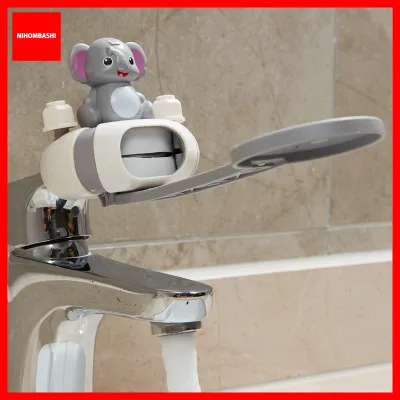
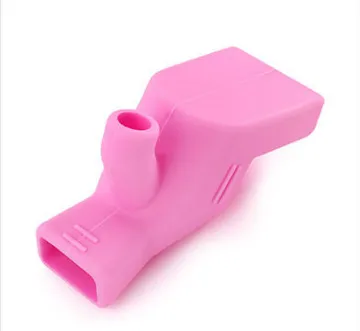
![[SG SELLER] [FREE SHIPPING] Children Kids Faucet Tap Extender Sink Wash Hands Guides Flow Of Water Nearer To Child](https://img.lazcdn.com/g/p/c24a0064f34a9869cbcc66705503ca71.jpg_400x400q80.jpg_.webp)
![[SG SELLER] [FREE SHIPPING] Children Kids Faucet Tap Extender Sink Wash Hands Guides Flow Of Water Nearer To Child](https://img.lazcdn.com/g/p/e087de8b9b1ded907e95266a02c5c5c0.jpg_400x400q80.jpg_.webp)
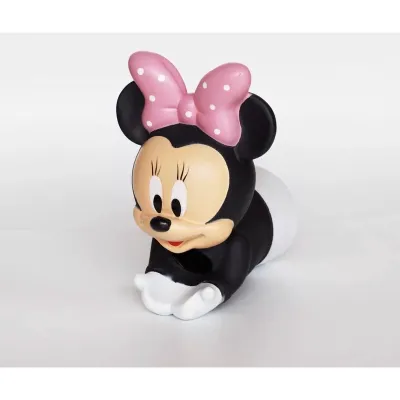
![[Kawaii Kiddy] Mickey Faucet Tap Extender](https://img.lazcdn.com/g/p/a4cc8f16ad43a82620e847f3c3eaf4be.png_400x400q80.png_.webp)
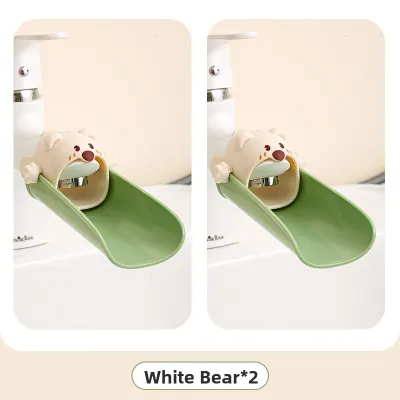
Prices are valid at publication and may change. Please refer to the product page for the latest price.
It is crucial to distinguish between vague marketing terms like “eco-friendly” or “100% safe” and verifiable material standards. True safety compliance is backed by recognized testing standards, which parents should look for on the packaging or the manufacturer’s official documentation. If you unbox a newly purchased tap extender and notice a strong, pungent chemical or plastic odor, treat this as a significant warning sign. Such smells often indicate the off-gassing of volatile organic compounds (VOCs) or the presence of low-grade plasticizers. In these cases, it is safest to avoid using the product altogether and return it to the retailer, as high-quality food-grade silicone and plastics should be virtually odorless.
Evaluating Attachment Security and Slip Risks
A tap extender must remain firmly anchored to the faucet during use to prevent accidents. If the device slips or detaches suddenly while a child is washing their hands, it can cause the child to lose their balance, potentially leading to slips or impact injuries against the hard porcelain of the sink. Parents should evaluate the attachment mechanism based on their specific tap shape. Universal stretch-fit silicone designs are highly popular because they stretch over the faucet spout, but their grip depends heavily on the size and texture of your tap. For square, unusually thick, or pull-out spray taps, a stretch-fit model may slip off easily, making a screw-on clamp or adjustable strap mechanism a more secure choice.

Before making a purchase, measure your bathroom tap and check the manufacturer’s compatibility guidelines. A poor fit not only causes water to leak backward onto the counter but also increases the likelihood of the extender sliding off when a toddler pulls on it with wet hands. To minimize this hazard, look for extenders that feature internal rubberized ridges, textured grip pads, or tightening straps. These design elements create friction against the metal faucet, ensuring the device stays in place even under the pressure of a sudden tug or high water flow.
Checking Physical Design for Injury Prevention
The physical structure of the tap extender must be thoroughly inspected to prevent physical injuries in the bathroom. Toddlers are still developing their motor skills and balance, making them prone to sudden slips on wet bathroom tiles. Therefore, any accessory attached to the sink must have smooth, rounded edges. Sharp plastic corners or rigid protrusions can cause scratches, bruises, or even eye injuries if a child leans forward too quickly or loses their footing. Opt for streamlined, curved designs that present no sharp points.
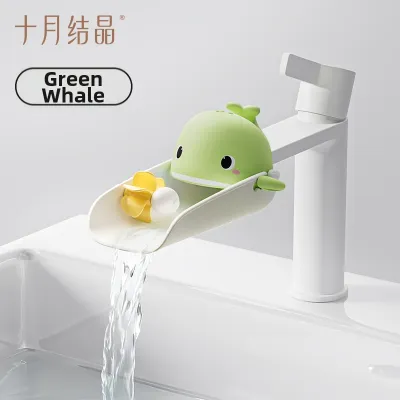
Additionally, parents must be vigilant about decorative elements. While cartoon characters, animal shapes, and multi-piece designs are highly appealing to toddlers, they often feature small, detachable parts. If a decorative ear, eye, or cap becomes loose due to water exposure or a child’s pulling, it instantly becomes a severe choking hazard. Choose single-piece molded designs or models where all components are securely fused together. Furthermore, prioritize material flexibility; a soft, pliable silicone spout will bend safely if a child accidentally bumps their head or hands against it, whereas a rigid, brittle plastic extender can snap, leaving sharp edges that pose a cutting risk.
Managing Water Flow and Temperature Risks
Adding an extender alters the natural dynamics of your sink’s water flow, which can introduce secondary safety concerns. Some extenders narrow the water channel, which can inadvertently increase water pressure and create a wide splash radius. In a typical family bathroom, excessive splashing leads to water pooling on the vanity and dripping onto the floor, creating a highly slippery surface for young children. To prevent this, look for extenders designed with wide, gently sloped channels or those that incorporate built-in flow restrictors or aerators. These features soften the stream, keeping the water contained within the basin while protecting delicate young skin from harsh, high-pressure streams.
Water temperature management is another critical factor. Because an extender adds physical distance and volume to the faucet spout, it can trap a small amount of residual water inside its channel. This trapped water can become hot if the previous user ran hot water, or it can delay the arrival of adjusted water temperatures. When you turn on the tap, the extender might release a sudden burst of hot water before the cold water mixes in. Always test the water temperature directly at the tip of the extender with your own hand before allowing your child to place their hands underneath. Teach your child to wait for your signal before reaching for the water stream.
Preventing Mold and Maintaining Hygiene
In humid environments, such as bathrooms in tropical climates like Singapore, mold and bacterial growth are constant challenges. Tap extenders are continuously exposed to moisture, soap residue, and skin cells, creating an ideal breeding ground for biofilm and black mold. When selecting a product, avoid designs with deep internal crevices, hollow decorative pockets, or complex joint mechanisms where water can pool and stagnate. A simple, open-channel design allows water to drain completely after each use, significantly reducing the risk of mold colonization.
Maintaining hygiene requires a consistent cleaning routine. Parents should remove the extender at least once a week to wash it thoroughly with warm, soapy water, paying close attention to the internal sleeve that contacts the metal tap. Always refer to the manufacturer’s care instructions, as some materials may be dishwasher-safe while others require gentle hand washing. After cleaning, allow the extender to air-dry completely in a well-ventilated area before reattaching it. Regularly inspect the device for visual and tactile signs of degradation. If you notice persistent black mold spots that cannot be cleaned, a sticky or slimy texture that remains after washing, or discoloration and cracking of the material, the extender has reached the end of its lifespan and must be disposed of immediately to protect your child’s health.
Frequently Asked Questions (FAQ)
Are silicone tap extenders inherently safer than hard plastic ones?
Silicone extenders generally offer better physical safety because their flexible, soft texture bends easily if a child accidentally bumps against them, reducing the risk of bruises or cuts. However, silicone is highly porous compared to hard plastic, meaning it can trap moisture and soap scum more easily if not dried properly. While silicone is excellent for physical safety, it requires more frequent cleaning and monitoring to prevent mold growth than rigid plastic alternatives.
Can a tap extender affect the mixing of hot and cold water?
Yes, a tap extender can temporarily affect how you perceive water temperature. Because the water must travel through an additional channel, there can be a brief delay between adjusting the faucet handles and the temperature change reaching the end of the extender. Additionally, any water left sitting in the extender from a previous use may be significantly hotter or colder than the fresh stream, making manual temperature checks by a caregiver essential before every use.
How do I safely remove a tight silicone extender without damaging the tap?
To remove a tight silicone extender without scratching your metal faucet or tearing the silicone, avoid using sharp tools, screwdrivers, or excessive force. Instead, pour a small amount of warm, soapy water around the connection point where the silicone grips the tap. This acts as a lubricant, allowing you to gently twist the base of the extender back and forth to break the suction before sliding it smoothly off the spout.
Community discussion
Share your experience or ask a question. Comments are reviewed before publication.