
Wakodo juice is a widely recognized option in the baby food aisle, often sought out by parents looking for convenient beverage options for their little ones. However, determining whether these drinks are suitable for your baby requires a close look at their specific formulations and general pediatric health guidelines. To understand the exact nutritional value, parents must direct their attention to the specific product label to verify the ingredient list, fruit concentration, and age recommendations printed on the packaging. While commercial baby juices are formulated with infants in mind, standard pediatric consensus globally and in Singapore generally advises against introducing any fruit juice to infants under 12 months of age. For optimal infant nutrition and healthy oral development, whole fruits or mashed purees are typically preferred over liquid juices.
How to Read and Evaluate Wakodo Juice Ingredients
When browsing the baby food section of local supermarkets or online marketplaces, you will find various Wakodo beverage options. Evaluating these products systematically ensures you make an informed decision for your child’s dietary needs.
Fruit Juice Concentration The first step in assessing any baby beverage is identifying the actual fruit juice concentration. Commercial baby drinks can range from 100% pure fruit juice to diluted juice drinks and nectars. You can determine this by checking the primary ingredients listed on the back of the packaging. In high-quality formulations, the fruit juice or fruit puree should be the first ingredient listed, indicating it makes up the majority of the product. If water is the first ingredient, the product is pre-diluted, which may reduce the overall sugar concentration per serving but also means you are paying for added water.
Products mentioned in this guide
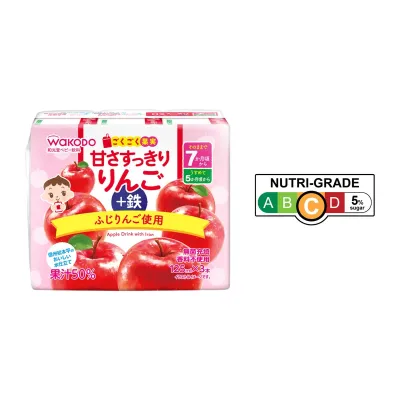
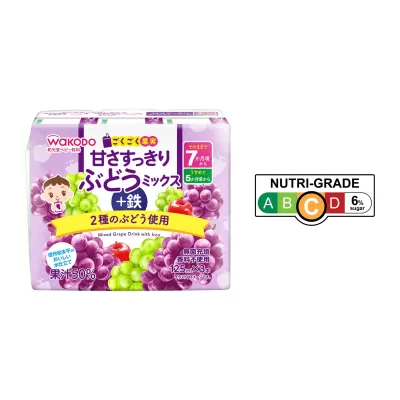
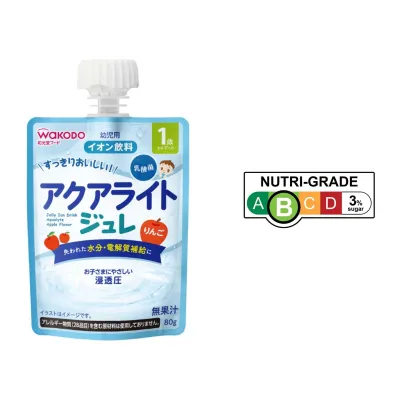
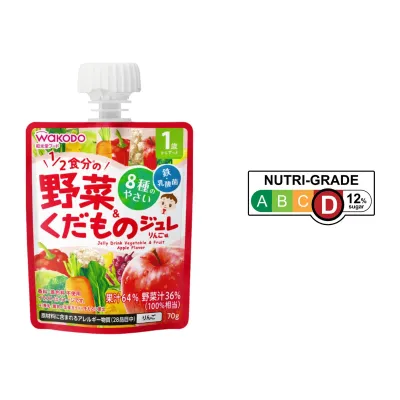
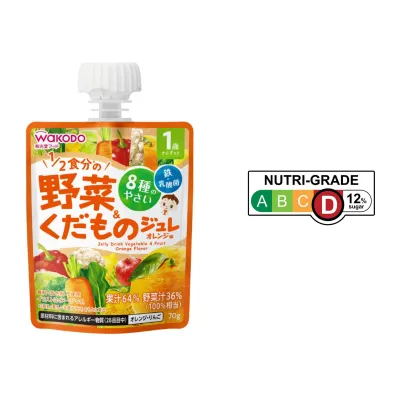
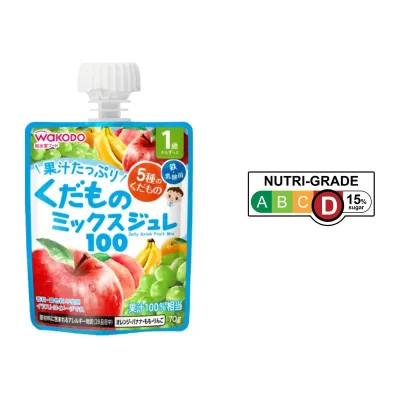
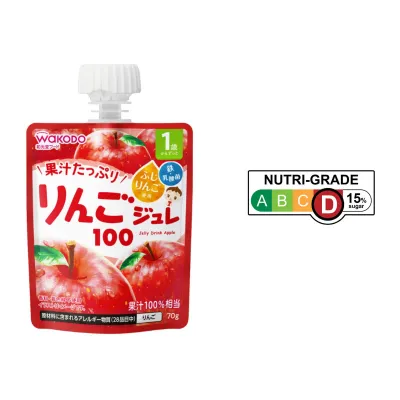
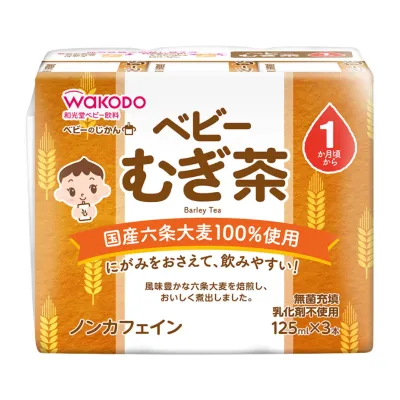
Prices are valid at publication and may change. Please refer to the product page for the latest price.
Added Sugars and Sweeteners Carefully inspect the ingredient list for any added sugars, syrups, or artificial sweeteners. While natural fruit sugars (fructose) are inherently present in fruit juices, added sweeteners are unnecessary and can foster an early preference for overly sweet tastes. Look out for terms like sucrose, glucose, high-fructose corn syrup, or fruit juice concentrates used purely as sweetening agents. Ideally, any beverage offered to a young child should contain zero added sugars.
Additives and Preservatives Check the packaging for artificial colors, artificial flavors, or chemical preservatives. High-quality baby food brands generally avoid these additives, relying instead on pasteurization and airtight packaging to maintain shelf life. Additionally, look for unnecessary fortifications. While some juices are fortified with Vitamin C, it is always best to obtain vitamins from whole food sources rather than relying on processed beverages.
Allergen Information Always review the packaging for potential allergen warnings and cross-contamination statements. Some fruit juices blend multiple fruits, such as apple, grape, and peach. If your family has a history of food allergies, or if you are introducing a specific fruit for the first time, verify that the product does not contain hidden allergen triggers or share processing equipment with common allergens like soy or milk.
Nutritional Reality: Juice vs. Whole Fruits for Babies
Understanding the nutritional differences between liquid juice and whole fruits helps parents establish healthy dietary habits from the start of the weaning journey.

Fiber Content The most significant nutritional difference between fruit juice and whole fruit is the dietary fiber content. The juicing process extracts the liquid but leaves behind the fibrous pulp of the fruit. Dietary fiber is crucial for babies as it helps regulate digestion, prevents constipation, and slows down the absorption of natural sugars into the bloodstream. When a baby drinks clear juice, they miss out on these digestive benefits, leading to rapid spikes in blood sugar levels.
Caloric Density and Satiety Liquid calories do not promote the same feeling of fullness, or satiety, as solid foods. Drinking juice can quickly fill a baby’s small stomach with liquid calories, leaving little room for more nutrient-dense options. This displacement is a key concern for growing infants, as it may reduce their appetite for breastmilk, infant formula, or iron-rich solid meals that are essential for their physical and cognitive development.
Dental Health Considerations In Singapore’s warm climate, keeping babies hydrated is a priority, but relying on sweet juices can have severe consequences for dental health. The natural sugars and acids present in fruit juices cling to emerging baby teeth, creating an ideal environment for cavity-causing bacteria. This risk is particularly high when juice is consumed slowly over a long period or served in a bottle, which bathes the teeth in sugary liquid.
Vitamin Absorption While fruit juice does contain vitamins, such as Vitamin C, these nutrients are easily obtained through safer and more balanced dietary sources. Vitamin C from whole fruits or mashed purees is absorbed just as effectively without the concentrated sugar load of juice. Relying on juice for vitamin intake can inadvertently displace essential foods that provide iron, zinc, and healthy fats.
Safe Feeding Guidelines and Age Recommendations
If you choose to introduce commercial beverages like Wakodo juice to your child’s diet, adhering to safe feeding guidelines is essential to protect their health.
Age Thresholds Major pediatric organizations, including the Singapore Health Promotion Board, advise against introducing any fruit juice to infants under 12 months of age. During the first year of life, breastmilk or infant formula should remain the primary source of hydration and nutrition. Introducing juice too early can disrupt milk intake and lead to nutritional imbalances.
Portion Control For toddlers aged one to three years, juice should be strictly limited if offered at all. Pediatric guidelines generally recommend limiting juice consumption to no more than 120ml per day. Keeping portions small ensures that sweet beverages do not become a substitute for water or milk.
Preparation and Serving When serving juice to a toddler, always serve it in an open cup or a free-flowing training cup rather than a baby bottle or a teat-topped sippy cup. Drinking from an open cup encourages mature swallowing patterns and minimizes the time the liquid spends in contact with the teeth. Additionally, consider diluting the juice with plain water—using a ratio of one part juice to several parts water—to reduce both the sweetness and the acidity.
Stop Conditions Caregivers must monitor their child closely after introducing any new beverage. Stop serving juice immediately and consult a qualified healthcare professional if you notice signs of digestive upset, such as chronic diarrhea, bloating, or excessive gas. You should also discontinue juice if you observe a sudden decline in your child’s appetite for main meals, rapid weight changes, or early signs of tooth decay, such as white spots or discoloration on the teeth.
Frequently Asked Questions (FAQ)
Is commercial baby juice safer than homemade fruit juice?
Commercial baby juices undergo strict pasteurization processes to eliminate harmful bacteria, such as E. coli or Salmonella, making them microbiologically safer for young children than unpasteurized homemade juices. However, preparing fresh fruit purees or mashing whole fruits at home allows parents to retain beneficial dietary fiber and strictly control the ingredients, ensuring no added sugars or preservatives are introduced to the child’s diet.
Can I mix juice with my baby's formula or breastmilk?
No, you should never mix fruit juice with breastmilk or infant formula. Doing so alters the precise nutritional balance, osmolarity, and caloric density of the milk, which can strain your baby’s developing kidneys and digestive system. If your child is over 12 months old and you choose to offer juice, always serve it separately and only after they have consumed their required daily intake of breastmilk, formula, or solid meals.
What should I do if my toddler refuses water but demands juice?
If your toddler refuses plain water, you can transition them gradually by systematically diluting their juice with water over several weeks. Start by mixing a small amount of water into the juice, slowly increasing the water ratio until the beverage is almost entirely plain water. Additionally, try offering water in colorful, age-appropriate cups, serving it at different temperatures, or infusing it with a few slices of fresh, whole cucumber or mint to make it visually appealing without adding concentrated sugars.
Community discussion
Share your experience or ask a question. Comments are reviewed before publication.