
Quick Answer: Is Wakodo Juice Nutritious for Babies?
Wakodo juice is formulated specifically for infants, but it is best understood as an occasional sensory introduction to new flavors rather than a core source of daily nutrition. While these beverages are designed with baby-safe standards in mind, they do not replace the essential vitamins, proteins, and fats found in breast milk or infant formula. Before offering any packaged beverage to your little one, you must carefully inspect the specific product label to verify the recommended age range, check for added ingredients, and ensure it fits safely into your baby’s current developmental stage. For daily hydration and optimal growth, breast milk, formula, and plain water remain the primary and most critical options.
How to Read and Evaluate Wakodo Juice Ingredients
Navigating imported baby food labels requires a systematic approach to ensure you know exactly what your baby is consuming. When examining Wakodo juice packaging, which often features Japanese labeling alongside local import stickers, parents should focus on a few critical areas to evaluate the quality of the ingredients.

- Fruit Puree vs. Juice Concentrate: Look closely at the ingredient list to identify the base of the beverage. Products made from fruit purees typically retain a tiny amount of natural fruit pulp, whereas those made from juice concentrates have had the water removed and later restored. Checking the order of ingredients helps you understand the concentration; if water is listed before the fruit components, the beverage is pre-diluted.
- Added Sugars and Sweeteners: Carefully scan the ingredient list for terms like sucrose, fructose, glucose, or various syrups. Reputable infant food brands generally avoid adding refined sugars or artificial sweeteners to their baby beverages, relying instead on the natural sweetness of the fruit. Verifying this on the label ensures you are not introducing unnecessary sugars to your baby's diet.
- Fortification and Additives: Some baby juices are fortified with specific nutrients, such as Vitamin C (which may also be listed as ascorbic acid). Ascorbic acid is frequently added to fruit-based products to prevent natural oxidation and color changing. Check the nutrition facts panel to verify the presence of these added vitamins and to ensure there are no artificial colors, artificial flavors, or chemical preservatives.
- Allergen Identification: Always check the label for potential allergens, especially if the product is a mixed-fruit blend. Common ingredients like apple, peach, orange, or grape can occasionally trigger sensitivities in infants. If your family has a history of allergies, verifying the complete ingredient list is an essential safety step before the first sip.
Understanding the Nutritional Role of Juice for Babies
To make informed feeding decisions, it is helpful to distinguish between beverages that support hydration and those that provide essential structural nutrition. In warm tropical climates like Singapore, keeping an infant hydrated is a common priority for parents, but juice should not be the default solution.
Products mentioned in this guide
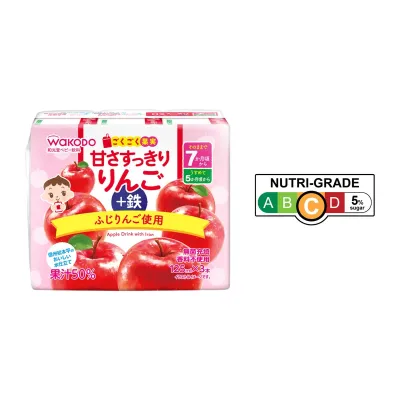
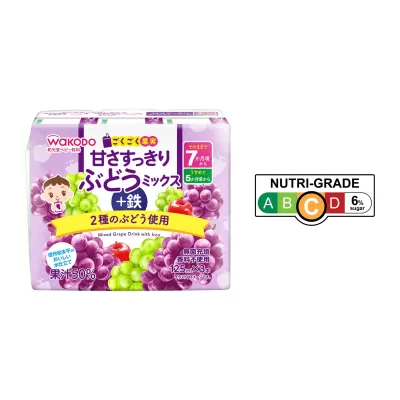
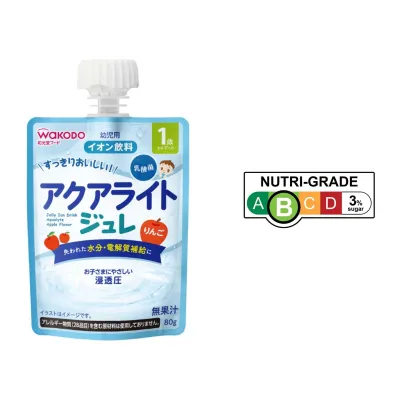
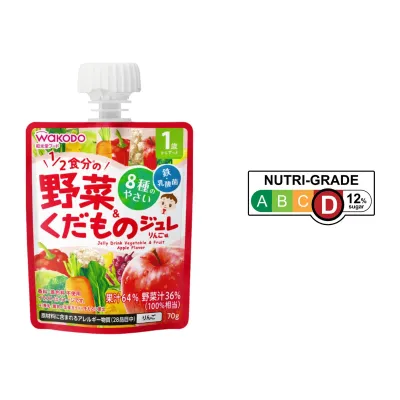
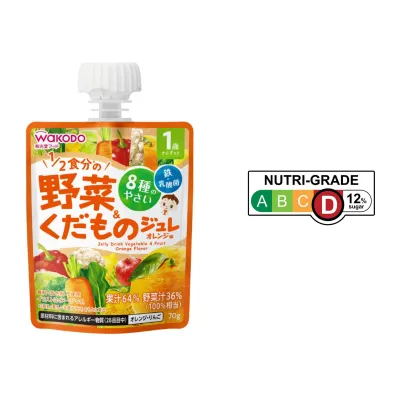
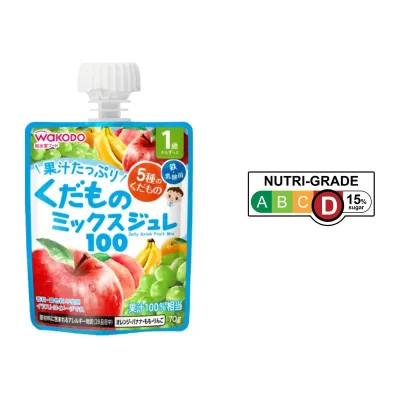
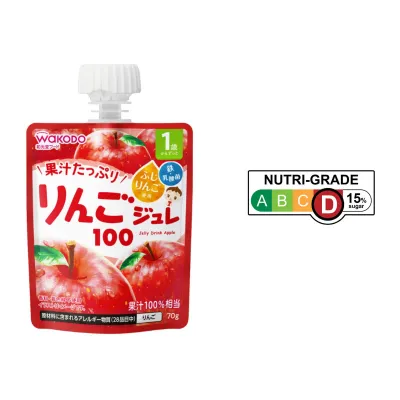
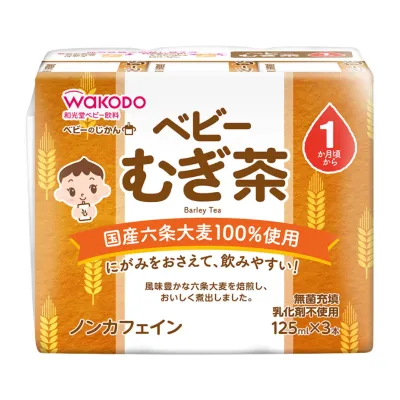
Prices are valid at publication and may change. Please refer to the product page for the latest price.
Breast milk and infant formula are highly complex, nutrient-dense fluids designed to support rapid brain development, bone growth, and immune function. Fruit juice, even when formulated specifically for babies, lacks the essential proteins, healthy fats, and complex minerals found in milk. It serves primarily as a source of water and simple carbohydrates, offering sensory variety rather than foundational nourishment.
While whole fruits are rich in dietary fiber, the juicing process removes almost all of this beneficial structural material. Without fiber, the natural sugars in fruit juice are absorbed much more rapidly by the baby’s digestive system. Offering whole fruit purees or mashed fruits is a highly preferable way to deliver vitamins, as the intact fiber supports healthy digestion and helps regulate sugar absorption.
Another critical consideration is the caloric impact of liquid snacks. A baby’s stomach is incredibly small, and liquid calories from juice can fill them up very quickly. If a baby drinks juice close to mealtime, they may have a reduced appetite for breast milk, formula, or iron-rich solid foods. Over time, this displacement can lead to nutritional gaps, particularly in iron and zinc intake, which are crucial during the first years of life.
Safe Feeding Guidelines and Age Limits for Baby Juice
Introducing juice requires careful timing and portion management to protect your baby’s developing digestive system and dental health. Establishing clear boundaries around when and how to serve these drinks can prevent common feeding challenges later on.
- Observe Age Thresholds: Pediatric guidelines generally recommend avoiding the introduction of any fruit juice to infants under 12 months of age. During the first six months, babies obtain all necessary hydration and nutrition from breast milk or formula. Between six and twelve months, the focus should remain on introducing solid food textures and plain, boiled water rather than sweet beverages.
- Practice Dilution and Portion Control: If you choose to offer juice to a toddler over the age of one, dilution is an excellent way to manage sugar intake. Mixing one part juice with two or three parts of boiled, cooled water reduces the overall sweetness and acidity. Keep daily portions small, generally limiting juice consumption to no more than 120ml per day, and treat it as an occasional treat rather than a daily habit.
- Choose the Right Serving Method: Always serve juice in an open cup or a trainer straw cup rather than a baby bottle. When a baby drinks sweet liquids from a bottle, the fluid pools around their front teeth for an extended period. This prolonged exposure to natural fruit sugars and acids significantly increases the risk of early childhood tooth decay.
- Monitor for Stopping Conditions: Watch your baby closely whenever you introduce a new food or drink. If you observe signs of digestive upset, such as unusually loose stools, gas, or abdominal discomfort, stop serving the juice immediately. Similarly, if you notice any skin rashes or signs of dental sensitivity, discontinue use and consult your pediatrician for personalized guidance.
Healthier Hydration and Fruit Alternatives for Babies
Providing your baby with nutrient-dense alternatives to juice supports healthy growth and helps establish positive eating habits that can last a lifetime. There are several simple ways to keep your baby hydrated and introduce fruit flavors without relying on packaged beverages.
For daily hydration, plain water that has been boiled and cooled to room temperature is the safest and most effective choice once your baby starts solid foods. Offering water teaches your baby to appreciate neutral tastes, preventing them from developing a strong preference only for highly sweetened drinks.
When introducing fruit, opt for whole fruit purees or finely mashed fruits instead of juice. Preparing a quick puree of steamed apples, ripe pears, or mashed bananas preserves the natural dietary fiber and provides a much richer sensory experience. This method allows your baby to experience the actual texture of the fruit, which is highly beneficial for their oral development.
As your baby transitions to solid foods, incorporating small, soft pieces of whole fruit directly into their meals encourages active chewing and coordinates their oral motor skills. This approach helps them learn to manage different food consistencies safely, building a diverse palate and supporting a smooth transition to family meals.
Frequently Asked Questions (FAQ)
Can I give Wakodo juice to my baby every day?
Daily consumption of fruit juice is generally discouraged for infants and young toddlers. The natural sugars and acids in juice can contribute to early childhood tooth decay and may displace more nutrient-dense foods in your baby’s diet. Always check the specific Wakodo packaging for age-specific guidelines, and consult your pediatrician to determine a safe, balanced dietary routine for your child.
Does Wakodo juice need to be diluted with water?
You should always read the manufacturer’s preparation instructions on the specific Wakodo product you purchased. Even if a product is labeled as ready-to-drink, diluting the juice with boiled, cooled water is a highly recommended practice. Dilution helps lower the sugar concentration, makes the beverage gentler on your baby’s sensitive stomach, and reduces the risk of dental decay.
Is Wakodo juice better than regular adult fruit juice?
Baby-specific juices, such as those from Wakodo, are typically formulated to meet strict infant food safety standards, meaning they generally avoid the added sugars, artificial colors, and chemical preservatives often found in standard adult juices. However, even though they are designed with babies in mind, they should still be treated as an occasional treat rather than a daily hydration source.
Community discussion
Share your experience or ask a question. Comments are reviewed before publication.