
Transitioning your baby to solid foods is an exciting milestone, but navigating the commercial baby food aisle can feel overwhelming. Among the popular international options available in Singapore, Wakodo is a widely recognized Japanese brand known for its convenient, stage-based meals. Parents often turn to these products for their convenience and unique flavor profiles, which differ significantly from typical Western baby foods.
However, determining whether these products meet your baby’s specific dietary needs requires a close look at their ingredients and nutritional composition. Rather than relying on brand reputation alone, parents should learn how to analyze labels, assess nutritional density, and compare formulations. This guide provides a practical framework to help you evaluate these products objectively, ensuring your baby receives balanced nutrition during this critical growth phase.
Understanding Wakodo's Ingredient Approach and Label Basics
Wakodo structures its baby food offerings around traditional Japanese culinary staples, focusing on mild flavors and progressive textures. Common base ingredients across their product ranges include Japanese white rice, vegetables such as pumpkin, sweet potato, spinach, and carrots, and protein sources like white fish, chicken, and tofu. Many of these meals are prepared using a savory dashi broth made from kelp or bonito flakes, which introduces natural umami flavors to help expand an infant’s palate early in the weaning process.
Products mentioned in this guide
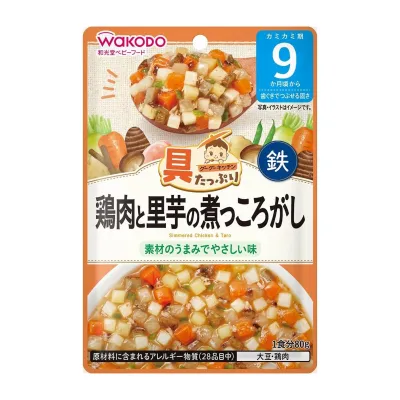
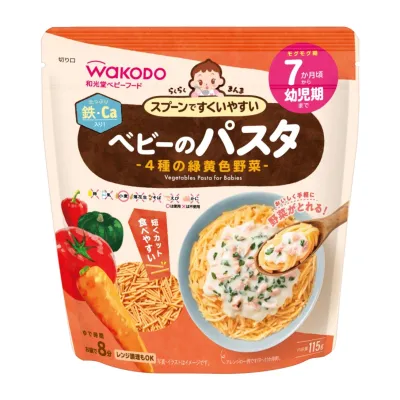
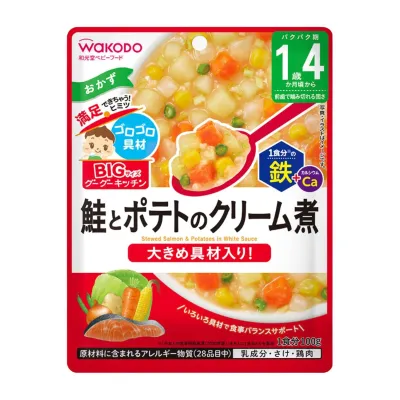
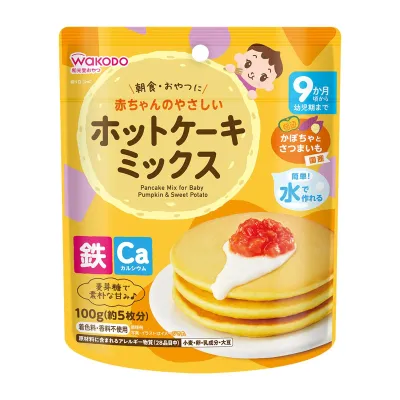
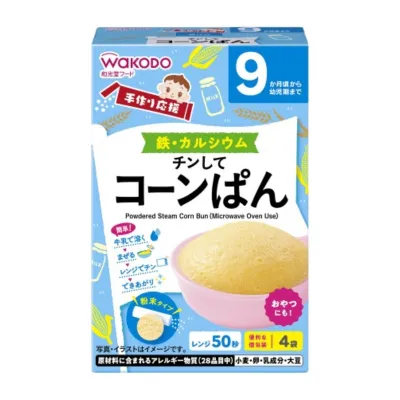
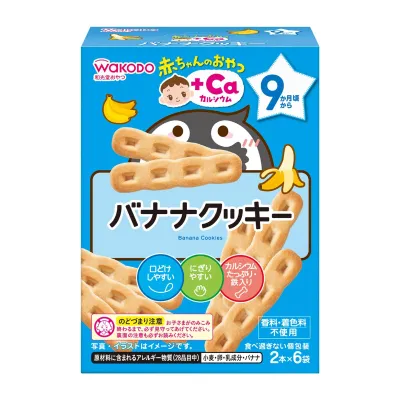
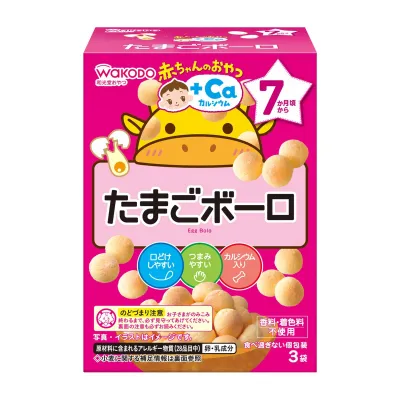
Prices are valid at publication and may change. Please refer to the product page for the latest price.
When it comes to food additives, the brand generally aims to minimize the use of artificial preservatives, colorings, and chemical flavorings. However, because ingredient formulations can vary between domestic Japanese versions and those imported for the Singapore market, parents must inspect the ingredient list of each individual package. Some product lines may contain added starches, dextrin, or thickeners to maintain texture stability during storage. While these additives are safe for consumption, they do not contribute significant nutritional value and should be factored into your overall dietary assessment.
The brand’s product lines are strictly categorized by age stages, typically starting from 5 months, 7 months, 9 months, and 12 months or older. As the target age increases, the ingredient complexity and food textures evolve systematically. The formulations transition from single-ingredient smooth purees to multi-ingredient mixtures with soft, minced solids, and eventually to small, tender chunks. This structured progression is designed to match your baby’s oral motor development, helping them transition smoothly from swallowing liquids to chewing solid foods.
Key Nutritional Dimensions to Check on the Packaging
To assess the nutritional adequacy of any commercial baby food, parents should establish a consistent checklist when reading the packaging. Start by evaluating the macronutrient sources, particularly the carbohydrates. Many instant baby porridges and purees rely heavily on white rice flour or refined starches. While these ingredients provide easily digestible energy, they lack the dietary fiber and sustained energy release offered by whole-grain alternatives like brown rice or oats.

Micronutrient fortification is another critical dimension to verify, especially during the weaning transition when a baby’s natural iron stores begin to deplete. While some global baby food brands actively fortify their products with iron, calcium, and essential vitamins, many Japanese formulations rely primarily on the natural nutrient content of their whole-food ingredients, such as seaweed, fish, and leafy greens. Parents should check the nutrition information panel to see if these essential micronutrients are explicitly fortified or if they need to be supplemented through other meals in the baby’s daily diet.
Sodium levels require careful monitoring, as an infant’s kidneys are still developing and cannot process high amounts of salt. Although baby foods are formulated to be low in sodium, some savory meals, broths, or snacks may contain added salt, soy sauce, or savory extracts for flavor. Carefully check the sodium content per serving on the label, aiming for products that keep sodium to an absolute minimum and align with pediatric guidelines for daily intake.
Additionally, verify the sugar content, distinguishing between naturally occurring sugars from fruits and vegetables and any added sweeteners. Fruit-based purees and sweet snacks can have high concentrations of fructose, which can influence a baby’s developing taste preferences. Review the ingredient list to ensure that concentrated fruit juices or sugars are not listed near the top, which would indicate they are a primary component of the product.
How to Compare Wakodo Against Other Baby Food Brands
When comparing Wakodo to other commercial baby food brands sold in Singapore, using an objective, structured framework helps you make the best choice for your budget and nutritional goals. Begin by comparing the length and clarity of the ingredient lists. High-quality baby foods typically feature short, transparent lists where whole foods—such as vegetables, grains, and meats—make up the vast majority of the product, rather than water, starches, or processed fillers.
Certification claims are another important point of comparison. Many Western baby food brands prominently display certified organic seals, such as USDA Organic or EU Organic. In contrast, Japanese brands operate under Japanese agricultural standards and local food safety regulations. Rather than assuming one regional standard is superior, parents should look for specific quality seals on the packaging and verify what those standards require regarding pesticide limits, soil quality, and manufacturing practices.
Regional sourcing and flavor variety also differ significantly between brands. Western options often feature fruit-heavy combinations, oats, or dairy-based purees, whereas Wakodo emphasizes savory, fish-, seaweed-, and soy-based profiles. This difference is highly beneficial for introducing your baby to diverse, savory tastes, but it also means you may want to rotate brands to ensure your baby experiences a wide variety of global ingredients and agricultural sources.
Finally, evaluate the cost per serving in S$ relative to the overall nutritional density. Convenient, ready-to-eat pouches, freeze-dried blocks, or travel-friendly cups often carry a higher price tag per gram. Calculate the cost-to-nutrition ratio by checking how much actual protein and vegetable content you are receiving per dollar spent, ensuring you are paying for high-quality nutrition rather than just convenient packaging.
Matching Wakodo Products to Your Baby's Developmental Needs
Selecting the right baby food requires aligning the product’s physical characteristics with your baby’s developmental milestones. For infants just starting solids, look for smooth, completely strained purees that slide easily off a spoon. As your baby develops the ability to mash food with their gums, transition to soft, minced textures, and eventually to small, tender chunks that encourage active chewing and jaw development.
Allergen management is a vital safety consideration when introducing multi-ingredient commercial meals. Wakodo products frequently incorporate ingredients common in Asian cuisine, such as soy, wheat, fish (like bonito or salmon), and sesame. Carefully read the manufacturer’s allergen statement on the back of the packaging, which often includes a helpful grid of common allergens present in the product or processed on the same production line.
When introducing any new product, do so in isolation over a few days to monitor for signs of food intolerance or allergic reactions. Watch closely for symptoms such as skin rashes, hives, swelling around the mouth, vomiting, or sudden changes in bowel movements. If you observe any of these adverse reactions, stop feeding the product immediately and consult a qualified pediatrician or medical professional.
Caregiver supervision is mandatory during all feeding sessions, regardless of the baby’s age or the food’s texture. Ensure your baby is seated upright in a secure high chair, and never leave them unattended while eating. Always test the temperature of warmed food on the inside of your wrist before offering it to your baby to prevent accidental burns.
Frequently Asked Questions (FAQ)
Is Wakodo baby food suitable for babies with specific food allergies?
Yes, but only after careful verification of each specific product’s label. Japanese food labeling laws require the declaration of common allergens, and many Wakodo packages feature a clear allergen table. However, because manufacturing lines may process multiple ingredients, you must check for cross-contamination warnings. If your baby has severe or multiple food allergies, always consult your pediatrician before introducing any commercial multi-ingredient meals.
Do I need to add extra nutrients when feeding my baby Wakodo meals?
This depends on the specific product and your baby’s overall daily diet. Many commercial baby food jars or pouches are designed as convenient components of a meal rather than a complete, self-contained source of daily nutrition. To ensure a balanced diet, complement these products with breastmilk or infant formula, and gradually introduce fresh, home-cooked whole foods—such as mashed avocados, iron-rich meats, and fresh vegetables—to provide a diverse range of nutrients and textures.
Community discussion
Share your experience or ask a question. Comments are reviewed before publication.