
Starting weaning in Singapore’s vibrant culinary landscape is an exciting milestone, but navigating the transition to solid foods can feel overwhelming. Wakodo, a prominent Japanese baby food brand widely available in local supermarkets and online marketplaces, offers a structured system designed to support infants through every phase of this journey. Their product lineup is carefully categorized to match specific developmental milestones, helping parents transition their babies smoothly from first tastes to family meals.
However, selecting the right product requires looking beyond the age labels printed on the packaging. While these age indicators serve as a helpful baseline, your baby’s unique physical readiness must guide every feeding decision. Understanding how to align Wakodo’s offerings with your child’s developmental signs ensures a safe, nutritious, and stress-free weaning experience.
How to Identify Your Baby's Current Weaning Stage
Weaning is not a race, and every child develops at their own pace. In Singapore, pediatric guidelines generally align with global standards, dividing the weaning journey into four distinct stages: Early (around 5 to 6 months), Middle (around 7 to 8 months), Late (around 9 to 11 months), and Completion (around 12 to 18 months). While these age brackets are convenient reference points, they should never be treated as strict, absolute rules.
Products mentioned in this guide
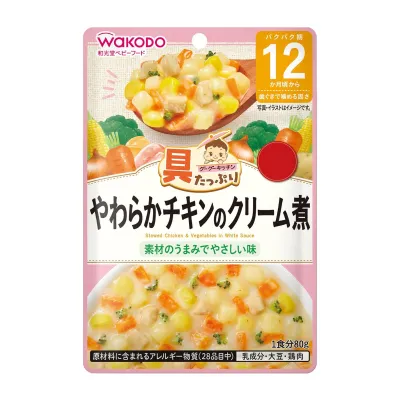
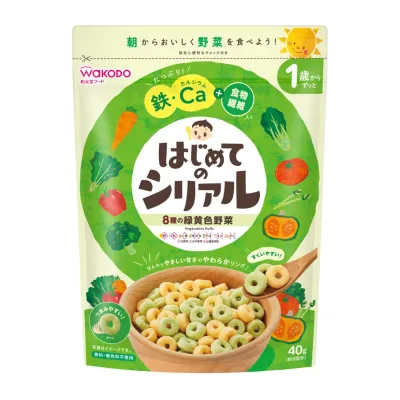
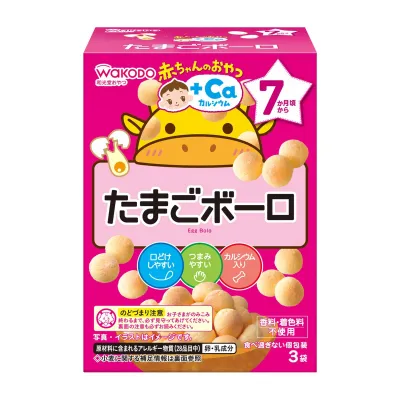
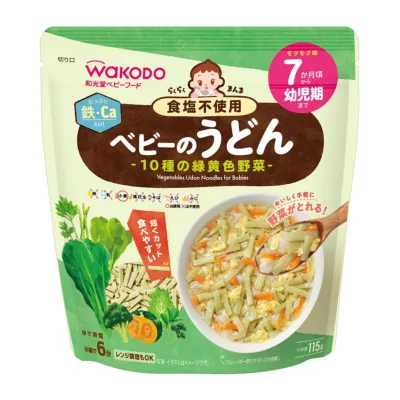
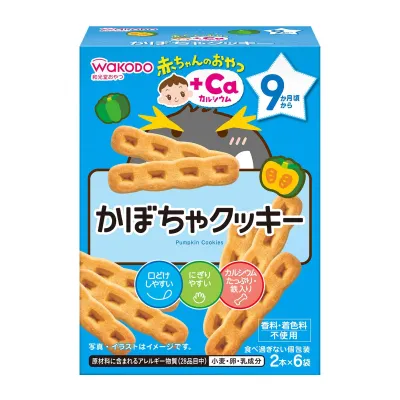
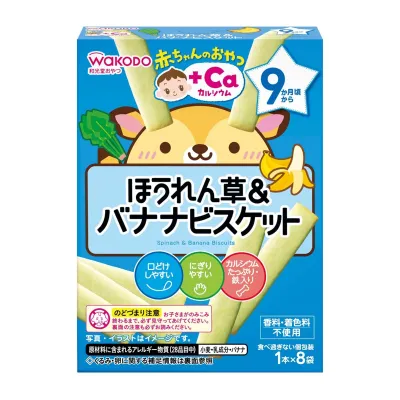
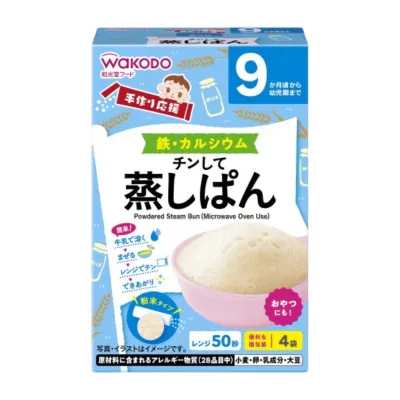
Prices are valid at publication and may change. Please refer to the product page for the latest price.
Instead of relying solely on the calendar, parents must observe specific physical milestones that signal readiness for different food textures. For the early stage, your baby should be able to sit upright with minimal support and hold their head steady. They must also show the disappearance of the tongue-thrust reflex, which automatically pushes solid objects out of the mouth, and demonstrate a keen interest in the food you are eating.
As babies transition to the middle and late stages, their oral motor skills undergo rapid changes. In the middle stage, you will notice your baby beginning to move their tongue back and forth to mash soft foods against the roof of their mouth. By the late stage, they will start making chewing motions with their jaw and gums, even before their primary teeth have fully emerged. The completion stage is marked by improved hand-eye coordination, where the child attempts to grasp utensils and shows a desire to feed themselves independently.
Observing how your baby reacts to different textures is crucial before advancing to the next product level. If you introduce a slightly thicker texture and your baby consistently spits it out, shows signs of distress, or gags repeatedly, it is a clear indicator that their oral muscles are not yet ready. In such cases, it is best to step back to the previous texture for a week or two. If feeding difficulties, persistent refusal, or distress continue, consult your pediatrician or a qualified healthcare professional in Singapore to rule out developmental or sensory challenges.
Early Weaning (Around 5–6 Months): Smooth Textures and First Tastes
The primary goal of the early weaning stage is not to replace breast milk or formula, but to introduce your baby to the sensation of swallowing liquids thicker than milk. At this stage, infants are learning to coordinate their tongue and throat to swallow smooth purees. It is also a critical window for experiencing new, subtle flavors beyond the sweet taste of milk, laying the foundation for a diverse palate.

Wakodo offers several excellent options designed specifically for this introductory phase. Their iron-fortified rice infant cereals are a popular choice, providing a gentle, easily digestible base that can be mixed with breast milk, formula, or warm water. Additionally, Wakodo’s single-vegetable purees, such as freeze-dried pumpkin, sweet potato, or spinach cubes, allow parents to introduce individual vegetable flavors with minimal preparation.
The texture of any food offered during this stage must be completely smooth, watery, and entirely free of lumps. The consistency should resemble thin, runny yoghurt or smooth cream, ensuring the baby can swallow it without needing to chew. Preparing these foods to the correct consistency is vital to prevent choking and to make the transition as gentle as possible.
Before purchasing any Wakodo product for this phase, always verify the age indicator on the packaging. Look for the “5 months+” label, which is typically highlighted in a specific color code on Japanese packaging. Do not assume suitability based on the product name alone; check the manufacturer’s documentation and packaging guidelines to confirm the product is formulated for early weaning.
When introducing these first foods, follow the “one-ingredient rule” closely. Offer a single new Wakodo vegetable or cereal for three to five consecutive days before introducing another new ingredient. This systematic approach allows you to monitor your baby closely for any signs of allergic reactions, such as skin rashes, hives, digestive discomfort, or swelling, making it much easier to identify the specific culprit if a reaction occurs.
Middle Weaning (Around 7–8 Months): Introducing Soft Lumps and Flavors
As your baby reaches approximately 7 to 8 months of age, their nutritional needs expand, and their oral skills progress. The main objective of the middle weaning stage is to encourage the baby to practice mashing soft lumps using their tongue and the roof of their mouth. This stage also marks the introduction of a wider variety of proteins and more complex flavor combinations to support their rapid growth.
For this stage, the Wakodo product line transitions to slightly textured options. Parents can choose from soft grain rice porridges and mixed vegetable dishes that incorporate gentle proteins like white fish (such as cod or flounder) or finely minced chicken. These convenient pouches or freeze-dried blocks are designed to introduce savory, multi-ingredient flavors without requiring hours of boiling and blending at home.
The texture required for middle weaning must be soft enough to be easily mashed with minimal pressure, similar to the consistency of silken tofu. There should be small, soft pieces of vegetables or grains present, but they must crumble effortlessly when pressed between your tongue and palate. This texture challenges the baby’s oral coordination without posing a choking hazard.
Always inspect the packaging carefully to verify the “7 months+” age indicator before buying. Because these products often combine multiple ingredients, you must read the ingredient lists and allergen declarations thoroughly. This is especially critical when introducing proteins like fish, chicken, or soy, which are common allergens.
Ensure you introduce each new protein source individually before offering a mixed Wakodo pouch that contains multiple potential allergens. If your baby has not yet tried white fish, do not start with a mixed fish-and-vegetable pouch. Instead, test a single-ingredient white fish preparation first to ensure it is tolerated safely before moving on to convenient pre-mixed meals.
Late Weaning (Around 9–11 Months): Chewable Textures and Balanced Meals
By 9 to 11 months, babies become significantly more active, often crawling or pulling themselves up to stand. Consequently, their energy requirements increase, and their physical development allows them to begin using their gums to chew food. The goals of the late weaning stage are to develop these gum-chewing skills, transition toward three structured meals a day, and encourage the early stages of self-feeding.
Wakodo supports this active phase with a diverse range of textured meals. Suitable product categories include soft, clumpier rice dishes, baby-friendly noodles such as pre-cut udon or somen, and savory stews featuring minced meat or tiny, soft meatballs. These meals are designed to provide a balanced combination of carbohydrates, proteins, and vegetables in a single, convenient serving.
The texture of foods during late weaning must be firm enough to require chewing actions but soft enough to be easily squashed between your thumb and forefinger, resembling the consistency of a ripe banana. The pieces of vegetables and meat are larger than in previous stages, providing the necessary sensory feedback to stimulate the baby’s jaw muscles and promote healthy dental development.
When shopping for this stage, verify that the packaging displays the “9 months+” age indicator. This phase is also an excellent time to introduce safe finger foods alongside spoon-fed meals. Offering soft, cooked vegetable sticks or baby biscuits allows your infant to practice their pincer grasp and build independence at the high chair.
As breast milk or formula intake naturally begins to decrease during this stage, monitoring your baby’s iron and calcium intake becomes increasingly important. Look for Wakodo options that are fortified with these essential minerals, or complement their meals with iron-rich natural ingredients. Keep a close eye on your baby during meals, ensuring a caregiver is always supervising to prevent choking as they experiment with larger textures.
Completion Stage (Around 12–18 Months): Transitioning to Family Meals
The completion stage, spanning from 12 to 18 months, serves as a bridge between specialized baby food and regular family meals. At this point, toddlers are adapting to the family’s mealtime rhythms, learning to use child-friendly utensils, and exploring a vast array of tastes and textures. The focus shifts toward establishing healthy eating habits and encouraging independent eating.
Wakodo’s toddler range, often labeled for the completion stage, includes convenient meals like toddler-friendly fried rice, mildly seasoned noodle dishes, low-sodium baby curry, and soft, bite-sized hamburger steaks. These products are formulated to mimic the appearance and taste of adult meals while remaining nutritionally appropriate and easy for a toddler to manage.
The texture of completion-stage foods is much closer to regular adult meals, but with key modifications. The food must be cut into small, bite-sized pieces and cooked until it is tender enough to be easily broken down by a toddler’s molars or gums. It should be soft enough to prevent choking while still offering a satisfying chew that encourages proper jaw development.
Always look for the “12 months+” or “18 months+” age indicators on the Wakodo packaging to ensure the texture and nutritional profile match your toddler’s capabilities. While these toddler meals are mildly seasoned, it is vital to avoid exposing young children to heavy adult seasonings, high sodium, or artificial additives. Keep meals simple, natural, and low in salt to protect their developing kidneys.
Even as your toddler transitions to more complex foods, certain safety boundaries remain non-negotiable. Never introduce high-risk choking hazards, such as whole nuts, whole grapes, hard candies, or large chunks of tough meat. Additionally, remember that honey must never be given to infants under one year of age due to the risk of infant botulism; while toddlers over 12 months can technically consume it, it is best to introduce it cautiously and consult your pediatrician if you have any concerns.
Essential Safety and Preparation Rules for Wakodo Products
Using commercial baby food offers incredible convenience for busy parents in Singapore, but maintaining strict hygiene and preparation standards is essential to safeguard your baby’s health. When preparing Wakodo’s powdered or freeze-dried products, you must strictly follow the water-to-powder ratios specified on the packaging. Always use water that has been boiled thoroughly and then cooled to the manufacturer’s recommended temperature to ensure all ingredients dissolve properly without compromising nutritional value.
If you choose to warm Wakodo pouches or prepared meals in the microwave, extreme caution is required. Microwave heating can create uneven “hot spots” within the food that can easily burn your baby’s sensitive mouth. Always transfer the food to a microwave-safe bowl, heat it, and stir it thoroughly to distribute the heat evenly. Before offering any food to your baby, test the temperature by placing a small drop on the inside of your wrist.
Proper storage is another critical factor, particularly in Singapore’s warm and humid tropical climate. Once a baby food pouch or container is opened, bacteria from the air and from your baby’s saliva can multiply rapidly. Always discard any uneaten food left in the baby’s feeding bowl after a meal. For unused portions remaining in the original pouch, seal it tightly and follow the manufacturer’s precise instructions regarding refrigeration or freezing limits, typically requiring consumption within 24 hours of opening.
Before feeding your baby, carefully read the allergen warning labels on every single package. Formulations and manufacturing facilities can change over time, meaning a product you purchased previously might now carry different allergen warnings. Do not rely on memory; make checking the label a habit with every new purchase.
Lastly, monitor your baby’s physical response to any new food closely. If your baby experiences persistent vomiting, diarrhea, skin rashes, breathing difficulties, or extreme lethargy after consuming a Wakodo product, stop using it immediately. Seek prompt medical advice from a qualified healthcare professional or visit a clinic in Singapore to ensure your baby receives appropriate care.
Frequently Asked Questions (FAQ)
Can I mix different Wakodo products together for one meal?
Yes, mixing compatible Wakodo products is generally safe and can be an excellent way to enhance both the flavor and nutritional profile of your baby’s meal. For example, you can stir a single-vegetable puree cube into a plain iron-fortified rice cereal to introduce new tastes gradually. However, you must always verify that the age recommendations and allergen profiles of both products align with your baby’s current developmental stage. Most importantly, only combine ingredients that your baby has already tried and tolerated individually. Introducing a brand-new mixture makes it impossible to identify which ingredient caused a reaction if your baby experiences an adverse response.
How do I know if my baby is allergic to a specific Wakodo ingredient?
Identifying a food allergy requires close, careful observation during and after meals. Common signs of an allergic reaction in infants include hives, red skin rashes, swelling of the face, lips, or eyes, vomiting, diarrhea, or sudden respiratory distress like wheezing. To track reactions effectively, keep a detailed food diary noting the exact Wakodo products, ingredients, and times of introduction. If you observe mild symptoms, stop feeding the product immediately and consult your pediatrician. If your baby exhibits severe symptoms, such as difficulty breathing or widespread swelling, seek emergency medical attention in Singapore immediately.
Are Wakodo baby foods suitable for babies with specific dietary restrictions?
While Wakodo offers a comprehensive and diverse range of baby foods, many of their pre-packaged meals contain common allergens such as wheat, dairy, soy, fish, or poultry. Consequently, they may not be suitable for babies with strict vegetarian, vegan, or severe allergy-specific diets. Parents must meticulously read the ingredient list and allergen declarations on every package before purchase, as recipes can vary by region and product line. If your baby has multiple food allergies or severe dietary restrictions, consult a pediatric dietitian in Singapore to design a safe, balanced weaning plan that meets all of their nutritional needs.
Community discussion
Share your experience or ask a question. Comments are reviewed before publication.