
Parents in Singapore often face the challenge of keeping their baby’s skin clean and dry in a hot, humid climate. This environment makes infants highly susceptible to diaper rash, heat rash, and localized skin irritation. When considering Wabi Sabi wet tissues for your daily diapering routine, understanding their specific ingredient composition is essential to ensure they are safe for your baby’s delicate skin barrier.
Because product formulations can change over time or vary by manufacturing batch, the most reliable approach is to learn how to evaluate the ingredient label yourself. This guide provides a practical framework to help you locate the ingredient list, identify potential irritants, assess suitability for sensitive skin, and perform a safe home patch test.
How to Verify the Exact Ingredients in Wabi Sabi Wet Tissues
To make an informed decision, always start by locating the physical ingredient list on the back or side of the Wabi Sabi wet tissue packaging. If you are purchasing online, check the product description on official brand websites or authorized distributor pages rather than relying on generic marketing summaries.
Products mentioned in this guide


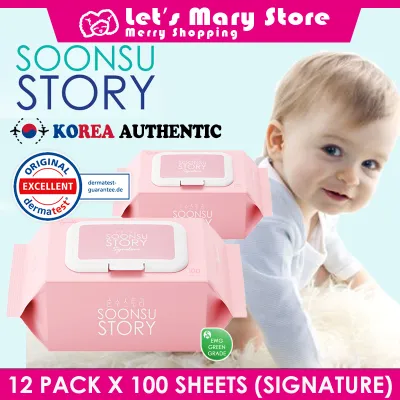
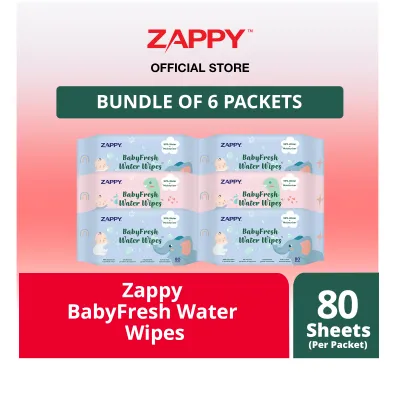
Prices are valid at publication and may change. Please refer to the product page for the latest price.
When reading the label, keep in mind that ingredients are listed according to the International Nomenclature of Cosmetic Ingredients (INCI) standard. This system requires manufacturers to list ingredients in descending order of concentration. The first few ingredients make up the vast majority of the wet tissue’s liquid formula, while ingredients listed near the end are present in very small amounts, such as specialized extracts or preservatives.
Product authenticity is crucial for ingredient safety. Counterfeit or parallel-imported baby products may not adhere to the same quality control standards or may contain unlisted ingredients. To ensure you are getting genuine Wabi Sabi wet tissues with an accurate label, purchase them from authorized physical retailers, official brand stores, or reputable online marketplaces.
Key Ingredients to Evaluate for Baby Skin Safety
Evaluating a baby wipe formula involves categorizing ingredients into safe bases and potential irritants. A high-quality baby wipe typically uses highly purified water as its primary ingredient, often comprising over 95% of the liquid solution. Purified water minimizes the risk of introducing microbial contaminants to your baby’s delicate skin barrier.

In addition to water, gentle formulas often include mild, non-irritating plant-derived extracts or skin-conditioning agents. Ingredients like aloe vera, chamomile, or glycerin help soothe the skin and maintain moisture. However, even natural extracts can occasionally cause reactions in highly sensitive individuals, so they should still be verified on the label.
Conversely, there are several common irritants and allergens that parents should actively avoid when scanning the Wabi Sabi ingredient list. Denatured alcohol, often added to make wipes dry faster, can strip the skin of its natural oils and cause severe dryness. Artificial fragrances or perfumes are among the leading causes of contact allergy in infants and should be avoided, especially for diaper area cleaning.
Preservatives are necessary, but certain types are known to be harsh. Avoid wipes containing methylisothiazolinone (MIT) or paraben-based preservatives, which have been linked to skin sensitization and allergic contact dermatitis. By cross-referencing the actual Wabi Sabi label against these safe and avoid categories, you can objectively assess whether the formula meets your standards for baby skin safety.
Assessing Suitability for Sensitive Skin and Eczema
Marketing terms like “hypoallergenic,” “natural,” or “organic” are frequently used on baby wipe packaging, but these terms are not always strictly regulated. A wipe labeled “natural” may still contain botanical extracts that trigger eczema flare-ups, while “hypoallergenic” simply means the product is less likely to cause allergic reactions, not that it is guaranteed to be reaction-free. Always prioritize the actual ingredient list over front-of-pack marketing claims.
For babies with sensitive skin or eczema, maintaining the skin’s natural acid mantle is vital. Healthy baby skin has a slightly acidic pH, typically between 4.5 and 5.5, which helps protect against harmful bacteria. Look for wipes that explicitly claim to be pH-balanced; using highly alkaline wipes can disrupt this protective barrier, leading to dryness and increased susceptibility to infections.
When introducing any new wipe, closely monitor your baby’s skin for early signs of contact dermatitis. This condition often presents as localized redness, dry or flaky patches, or mild swelling in the areas where the wipe was used. If your baby becomes unusually fussy during diaper changes or scratches at the diaper area, it may indicate that the wipe’s formula is causing discomfort or micro-irritation.
How to Perform a Safe Patch Test on Your Baby
Before integrating Wabi Sabi wet tissues into your daily diapering routine, performing a simple, low-risk patch test is highly recommended. This precaution helps you identify any potential sensitivity or allergic reaction before applying the product to larger, more sensitive areas of your baby’s body.
To conduct the test, take a single fresh wipe and gently press it against a small, discreet area of your baby’s skin. Ideal locations include the inner forearm or just behind the ear, where the skin is thin but easily monitored. Gently dab the area to transfer some of the wipe’s liquid formula, then let it dry naturally without rubbing.
Observe the test area closely over a 24 to 48-hour period. Keep the area clean and dry, avoiding the application of other lotions, creams, or soaps that could confuse the results. Delayed allergic reactions can take up to two days to manifest, so patience is key during this observation window.
Establish clear stop-use conditions before you begin. If you notice any redness, swelling, tiny bumps, or if your baby shows signs of itching or discomfort, discontinue use immediately. Gently rinse the affected area with cool, plain water to remove any remaining residue, and do not use the wipes again.
When to Seek Professional Medical Advice
While mild skin irritation can often be managed by switching products, certain symptoms require professional medical evaluation. If your baby develops a widespread rash, severe swelling, oozing blisters, or if the skin appears broken and infected, seek immediate advice from a pediatrician or pediatric dermatologist.
If your baby has a pre-existing skin condition, such as moderate-to-severe eczema or psoriasis, consult your healthcare provider before introducing any new brand of wet wipes. A professional can help you identify specific chemical triggers to avoid based on your baby’s medical history.
It is also important to recognize that persistent diaper rash is not always caused by wet wipes. Factors such as dietary changes, friction from tight diapers, or localized fungal (yeast) infections can cause stubborn rashes that will not resolve simply by changing wipe brands. A pediatrician can provide an accurate diagnosis and prescribe targeted treatments, such as antifungal creams or specialized barrier ointments.
Frequently Asked Questions (FAQ)
Can I use Wabi Sabi wet tissues on a newborn's face and hands?
While wipes formulated for the diaper area are generally safe for hands, cleaning a newborn’s face and eye areas requires extra caution. The skin around the eyes and mouth is exceptionally thin and sensitive, making it more prone to irritation from preservatives or cleansing agents. Always check the Wabi Sabi packaging for specific facial suitability; if not explicitly stated, it is safest to use plain water and soft, reusable cotton cloths for newborn facial hygiene.
Do water-based baby wipes need preservatives?
Yes, any wet wipe that contains water requires an effective preservative system to remain safe for use. Water is a breeding ground for bacteria, mold, and yeast, especially when stored in warm, humid environments. Without preservatives, a sealed pack of wipes could quickly become contaminated, posing a serious infection risk to your baby’s skin. The goal is not to find preservative-free wipes, but rather to choose products that use mild, food-grade, or highly tolerated baby-safe preservative systems.
What should I do if my baby develops a rash after using these wipes?
If you suspect the wipes have caused a rash, stop using them immediately. Cleanse the affected area gently using lukewarm water and a soft cloth, avoiding any rubbing or scrubbing. Allow the skin to air-dry completely before applying a thick layer of a plain, fragrance-free zinc oxide barrier cream to protect the skin from moisture. If the rash does not improve within a few days, or if it worsens, schedule an appointment with your pediatrician for a proper assessment.

Community discussion
Share your experience or ask a question. Comments are reviewed before publication.