
Selecting a safe sleeping environment for your baby is one of the most critical decisions you will make as a parent. In Singapore, where a wide variety of imported nursery furniture is available, navigating safety claims can be challenging. While many products are marketed as secure, ensuring a crib or cot is truly safe requires looking beyond aesthetic appeal and promotional slogans. Parents must learn how to identify recognized international safety standards, perform hands-on physical inspections, and verify compliance claims directly with manufacturers or retailers.
Because Singapore imports nursery furniture from various global markets, you will encounter different safety certifications. Understanding what these standards mean and how to verify them is the first step toward securing a safe sleep space. By combining standard verification with practical, physical checks, you can confidently choose a crib that protects your child throughout their infancy.
Understanding Crib Safety Labels and Compliance Claims
When shopping for a baby crib or cot, you should look for permanent labels, stamps, or printed markings on the physical product. Legitimate safety compliance is rarely indicated by a simple sticker that can be easily peeled off. Instead, reputable manufacturers stamp the safety standard reference directly onto the wooden frame, often on the underside of the mattress base or the inner headboard. These markings should clearly state the specific international standard the product has been tested against.
Products mentioned in this guide
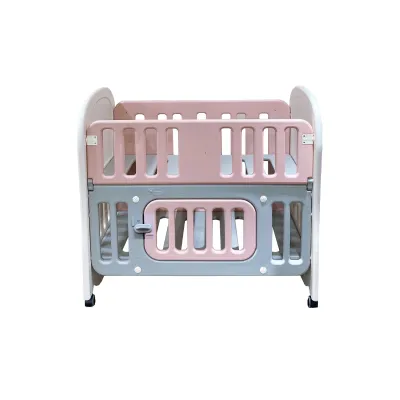
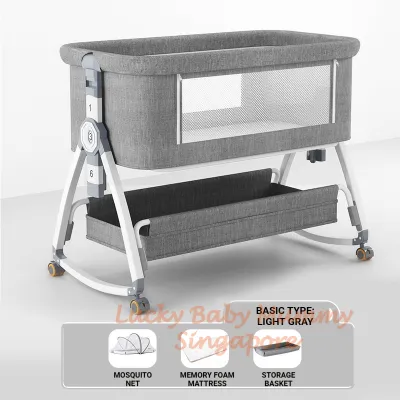
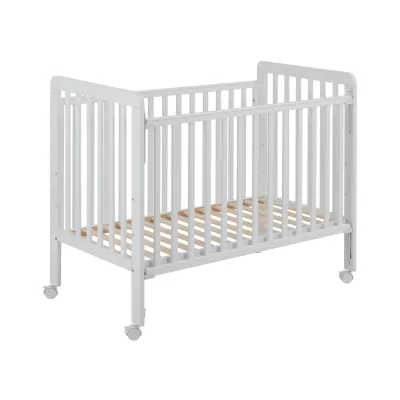
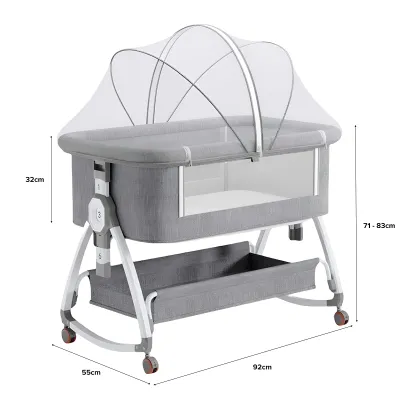
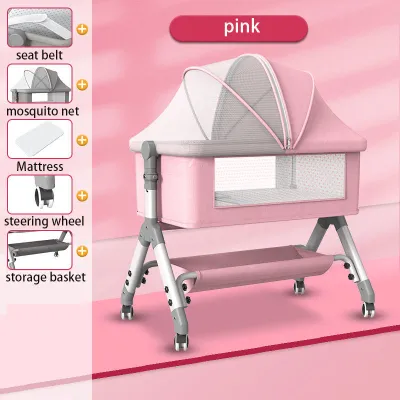
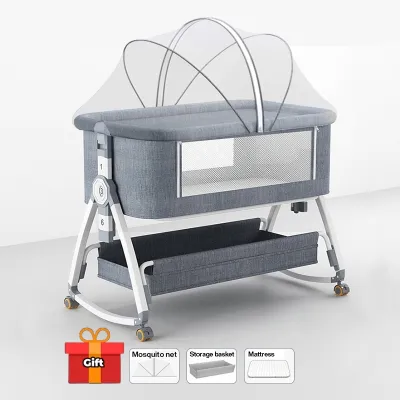
![[SG Stock]Brotish Multifunctional 2 Layer Portable Infant Baby Cot Playpen Travel Cot Bed Double-deck Playpen Sleep Bed](https://img.lazcdn.com/g/p/9306630fe674b3e82e74c940f19a16cd.jpg_400x400q80.jpg_.webp)

Prices are valid at publication and may change. Please refer to the product page for the latest price.
In Singapore, consumer goods safety is monitored by local regulatory bodies that recognize major international standards. The most common standards you will encounter include the European standard (EN 716-1/2), the American standard (ASTM F1169), and the Australian/New Zealand standard (AS/NZS 2172). Each of these standards outlines rigorous testing protocols for structural integrity, material strength, and design safety. When examining a crib, verify that the label references one of these specific codes rather than a vague assertion of safety.
To cross-reference these claims, you can ask the retailer or distributor for a copy of the product’s test report or Declaration of Conformity. This document should be issued by an accredited third-party testing laboratory, such as SGS, TÜV SÜD, or Intertek. A genuine report will match the exact model number of the crib you are purchasing. If a retailer cannot provide this documentation, or if the model numbers do not match, the safety claim may be unverified.
Be cautious of outdated or incomplete certifications. For example, a manufacturer might claim a crib is “certified safe” based on a test report that only covers the chemical composition of the paint finish (such as EN 71-3) rather than the structural safety of the frame itself (EN 716). Ensure that the certifications cover both the chemical safety of the materials and the physical, structural design of the entire crib assembly.
Essential Physical Safety Checks for Cribs and Cots
Regardless of the safety labels present on a crib, performing a hands-on physical inspection is essential before placing your baby in it. The first physical check is the spacing of the side slats. The gap between each slat must be narrow enough to prevent your baby’s head, limbs, or body from slipping through or becoming trapped. Standard safety guidelines dictate that the distance between slats should not exceed 60 mm. A practical way to check this at home is to see if a standard soft drink can pass through the slats; if it does, the gaps are too wide.

Next, evaluate the mattress fit and firmness. The mattress must fit snugly within the crib frame with virtually no gaps. If you can insert more than two fingers between the edge of the mattress and the side of the crib, the mattress is too small, creating a dangerous entrapment hazard. Additionally, the mattress must be exceptionally firm. A soft mattress can conform to a baby’s face and pose a suffocation risk. When you press down on the mattress, it should snap back immediately without leaving an indentation.
Inspect the entire frame for potential physical hazards. Run your hands along the wooden surfaces to check for splinters, sharp edges, or rough finishes. Ensure there are no protruding screws, bolts, or decorative corner posts that could catch on your baby’s clothing, particularly around the neck area. If the crib features plastic teething rails along the top edges, verify that they are securely attached, free of cracks, and made from non-toxic, food-grade materials.
If you are considering a crib with a drop-side mechanism, exercise extreme caution. While drop-side cribs have been restricted or banned in several international markets due to safety risks, some models are still available or sold second-hand. If you choose to use one, you must physically verify that the drop-side locking mechanisms are robust, fully functional, and cannot be accidentally released by a child from the inside or through simple vibrations. The moving parts must operate smoothly without sticking or creating gaps where a baby could become wedged.
Verifying Safety Claims When Shopping Online and In-Store
When shopping in physical retail stores in Singapore, use the opportunity to ask detailed questions of the sales staff. Inquire about the origin of the crib, the authorized distribution channels, and whether the brand has a local representative to handle safety alerts or recalls. Ask to see the physical user manual before purchasing. A comprehensive, clear manual written in English with detailed safety warnings is a strong indicator of a reputable manufacturer.
Online shopping on e-commerce platforms and online marketplaces requires a higher level of scrutiny. Because these platforms host numerous third-party sellers, many cribs may bypass traditional retail safety checks. Scrutinize product listings for specific details rather than generic marketing language. If a listing uses phrases like “premium quality” or “maximum safety” but fails to list a recognized safety standard code, treat it with skepticism.
Red flags on online listings include missing manufacturer names, a lack of clear dimensions, and photos that show unsafe sleeping setups, such as cribs filled with soft pillows, heavy blankets, or bumper pads. If the seller’s business profile lacks contact information or a physical address, verifying safety claims or obtaining replacement parts will be extremely difficult. Always prioritize buying from official brand stores or authorized distributors who can guarantee the authenticity and safety compliance of the product.
Safe Assembly, Usage Boundaries, and When to Stop
Proper assembly is just as critical as choosing a certified crib. Always follow the manufacturer’s printed step-by-step instructions exactly. Never attempt to improvise, skip steps, or use alternative hardware from a local DIY store if a screw or bracket is missing. Substituting parts can compromise the structural integrity of the crib, leading to joint failure or collapse. If you lose a part, contact the authorized distributor or manufacturer directly to obtain the exact replacement hardware.
As your baby grows, you must adjust the crib to match their developmental milestones. Most cribs feature adjustable mattress base heights. When your baby is a newborn and cannot yet sit up, the highest mattress position is acceptable. However, the moment your baby shows signs of rolling over, sitting up, or pulling themselves up using the crib sides, you must lower the mattress base to its lowest position. This prevents the child from accidentally tumbling over the top rail.
Caregivers must also monitor the physical limits of the crib. Check the manufacturer’s documentation for the maximum weight and height limits. As a general rule, once your child reaches a height of 89 cm, or when the height of the side rail is less than three-quarters of their height, they have outgrown the crib and should transition to a toddler bed.
Regularly inspect the crib during weekly cleaning. If you notice any structural wobbling, loose joints, cracked wood, or broken slats, stop using the crib immediately. Do not attempt makeshift repairs with tape, glue, or non-standard brackets. If the structural integrity is compromised, consult the manufacturer or a qualified professional to see if a safe repair is possible, or retire the crib entirely to ensure your child’s safety.
Frequently Asked Questions (FAQ)
Are second-hand or inherited cribs safe to use?
Using a second-hand or inherited crib carries significant safety risks and is generally not recommended unless you can verify its entire history. Older cribs may not meet modern safety standards, may have suffered structural degradation, or may have been subject to manufacturer recalls that you are unaware of. If you do use a second-hand crib, you must ensure it has all its original hardware, is free of cracks or splinters, has a slat spacing of under 60 mm, and includes the original assembly manual. Never use a second-hand crib if it has been modified, has missing parts, or shows signs of structural instability.
Do all crib mattresses need specific safety certifications?
Yes, the mattress is an integral part of the sleep environment and must meet its own safety standards, such as EN 16890 or AS/NZS 8811.1 for firmness. A certified crib frame cannot protect your baby if the mattress is unsafe. You must verify that the mattress matches the exact dimensions specified by the crib manufacturer to prevent dangerous gaps where a baby could become trapped. Always check the mattress label for firmness certifications and material disclosures, ensuring it is free from harmful chemical flame retardants and fits tightly against all four sides of the crib frame.
Community discussion
Share your experience or ask a question. Comments are reviewed before publication.