
Breastfeeding is a deeply personal journey, but when it is accompanied by persistent nipple pain, the experience can quickly become overwhelming. Many mothers in Singapore turn to nipple shields as a quick way to find relief from soreness, cracking, or bleeding. While these thin silicone barriers can offer immediate physical protection, they are designed to be temporary aids rather than permanent solutions. Understanding when nipple shields are appropriate—and when they might be masking a deeper issue—is essential for protecting your physical comfort, maintaining your milk supply, and ensuring your baby’s nutritional needs are met.
Identifying the Root Causes of Nipple Pain and Cracking
Breastfeeding is a learned skill for both mother and baby. While mild tenderness is common during the first few days as you both adjust, severe or persistent pain is not something you should have to tolerate. Nipple trauma often manifests in several visible and painful ways, including deep cracks, bleeding, bruising, blistering, or a raw, grazing sensation during and after feeds. When these symptoms occur, they serve as an important message from your body that the mechanics of the feed require adjustment.
One of the most frequent culprits behind nipple damage is a shallow latch. When a baby only grasps the tip of the nipple rather than taking a generous mouthful of the breast tissue, the nipple is compressed against the baby’s hard palate during sucking, leading to rapid friction and skin breakdown. This friction is often exacerbated by incorrect positioning, where the baby’s body is not aligned properly with the mother’s, forcing the baby to pull or twist the breast tissue to maintain contact.
Products mentioned in this guide
![[2 Sizes] Lansinoh BPA-Free Silicone Contact Nipple Shield With Case - 20mm & 24mm | nipple shield / breast shield](https://img.lazcdn.com/g/p/04c453d8c0270b1410e383cb56b7181e.jpg_400x400q80.jpg_.webp)
Prices are valid at publication and may change. Please refer to the product page for the latest price.
In some cases, the underlying issue stems from variations in your baby’s oral anatomy. A tight sublingual frenulum, commonly known as a tongue-tie, can restrict the tongue’s range of motion, preventing the baby from drawing the breast deeply into their mouth and cushioning the nipple. If you suspect an anatomical variation, it is crucial to have your baby evaluated by a qualified healthcare professional or a pediatric specialist before attempting to self-manage the issue long-term.
Another common and often overlooked cause of nipple soreness is improper breast pump flange sizing. If you are expressing milk, a flange tunnel that is too narrow will rub against the sides of your nipple, while a tunnel that is too wide can pull excessive areolar tissue into the pump, causing swelling and micro-tears. Checking your measurements against the manufacturer’s sizing guides is a vital first step in preventing pump-induced trauma.
Finally, persistent pain can sometimes be linked to localized medical infections rather than mechanical friction. Conditions such as mammary thrush (a fungal yeast infection) or bacterial infections can cause burning, shooting pains, or deep cracks that refuse to heal. Because these infections require specific medical treatments, such as antifungal or antibiotic therapies, they cannot be resolved by physical barriers alone and require a formal diagnosis from a doctor.
How Nipple Shields Work as a Temporary Relief Tool
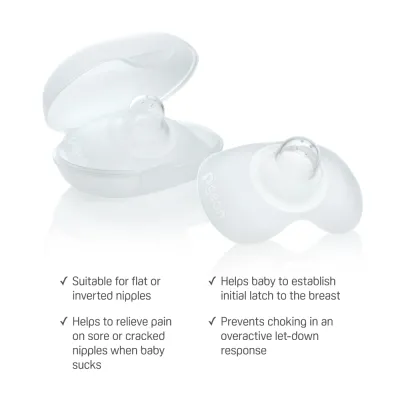
A nipple shield is a thin, flexible sheath made of medical-grade silicone that fits over the nipple and areola during breastfeeding. It features small holes at the tip to allow breast milk to flow through to the baby. By acting as a physical barrier, the shield absorbs the immediate friction of the baby’s tongue and palate, preventing further wear on compromised skin and giving existing cracks or blisters a chance to heal.

There are specific, well-defined scenarios where a nipple shield can serve as a highly effective short-term intervention. For mothers dealing with severely damaged, bleeding, or excruciatingly painful nipples, the shield can make the difference between continuing to breastfeed and stopping prematurely. It provides a physical buffer that allows you to maintain the feeding relationship comfortably while you seek professional help to address the underlying cause of the trauma.
Additionally, nipple shields can assist babies who are having difficulty latching onto flat or inverted nipples. The firm, pre-shaped silicone tip provides a stronger sensory stimulus against the roof of the baby’s mouth, which can trigger their natural sucking reflex more effectively than soft, flat breast tissue. It can also act as a useful bridge for premature infants who lack the oral strength to hold a soft breast in place, or for babies transitioning from bottle-feeding to direct breastfeeding.
However, it is vital to view the nipple shield as a temporary bridge rather than a permanent fixture in your breastfeeding routine. While it is an invaluable tool for protecting your skin and maintaining the close physical bond with your infant, it does not correct the underlying mechanical or anatomical issues that caused the pain in the first place. Relying on a shield without investigating why the pain occurred can lead to long-term feeding challenges and potential complications with milk transfer.
Safe Application and Care for Nipple Shields
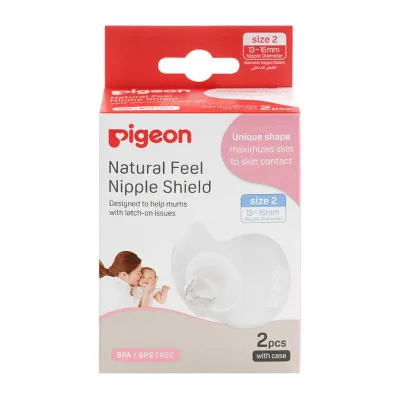
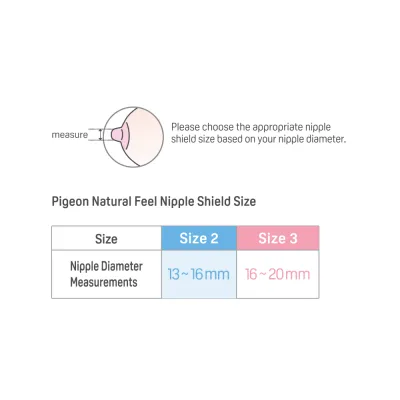
To ensure that a nipple shield provides relief without causing further damage, proper sizing and application are critical. Nipple shields are not one-size-fits-all products; they are sized according to the diameter of your nipple, not your breast or areola size. Using a shield that is too small can squeeze and pinch your nipple, cutting off circulation and causing blanching, while a shield that is too large can allow the nipple to rub against the sides or pull too much areola inside, leading to bruising and reduced milk flow. You should always measure your nipple base and consult the specific manufacturer’s sizing chart before purchasing.
Applying the shield correctly requires a specific technique to ensure a secure, snug fit that does not trap air. Before application, check the manufacturer’s instructions on the packaging for any specific guidelines. Generally, you should flip the brim of the shield back slightly, stretching it gently as you center the crown over your nipple. When you release the brim, the shield should draw a small amount of your nipple tissue into the tip, creating a secure seal that lies flush against your skin. Moistening the rim with a few drops of water or expressed breast milk can help create a better vacuum seal.
Given Singapore’s warm and humid climate, maintaining hygiene and preventing moisture-related bacterial growth on your feeding equipment is highly important. After every single feed, the nipple shield must be washed thoroughly:
- Rinse immediately: Rinse the shield in cold water to remove residual breast milk.
- Wash thoroughly: Wash it in warm, soapy water using a mild dishwashing liquid or baby-safe bottle cleanser.
- Rinse again: Rinse the shield under clean running water to remove all soap residue.
- Air-dry completely: Place the shield on a clean, dry surface or a dedicated drying rack, allowing it to air-dry completely. Avoid storing a damp shield in a closed plastic case, as this creates an ideal environment for mold and bacteria to thrive.
- Sterilize regularly: Refer to the manufacturer’s instructions regarding sterilization, as many brands recommend boiling the shield or using a steam sterilizer once a day.
While using the shield, you must actively observe your baby during the feed to ensure they are actually transferring milk rather than just using the silicone tip as a pacifier. Look for visible signs of active swallowing, which typically sound like soft “k” sounds, and observe whether the baby’s cheeks remain rounded rather than dimpling during sucks. If the baby is falling asleep quickly or sucking constantly without swallowing, they may not be receiving enough milk through the shield.
Limitations and Alternative Ways to Soothe Sore Nipples
While nipple shields offer immediate physical comfort, they come with notable limitations and potential risks if used over an extended period. Because silicone acts as a barrier, it can reduce the direct stimulation of your baby’s lips against your skin. This direct skin-to-skin contact is what signals your brain to release prolactin and oxytocin, the hormones responsible for milk production and the let-down reflex. Consequently, prolonged use of a shield can sometimes lead to a gradual decrease in your milk supply if your breasts are not being fully drained during feeds.
Another limitation is that some babies can develop a strong preference for the firm, consistent texture of the silicone shield. This can make transitioning back to direct breast contact challenging, as the baby may become frustrated by the softer, more variable shape of the natural breast. Furthermore, using a shield without professional guidance can mask a severe latch issue, allowing a poor feeding technique to persist unchallenged, which only delays the necessary corrections for comfortable, direct breastfeeding.
If you are experiencing mild to moderate soreness, there are several alternative, evidence-backed strategies you can use to soothe your skin without resorting to a shield:
- Adjust your positioning: Try alternative breastfeeding positions, such as the laid-back position (biological nurturing) or the football hold. These positions can change the angle of the latch, taking pressure off the sorest areas of your nipple and allowing for a deeper, more comfortable mouth-fill.
- Apply expressed breast milk: Breast milk has natural antibacterial and healing properties. Expressing a few drops after a feed and gently patting it onto your nipples can promote healing.
- Use purified lanolin: Applying a thin layer of medical-grade, purified lanolin cream can help maintain skin moisture and prevent cracking. Always check the product label to ensure it is safe for your baby to ingest so you do not have to wash it off before the next feed.
- Cooling hydrogel pads: These pads can be placed over the nipples between feeds to provide instant cooling relief and support moist wound healing. Ensure you check the manufacturer's instructions regarding how long they can be worn and whether the breast needs to be wiped before feeding.
If your nipples are too damaged for direct feeding even with a shield, you may need to give them a temporary rest. Hand expression or using a high-quality, correctly sized breast pump on a low, comfortable suction setting can help you maintain your milk supply while your skin heals. This expressed milk can then be fed to your baby via an alternative feeding method, such as a cup, spoon, or bottle, until you are ready to resume direct breastfeeding.
Clear Signals to Stop and Consult a Lactation Professional
While self-managing temporary nipple soreness is common, there are clear boundaries where home remedies and nipple shields are no longer safe or sufficient. If you experience persistent pain that does not improve within a few days of using the shield, or if your cracks are worsening, bleeding heavily, or showing signs of infection, you must stop self-managing immediately. Signs of localized infection include pus, redness that spreads across the breast, swelling, warmth to the touch, or a fever. Sharp, burning, or shooting pains deep inside the breast during or after feeds can also indicate conditions like thrush or mastitis, which require prompt medical evaluation and treatment.
You must also monitor your baby closely for signs that they are not receiving adequate nutrition through the shield. In Singapore, pediatricians and lactation consultants look for specific indicators of healthy growth, such as consistent weight gain and a sufficient number of wet and dirty diapers. If your baby is producing fewer wet diapers than expected for their age (typically at least six wet diapers a day after the first week), has dark or concentrated urine, or seems constantly unsatisfied and lethargic, they may not be transferring enough milk. Additionally, if the baby constantly slips off the shield, struggles to stay latched, or shows signs of dehydration, you should seek immediate professional help.
Consulting an International Board Certified Lactation Consultant (IBCLC) or a qualified healthcare provider in Singapore is the safest and most effective way to address persistent breastfeeding challenges. An IBCLC can perform a comprehensive latch assessment, check your baby’s oral anatomy for issues like tongue-tie, and verify that your nipple shield is the correct size and being applied properly. They can also help you address any underlying supply concerns that may have arisen during shield use.
Crucially, a professional can work with you to design a personalized weaning plan to help you and your baby transition safely off the shield and back to direct breastfeeding. Attempting to wean off a shield abruptly can sometimes cause frustration for the baby or lead to renewed nipple trauma for the mother. With professional guidance, you can ensure that your baby continues to receive optimal nutrition while you regain the comfort and confidence of direct, pain-free breastfeeding.
Frequently Asked Questions (FAQ)
Can I use a nipple shield for every feed?
While a nipple shield can be used for multiple feeds in the short term to allow your skin to heal, it should not be viewed as a permanent solution. The ultimate goal of using a shield is to serve as a temporary bridge while you work on resolving the underlying latch or positioning issues. To prevent your baby from developing a strong preference for the silicone texture, it is best to work with a lactation consultant to create a gradual weaning plan. For example, you might start a feed with the shield to help the baby latch, and then gently slip it off once your milk let-down has occurred and the baby is feeding actively.
Will using a nipple shield decrease my milk supply?
A nipple shield itself does not directly stop your body from producing milk, but it can indirectly affect your supply if it is not fitted or used correctly. Because the silicone barrier can reduce the direct stimulation of your breast and make milk transfer less efficient, your breasts may not be fully emptied during feeds. Over time, incomplete drainage signals your body to slow down milk production. To protect your supply, monitor your baby’s weight gain and diaper output closely, and consider using a breast pump to express milk for a few minutes after feeds if your breasts do not feel soft and adequately emptied.
How do I know if the nipple shield is the right size?
The correct size of a nipple shield is determined by the diameter of your nipple base, not the size of your breast or areola. To find the right fit, you should use the specific measuring tools or sizing guides provided on the manufacturer’s packaging. A shield that is too small will cause your nipple to rub tightly against the tunnel, leading to friction, pain, and blanching (where the nipple tip turns white). A shield that is too large will allow too much of your areolar tissue to be drawn into the tip, which can block the milk ducts, reduce milk flow, and cause bruising.
Community discussion
Share your experience or ask a question. Comments are reviewed before publication.