
Ensuring your child’s safety during daily commutes or weekend outings in Singapore is a top priority for every parent. With the rise of ride-hailing services, compact city cars, and busy expressways like the Pan Island Expressway (PIE) or East Coast Parkway (ECP), choosing a reliable car seat is essential. If you are considering the Urban Kangaroo car seat, verifying its safety standards and certifications against Singapore’s legal framework is the first and most critical step. In Singapore, all child restraints must meet specific internationally recognized safety standards to be legally used on the roads. Determining whether a particular model is safe involves inspecting physical labels, understanding regulatory requirements, and verifying the structural integrity of the seat itself.
While marketing materials and product descriptions often highlight convenience and portability, parents must look beyond these claims to confirm actual compliance. A car seat is a vital piece of safety equipment designed to protect your child from severe impact forces. Therefore, understanding how to verify certifications independently ensures that you are making an informed decision based on objective safety data rather than promotional promises.
Understanding Recognized Car Seat Safety Standards in Singapore
Under the Singapore Road Traffic Act, anyone under 1.35 metres in height must be secured with an approved child restraint appropriate for their height and weight when traveling in a motor vehicle. While public taxis are currently exempt from this law, private hire vehicles (PHVs) are not, making a portable or easily installable car seat highly practical for many families. To be legally used on Singapore roads, a car seat must comply with standards recognized by the Land Transport Authority (LTA) and the Traffic Police.
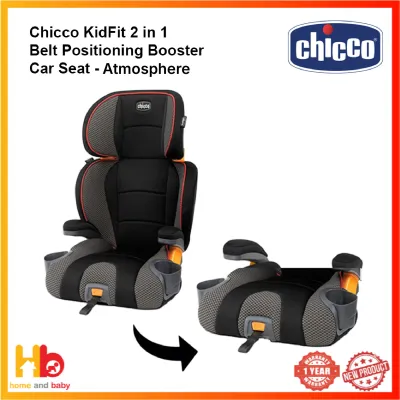
Products mentioned in this guide
![[Jarrons & Co] EvenFlo Sutton Car Seat (1 Year Warranty)](https://img.lazcdn.com/g/p/3dafa69fe4d821132935aa8ff9dda921.png_400x400q80.png_.webp)
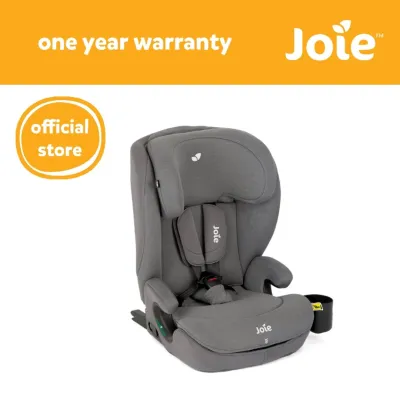
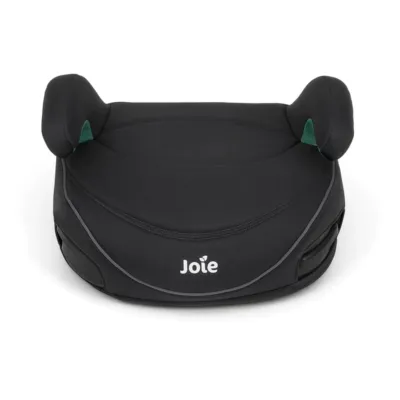
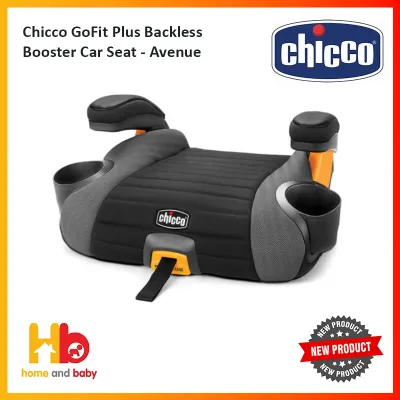
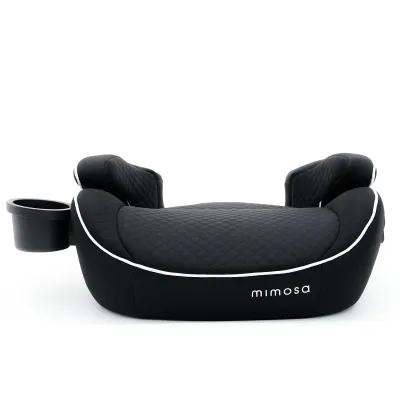
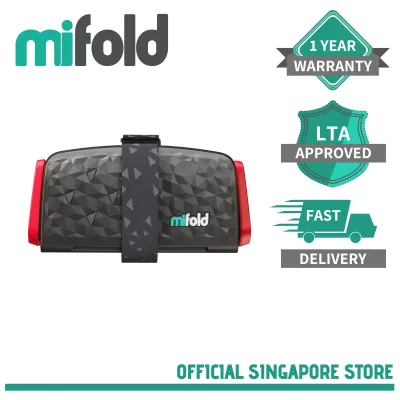
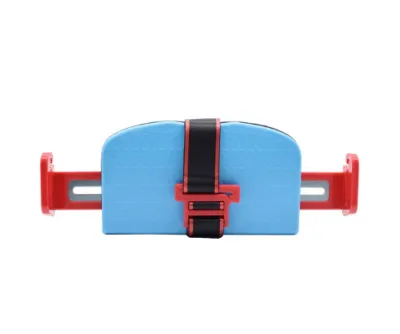
Prices are valid at publication and may change. Please refer to the product page for the latest price.
Singapore officially recognizes several major international safety standards. The most common is the United Nations Economic Commission for Europe (UN ECE) standard, specifically UN ECE R44/04 or the newer, more stringent UN ECE R129 (commonly referred to as i-Size). Other accepted standards include the Federal Motor Vehicle Safety Standards (FMVSS 213) from the United States, the British Standards (BS), and the Australian/New Zealand Standards (AS/NZS 1754). If a car seat does not carry a certification mark from at least one of these recognized bodies, it cannot be legally used in Singapore.
To identify these certifications, you must look for the official approval labels on the product. For UN ECE standards, this is typically an orange label that displays an “E” mark followed by a number in a circle, which indicates the country that granted the approval. The label also specifies the regulation version, the weight or height category for which the seat is approved, and a unique approval number. Familiarizing yourself with the appearance of these official labels is the best way to protect your child from non-compliant or counterfeit products.
It is important to distinguish between mandatory legal compliance and optional third-party safety ratings. While organizations like ADAC in Germany or the Consumer Rating Assessment Program (CREP) in Australia conduct independent, highly rigorous crash tests, these ratings are optional. A car seat must first possess the mandatory legal certification (such as UN ECE R44/04 or R129) to be legally sold and used on the road, while third-party ratings serve as additional performance indicators.
How to Verify Urban Kangaroo Car Seat Certifications Before Buying
When shopping for an Urban Kangaroo car seat, you should never rely solely on online product listings, promotional videos, or descriptions on ecommerce platforms. These descriptions can sometimes be misleading, outdated, or generic. Instead, take a systematic approach to verify the specific safety credentials of the exact model you plan to purchase.

Start by requesting to see the physical compliance label on the car seat. If you are purchasing from a physical retail store in Singapore, ask the staff to show you the label, which is typically located on the underside of the seat base or affixed to the back of the plastic shell. If you are buying online, ask the seller or distributor to provide a clear, high-resolution photograph of the actual certification label on the physical unit they intend to ship to you.
Once you have access to the label, examine the specific details printed on it. A genuine certification label will feature clear, crisp printing and will not look like a generic, easily peeled sticker. Look for the specific standard code, such as “ECE R44/04” or “ECE R129,” along with the unique approval number. This approval number is a critical piece of information; it proves that the specific model has undergone laboratory testing and has been officially registered with the relevant regulatory authority.
To ensure the label is authentic, you can cross-reference the approval number with official manufacturer documentation. Reputable brands and authorized distributors in Singapore should be able to provide a copy of the official certificate of conformity upon request. If a seller is unable or unwilling to provide this documentation, or if the approval number on the label cannot be verified, it is safest to reconsider the purchase.
Be particularly cautious of vague marketing phrases such as “safety tested,” “approved for travel,” or “meets global standards” when they are not accompanied by a specific, verifiable standard code. Genuine safety certifications require rigorous testing and official registration, and a legitimate manufacturer will always display these specific details clearly on both the product and its official documentation.
Key Physical Safety Features to Inspect Before Purchase
Beyond verifying paper certifications, conducting a thorough physical inspection of the car seat is essential to ensure its structural and functional integrity. This is true whether you are purchasing a brand-new unit from a retail store or inspecting a delivered product at home before its first use.
Begin your inspection with the internal harness system and buckle mechanism. The harness straps should be made of thick, high-density webbing that is free of fraying, twisting, or severe creasing. Test the buckle by inserting the metal tongues into the housing; they should lock into place with a distinct, audible click. Press the release button to ensure the mechanism releases smoothly without sticking, but requires enough force that a young child cannot easily undo it themselves.
Next, examine the energy-absorbing materials located beneath the fabric cover. High-quality car seats utilize materials such as Expanded Polystyrene (EPS) or Expanded Polypropylene (EPP) foam to absorb impact forces during a collision. Gently lift the fabric cover to inspect this foam layer. It must be completely intact, firmly bonded to the plastic shell, and entirely free of cracks, chips, or deep indentations, which can compromise its ability to protect your child.
If the model features ISOFIX connectors, inspect the metal arms and locking mechanisms for any signs of rust, bending, or mechanical stiffness. The locking indicators, which typically turn from red to green when the connectors are securely attached to the vehicle’s anchor points, must function correctly and smoothly. For seat belt-installed models, check that the belt routing paths are clearly marked and that any built-in lock-offs or tensioning clips are robust and lock tightly.
Finally, operate all adjustment levers, recline mechanisms, and headrest locks. These components should glide smoothly along their tracks and lock firmly into their designated positions. Apply firm manual pressure to the headrest and recline positions after locking them to ensure they do not slip or shift, as any movement under pressure indicates a faulty locking mechanism.
Installation and Usage Conditions Required for Certified Safety
It is vital to understand that a car seat’s safety certification is only valid when the seat is installed and used strictly in accordance with the manufacturer’s instructions. Even the most highly certified car seat cannot protect a child if it is installed incorrectly or if the child is secured improperly.
One of the most critical decisions is determining whether to install the seat in a rear-facing or forward-facing position. Rear-facing is widely recognized as the safest orientation for infants and young toddlers because it supports the child’s head, neck, and spine, distributing crash forces more evenly across the seat shell. Always refer to the manufacturer’s documentation for the specific weight, height, and age limits that dictate when your child can safely transition to a forward-facing position, and keep them rear-facing for as long as the seat allows.
After installing the car seat in your vehicle, perform the “one-inch test” to verify its stability. Grab the seat firmly at the belt path or near the ISOFIX connectors and attempt to move it side-to-side and front-to-back. The seat should not move more than 2.5 centimetres (one inch) in any direction. If there is excessive movement, uninstall the seat and attempt the installation again, or try a different seating position in the vehicle.
When securing the seat, understand the rules regarding connection methods. In almost all cases, you must use either the vehicle’s ISOFIX anchors or the three-point seat belt, but never both simultaneously unless the manufacturer’s manual explicitly permits dual installation. Combining both methods can alter how crash forces are distributed through the seat frame, potentially leading to structural failure during an impact.
Always consult both the car seat’s instruction manual and your vehicle’s owner manual before installation. Some vehicles have specific restrictions regarding active passenger airbags, under-floor storage compartments, or the compatibility of certain seating positions with child restraints. Ensuring compatibility between your specific vehicle and the car seat model is essential for a secure and certified installation.
When to Stop Using or Replace Your Car Seat
Car seats are not designed to last indefinitely, and knowing when to retire a seat is crucial for maintaining your child’s safety. Over time, exposure to environmental factors and regular wear and tear can degrade the materials, reducing the seat’s effectiveness in a crash.
First, locate the manufacturer’s expiration date, which is typically stamped into the plastic shell or printed on a label. In Singapore’s tropical climate, cars parked in open-air car parks can reach extremely high internal temperatures. This intense heat, combined with high humidity, can accelerate the breakdown of plastic polymers and energy-absorbing foams. If no expiration date is specified, a general industry guideline is to replace the seat six to ten years from its manufacture date, but you must always defer to the manufacturer’s specific instructions.
Second, a car seat must be replaced immediately after any vehicular accident, regardless of how minor the collision was. Even a low-speed “fender bender” can introduce micro-fractures in the plastic shell or stretch the internal harness webbing. These structural damages are often completely invisible to the naked eye but will severely compromise the seat’s performance in a subsequent collision. Never reuse a seat that has been involved in an accident.
Third, monitor your child’s physical growth regularly to ensure they have not outgrown the seat. A child has outgrown their car seat when they exceed the maximum weight limit specified by the manufacturer, or when their height exceeds the limit (often indicated when the top of their ears align with the top of the car seat shell). Transitioning your child to the next stage of child restraint at the appropriate time is essential for their continued protection.
Finally, stay informed about official safety recalls. Periodically check the manufacturer’s website or Singapore’s consumer product safety portals to see if your specific model is subject to a recall. If a recall is active, stop using the seat immediately and follow the manufacturer’s instructions, which may involve obtaining a repair kit, a replacement part, or a complete product replacement.
Frequently Asked Questions (FAQ)
Can I use a second-hand Urban Kangaroo car seat?
Using a second-hand car seat is generally discouraged by safety experts due to several significant, hidden risks. You cannot verify the seat’s complete history, such as whether it was involved in a minor collision, cleaned with harsh chemicals that degraded the harness webbing, or stored in conditions that compromised its structural integrity. If you must use a pre-owned seat, only accept it from a trusted family member or friend who can guarantee its history. Ensure it has all original parts, the instruction manual, intact certification labels, and has not reached its expiration date or been recalled.
Does a higher price guarantee a safer car seat?
No, a higher price tag does not automatically mean a car seat is safer in a crash. All legally sold car seats in Singapore must pass the same rigorous baseline safety standards to obtain certification. Premium pricing often reflects additional features such as luxury fabrics, advanced ventilation systems, easier installation mechanisms (like rotating bases), lighter materials, or brand prestige. A correctly installed, budget-friendly certified car seat is significantly safer than an expensive premium seat that is installed incorrectly or does not fit your child properly.
Community discussion
Share your experience or ask a question. Comments are reviewed before publication.