
Zinc oxide is a mineral compound that acts as a physical barrier on a baby’s delicate skin, shielding it from moisture, enzymes, and friction. The concentration of zinc oxide in a diaper rash cream determines whether the product is best suited for daily prevention or targeted treatment of active irritation. Understanding how these concentrations work allows parents to select the right product for their baby’s current skin condition, ensuring effective protection without unnecessary skin stress.
The Core Role of Zinc Oxide in Diaper Care
The primary challenge in diapering is managing the microenvironment inside the diaper. Moisture from urine and stool, combined with friction from movement, can quickly break down the skin’s natural outer barrier. Zinc oxide is an insoluble mineral that, when formulated into a cream or paste, sits on top of the skin rather than absorbing completely. This creates a physical shield that repels wetness and prevents corrosive digestive enzymes present in stool from making direct contact with the skin.
Beyond acting as a shield, zinc oxide has mild astringent and soothing properties. It helps to calm irritated skin and reduce the appearance of redness. Because it does not easily dissolve in water, it remains effective even when the diaper becomes wet, providing continuous protection between changes.
Products mentioned in this guide
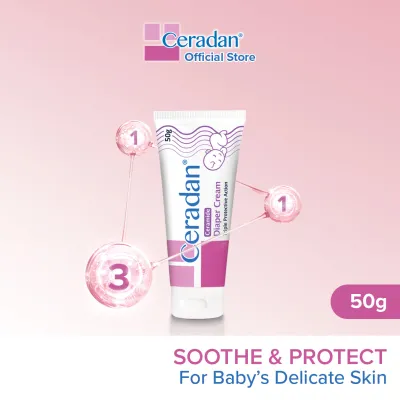
Prices are valid at publication and may change. Please refer to the product page for the latest price.
This dual action—protecting and soothing—makes zinc oxide a foundational ingredient in diaper care. Whether formulated into a light daily lotion or a heavy therapeutic paste, it serves as a reliable first line of defense against diaper dermatitis.
Decoding Concentration Levels: Prevention vs. Treatment
Diaper creams generally fall into different categories based on the percentage of zinc oxide they contain. Low-concentration formulations, typically ranging from 10% to 15%, are designed for daily maintenance and mild prevention. These creams are usually lighter, easier to spread, and formulated with emollient bases like petrolatum, mineral oil, or plant-based oils. They provide a breathable barrier that is ideal for healthy skin or very mild, occasional pinkness, helping to lock out moisture during regular diaper intervals.

In contrast, medium to high-concentration pastes, often containing 20% to 40% zinc oxide, are formulated for active treatment of existing, moderate-to-severe diaper rash. These products are significantly thicker and more viscous. The high mineral content ensures a dense, durable barrier that can withstand prolonged exposure to moisture, such as overnight sleep periods when diaper changes are less frequent.
When selecting a product, caregivers should carefully inspect the active ingredients list on the packaging. The concentration of zinc oxide is typically listed as a percentage. Product claims such as “daily defense” or “preventative” usually point to lower concentrations, while terms like “maximum strength,” “overnight formula,” or “therapeutic paste” indicate a higher concentration. Always verify the manufacturer’s intended use case and age recommendations on the label before application.
While high-concentration creams offer robust protection, they come with practical trade-offs. These pastes are notoriously thick and sticky, making them more difficult to spread evenly over irritated skin. They are also harder to wash off, which can lead to residue buildup on the skin. Attempting to scrub away these heavy pastes can cause friction and further irritate a baby’s already compromised skin, requiring gentle handling during cleanup.
How to Choose the Right Zinc Oxide Cream for Your Baby
Choosing the right cream begins with a careful assessment of the baby’s diaper area. Caregivers should observe the skin during changes to identify the level of irritation. Mild diaper rash typically presents as light pink patches or slight dryness without broken skin. Severe diaper rash, however, may feature intense redness, raised bumps, peeling, or weeping sores.
For daily wear and minor pinkness, a low-concentration cream is usually sufficient to maintain skin integrity. If the skin shows signs of active, moderate-to-severe irritation, transitioning to a high-concentration paste is appropriate to provide a heavy-duty shield while the skin heals. Matching the product to the current state of the skin prevents over-treating healthy skin with heavy pastes that are difficult to clean.
It is also essential to review the inactive ingredients in any diaper cream. Some formulations contain added fragrances, preservatives, or botanical extracts to mask odors or provide additional soothing claims. However, for babies with highly sensitive skin or active rashes, these additives can sometimes trigger allergic contact dermatitis or worsen irritation. Opting for fragrance-free, hypoallergenic formulas with minimal ingredients is often the safest approach for sensitive skin.
While over-the-counter zinc oxide creams are highly effective for standard diaper dermatitis, they are not a cure-all. If a diaper rash does not improve within a few days of consistent treatment, or if it worsens, spreads, or develops blisters, pus, or bleeding, caregivers should stop using the cream and consult a pediatrician. These symptoms may indicate a secondary yeast or bacterial infection that requires targeted prescription treatment rather than a simple barrier cream.
Application and Safety Guidelines for Zinc Oxide Creams
To maximize the effectiveness of any zinc oxide cream, proper skin preparation is crucial. Before application, the diaper area must be thoroughly cleaned using mild, fragrance-free wipes or warm water and a soft cloth. Once clean, the skin must be allowed to dry completely. Applying barrier cream over trapped moisture can seal wetness against the skin, defeating the purpose of the cream and potentially worsening the rash.
When applying the cream, caregivers should follow the manufacturer’s instructions regarding thickness and frequency. For daily prevention, a thin, even layer is typically recommended. For active treatment with high-concentration pastes, a thicker application—often described as “frosting a cake”—is applied to ensure the irritated skin is completely covered and protected from contact with waste.
Removing thick zinc oxide pastes requires a gentle touch to avoid damaging the skin. Instead of scrubbing vigorously with dry wipes, caregivers can use a soft cloth dampened with warm water or a wipe infused with a gentle oil, such as mineral oil, to help dissolve the paste. Gently patting or wiping the area minimizes friction and preserves the healing skin barrier underneath.
Caregivers should monitor the baby’s skin for any adverse reactions to the cream itself. Although zinc oxide is generally well-tolerated, rare sensitivities to inactive ingredients can occur. If the skin becomes increasingly red, swollen, or itchy immediately after application, discontinue use of that specific product. Always keep diaper creams out of reach of infants and toddlers to prevent accidental ingestion or inhalation of the product.
Frequently Asked Questions (FAQ)
Can zinc oxide cream be used for every diaper change?
Yes, low-concentration zinc oxide creams designed for daily prevention can generally be used during every diaper change to maintain a protective barrier. However, thick, high-concentration therapeutic pastes are typically reserved for active rashes or overnight use. Caregivers should always check the manufacturer’s guidelines on the product label to confirm the recommended frequency and suitability for continuous daily use.
Is it safe if my baby ingests a small amount of zinc oxide cream?
Accidental ingestion of a tiny smear of diaper cream from a baby’s fingers is generally not expected to cause serious harm, though it may cause mild stomach upset. However, if a baby ingests a significant amount directly from the tube, or if they show symptoms like vomiting or diarrhea, caregivers should contact a poison control center or a pediatrician immediately. To prevent ingestion risks, always store diaper creams securely out of your baby’s reach.
Does a higher zinc oxide concentration always mean a better product?
No, a higher concentration does not make a product universally better; it simply makes it different. High-concentration pastes are excellent for treating severe, active rashes but are often too thick, sticky, and difficult to remove for daily preventative care. A lower concentration is much easier to apply and clean off, making it far more practical and comfortable for everyday skin maintenance when no active rash is present.

Community discussion
Share your experience or ask a question. Comments are reviewed before publication.