
When preparing for a new arrival, choosing the right laundry detergent is just as important as selecting the softest swaddles. Tollyjoy laundry detergent is a popular choice among parents looking for a formula tailored to infant garments, but understanding its specific ingredients is essential for protecting your baby’s delicate skin. Because a newborn’s skin barrier is significantly thinner and more permeable than an adult’s, it is highly susceptible to absorbing chemical residues left behind on fabric fibers.
To determine if this detergent is suitable for your household, you must know how to locate and interpret the ingredient list on the packaging. While many baby detergents market themselves as gentle or mild, verifying the actual chemical components is the only way to ensure they do not contain personal triggers for your child. By learning what to look for on the label and establishing a safe washing routine, you can keep your baby’s clothes clean while minimizing the risk of contact dermatitis or skin irritation.
How to Read and Verify Tollyjoy Ingredient Labels
When shopping for baby care products in Singapore, parents often look for trusted brands like Tollyjoy. To make an informed decision, start by locating the ingredient panel on the back or side of the Tollyjoy laundry detergent bottle. Manufacturers typically list ingredients in descending order of concentration, meaning the components at the top of the list make up the majority of the formula. If the physical packaging only provides a simplified list, you can search for the product’s Safety Data Sheet (SDS) or visit the official brand channels to find a comprehensive chemical breakdown.
Products mentioned in this guide
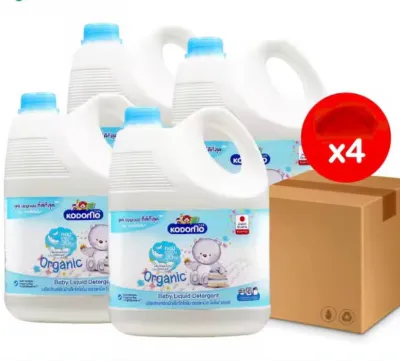
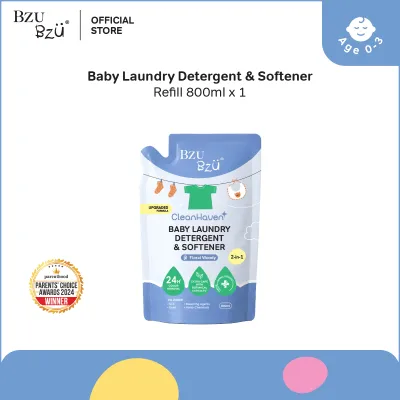
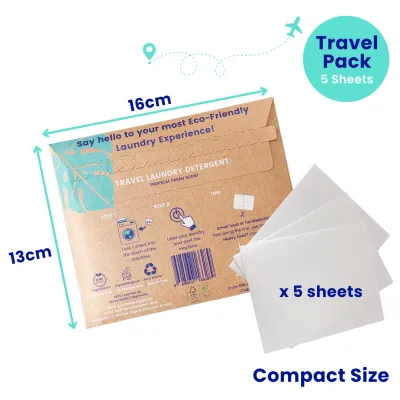
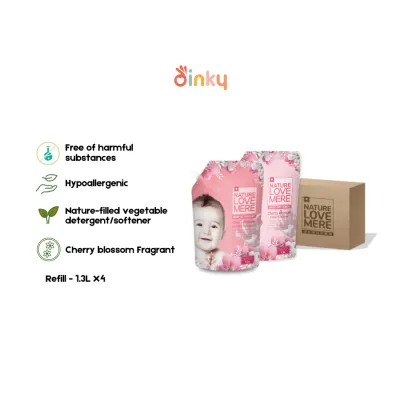
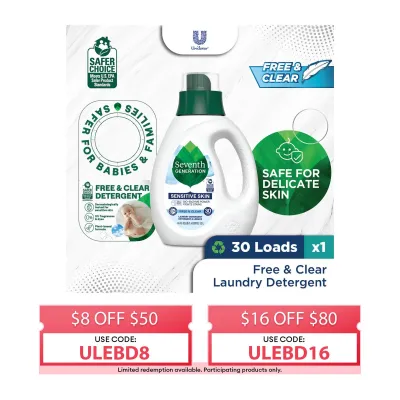
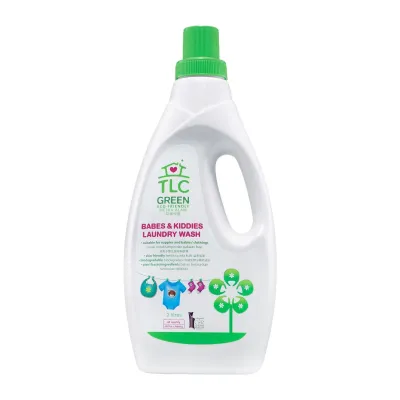
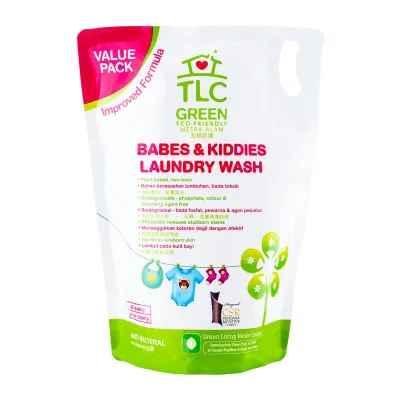
Prices are valid at publication and may change. Please refer to the product page for the latest price.
It is important to distinguish between marketing claims and actual chemical disclosures when evaluating baby care products. Terms like “plant-based,” “hypoallergenic,” and “gentle” are frequently used on packaging to appeal to safety-conscious parents, but these terms are not always strictly regulated. A “hypoallergenic” label simply means the product is formulated to minimize the likelihood of an allergic reaction, but it does not guarantee that your baby will not react to it. Always cross-reference these claims with the actual ingredient list to identify any potential allergens.
Additionally, check the label for specific age-appropriate usage instructions, safety warnings, and manufacturer-recommended dilution ratios. Using the correct amount of detergent is crucial, especially when hand-washing delicate items or using high-efficiency washing machines. Overusing detergent can lead to a buildup of soap scum on fabrics, which can trap dirt and irritate sensitive skin. Following the exact measurements provided by the manufacturer ensures the detergent cleans effectively and rinses away completely.
Common Baby Detergent Ingredients and Skin Sensitivities
Understanding the general categories of ingredients found in baby laundry detergents helps you evaluate what is safe for your child’s skin. The primary cleaning agents in any detergent are surfactants, which lower the surface tension of water to help it wet fabrics and lift away oils and dirt. While standard adult detergents often rely on harsh synthetic surfactants, specialized baby detergents frequently use milder, plant-derived alternatives, such as those derived from coconut or palm oil, which are gentler on the skin barrier.

Enzymes are another common addition to baby detergents, specifically targeted at breaking down organic stains like milk, formula, spit-up, and baby food. Common enzymes include protease for proteins and amylase for starches. While enzymes are highly effective at stain removal, they can occasionally remain trapped in fabric fibers after washing. For babies with extremely sensitive skin or conditions like eczema, these residual enzymes can cause mild localized irritation if the garments are not thoroughly rinsed.
Preservatives and fragrances are also frequently added to liquid formulas to extend shelf life and provide a pleasant scent. However, synthetic fragrances and certain chemical preservatives are among the most common triggers for contact allergies in infants. Pediatric guidelines generally recommend opting for fragrance-free and dye-free detergents, especially during the first few months of life when a baby’s skin is most vulnerable. Even natural essential oils used for fragrance can sometimes trigger reactions in sensitive newborns.
Optical brighteners and artificial dyes are purely aesthetic additives that do not contribute to the actual cleanliness of the clothes. Optical brighteners are chemical compounds that absorb ultraviolet light and emit blue light, making fabrics appear whiter and brighter to the human eye. Because these chemicals are designed to remain on the fabric fibers even after rinsing, they can easily rub off onto your baby’s skin, potentially causing irritation or allergic reactions. Choosing a detergent free of these additives is a safer choice for infant garments.
Assessing Safety: Signs of Irritation and When to Stop Use
Even when using a dedicated baby detergent, it is vital to monitor your infant’s skin for any adverse reactions. Contact dermatitis, which is an inflammatory skin reaction caused by contact with an irritating substance, can develop gradually as residues build up on clothing. Common signs of detergent sensitivity include localized redness, dry or scaly patches, small red bumps, and unexplained fussiness, which may indicate that the baby is experiencing itching or discomfort from their clothes.
To determine if a rash is caused by laundry detergent, observe where the symptoms appear and when they flare up. Detergent sensitivity typically presents in areas where clothing fits snugly or rubs against the skin, such as the collar line, wrists, thighs, and the diaper area. In contrast, other common infant skin conditions have distinct patterns; heat rash usually clusters in skin folds, drool rash is concentrated around the mouth and neck, and eczema often appears on the cheeks or the outer bends of the elbows and knees.
If you suspect your baby is reacting to their laundry detergent, take immediate action to eliminate the irritant. Stop using the current detergent and rewash all of the baby’s clothes, bedding, towels, and cloth diapers in plain, warm water with an extra rinse cycle to strip away any lingering chemical residues. Keep a close eye on the rash over the next few days; if the irritation persists, spreads, or causes significant discomfort, consult a qualified pediatrician or dermatologist for a proper diagnosis and treatment plan.
Best Practices for Washing Baby Clothes Safely
Adopting a safe and consistent laundry routine is just as important as choosing the right detergent. One of the most common mistakes parents make is using too much detergent in an effort to get clothes cleaner. Excess detergent creates a surplus of suds that cannot be easily rinsed away by the washing machine, leaving a soapy residue on the fabric fibers that can irritate your baby’s skin. Always use the measuring cap and stick to the recommended dose for your load size.
To ensure all surfactant and enzyme residues are completely removed, always utilize an extra rinse cycle on your washing machine. This simple step is highly effective at flushing out any lingering cleaning agents from the tight weave of cotton baby garments. If your washing machine has a dedicated baby care cycle, it often includes higher water temperatures and multiple rinse phases designed specifically to minimize chemical residue on infant clothing.
Additionally, separate heavily soiled items from everyday baby clothes to prevent cross-contamination. Items like cloth diapers, bibs, and spit-up rags carry high levels of bacteria and organic waste, requiring a more intensive wash cycle with warmer water. Washing these items separately allows you to use targeted wash settings and appropriate detergent doses for heavy soil, while keeping everyday onesies, swaddles, and blankets on a gentler, residue-free cycle.
Frequently Asked Questions (FAQ)
Can I use regular adult laundry detergent for baby clothes?
Standard adult laundry detergents often contain strong synthetic fragrances, optical brighteners, and artificial dyes designed to keep adult clothing smelling fresh and looking bright. These additives frequently leave residues on fabric fibers that can easily irritate a newborn’s delicate skin barrier. If you prefer to wash the entire family’s laundry together, it is best to switch everyone to a mild, fragrance-free, and dye-free detergent formulated for sensitive skin to protect your baby.
Do I need to wash new baby clothes before the first use?
Yes, you should always wash new baby clothes before your infant wears them. New garments often carry chemical residues from the manufacturing process, starch used to keep them looking crisp on store shelves, and dust accumulated during shipping and handling. Washing new clothes with a gentle baby detergent removes these potential irritants, ensuring that only clean, soft, and safe fabric comes into contact with your baby’s sensitive skin.
How long should I use baby-specific detergent for my child?
Most pediatricians recommend using baby-specific or highly sensitive, fragrance-free detergents until your child is at least one year old, as their skin barrier gradually matures and becomes less reactive during this time. However, there is no strict age limit for transitioning. When you decide to switch to a standard family detergent, start by washing a small test load of your child’s clothes and monitoring their skin for any signs of irritation before washing their entire wardrobe.

Community discussion
Share your experience or ask a question. Comments are reviewed before publication.