
When choosing a laundry detergent for your infant, understanding what goes onto their clothing is just as important as what goes onto their skin. Tollyjoy baby laundry detergent is a popular choice among parents looking for a mild cleaning solution, but determining whether it is safe for your specific child requires a close look at its ingredient list. Because infant skin is significantly thinner and more permeable than adult skin, even trace amounts of harsh chemicals left on fabric fibers can trigger redness, dryness, or discomfort.
Evaluating the safety of any baby detergent involves understanding the role of each ingredient, from the active cleaning agents to the preservatives that keep the liquid shelf-stable. By learning how to decode the product label, identify gentle surfactants, and recognize potential irritants, you can make an informed decision that keeps your baby’s clothes clean and their skin barrier protected.
How to Check the Tollyjoy Baby Laundry Detergent Ingredient List
To accurately assess what is in your bottle of Tollyjoy baby laundry detergent, you must know where to find and how to read the ingredient list. Formulations can change over time due to manufacturing updates, regulatory shifts, or regional product variations. Therefore, relying on older online reviews or general blog posts is not enough; you should always inspect the physical packaging of the specific bottle or refill pack you purchase.
Products mentioned in this guide
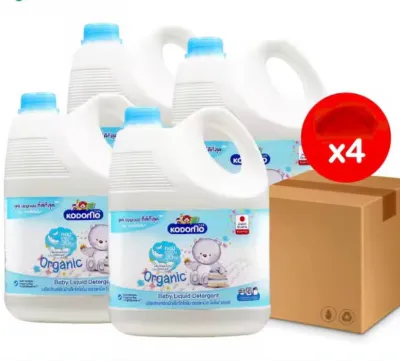
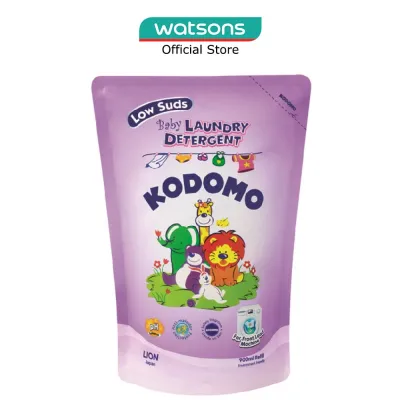
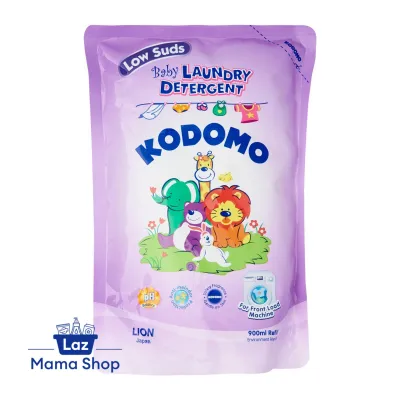
![[1][1+1]Single/Bundle of 2 Kodomo Laundry Detergent 1000ml (Refill)](https://img.lazcdn.com/g/p/5c2036e3a207962f022adb9eb1451077.jpg_400x400q80.jpg_.webp)
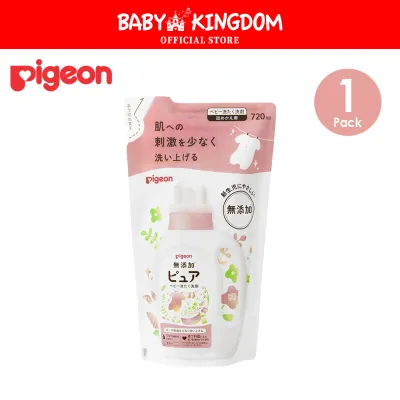
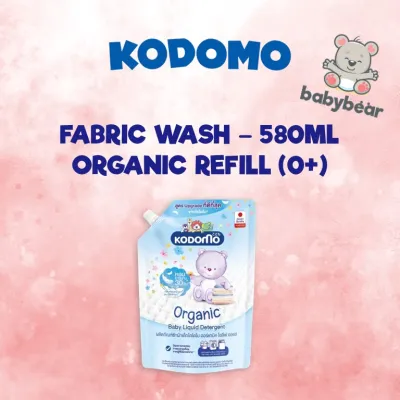
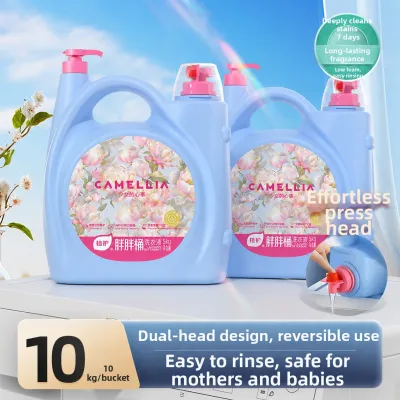
Prices are valid at publication and may change. Please refer to the product page for the latest price.
The complete ingredient list is typically located on the back or side panel of the product packaging. When examining this panel, it is crucial to distinguish between marketing claims on the front of the bottle—such as “gentle on skin” or “specially formulated for babies”—and the standardized chemical names listed on the back. Front-label claims are designed for retail appeal, whereas the back panel provides the actual chemical or botanical names of the substances inside.
If the physical packaging does not display the full list, or if you want to research the formulation before making a purchase, visit the manufacturer’s official website or authorized online marketplace listings. Many brands provide downloadable Safety Data Sheets (SDS) or detailed product specifications online. Checking these official digital resources ensures you are viewing the most current formulation details for the specific product variant, whether it is a liquid detergent, a powder, or a specialized sensitive-skin formula.
Identifying Gentle and Baby-Friendly Surfactants
The primary job of any laundry detergent is to remove dirt, oils, and stains, which is accomplished through surfactants (surface-active agents). In baby-specific detergents, manufacturers generally opt for mild, plant-derived surfactants rather than the harsh synthetic chemicals found in standard household detergents. Common gentle alternatives include surfactants derived from coconut or palm oil, which lift stains from fabric fibers without leaving a harsh, drying residue.

Another key component to look for on the ingredient label is enzymes. Enzymes are specialized proteins that target and break down organic stains, such as milk, formula, spit-up, and baby food. While enzymes are highly effective at keeping baby clothes stain-free, some infants with extremely sensitive skin or conditions like eczema may experience mild irritation from certain enzyme types. If your baby has highly reactive skin, verifying whether the formula contains enzymes can help you isolate potential triggers.
You should also check the ingredient list for optical brighteners, which are synthetic chemicals designed to adhere to fabrics and reflect light, making clothes appear whiter and brighter. Because optical brighteners do not actually clean the fabric and are engineered to remain on the clothing after the wash cycle is complete, they are a common source of skin irritation for infants. Opting for a formula free of these brighteners is a safer choice for delicate newborn skin.
Key Ingredients to Verify or Avoid for Sensitive Skin
When reviewing the ingredient list of your Tollyjoy detergent, having a practical checklist of substances to verify or avoid can help protect your baby’s skin. Added fragrances and perfumes are among the most common allergens in laundry products. Even natural essential oils or masking agents used to cover chemical odors can trigger respiratory sensitivities or contact dermatitis in young infants, making fragrance-free options preferable for newborns.
Preservatives are necessary in liquid detergents to prevent the growth of harmful bacteria and mold over time, but some preservatives are much harsher than others. Parents should look out for and verify the presence of ingredients like parabens, methylisothiazolinone (MIT), or methylchloroisothiazolinone (CMIT), which are known sensitizers. Choosing formulas that utilize milder, food-grade, or highly diluted preservative systems minimizes the risk of skin reactions.
Finally, artificial dyes and colorants serve no functional purpose in cleaning clothes and only add unnecessary chemical exposure. When evaluating packaging claims like “hypoallergenic” or “dermatologically tested,” remember that these terms are not always globally standardized. Look for corresponding certification logos from recognized independent dermatological bodies or third-party testing statements on the packaging to verify these claims, rather than taking front-label marketing at face value.
How to Evaluate Safety and Tolerance for Your Baby
Even the mildest detergent can occasionally cause an unexpected reaction in an individual baby, making a personalized evaluation process essential. Before washing an entire load of your baby’s wardrobe in a new detergent, perform a simple patch test. Wash a single, non-essential item—such as a small washcloth or a single bodysuit—using the detergent, let your baby wear or use it, and closely monitor their skin over a 24 to 48-hour period.
During and after this test period, observe your baby’s skin for any signs of contact dermatitis. Look for localized redness, dry or rough patches, tiny bumps, or unexplained fussiness, which can indicate that their clothing is causing physical discomfort or itching. If you notice any of these signs, stop using the detergent immediately, wash the affected clothing in plain water to remove residues, and consult a qualified pediatrician or dermatologist if the irritation persists.
To further minimize the risk of skin irritation, pay close attention to your washing machine habits and the manufacturer’s dosage instructions. In Singapore’s warm, humid climate, families often dry laundry indoors, where trapped moisture and detergent residue can exacerbate skin issues. Always measure the detergent precisely using the provided cap or scoop; using too much detergent does not make clothes cleaner and instead leaves a soapy buildup on the fabric. Additionally, consider programming your washing machine to run an extra rinse cycle to ensure every trace of surfactant is thoroughly flushed from your baby’s garments.
Frequently Asked Questions (FAQ)
Can I use Tollyjoy baby laundry detergent for the whole family's clothes?
Yes, you can safely use baby laundry detergent to wash the entire family’s clothing, and doing so can simplify your laundry routine. However, there are practical trade-offs to consider. Because baby detergents are formulated with mild surfactants and often lack harsh stain-removing chemicals, they may struggle to clean heavy adult stains, such as deep sweat, grease, makeup, or outdoor dirt. Additionally, specialized baby detergents are often more expensive per wash than standard family detergents. If you choose to wash everyone’s clothes together, evaluate whether the gentle cleaning power is sufficient for adult garments and if the cost fits your household budget.
Do I need to use a fabric softener with Tollyjoy baby detergent?
It is highly recommended to avoid using fabric softeners or dryer sheets when washing baby laundry. Fabric softeners work by leaving a thin chemical coating over the fabric fibers to make them feel smoother. This coating can significantly reduce the natural breathability and moisture-absorbing capabilities of cotton garments, which are essential for keeping babies comfortable in humid climates. Furthermore, softeners can reduce the flame-retardant properties of infant sleepwear. Because fabric softeners are heavily loaded with synthetic fragrances and conditioning agents, they frequently cause skin irritation, completely counteracting the benefits of using a gentle baby detergent.

Community discussion
Share your experience or ask a question. Comments are reviewed before publication.