
Starting solid foods is a major milestone in your baby’s first year of life. Around the six-month mark, an infant’s nutritional requirements begin to exceed what breast milk or formula alone can provide. Rice cereal has long been a popular choice for this transition because of its mild taste, smooth texture, and low risk of triggering allergic reactions. When exploring options like MommyJ rice cereal, understanding the exact ingredients and nutritional profile is crucial for determining if it fits your baby’s dietary needs. While the brand is known for utilizing organic grains, parents must always examine the physical packaging of the specific product they purchase in Singapore to verify the current formulation, nutrition panel, and safety guidelines.
Why Ingredient Transparency Matters in Baby Cereal
The transition to solid foods, often referred to as weaning or complementary feeding, is about more than just introducing new textures. It is a critical window for introducing essential nutrients that support rapid physical and cognitive growth. Rice cereal serves as an ideal introductory food because it is easily accepted by infants and gentle on their undeveloped digestive systems. However, not all rice cereals are created equal, and relying solely on a brand’s reputation is not enough to guarantee it meets your child’s specific needs.
Reading the ingredient list and the nutrition facts panel is the only reliable way to confirm what is actually entering your baby’s body. Manufacturers occasionally update their formulations, alter ingredient sources, or adjust fortification levels to meet changing regulatory standards or consumer preferences. Furthermore, packaging and ingredient profiles can vary significantly between different regions. For parents in Singapore, this means verifying the physical label on the box purchased from local retailers or authorized distributors is paramount, rather than relying entirely on online product descriptions or reviews from other countries.
Products mentioned in this guide
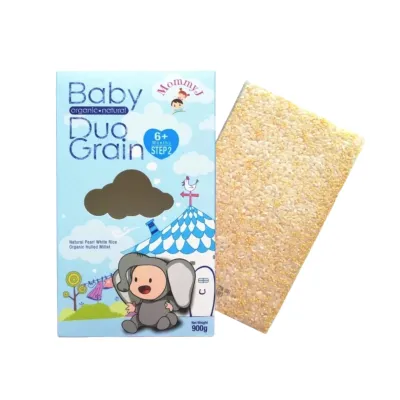
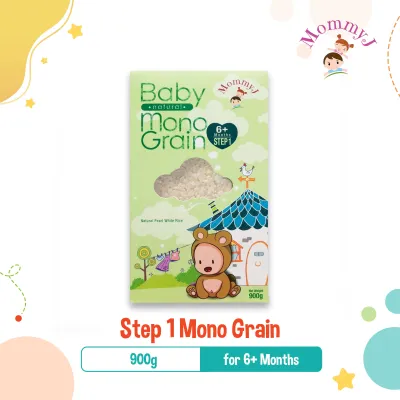
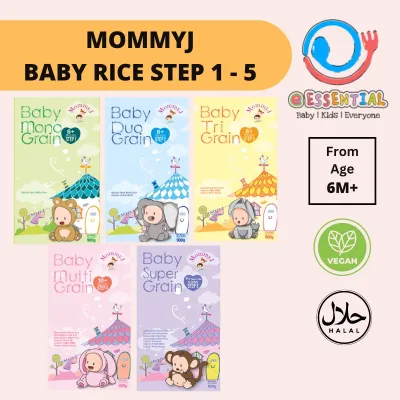
Prices are valid at publication and may change. Please refer to the product page for the latest price.
Common Key Ingredients in Rice Cereals and Their Roles
To make an informed decision, it helps to understand the typical components found in high-quality baby rice cereals and how they contribute to your infant’s development.

Base Grains: The primary ingredient in any baby rice cereal is the rice itself, which serves as a highly digestible source of carbohydrates to fuel your baby’s active days. MommyJ cereals typically utilize organic grains, such as organic japonica rice or organic brown rice. White japonica rice is known for its clean taste and exceptionally smooth consistency when mixed, making it highly tolerable for beginners. Organic brown rice, on the other hand, retains more of the natural grain’s outer layers, providing a slightly higher natural fiber content and trace minerals. Understanding whether a product is a single-grain cereal or a multi-grain blend is important, as single grains are recommended for the very first stage of weaning to isolate potential food sensitivities.
Micronutrient Fortification: Around the age of six months, an infant’s natural iron stores—which were built up during gestation—begin to deplete rapidly. Because breast milk is naturally low in iron, fortified baby cereals play a critical role in bridging this nutritional gap. When reviewing the MommyJ label, look closely for added iron (often listed as electrolytic iron or iron pyrophosphate), zinc, and essential B vitamins like thiamine, riboflavin, and niacin. These micronutrients are vital for healthy red blood cell production, immune function, and neurological development.
Gut Health Additives: Some modern baby cereals incorporate prebiotics or probiotics to assist with digestive health. Prebiotics, such as fructooligosaccharides (FOS) or galactooligosaccharides (GOS), act as food for beneficial gut bacteria, while probiotics introduce live active cultures directly. These ingredients can help ease the digestive transition as your baby moves from an all-liquid diet to solid foods. Because these formulations are highly specific, you must verify the exact presence and types of prebiotics or probiotics on the packaging of the specific MommyJ variety you choose.
How to Read the Nutrition Label for Your Baby's Needs
Navigating the nutrition information panel on a baby food package can feel overwhelming, but focusing on a few key areas will help you assess its suitability.
Macronutrients: Begin by checking the macronutrient breakdown per serving. Look at the total carbohydrates, dietary fiber, protein, and fat content. Infants require a balance of these macronutrients to support their rapid growth. While carbohydrates provide immediate energy, protein supports tissue and muscle development, and healthy fats are crucial for brain development. Ensure the macronutrient ratios align with any specific dietary recommendations provided by your pediatrician.
Micronutrients and Daily Values: Next, examine the micronutrient section, paying special attention to iron, calcium, and vitamin levels. The label will typically list these nutrients in milligrams or micrograms, alongside a percentage of the daily recommended intake for infants. Keep in mind that these percentages are general guidelines. Your baby’s actual nutritional requirements may vary based on their overall diet, rate of growth, and whether they are primarily breastfed or formula-fed. Do not assume a single serving of cereal must cover 100% of their daily iron needs, as they will also begin consuming other iron-rich foods like pureed meats, lentils, or green vegetables.
Serving Size vs. Actual Intake: It is common for nutrition labels to base their calculations on a specific serving size, such as 15 grams of dry cereal mixed with liquid. However, when your baby is first starting solids, they may only consume a teaspoon or two of prepared cereal per feed. You will need to adjust your nutritional expectations accordingly, recognizing that their actual nutrient intake from the cereal will be proportional to the amount they actually swallow.
Preparation and Nutritional Changes: Always read the manufacturer’s recommended preparation instructions on the package. The nutritional profile of the meal changes dramatically depending on what liquid you use to mix the dry powder. Preparing the cereal with water will yield only the nutrients present in the dry powder itself. Mixing the cereal with breast milk or infant formula will significantly boost the caloric density, protein, fat, and vitamin content of the meal, creating a more nutrient-dense option for your growing baby.
Assessing Dietary Fit: Allergens, Additives, and Sensitivities
As you introduce new foods, identifying potential allergens and unnecessary additives is a vital step in protecting your baby’s developing system.
Allergen Cross-Contamination: Pure rice is naturally gluten-free and is widely considered one of the least allergenic grains, making it an excellent starting point for infants. However, cross-contamination can occur during manufacturing or packaging. Carefully inspect the MommyJ packaging for precautionary allergen labeling, such as “may contain traces of milk, soy, wheat, or gluten.” This is particularly important if your baby has a known sensitivity or if there is a strong family history of food allergies.
Hidden Sugars and Sodium: Healthy infant diets should contain no added sugars or salt. When reviewing the ingredient list, look out for hidden sweeteners such as sucrose, fructose, maltodextrin, corn syrup, or concentrated fruit juices. These additives can encourage a preference for overly sweet foods early in life and contribute to unhealthy weight gain. Similarly, check the sodium levels to ensure no salt has been added, as an infant’s immature kidneys cannot process high amounts of sodium.
Artificial Additives: A high-quality baby cereal should be free from artificial colors, artificial flavors, and chemical preservatives. These ingredients are entirely unnecessary for an infant’s nutrition and may trigger sensitivities in some children. The ingredient list on the packaging should be straightforward, featuring organic grains and essential vitamins or minerals without synthetic fillers.
Pediatric Consultation: If your baby has diagnosed medical conditions, severe eczema, or a family history of severe food allergies, it is highly recommended to cross-reference the ingredient list of any new food with your pediatrician before the first feed. They can provide personalized guidance on how to safely introduce new ingredients.
Safe Feeding Practices and When to Consult a Pediatrician
Introducing solids is a gradual process that requires careful monitoring, proper preparation, and a focus on safety.
Preparation Safety: Always follow the exact preparation instructions and water-to-powder ratios printed on the MommyJ packaging. Preparing the cereal too thick can pose a choking hazard or lead to constipation, while making it too thin may dilute the essential nutrients your baby needs. Use clean, sterilized utensils and bowls, and ensure that any water used to mix the cereal has been boiled and cooled to a safe temperature to prevent burn injuries or bacterial contamination.
The Introduction Rule: When introducing MommyJ rice cereal for the first time, offer it as a single ingredient without mixing it with other new foods like fruits or vegetables. Serve this single food for three to five days while closely observing your baby. This “waiting window” allows you to easily identify the culprit if your baby experiences an adverse reaction, which would be much harder to pinpoint if multiple new foods were introduced simultaneously.
When to Stop and Seek Help: Monitor your baby closely during and after feeding for any signs of intolerance or allergic reactions. Stop feeding the cereal immediately and consult a healthcare professional if you observe symptoms such as skin rashes, hives, vomiting, persistent diarrhea, unusual fussiness, or swelling of the lips or face. If your baby experiences any breathing difficulties or severe lethargy, seek emergency medical attention immediately.
Professional Guidance: Parents in Singapore should consult a pediatrician, family doctor, or registered dietitian before making significant dietary changes if their baby was born prematurely, has a diagnosed medical condition, or is experiencing poor weight gain or failure to thrive. A professional can help tailor a weaning schedule that safely supports your child’s specific developmental timeline.
Frequently Asked Questions (FAQ)
Is rice cereal safe regarding heavy metals like arsenic?
Rice plants naturally absorb arsenic from the soil and water more efficiently than many other food crops. Because of this, heavy metal exposure is a common concern for parents introducing rice-based products. To mitigate this risk, look for infant food brands that explicitly test their batches for heavy metals and comply with strict local food safety regulations, such as those enforced by the Singapore Food Agency. Additionally, pediatric experts recommend offering a varied diet. Rather than relying solely on rice cereal, rotate it with other single-grain options like organic oatmeal, barley, or quinoa cereals to naturally minimize your baby’s exposure to any single environmental contaminant.
Can I mix the cereal with breast milk or formula instead of water?
Yes, mixing baby rice cereal with breast milk or prepared infant formula is a highly common and recommended practice. This approach provides your baby with a familiar taste, which can make the transition to solid foods much smoother and more acceptable. It also significantly increases the caloric and nutritional density of the meal compared to mixing with water alone. Always refer to the preparation instructions on the MommyJ package for specific guidance. For safety, any cereal mixed with breast milk or formula must be fed immediately, and any leftovers must be discarded after the feed to prevent rapid bacterial growth from your baby’s saliva.
Community discussion
Share your experience or ask a question. Comments are reviewed before publication.