
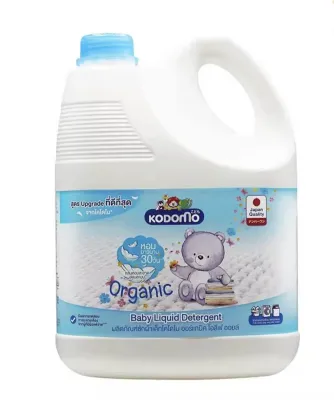
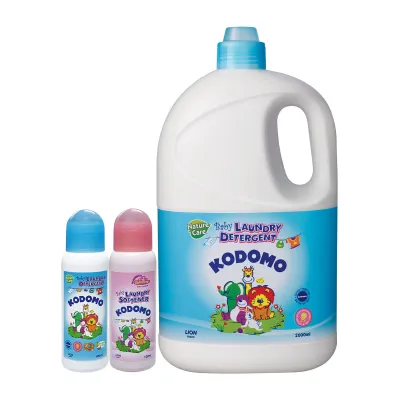
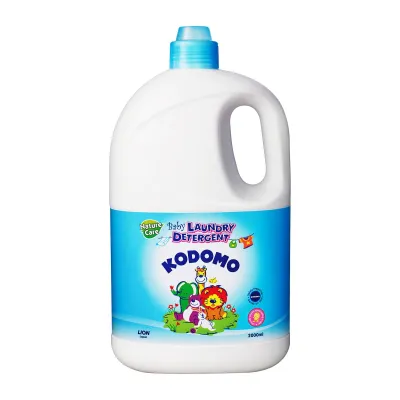
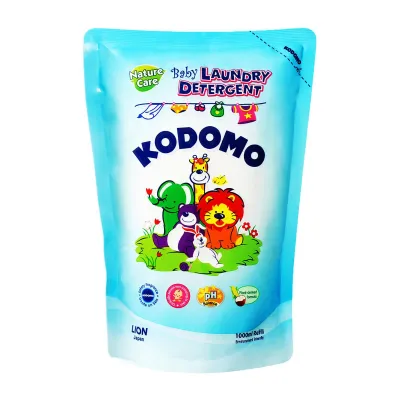
Kodomo baby laundry detergents are formulated with mild surfactants, water, stabilizers, and optional light fragrances designed to clean infant clothing while minimizing skin irritation. Because exact formulations can vary by product line—such as Nature’s Happy Berry or pH-balanced variants—and regional distribution, parents must look at the physical packaging label or the manufacturer’s official documentation to verify the exact chemical composition. Understanding how to decode these ingredients helps you protect your baby’s delicate skin barrier from unnecessary irritants.
Selecting the right cleaning product involves looking past marketing claims to examine the actual chemical makeup of what touches your child’s skin. Since infants have a thinner outer skin layer than adults, they are far more susceptible to absorbing chemical residues left on their clothes. By learning to identify common detergent components, you can make informed choices that balance effective stain removal with dermatological safety.
How to Read and Decode Baby Detergent Ingredient Labels
Locating the ingredient list is the first step in evaluating any baby laundry product. On a bottle or refill pouch of Kodomo baby laundry detergent, this list is typically printed on the back label, often in small print near the usage instructions or safety warnings. If the physical packaging is not immediately accessible, you can verify the ingredients on the manufacturer’s official website or through authorized local distributors. When shopping on ecommerce platforms, look for official brand stores that upload high-resolution images of the back label or provide a complete text transcript of the ingredients.
Products mentioned in this guide
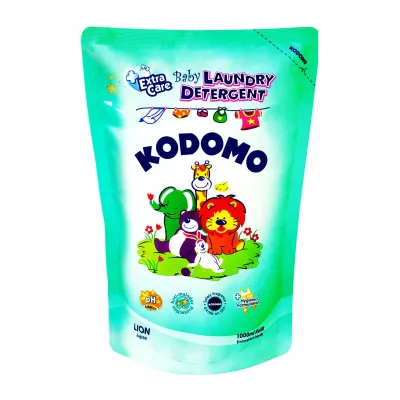
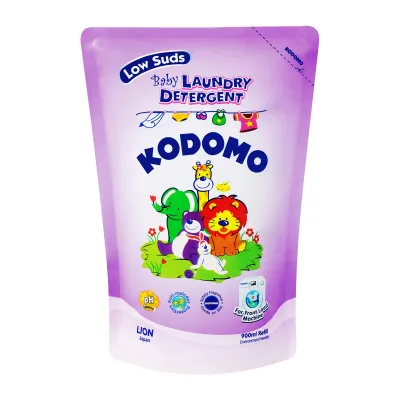
Prices are valid at publication and may change. Please refer to the product page for the latest price.
When reading the label, it is important to distinguish between functional ingredients and marketing claims. Terms like “natural,” “organic,” or “plant-based” on the front of the bottle are promotional descriptors rather than standardized scientific classifications. To understand what is actually inside the bottle, you must look at the official ingredient list, which uses standardized chemical names or International Nomenclature of Cosmetic Ingredients (INCI) terminology. For example, a plant-derived cleaning agent might be listed as “alkyl polyglucoside” or “sodium laureth sulfate” rather than simply “coconut-derived cleanser.”
The order of ingredients on the label provides crucial context about the formula’s composition. By regulatory standards in many regions, ingredients are listed in descending order of concentration. The first few ingredients listed—typically water followed by primary surfactants—make up the vast majority of the liquid detergent. Ingredients listed near the very end, such as preservatives, pH adjusters, or fragrances, are present in extremely small quantities, though they can still be highly relevant for babies with specific skin sensitivities.
Common Ingredient Categories in Baby Laundry Detergents and Their Roles
Baby laundry detergents rely on specific categories of ingredients to clean fabrics effectively while remaining gentle on delicate skin. Surfactants, or surface-active agents, are the primary cleaning components responsible for lifting dirt, oils, and organic matter from fabric fibers. While standard adult detergents often use strong anionic surfactants to tackle heavy grease, baby formulations typically utilize milder surfactant blends, such as non-ionic or amphoteric surfactants, which rinse away more easily and are less likely to disrupt the skin’s natural lipid barrier.

Enzymes are biological catalysts added to many laundry detergents to target specific types of stains. Protease enzymes break down protein-based stains like breast milk, formula, and baby food, while amylase targets starches. While enzymes are highly effective at stain removal, some parents of infants with extremely sensitive skin or conditions like eczema prefer enzyme-free formulas, as residual enzymes left on clothing fibers can occasionally cause mild skin irritation. Checking the label for specific enzyme names helps you choose the right balance between stain-fighting power and skin compatibility.
Fragrances and dyes are common additives that provide aesthetic appeal but serve no functional cleaning purpose. Many baby detergents are formulated without artificial dyes to minimize the risk of contact dermatitis. Fragrances, even those described as “mild” or “baby-fresh,” can contain complex mixtures of chemical compounds that may trigger respiratory or skin sensitivities in newborns. If you prefer a scented option, look for products that clearly list the fragrance components or opt for fragrance-free alternatives if your baby has highly reactive skin.
Preservatives and stabilizers are essential components in liquid detergents to ensure product safety and longevity. Without preservatives, water-based liquid detergents would quickly become breeding grounds for bacteria, mold, and yeast. Common stabilizers are also added to prevent the formula from separating or degrading under different storage temperatures. While these ingredients are necessary for shelf life, manufacturers select specific, low-hazard preservatives for baby products to minimize the potential for skin sensitization.
How to Evaluate Detergent Safety for Your Baby's Sensitive Skin
Evaluating a detergent’s safety requires looking beyond front-label certifications to understand what those claims actually mean. Labels such as “dermatologically tested” or “hypoallergenic” indicate that the product has undergone testing to minimize the likelihood of allergic reactions. However, these terms are not universally standardized, and they do not guarantee that a product will be completely reaction-free for every individual infant. Parents should treat these claims as a helpful starting point rather than an absolute safety guarantee.
To protect your baby’s skin, it is wise to cross-reference the ingredient list with known irritants, especially if your family has a history of eczema, asthma, or allergies. Common culprits include certain synthetic preservatives (such as methylisothiazolinone), strong synthetic fragrances, and optical brighteners designed to make clothes look whiter. If your pediatrician or pediatric dermatologist has identified specific triggers for your child, keep a written list of those chemical names to compare directly against the detergent’s back label before purchasing.
Before washing an entire wardrobe of baby clothes in a new detergent, performing a practical patch test is a highly recommended precautionary step. Wash a single small item, such as a baby washcloth or a pair of socks, using the new detergent according to the package instructions. Have your baby wear or use this item for a few hours while closely monitoring the skin that comes into direct contact with the fabric. This controlled test allows you to observe any localized reactions before exposing your baby’s entire body to the newly washed fabrics.
If you notice any signs of skin irritation, such as redness, dry patches, small bumps, or itching, stop using the detergent immediately. Re-wash the affected clothing items in plain, warm water or a verified fragrance-free, sensitive-skin detergent to remove any lingering residue. If the skin reaction persists, spreads, or causes your baby visible discomfort, consult a qualified pediatrician or dermatologist for a professional evaluation and personalized skincare advice.
Practical Washing and Rinsing Steps to Minimize Residue
Even the mildest baby detergent can cause skin irritation if it is not thoroughly rinsed from fabric fibers. To prevent chemical buildup, always adhere strictly to the manufacturer’s recommended dosage instructions printed on the packaging. Using more detergent than necessary does not make the clothes cleaner; instead, it creates excess suds that are difficult to rinse out, leaving a soapy residue trapped within the weave of the fabric.
Selecting the correct wash cycle and water temperature is equally important for effective cleaning and residue removal. Refer to both the detergent’s label instructions and the care labels on your baby’s garments. Many baby clothes benefit from a warm water wash, which helps dissolve the detergent completely and release trapped organic soils, provided the fabric care label permits it.
Ensuring a thorough rinse is one of the most effective ways to safeguard your baby’s skin. If your washing machine has an “extra rinse” or “deep rinse” option, consider enabling it for all baby laundry loads, especially for heavily soiled items like cloth diapers or bibs. This extra step helps flush away any remaining surfactant molecules, leaving the fabrics clean, soft, and free of irritating residues.
Proper storage of your baby laundry products is essential for maintaining ingredient stability and ensuring household safety. In Singapore’s humid climate, storing liquid detergents and refills in a cool, dry place away from direct sunlight is particularly important, as extreme heat or moisture can degrade the preservatives and alter the formula’s consistency. Always keep laundry products tightly sealed and stored on a high shelf or in a locked cabinet, completely out of reach of curious infants and toddlers.
Frequently Asked Questions (FAQ)
Is It Safe to Mix Baby Detergent With Regular Adult Laundry Soap?
Mixing baby detergent with regular adult laundry soap is not recommended. Adult detergents are formulated with stronger surfactants, optical brighteners, and intense fragrances designed to tackle heavy adult soils, which can easily overwhelm the mild formulation of a baby detergent. Combining them compromises the gentle, hypoallergenic properties of the baby product and introduces potential irritants to your infant’s clothing. To maintain a controlled, skin-safe washing environment, keep baby and adult laundry loads completely separate, and wash them with their respective dedicated detergents.
Should You Use Fabric Softener With Baby Laundry Detergent?
It is generally best to avoid using commercial liquid fabric softeners when washing baby clothes and bedding. Fabric softeners work by leaving a thin chemical coating over fabric fibers to make them feel smoother, but this residue can trap moisture, reduce the breathability of the fabric, and irritate sensitive infant skin. Furthermore, this chemical coating can significantly compromise the flame-resistant properties of baby sleepwear. To soften baby clothes safely, consider using wool dryer balls in the dryer or adding a splash of distilled white vinegar to the rinse cycle, which helps naturally break down soap residue without leaving harmful chemicals behind.
Community discussion
Share your experience or ask a question. Comments are reviewed before publication.